Photo Toning Liquid
CN → US| HS Code | Tariff Rate | Origin | Destination | Doc |
|---|---|---|---|---|
| 3213900000 | 38.4% | CN | US | Official Doc |
| 3213100000 | 0.0% | CN | US | Official Doc |
| 3206491000 | 40.9% | CN | US | Official Doc |
| 3206496050 | 38.1% | CN | US | Official Doc |
| 3707906000 | 35.0% | CN | US | Official Doc |
Product Images
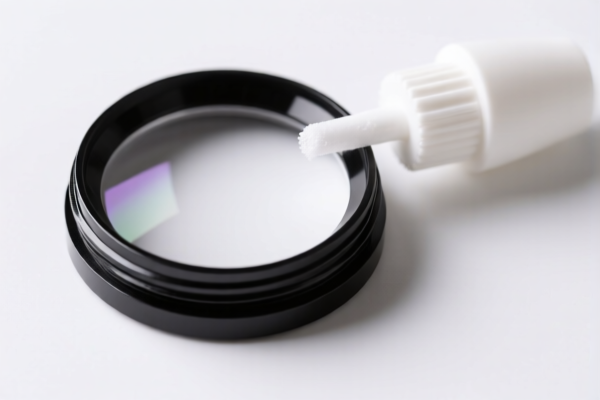
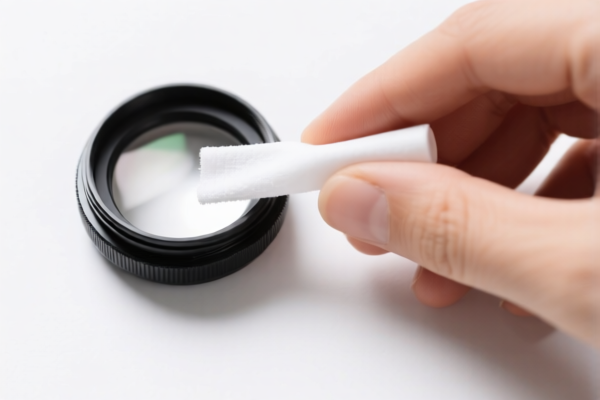
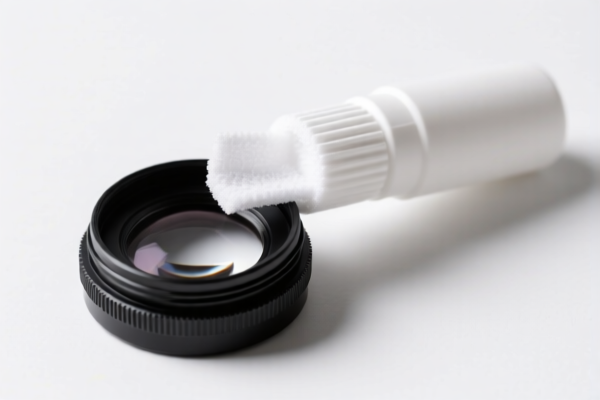
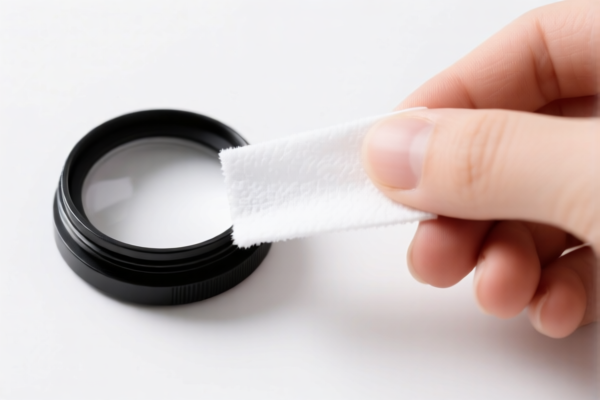
AI Analysis
🎨 Photo Toning Liquid: Precision Classification & 2026 US Customs Clearance Guide
🌐 HS Code Reference & Customs Clearance Strategy | 2026 Latest Tariff Rules | Professional Clearance Tactics
📌 I. Product Definition & Classification: Do You Truly Understand "Photo Toning Liquid"?
Photo Toning Liquid is a specialized chemical agent used in analog photography (film and paper development) to alter the color balance, contrast, and archival stability of photographic images. It is not a digital editing tool, nor is it a general-purpose dye or industrial pigment.
In international trade, it is strictly categorized based on its primary function and chemical composition: * Chemical Nature: A liquid preparation containing toning agents (e.g., sepia, selenium, gold, or iron salts) dissolved or suspended in a solvent. * Usage Context: Exclusively for photographic processing (developing papers or films). * Key Distinction: If the product is labeled as a "digital filter" or "software," it falls under Chapter 85 or 99. If it is a physical liquid for darkroom use, it must be classified under Chapter 37 (Photographic Goods).
⚠️ Critical Classification Point:
- If the liquid is explicitly for photographic use (toning, developing, fixing) →归入 Chapter 37 (Specifically 3707.90.60.00).
- If the liquid is a general-purpose artistic paint/pigment (e.g., acrylic mixing medium for canvas, not for photos) →归入 Chapter 32 (Paints/Varishes, e.g., 3213.90.00.00 or 3206.49.60.50).
- Misclassification Risk: Declaring "Photo Toning Liquid" as "Art Paint" (HS 3213/3206) is a common error that leads to audits, as the HS Code 3707 is more specific and legally accurate for photographic chemicals.
📦 II. HS Code Classification Details (2026 Latest Tariff Authority Match)
| HS Code | Product Description | Application Scenario | Key Characteristics |
|---|---|---|---|
3707.90.60.00 |
Preparations for Photographic Uses (Other Than Light-Sensitive Papers, Films, etc.) | Photo toning liquids, developers, fixers, bleach for film/paper | ✅ Specific to Photography ✅ Liquid chemical formulation ✅ Darkroom use |
3213.90.00.00 |
Artists', Students' and Signwriters' Colors and Shades; Ready-Mixed Oils | General artistic toning liquids, not specifically for photographic processing | ✅ General Art Supply ❌ Not photo-specific |
3213.10.00.00 |
Ready-Mixed Oils | Oil-based painting mediums, potentially used in art but not photo processing | ✅ Artistic Medium ❌ Not photo-specific |
3206.49.10.00 |
Colouring Preparations Based on Titanium Dioxide | General pigment preparations, not photo toners | ✅ Industrial/Art Pigment ❌ Not photo-specific |
3206.49.60.50 |
Other Colouring Preparations | General chemical colorants for non-photographic use | ✅ General Dye/Pigment ❌ Not photo-specific |
🔍 Key Takeaway:
- For true photo toning liquid (used in darkrooms for sepia/selenium toning), HS Code 3707.90.60.00 is the only correct classification.
- Codes under Chapter 32 (3213, 3206) apply only if the product is marketed as a general art supply (e.g., "acrylic colorant") and has no specific photographic formulation.
- Warning: Using a Chapter 32 code for a photo-specific chemical may trigger a customs audit for "Incorrect Classification," leading to delays and penalties.
💰 III. 2026 Latest Tariff Rate Breakdown (Including Additional Taxes & Policies)
✅ Applicable Country: United States (US)
✅ Country of Origin: China (CN)
✅ Effective Date: From November 10, 2025 (for subsequent imports)
🎯 1. 3707.90.60.00 —— Preparations for Photographic Uses
| Item | Detail |
|---|---|
| Base Tariff Rate | 0.0% (Ad Valorem) |
| Section 301 Tariff (USITC) | +25.0% |
| IEEPA Tariff (Section 122/China Specific) | +10.0% |
| Total Tariff Rate | 35.0% |
| Tax Calculation | CIF Value × 35.0% |
| De Minimis Eligibility | ❌ Not Eligible (deny_de_minimis) |
| Legal Basis Path | IEEPA:9903.01.25 → USITC:3707.90.60.00 → FOOTNOTE:3707.90.60.00 |
📌 Explanation:
- Base Rate (0%): Photographic preparations often enjoy a low base duty under HTSUS.
- Section 301 (+25%): Applied to most Chinese-origin goods under US Trade Act Section 301.
- IEEPA (+10%): Additional tariff under the International Emergency Economic Powers Act for specific Chinese imports.
- Total (35%): This is a high tariff. Importers must factor this into their landed cost.
- No De Minimis: Packages under $800 do not qualify for tax exemption if the HS Code triggers these additional tariffs.
🎯 2. 3213.90.00.00 —— Artists' Colors (Non-Photographic)
| Item | Detail |
|---|---|
| Base Tariff Rate | 3.4% |
| Section 301 Tariff (USITC) | +25.0% |
| IEEPA Tariff | +10.0% |
| Total Tariff Rate | 38.4% |
| Tax Calculation | CIF Value × 38.4% |
| De Minimis Eligibility | ❌ Not Eligible |
📌 Note: If misclassified as general art supplies, the tariff is higher (38.4%) than the correct photographic classification (35.0%). This is an unexpected cost increase due to misclassification.
🎯 3. 3206.49.60.50 —— Other Colouring Preparations
| Item | Detail |
|---|---|
| Base Tariff Rate | 3.1% |
| Section 301 Tariff | +25.0% |
| IEEPA Tariff | +10.0% |
| Total Tariff Rate | 38.1% |
| De Minimis Eligibility | ❌ Not Eligible |
📌 Note: Similar to above, misclassification into general chemical colorants results in a 38.1% rate.
🛠️ IV. Customs Clearance Practical Advice (Combat Pitfalls Guide)
✅ 1. Required Documentation Checklist (Mandatory)
| Document | Mandatory? | Description |
|---|---|---|
| ✅ Product Specification Sheet | ✔️ | Must specify: "Liquid Photo Toner," chemical composition (e.g., Selenium, Sepia), and intended use (Photographic). |
| ✅ Safety Data Sheet (SDS) | ✔️ | Required for all chemical imports. Must list hazardous components if any. |
| ✅ Commercial Invoice | ✔️ | Clearly state "Photo Toning Liquid for Darkroom Use." Do NOT use vague terms like "Art Paint" or "Chemical Mix." |
| ✅ Certificate of Origin | ✔️ | To prove China origin and apply correct additional tariffs. |
| ✅ Bill of Lading/Air Waybill | ✔️ | Standard shipping documents. |
| ✅ Importers Security Filing (ISF) | ✔️ | Required for ocean freight (10+2 rule). |
⚠️ Critical: The Commercial Invoice must match the HS Code purpose. If you declare HS 3707, the invoice must explicitly mention "Photographic Use." If it says "For Canvas Painting," customs will reject the 3707 declaration and reclassify it, causing delays.
✅ 2. Declaration Strategy (Key Mantra)
🔥 "Purpose Matters: Photo Use = 3707, Art Use = 3213. Never Vague!"
| Scenario | Correct Declaration | Incorrect Declaration | Consequence |
|---|---|---|---|
| True Photo Toner | 3707.90.60.00 |
3213.90.00.00 (Art Paint) |
Higher Tax (38.4% vs 35.0%) + Audit Risk |
| Art Mixing Medium | 3213.90.00.00 |
3707.90.60.00 (Photo Prep) |
Audit Risk (Customs may reject as "Non-Photo") |
| General Dye | 3206.49.60.50 |
3707.90.60.00 |
Audit Risk |
✅ 3. Special Cases Handling
| Scenario | Handling Advice |
|---|---|
| OEM Custom Toner | Provide a letter of explanation from the manufacturer stating the chemical formula is designed for photographic paper/film toning. |
| Sample Shipments | Even samples are subject to tariffs if the HS Code is under Section 301/IEEPA. Do not assume "Sample" = Tax-Free. |
| Mixed Containers | If the container has both photo toners (3707) and art paints (3213), declare separately. Do not lump them under one HS Code. |
🌍 V. Global Market Comparison (2026 Latest)
| Country/Region | Recommended HS Code | Tariff (China Origin) | Certification | Notes |
|---|---|---|---|---|
| 🇺🇸 USA | 3707.90.60.00 |
35.0% | None Specific | High tariff due to Section 301/IEEPA. |
| 🇨🇳 China | 3707.90.60.00 |
5% | None | Low import duty. |
| 🇪🇺 EU | 3707.90.00 |
6.5% | REACH Registration | REACH compliance is mandatory for chemicals. |
| 🇬🇧 UK | 3707.90.00 |
6.5% | UK REACH | Post-Brexit rules apply. |
| 🇦🇺 Australia | 3707.90.00 |
5% | AICIS | Chemical inventory registration required. |
📌 Conclusion:
- The US is the most expensive market for photo toning liquids due to the 35% total tariff.
- EU/UK/AU have moderate base tariffs but strict chemical regulations (REACH/AICIS).
- China has low tariffs, making it a common export hub, but end-users in the US face high costs.
📌 VI. Common Mistakes & Pitfalls (Lessons Learned)
❌ Mistake 1: Declaring "Photo Toning Liquid" as "Art Paint" (HS 3213) to avoid scrutiny.
👉 Result: Tax increases from 35.0% to 38.4%. No benefit.
❌ Mistake 2: Not providing an SDS for a liquid chemical.
👉 Result: Hold at US Customs. Delay of 7-14 days. Possible return of goods.
❌ Mistake 3: Assuming De Minimis ($800) applies.
👉 Result: Tax collected. Section 301 and IEEPA tariffs apply regardless of value for most Chinese goods.
❌ Mistake 4: Vague Invoice Description ("Chemical Liquid").
👉 Result: Customs Exam. CBP will request proof of use. If no photo evidence is provided, they may reclassify.
✅ Correct Practice:
"Photo Toning Liquid, Liquid Form, For Use in Photographic Film/Paper Processing, Contains Selenium/sepia, HS 3707.90.60.00, SDS Attached."
🎯 VII. Conclusion: Precision Classification, Cost Efficiency, Smooth Clearance!
🎯 Remember the Mantra:
🔹 "Photo Use = 3707 (35%), Art Use = 3213 (38.4%). Be Specific!"
🔹 "No De Minimis for China Chemicals. Always Pay the 35%!"
🔹 "SDS is Mandatory. No SDS, No Entry."
📌 Pro Tip:
If you are importing large volumes, consider Applying for a Tariff Engineering Ruling (if applicable) or exploring bonded warehouses to defer payment. Also, ensure your SDS is up-to-date and matches the product composition exactly.
📣 Immediate Action Required:
📞 Contact a Licensed Customs Broker + Provide SDS + Invoice with Clear Description
🚀 Ensure Accurate HS 3707.90.60.00 Classification to avoid higher taxes and delays!
✨ Professional Clearance Starts with Accurate Classification!
💼 Your Landed Cost is Calculated Down to the Penny!
Customer Reviews
About HS Code Classification
The Harmonized System (HS) is an internationally standardized nomenclature developed by the World Customs Organization (WCO) to classify traded products. Over 200 countries use the HS system as the basis for customs tariffs, trade statistics, and import/export regulations.
Each HS code follows a hierarchical structure:
- Chapter (2 digits) — Broad category of goods (e.g., Chapter 84: Machinery and Mechanical Appliances)
- Heading (4 digits) — More specific grouping within the chapter
- Subheading (6 digits) — Internationally standardized breakdown, used by all WCO member countries
- National subdivisions (8-10 digits) — Country-specific extensions for further classification, such as US HTSUS 10-digit codes
Correct HS code classification is essential for smooth customs clearance, accurate duty payment, and compliance with trade regulations. Misclassification can lead to customs delays, overpayment of duties, or penalties.
When importing from CN to US, the applicable tariff rates may include:
- Most-Favored-Nation (MFN) rate — The standard duty rate applied to WTO members
- General rate — Applied to countries without trade agreements
- Trade remedy duties — Additional tariffs such as Section 301 (anti-dumping), Section 232 (national security), or countervailing duties
The information provided on this page is for reference purposes only. For official classification, please consult with your local customs authority or a licensed customs broker.