Photographic Slide Mounting Frames
CN → US| HS Code | Tariff Rate | Origin | Destination | Doc |
|---|---|---|---|---|
| 7326908688 | 87.9% | CN | US | Official Doc |
| 3926905000 | 21.3% | CN | US | Official Doc |
| 3926904800 | 13.4% | CN | US | Official Doc |
Product Images
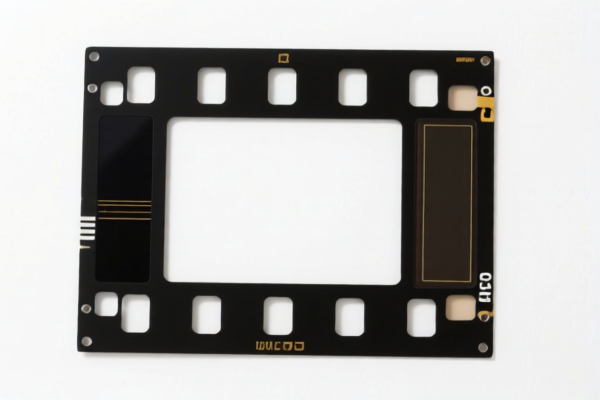
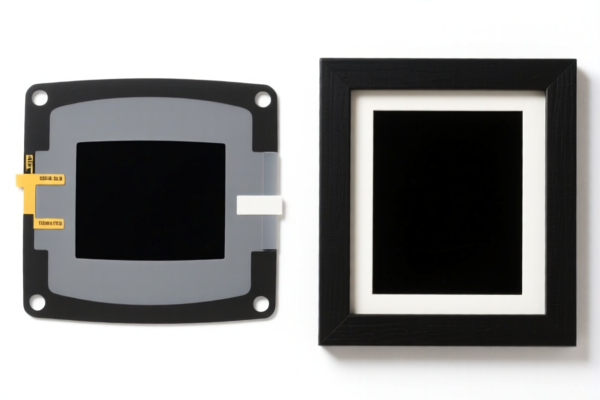
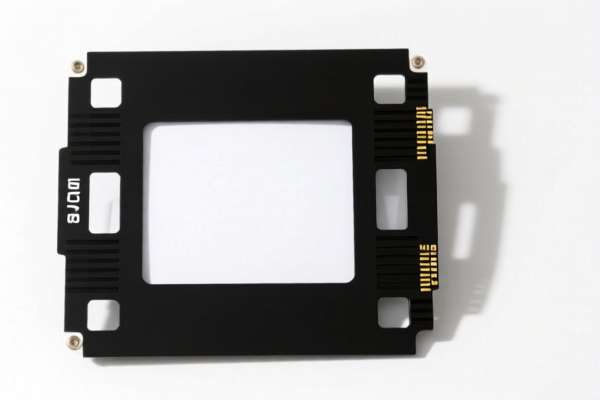
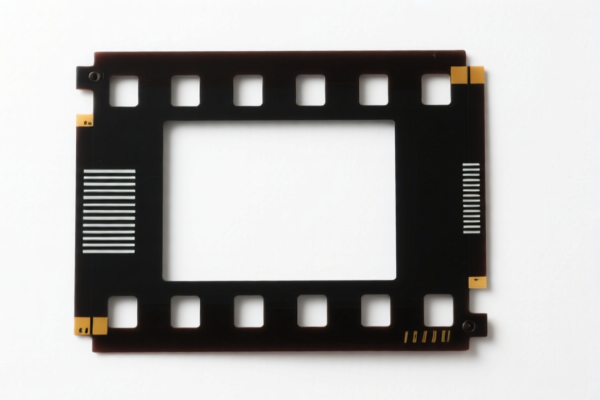
AI Analysis
🖼️ Photographic Slide Mounting Frames
🌐 HS Code Reference & Clearance Guide | 2026 Latest Tariff Analysis | Professional Customs Strategy
📌 1. Product Definition and Classification: What Exactly Are "Slide Mounting Frames"?
Photographic slide mounting frames are specialized carriers used to hold 35mm film slides (positive transparencies) securely for viewing, projection, or archival storage. In international trade, these items are categorized based on their material composition.
The core distinction lies in whether the frame is made of metal/wood or plastic. This material difference dictates the HS Code, and consequently, the tariff burden, especially under current US trade policies.
⚠️ Critical Distinction Point: - If the frame is made of Metal (Steel/Iron) or Wood → It falls under "Miscellaneous Articles of Iron or Steel" or similar wood-based headings. - If the frame is made of Plastic → It falls under "Articles of Plastic," specifically those designed for mounting or framing purposes.
📦 2. HS Code Classification Details (2026 Latest Tariff Alignment)
Based on the provided data, here are the three primary classifications for Photographic Slide Mounting Frames:
| HS Code | Product Description | Material Type | Key Characteristics |
|---|---|---|---|
| 7326.90.86.88 | Metal or Wood Structure Slide Mounting Frame | Metal (Iron/Steel) or Wood | Categorized as "Other articles of iron or steel" (if metal). Note: The summary mentions "Wood structure" but the HS code 7326 specifically refers to Iron/Steel. Wood frames might technically fall under different wood codes, but per the provided data, this code is associated with metal/steel structures. |
| 3926.90.50.00 | Plastic Slide Mounting Frame (for mounting/framing) | Plastic | Categorized as "Other articles of plastic, for mounting or framing purposes." |
| 3926.90.48.00 | Plastic Frame for Display/Support | Plastic | Categorized as "Other plastic articles (albums/framing type)." |
🔍 Important Note: - The HS Code 7326 explicitly refers to Iron or Steel. Even though the text summary mentions "wood," the code itself is metal-based. Ensure your product is indeed steel/iron to use this code. - For plastic frames, there are two sub-options: one specifically for "mounting/framing" (
3926.90.50.00) and one for general "display/support" (3926.90.48.00). The distinction may affect the "Additional Tariff" component.
💰 3. 2026 Latest Tariff Rate Breakdown (Including Surcharge Policies)
✅ Applicable Market: United States (US) ✅ Origin: China (CN) ✅ Effective Date: Based on Section 122 and 301 tariffs.
🎯 1. 7326.90.86.88 – Metal (Iron/Steel) Slide Frame
This category faces the highest total tax burden due to the aggressive "Section 122" surcharge on steel.
| Item | Details |
|---|---|
| Base Tariff | 2.9% |
| Section 301 Surcharge | 25.0% |
| Section 122 Surcharge | 50.0% (Specific to Steel, Aluminum, Copper products under Section 122) |
| Total Tax Rate | 87.9% |
| Calculation Basis | CIF Value × 87.9% |
| De Minimis Eligibility | ❌ No (High-value surcharges typically negate de minimis benefits for direct imports) |
📌 Explanation: - The 50% Section 122 tariff is a significant penalty targeting steel imports. - Combined with the 25% Section 301 tariff and 2.9% base, the total cost multiplier is nearly 1.9x the product value. - Warning: This is one of the highest effective tariff rates for consumer accessories.
🎯 2. 3926.90.50.00 – Plastic Slide Frame (Mounting/Framing Purpose)
Plastic frames face a moderate surcharge but are generally more favorable than steel.
| Item | Details |
|---|---|
| Base Tariff | 3.8% |
| Section 301 Surcharge | 7.5% |
| Section 122 Surcharge | 10.0% (Note: Section 122 may apply differently to plastics than steel, but data indicates 10% here) |
| Total Tax Rate | 21.3% |
| Calculation Basis | CIF Value × 21.3% |
📌 Explanation: - The 7.5% Section 301 tariff is lower than the 25% applied to steel. - The 10% Section 122 tariff suggests this specific plastic category is subject to a lighter version of the material-specific surcharge. - Total 21.3% is significantly more competitive than the steel alternative.
🎯 3. 3926.90.48.00 – Plastic Frame (Display/Support Purpose)
This is the most tariff-efficient option for plastic frames.
| Item | Details |
|---|---|
| Base Tariff | 3.4% |
| Section 301 Surcharge | 0.0% |
| Section 122 Surcharge | 10.0% |
| Total Tax Rate | 13.4% |
| Calculation Basis | CIF Value × 13.4% |
📌 Explanation: - Crucial Advantage: The Section 301 tariff is 0% for this specific subheading. This implies that certain plastic display/support articles may be exempt from the broader trade war tariffs. - Combined with the 10% Section 122 surcharge, the total rate is only 13.4%. - Strategy: If your plastic frame can be classified under
3926.90.48.00(general display/support) rather than3926.90.50.00(specific mounting), you save 7.9% on the total landed cost.
🛠️ 4. Customs Clearance Practical Advice (Avoiding Pitfalls)
✅ 1. Material Verification is Key
| Material | Recommended HS Code | Total Tax | Risk of Misclassification |
|---|---|---|---|
| Steel/Iron | 7326.90.86.88 |
87.9% | High. If misclassified as plastic, you risk severe penalties and back-taxes. |
| Plastic (Specific Mounting) | 3926.90.50.00 |
21.3% | Moderate. Ensure the primary function is "mounting." |
| Plastic (General Display) | 3926.90.48.00 |
13.4% | Low. Best for cost optimization if function allows. |
🚨 Critical Warning: - Do NOT try to misclassify steel frames as plastic to avoid the 50% Section 122 tariff. Customs inspections (including X-rays or material tests) can easily identify steel, leading to confiscation, fines, and blacklisting. - If your product is Metal, accept the 87.9% rate. There is no legal workaround for steel under current policies.
✅ 2. Documentation Requirements
| Document | Requirement | Notes |
|---|---|---|
| Product Description | Must clearly state material (e.g., "Plastic Slide Mount," "Steel Photo Frame") | Vague terms like "Accessory" will trigger scrutiny. |
| Material Certificate | ✔️ Required for Steel | To prove it is indeed steel/iron for 7326. |
| Product Images | ✔️ Required | Show the frame structure to prove it is for "slides" (35mm) or general mounting. |
| Invoice | ✔️ Must List HS Code | Explicitly list the correct HS Code on the commercial invoice. |
✅ 3. Strategic Recommendations
-
Switch to Plastic if Possible:
- If your product allows, consider sourcing or manufacturing plastic slide frames.
- The tax difference between Steel (87.9%) and Plastic (13.4%–21.3%) is massive. A $10 product costs $18.79 in taxes as steel, but only $1.34–$2.13 as plastic.
- Recommendation: Use HS Code 3926.90.48.00 for plastic frames if the design supports "display/support" functions, to minimize the Section 301 burden.
-
For Steel Frames (7326.90.86.88):
- Price Absorption: You must factor the 87.9% tax into your pricing strategy.
- Target Market: Only feasible for high-value, specialized archival products where customers are less price-sensitive.
- No De Minimis: Do not attempt to ship via low-value postal services to avoid taxes; the Section 122 surcharge will still apply and may block entry.
-
For Plastic Frames:
- Optimize Classification: Argue for
3926.90.48.00over3926.90.50.00if the frame can be described as a "display support" rather than just a "mounting tool." The 0% Section 301 rate is a significant advantage. - Volume Shipping: Consolidate shipments to manage the 10–21% tax burden efficiently.
- Optimize Classification: Argue for
🌍 5. Global Comparison Summary
| Market | Steel Frame (7326) Tax | Plastic Frame (3926) Tax | Notes |
|---|---|---|---|
| 🇺🇸 USA | 87.9% | 13.4% – 21.3% | Highest tariffs due to Section 122 & 301. |
| 🇨🇳 China | Low/Standard | Low/Standard | No Section 122/301 equivalents. |
| 🇪🇺 EU | Low/Standard | Low/Standard | Generally lower duties on plastics; check CE marking. |
| 🇬🇧 UK | Low/Standard | Low/Standard | Post-Brexit rules apply; generally lower than US. |
📌 Conclusion: - The US market is extremely hostile to steel accessories due to Section 122. - Plastic frames are the strategic choice for exporting to the US, with
3926.90.48.00being the optimal code for cost efficiency.
📌 6. Common Errors & Pitfalls
❌ Error 1: Misclassifying Steel as Plastic 👉 Consequence: Severe penalties, forced recall, and back-taxes of ~60-70%.
❌ Error 2: Ignoring Section 122 for Steel 👉 Consequence: Underpayment of 50% surcharge. Customs will demand immediate payment + interest.
❌ Error 3: Using Wrong Plastic Code
👉 Consequence: Paying 21.3% instead of 13.4%. Ensure your product description supports 3926.90.48.00 (display/support) to get the lower rate.
✅ Best Practice:
"Material First, Code Second." Always verify the material composition before applying HS Codes. For plastic, lean towards
3926.90.48.00for maximum tax efficiency in the US market.
🎯 7. Final Verdict
🎯 Key Takeaway:
🔹 Steel Frames: Avoid for cost-sensitive markets like the US due to 87.9% total tax. 🔹 Plastic Frames: Preferred. Use 3926.90.48.00 for 13.4% total tax. 🔹 Documentation: Clearly label material and function to support your chosen HS Code.
📣 Immediate Action:
📞 Consult a customs broker to verify if your plastic frames can be classified under 3926.90.48.00. 🚀 Optimize your supply chain for plastic components to maximize profit margins in the US market.
✨ Professional clearance starts with precise classification! 💼 Your bottom line depends on the right HS Code.
Customer Reviews
About HS Code Classification
The Harmonized System (HS) is an internationally standardized nomenclature developed by the World Customs Organization (WCO) to classify traded products. Over 200 countries use the HS system as the basis for customs tariffs, trade statistics, and import/export regulations.
Each HS code follows a hierarchical structure:
- Chapter (2 digits) — Broad category of goods (e.g., Chapter 84: Machinery and Mechanical Appliances)
- Heading (4 digits) — More specific grouping within the chapter
- Subheading (6 digits) — Internationally standardized breakdown, used by all WCO member countries
- National subdivisions (8-10 digits) — Country-specific extensions for further classification, such as US HTSUS 10-digit codes
Correct HS code classification is essential for smooth customs clearance, accurate duty payment, and compliance with trade regulations. Misclassification can lead to customs delays, overpayment of duties, or penalties.
When importing from CN to US, the applicable tariff rates may include:
- Most-Favored-Nation (MFN) rate — The standard duty rate applied to WTO members
- General rate — Applied to countries without trade agreements
- Trade remedy duties — Additional tariffs such as Section 301 (anti-dumping), Section 232 (national security), or countervailing duties
The information provided on this page is for reference purposes only. For official classification, please consult with your local customs authority or a licensed customs broker.