Photosensitive Coated Paper Roll
CN → US| HS Code | Tariff Rate | Origin | Destination | Doc |
|---|---|---|---|---|
| 3703906000 | 37.8% | CN | US | Official Doc |
| 4810131900 | 35.0% | CN | US | Official Doc |
| 4811512010 | 35.0% | CN | US | Official Doc |
| 4810132090 | 35.0% | CN | US | Official Doc |
| 4811516000 | 35.0% | CN | US | Official Doc |
Product Images
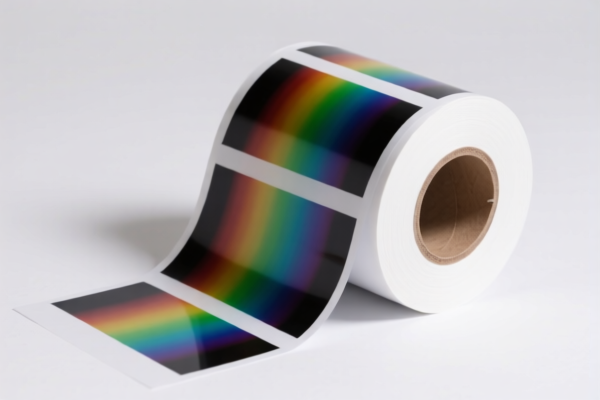
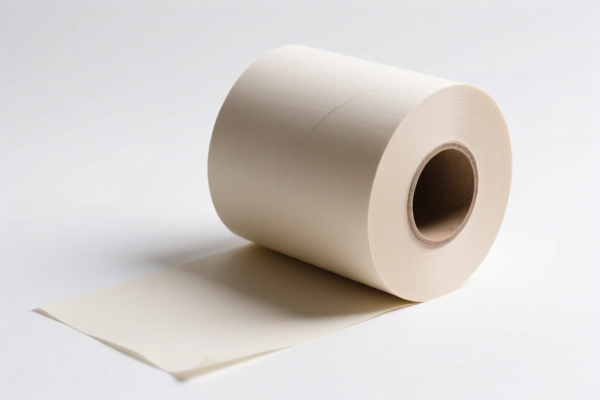
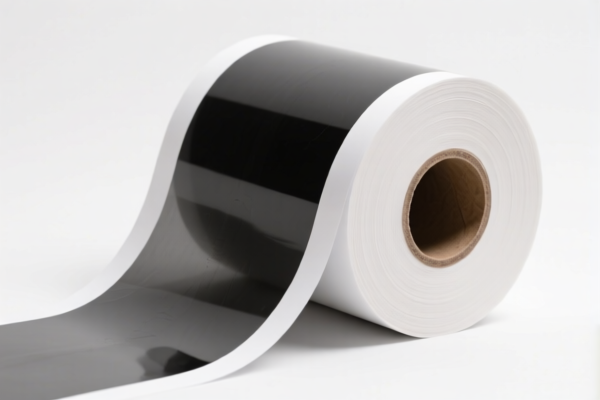
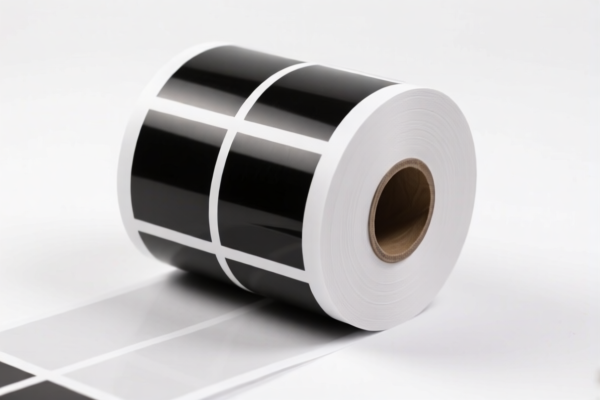
AI Analysis
🎞️ Photosensitive Coated Paper Roll (感光胶片用光涂层原纸卷)
🌐 HS Code Reference & Customs Clearance Guide | 2026 Latest Tariff Analysis | Professional Strategy for Chemical & Paper Products
📌 I. Product Definition & Classification: Do You Truly Understand "Photosensitive Coated Paper"?
The term "Photosensitive Coated Paper Roll" in the provided data refers specifically to unexposed photographic film base paper with light-sensitive coating. This is not standard commercial coated paper (like for books or magazines), but a specialized raw material for the photographic industry.
In international trade, it is critical to distinguish between: * Standard Coated Paper (HS 4810/4811): Used for printing, writing, or packaging. * Photographic Paper/Film Base (HS 3703): Specifically designed with light-sensitive emulsions (silver halide, diazo, etc.) for image recording.
⚠️ Key Distinction Point:
- If the paper is coated with light-sensitive chemicals for photographic exposure → Must classify under Chapter 37 (3703.90.60.00).
- If the paper is coated with clay, calcium carbonate, or polymer for inkjet printing or standard offset printing → Must classify under Chapter 48 (e.g., 4810.13.x, 4811.51.x).
- Warning: Misclassifying a photographic paper roll as a standard coated paper roll can lead to severe penalties due to incorrect HS code usage.
📦 II. HS Code Classification Details (Based on Provided Data)
The following HS Codes are derived strictly from the provided <DATA> content. Note that the data presents a mix of the correct classification for photosensitive materials and alternative/incorrect classifications for standard coated papers, highlighting the risk of misclassification.
| HS Code | Product Description (from Data) | Application/Scenario | Key Characteristic |
|---|---|---|---|
3703.90.60.00 |
Photosensitive Coated Paper Roll Base: Material is raw paper, shape is roll, light coating conforms to "unexposed photosensitive" characteristics. | Correct Classification for photographic films/papers. | Light-sensitive coating (Silver halide/Diazo). |
4810.13.19.00 |
Coated Paper Roll: Material is coated paper, shape is roll, used for printing or writing. | Standard commercial paper, books, magazines. | Non-photosensitive. Used for general printing. |
4810.13.20.90 |
Coated Paper Roll: Material is coated paper, shape is roll. Base category due to lack of weight/coating substance details. | Generic coated paper, unclear specific use. | Ambiguous. Lacks specific coating details. |
4811.51.20.10 |
Coated Paper Roll: Material is coated paper, shape is roll, inferred use as beverage container substrate. | Packaging materials, food-grade containers. | Specialized industrial use (Packaging). |
4811.51.60.00 |
Coated Paper Roll: Coating and classification consistent, paper roll form confirmed. | General coated paper products. | Standard coated paper. |
🔍 Critical Reminder:
- The user input "Photosensitive Coated Paper Roll" strongly suggests HS 3703.90.60.00 because "Photosensitive" is the defining feature.
- The other codes (4810/4811) are for standard coated papers. If you import photosensitive paper but declare it under 4810/4811, customs will likely reject the declaration, impose fines, and demand reclassification.
- Do not use 4810/4811 codes for products with light-sensitive emulsions.
💰 III. 2026 Latest Tariff Rate Details (Including Additional Taxes & Policy Surcharges)
✅ Applicable Country: United States (US)
✅ Country of Origin: China (CN)
✅ Effective Date: 2025年11月10日起 (Including subsequent imports)
🎯 1. 3703.90.60.00 —— Photosensitive Coated Paper Roll (Correct Classification)
| Item | Content |
|---|---|
| Base Tariff | 2.8% (Ad Valorem) |
| Additional Tariff (Section 301) | +25.0% |
| Section 122 Tariff | +10.0% |
| Total Tariff Rate | 37.8% |
| Tax Calculation | CIF Value × 37.8% |
| De Minimis Exemption? | ❌ No (Not eligible for de minimis) |
| Legal Basis Path | Base Tariff (2.8%) + Section 301 (25%) + Section 122 (10%) |
📌 Explanation:
- Base Tariff (2.8%): Standard MFN rate for photographic paper/film bases.
- Section 301 Tariff (25%): Applies to Chinese-origin goods under the US Trade Act Section 301.
- Section 122 Tariff (10%): Specific additional tariff for certain Chinese goods.
- Total: 37.8%. This is a high tariff rate. Cost planning must include this significant burden.
🎯 2. 4810.13.19.00 / 4810.13.20.90 / 4811.51.20.10 / 4811.51.60.00 —— Standard Coated Paper Rolls (Incorrect for Photosensitive Product)
⚠️ Note: These codes are NOT appropriate for "Photosensitive Coated Paper Roll." However, if a product is misclassified as standard coated paper, these rates apply.
| Item | Content (For All 4810/4811 Codes in Data) |
|---|---|
| Base Tariff | 0.0% |
| Additional Tariff (Section 301) | +25.0% |
| Section 122 Tariff | +10.0% |
| Total Tariff Rate | 35.0% |
| Tax Calculation | CIF Value × 35.0% |
| De Minimis Exemption? | ❌ No |
📌 Explanation:
- While the total rate (35.0%) is slightly lower than the correct photosensitive code (37.8%), using these codes for photosensitive paper is illegal.
- Customs may audit and demand the 37.8% rate plus penalties for misdeclaration.
- Risk: High. Do not attempt to use 0% base rate codes to evade tariffs on photosensitive goods.
🛠️ IV. Customs Clearance Practical Advice (Real-World Pitfall Avoidance Guide)
✅ 1. Required Documentation Checklist (All are Mandatory)
| Document | Required? | Description |
|---|---|---|
| ✅ Product Specification Sheet | ✔️ | Must explicitly state: "Light-sensitive emulsion," "Unexposed," "Photographic Use." |
| ✅ Safety Data Sheet (SDS) | ✔️ | For chemical components of the coating. |
| ✅ Product Photos (Including Label) | ✔️ | Clear view of the roll, coating surface, and any "Photosensitive" warnings. |
| ✅ Certificate of Origin (CO) | ✔️ | To prove origin (China) and apply correct Section 301/122 rates. |
| ✅ Commercial Invoice | ✔️ | Must accurately describe product as "Photosensitive Coated Paper Roll for Photographic Use." |
| ✅ Packing List | ✔️ | Detailing roll dimensions, weight, and quantity. |
✅ 2. Declaration Techniques (Key Mnemonics)
🔥 "Sensitive Coating, Code 3703; Don't Use 4810, Or You'll Regret It!"
| Scenario | Correct Declaration | Incorrect Action |
|---|---|---|
| Photosensitive Paper | 3703.90.60.00 |
Declare as "Coated Paper" → 4810.x |
| Standard Coated Paper | 4810.x or 4811.x |
Declare as "Photosensitive" → 3703.x |
| Unclear Coating | Provide SDS & Spec Sheet | Guessing the HS Code |
| Mixed Shipment | Separate lines for each HS Code | Combining different HS Codes |
✅ 3. Special Case Handling
| Situation | Handling Advice |
|---|---|
| OEM Custom Coating | Provide customer's technical specs proving light-sensitive nature. |
| Unexposed vs. Exposed | Only unexposed products fall under 3703. Exposed films are waste/used goods. |
| Packaging | Ensure packaging is light-proof (black plastic) to prevent accidental exposure during transit. |
| Customs Inquiry | If questioned, provide SDS and photos showing the chemical coating. |
🌍 V. Global Market Clearance Comparison (2026 Latest)
| Country/Region | Recommended HS Code | Tariff Rate (China Origin) | Certification Requirements | Notes |
|---|---|---|---|---|
| 🇺🇸 USA | 3703.90.60.00 |
37.8% | None Specific | High tariff due to 301 + 122. |
| 🇨🇳 China | 3703.90.60.00 |
Low/Exempt | None | Domestic consumption. |
| 🇪🇺 EU | 3703.90 |
Varies (Check EU Tariff) | REACH (Chemical Safety) | Strict chemical regulations. |
| 🇯🇵 Japan | 3703.90 |
Varies | JIS Standards | Quality control strict. |
📌 Conclusion:
- USA imposes the highest effective tariff (37.8%) due to multiple surcharges.
- EU/Japan may have stricter chemical safety regulations (REACH) but lower tariffs.
- Misclassification Risk: High in all markets. Ensure the product description matches the HS code definition.
📌 VI. Common Mistakes & Pitfalls (Blood-Learnings)
❌ Mistake 1: Declaring "Photosensitive Coated Paper" under 4810.13.19.00
👉 Consequence: Customs flags the discrepancy. Penalty + Back Taxes + Delay.
👉 Reason: Base tariff is 0%, but the product is sensitive. This is considered fraud.
❌ Mistake 2: Not disclosing the "Light-Sensitive" nature in the invoice
👉 Consequence: Customs may seize the shipment for lack of transparency.
👉 Reason: Photosensitive materials require special handling and declaration.
❌ Mistake 3: Using "Coated Paper" as the only description
👉 Consequence: Ambiguity leads to audit.
👉 Reason: "Coated Paper" is too broad. Must specify "Photosensitive" or "Photographic."
❌ Mistake 4: Ignoring Section 122 Tariff
👉 Consequence: Underpayment of 10%.
👉 Reason: Section 122 is a specific surcharge for Chinese goods.
✅ Correct Practice:
"Photosensitive Coated Paper Roll, Unexposed, For Photographic Film Production, Material: Paper Base with Silver Halide Emulsion, HS Code: 3703.90.60.00"
🎯 VII. Conclusion: Professional Declaration, Save Time, Reduce Costs!
🎯 Remember the Mantra:
🔹 "Photosensitive = 3703; Standard = 4810. Don't Mix Them!"
🔹 "37.8% Total Rate for Photosensitive Paper in USA. Plan Your Budget!"
📌 Tip:
If your photosensitive paper is shipped from Vietnam, Mexico, or Thailand, check if Section 301/122 applies. Some transshipment rules may mitigate tariffs, but provenance is key.
Recommend Advance Ruling from US Customs (CBP) to confirm the HS Code before shipment.
📣 Immediate Action:
📞 Contact a professional customs broker + Provide Product Specs + Apply for HS Code Advance Ruling
🚀 Let your photosensitive paper clear customs smoothly, efficiently, and profitably!
✨ Professional Clearance Starts with Accurate Classification!
💼 Every cent of your cost deserves precise calculation!
Customer Reviews
About HS Code Classification
The Harmonized System (HS) is an internationally standardized nomenclature developed by the World Customs Organization (WCO) to classify traded products. Over 200 countries use the HS system as the basis for customs tariffs, trade statistics, and import/export regulations.
Each HS code follows a hierarchical structure:
- Chapter (2 digits) — Broad category of goods (e.g., Chapter 84: Machinery and Mechanical Appliances)
- Heading (4 digits) — More specific grouping within the chapter
- Subheading (6 digits) — Internationally standardized breakdown, used by all WCO member countries
- National subdivisions (8-10 digits) — Country-specific extensions for further classification, such as US HTSUS 10-digit codes
Correct HS code classification is essential for smooth customs clearance, accurate duty payment, and compliance with trade regulations. Misclassification can lead to customs delays, overpayment of duties, or penalties.
When importing from CN to US, the applicable tariff rates may include:
- Most-Favored-Nation (MFN) rate — The standard duty rate applied to WTO members
- General rate — Applied to countries without trade agreements
- Trade remedy duties — Additional tariffs such as Section 301 (anti-dumping), Section 232 (national security), or countervailing duties
The information provided on this page is for reference purposes only. For official classification, please consult with your local customs authority or a licensed customs broker.