Photosensitive Color Paper Roll (Over 610mm)
CN → US| HS Code | Tariff Rate | Origin | Destination | Doc |
|---|---|---|---|---|
| 4823400000 | 35.0% | CN | US | Official Doc |
| 4811909030 | 35.0% | CN | US | Official Doc |
| 3703103030 | 38.7% | CN | US | Official Doc |
| 3703203030 | 38.7% | CN | US | Official Doc |
| 4823906700 | 35.0% | CN | US | Official Doc |
Product Images
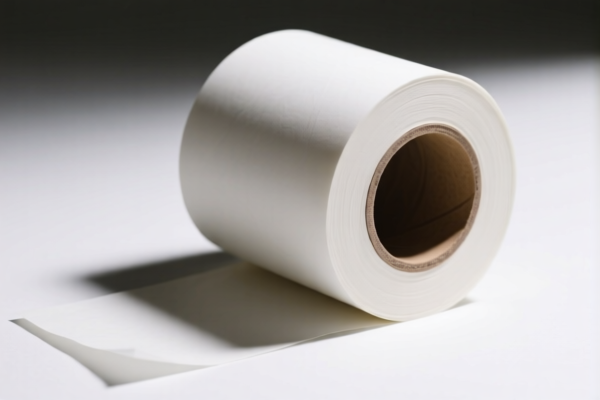
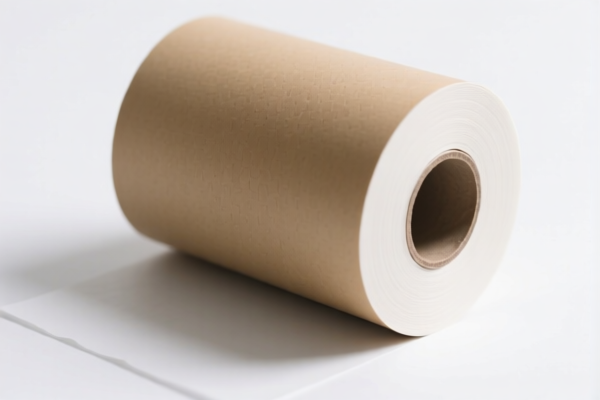
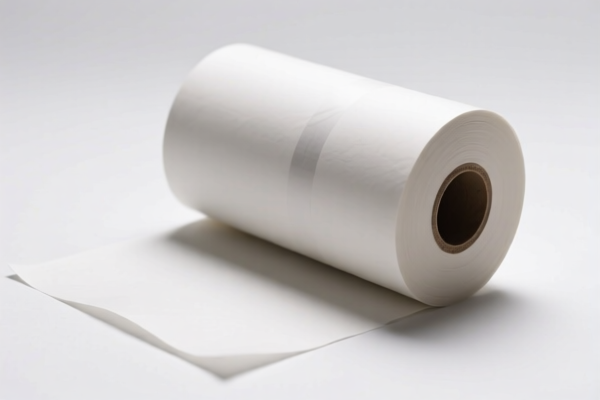
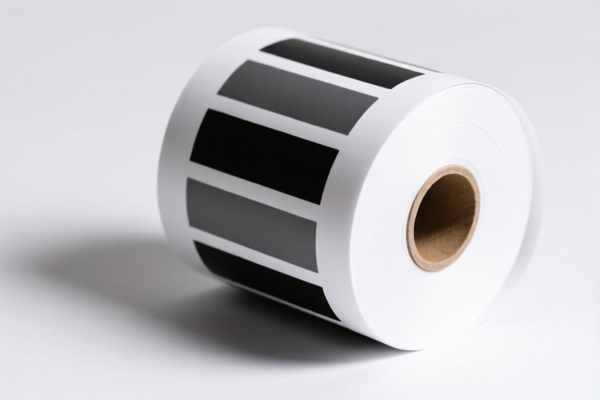
AI Analysis
🎞️ Photosensitive Color Paper Roll (Over 610mm)
🌐 HS Code Reference & Customs Clearance Guide | 2026 Latest Tariff Analysis | Professional通关 Strategy
📌 I. Product Definition & Classification: Do You Really Know "Photosensitive Paper"?
Photosensitive Color Paper Roll is a specialized printing material widely used in photography, industrial recording, and graphic arts. It consists of a paper base coated with light-sensitive chemicals (typically silver halides). In international trade, its classification depends heavily on material composition, physical form (roll size), and specific application.
⚠️ Key Distinction:
- If it is purely paper-based with no photographic emulsion functionality beyond basic recording (e.g., for chart recorders), it may fall under Chapter 48.
- If it is true photographic paper (silver halide based) intended for color photography or high-precision imaging, it falls under Chapter 37.
📦 II. HS Code Classification Details (2026 Latest Tariff Authority Comparison)
| HS Code | Product Description | Matching Criteria | Total Tax Rate |
|---|---|---|---|
4823.40.00.00 |
Other paper, paperboard, cellulose wadding and webs of cellulose fibers, cut to size or shape, including rolled; other articles of paper pulp, paper, paperboard, cellulose wadding or webs of cellulose fibers: Other, of a kind used for automatic data processing machines or recorders (specifically "rolls for automatic recorders") | Material: Paper-based. Form: Roll. Use: Printing/recording. Match: Fits the physical form and generic paper nature of "rolls for automatic recorders." |
35.0% |
4811.90.90.30 |
Paper, paperboard, cellulose wadding and webs of cellulose fibers, coated, impregnated, covered, surface-colored, surface-decorated or printed, other than goods falling in subheadings 4803 to 4809; other: other: other: other | Material: Photosensitive paper (treated/coated paper). Form: Roll. Match: Fits the "coated/surface-treated" characteristic of paper goods that are not strictly defined as photographic film in Ch.37. |
35.0% |
3703.10.30.30 |
Paper, paperboard, cellulose wadding and webs of cellulose fibers, sensitized, whether or not on a backing, exposed but not developed; other than photographic plates, films or films for microfilm: sensitized unexposed photographic paper, paperboard and textiles: other: other: other | Name Match: 'Photosensitive' = Sensitized. Content: 'Color Photo Paper' = Silver halide/color usage. Form: 'Roll over 610mm' = Width > 610mm. Match: Highly specific match for wide-format photographic paper. |
38.7% |
3703.20.30.30 |
Paper, paperboard, cellulose wadding and webs of cellulose fibers, sensitized, whether or not on a backing, exposed but not developed; other than photographic plates, films or films for microfilm: sensitized unexposed photographic paper, paperboard and textiles: other: other: color | Material: Photosensitive paper. Form: Roll. Use: Color photography. Match: Explicitly covers "color" photosensitive paper. |
38.7% |
4823.90.67.00 |
Other: other: of a kind used for wrapping or packing goods: other: other | Material: Paper product. Feature: Coated paper (photosensitive layer treated as a coating). Match: Falls under general coated paper products if photographic classification is contested. |
35.0% |
🔍 Key Insight:
- HS Code 3703.xxxx is the most accurate for true photographic paper (silver halide based). It carries a higher base duty (3.7%).
- HS Code 48xx.xxxx is often used for industrial recording papers or papers where the photographic aspect is secondary. It carries a lower base duty (0.0%).
- The 10% and 25% surcharges are consistent across all codes for Chinese origin.
💰 III. 2026 Latest Tariff Rate Breakdown (Including Surcharges & Policy Add-ons)
✅ Applicable Country: United States (US)
✅ Origin: China (CN)
✅ Effective Date: From November 10, 2025 (and subsequent imports)
🎯 1. HS Codes 4823.40.00.00, 4811.90.90.30, 4823.90.67.00 —— Paper/Coated Paper Category
| Item | Detail |
|---|---|
| Base Duty Rate | 0% (ad valorem) |
| USITC Surcharge (Section 301) | +25% |
| IEEPA Surcharge | +10% (Specifically targeting China/HK products, effective Nov 10, 2025) |
| Total Effective Rate | 35.0% |
| Calculation Method | CIF Value × 35% |
| De Minimis Eligibility | ❌ No (Denied) |
| Legal Basis Path | IEEPA:9903.01.25 → IEEPA:9903.01.24 → USITC:48xx.xxxx → FOOTNOTE:9903.88.01 |
📌 Explanation:
- The 25% is from the USITC Footnote under Section 301 tariffs.
- The 10% is the IEEPA surcharge on Chinese-origin goods.
- Total 35%: This is a high tariff for paper products. Cost optimization strategies are critical.
🎯 2. HS Codes 3703.10.30.30, 3703.20.30.30 —— Photographic Paper Category
| Item | Detail |
|---|---|
| Base Duty Rate | 3.7% (ad valorem) |
| USITC Surcharge (Section 301) | +25% |
| IEEPA Surcharge | +10% (Specifically targeting China/HK products, effective Nov 10, 2025) |
| Total Effective Rate | 38.7% |
| Calculation Method | CIF Value × 38.7% |
| De Minimis Eligibility | ❌ No (Denied) |
| Legal Basis Path | IEEPA:9903.01.25 → IEEPA:9903.01.24 → USITC:3703.xxxx → FOOTNOTE:9903.88.01 |
📌 Note:
- Although the base duty is slightly higher (3.7% vs 0%), the surcharges are identical.
- The total difference is 3.7%. For high-value shipments, this small difference matters. However, misclassification from Ch 37 to Ch 48 to save 3.7% is risky if the product is clearly photographic.
🛠️ IV. Customs Clearance Practical Advice (Real-World Pitfall Avoidance)
✅ 1. Required Documentation Checklist (None Can Be Missing)
| Document | Mandatory | Explanation |
|---|---|---|
| ✅ Product Specification Sheet | ✔️ | Must clearly state: "Photosensitive," "Color," "Roll Width > 610mm," and "No Chemical Development Required" (if applicable). |
| ✅ Material Composition Statement | ✔️ | Specify if it is "Silver Halide Based" (Points to Ch 37) or "Dye-Transfer/Thermal Based" (May point to Ch 48). |
| ✅ Product Photos | ✔️ | Show the roll, packaging, and any warning labels (photosensitive materials often require safety warnings). |
| ✅ Commercial Invoice | ✔️ | Must use precise terms: "Unexposed Photosensitive Color Paper" vs. "Photographic Paper." |
| ✅ Packing List | ✔️ | Clearly indicate roll dimensions (width, length, diameter). |
| ✅ Certificate of Origin (CO) | ✔️ | Essential for determining origin-based surcharges. |
✅ 2. Declaration Strategy (Key Mantras)
🔥 "Chemical Base Dictates Chapter 37; Generic Paper Points to Chapter 48. Accuracy Prevents Penalty!"
| Scenario | Correct Declaration | Error Consequence |
|---|---|---|
| True Silver Halide Photo Paper | 3703.10.30.30 or 3703.20.30.30 |
Misdeclare as Ch 48 → Risk of Penalty + Back Duty (3.7%) + Delay |
| Thermal/Dye Paper for Recorders | 4823.40.00.00 |
Misdeclare as Ch 37 → Higher Duty Risk (38.7% vs 35%) if audited incorrectly |
| Wide Format (>610mm) Generic Paper | 4823.90.67.00 |
Vague description "Paper Roll" → Customs Detention for Classification |
| Used/Developed Paper | Different HS Code (Not Ch 37/48 typically) | Declaring as "Unexposed" → Fraud Risk |
✅ 3. Special Situation Handling
| Situation | Recommendation |
|---|---|
| Hybrid Products (e.g., Photo Paper with Printer Cartridges) | Split Billing. Declare paper separately from cartridges to avoid complex mixed-mode classification. |
| OEM for Photography Brands | Provide Brand Authorization and Product Datasheets. Customs often verify "Photosensitive" claims with major brands. |
| Width Exactly 610mm | Ensure declaration says "Over 610mm" if it is 610.1mm or more. If it is exactly 610mm, it might not qualify for the "Over 610mm" sub-heading in Ch 37. Be precise. |
| Storage Conditions | Photosensitive paper requires cool, dark storage. Declaration should ideally mention this to prove it is "unexposed." |
🌍 V. Global Market Comparison (2026 Latest)
| Country/Region | Recommended HS Code | Base Duty | Additional Surcharges (China) | Total Estimate | Notes |
|---|---|---|---|---|---|
| 🇺🇸 USA | 3703.20.30.30 (Photo) |
3.7% | +25% (301) + 10% (IEEPA) | 38.7% | Strict on "Photosensitive" definition. |
| 🇺🇸 USA | 4823.40.00.00 (Paper) |
0.0% | +25% (301) + 10% (IEEPA) | 35.0% | Use only if not true photographic paper. |
| 🇨🇳 China | 3703.20.30.30 |
5.0% | None | 5.0% | Lower barrier for import into China. |
| 🇪🇺 EU | 3703.20 |
6.5% | None (usually) | ~6.5% | VAT applies (19-27% varies). No Section 301. |
| 🇯🇵 Japan | 3703.20 |
5.5% | None (RCEP may apply) | 0-5.5% | Check RCEP origin benefits. |
📌 Conclusion:
- The US market is the most expensive due to the cumulative 35-38.7% tariff burden.
- EU and Japan have no US-style trade war surcharges, making them more cost-effective for distribution hubs (though VAT is high).
- China has low import duties but high domestic consumption.
📌 VI. Common Mistakes & Pitfalls (Lessons Learned)
❌ Mistake 1: Using generic terms like "Printing Paper Roll" for Photosensitive Paper.
👉 Consequence: Customs may classify it under wrong subheading, leading to 10-30% duty discrepancies and audits.
❌ Mistake 2: Ignoring the "Over 610mm" specification.
👉 Consequence: If the width is <610mm, 3703.10 (Wide Format) does not apply. You might be forced into 3702.xxxx (Rolls/Film) or narrower paper codes, which have different duty rates and regulatory requirements.
❌ Mistake 3: Failing to disclose "Unexposed" status.
👉 Consequence: If customs believes the paper is "exposed" (already used/imaged), it loses its "photosensitive paper" status and may be classified as waste or used goods, with higher or prohibited import rates.
✅ Correct Approach:
"Unexposed Photosensitive Color Silver Halide Paper, Roll Form, Width 630mm, for Professional Photography, Coated Paper Base"
🎯 VII. Conclusion: Precision Declaration Saves Costs!
🎯 Remember the Mantra:
🔹 "Chapter 37 for Photo, Chapter 48 for Paper. 610mm is the Divider. 35-39% is the Price."
🔹 "HS Code defines the Tariff. Accuracy defines the Profit."
📌 Pro Tip:
If you are importing large volumes to the US, consider:
1. Advance Ruling (Pre-classification): Apply to CBP for a binding opinion on your specific product to avoid retroactive penalties.
2. Supply Chain Diversification: Sourcing from Vietnam, Thailand, or Mexico can help avoid the 10% IEEPA + 25% Section 301 surcharges, reducing total duty to 0-5%.
📣 Immediate Action:
📞 Consult a Licensed Customs Broker.
📄 Provide Product Data Sheets and Chemical Composition Details.
🚀 Ensure Your Photosensitive Paper Clears Customs Smoothly and Profitably!
✨ Professional Clearance Starts with Precise Classification!
💼 Your Every Dollar Saved is Worth the Effort!
Customer Reviews
About HS Code Classification
The Harmonized System (HS) is an internationally standardized nomenclature developed by the World Customs Organization (WCO) to classify traded products. Over 200 countries use the HS system as the basis for customs tariffs, trade statistics, and import/export regulations.
Each HS code follows a hierarchical structure:
- Chapter (2 digits) — Broad category of goods (e.g., Chapter 84: Machinery and Mechanical Appliances)
- Heading (4 digits) — More specific grouping within the chapter
- Subheading (6 digits) — Internationally standardized breakdown, used by all WCO member countries
- National subdivisions (8-10 digits) — Country-specific extensions for further classification, such as US HTSUS 10-digit codes
Correct HS code classification is essential for smooth customs clearance, accurate duty payment, and compliance with trade regulations. Misclassification can lead to customs delays, overpayment of duties, or penalties.
When importing from CN to US, the applicable tariff rates may include:
- Most-Favored-Nation (MFN) rate — The standard duty rate applied to WTO members
- General rate — Applied to countries without trade agreements
- Trade remedy duties — Additional tariffs such as Section 301 (anti-dumping), Section 232 (national security), or countervailing duties
The information provided on this page is for reference purposes only. For official classification, please consult with your local customs authority or a licensed customs broker.