Photosensitive Fabric Printing Material
CN → US| HS Code | Tariff Rate | Origin | Destination | Doc |
|---|---|---|---|---|
| 5911201000 | 38.3% | CN | US | Official Doc |
| 5903102010 | 35.0% | CN | US | Official Doc |
| 3921901100 | 39.2% | CN | US | Official Doc |
| 5903102090 | 35.0% | CN | US | Official Doc |
| 5903102010 | 35.0% | CN | US | Official Doc |
Product Images
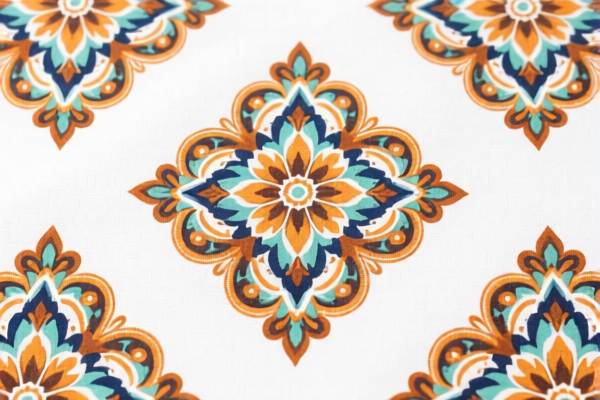
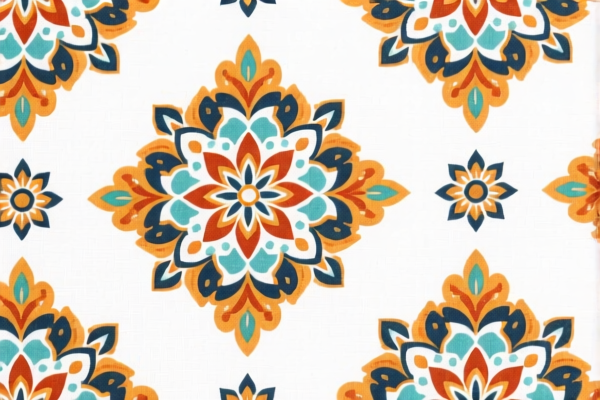
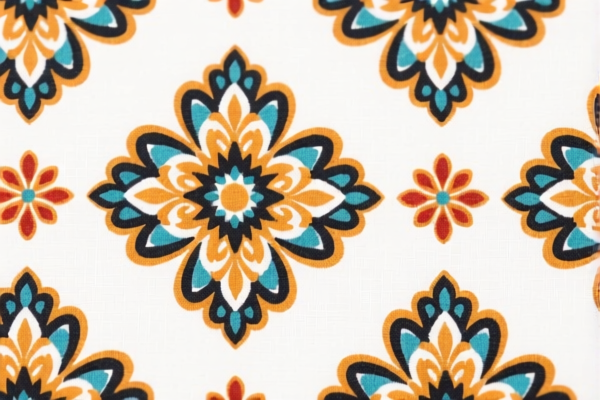
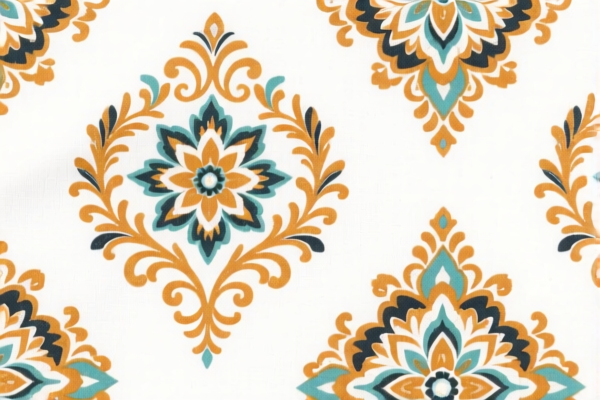
AI Analysis
🧵 Photosensitive Fabric Printing Material (Sensitized Fabric/Mesh)
🌐 HS Code Reference & Customs Clearance Guide | 2026 Latest Tariff Analysis | Professional Clearance Strategy
📌 I. Product Definition and Classification: Do You Truly Understand "Photosensitive Fabric"?
Photosensitive Fabric Printing Material refers to textiles or woven materials impregnated, coated, laminated, or covered with photosensitive chemical agents (such as diazo, photopolymer, or photogelatin). These materials are primarily used in screen printing (serigraphy) processes to create stencils for industrial, textile, or graphic printing.
In international trade, classification depends strictly on the base material and the manufacturing process: 1. Woven Fabric Base: If the base is a natural or synthetic woven fabric (e.g., polyester, nylon) coated/impregnated with photosensitive emulsion. 2. Textile Composite/Laminated: If the photosensitive layer is laminated onto a textile base. 3. Plastic Film + Textile Composite: If the photosensitive medium is a polymer film combined with textile materials.
⚠️ Key Distinction Point: - If the primary characteristic is the textile nature + photosensitive coating → Classified under Chapter 59 (Textile Articles). - If the primary characteristic is the plastic/film nature + textile backing → Classified under Chapter 39 (Plastics).
📦 II. HS Code Classification Details (2026 Latest Authorized Reference)
Based on the provided data, the following HS Codes apply specifically to Photosensitive Fabric/Mesh:
| HS Code | Product Description | Applicable Scenario | Key Characteristic |
|---|---|---|---|
5911.20.10.00 |
Photosensitive fabric sheet, woven material, for screen printing process | Traditional silk screen mesh, woven polyester/nylon mesh coated with emulsion | ✅ Woven Fabric Base |
5903.10.20.10 |
Photosensitive fabric sheet, textile fabric, impregnated or coated with photosensitive material | Fabric impregnated with light-sensitive chemicals (e.g., photopolymer) | ✅ Impregnated/Coated |
3921.90.11.00 |
Photosensitive fabric sheet, sheet/film, combined with textile materials | Composite where plastic film is the dominant layer, but textile is involved | ⚠️ Plastic-Film Dominant |
5903.10.20.90 |
Photosensitive fabric sheet, textile fabric, laminated or covered, other categories match | General textile fabric laminated with photosensitive plastic layers (non-impregnated) | ✅ Laminated/ Covered |
5903.10.20.10 |
Photosensitive fabric sheet, textile fabric, containing polymer components, coating process | Specific polymer-coated textiles for industrial printing stencils | ✅ Polymer-Coated |
🔍 Key Reminder: -
5911.20and5903.10fall under Chapter 59 (Textiles), which is the most common for "fabric" based screen printing meshes. -3921.90falls under Chapter 39 (Plastics). Use this only if the product is essentially a plastic sheet with a textile backing, not a textile with a coating. - Do not mix these categories incorrectly. Misclassification can lead to significant duty discrepancies.
💰 III. 2026 Latest Tariff Rate Breakdown (Including Surtaxes, Policy Additions)
✅ Applicable Country: United States (US)
✅ Origin: China (CN)
✅ Effective Time: Current rates apply (including Section 301 and Section 122 surcharges)
🎯 1. 5911.20.10.00 —— Photosensitive Fabric Sheet, Woven Material
| Item | Content |
|---|---|
| Base Duty Rate | 3.3% (ad valorem) |
| Section 301 Surcharge | +25.0% (Trade Remedy Duties) |
| Section 122 Surcharge | +10.0% (Additional Surtax) |
| Total Tax Rate | 38.3% |
| Tax Calculation | CIF Value × 38.3% |
| De Minimis Exemption | ❌ Not Eligible (Section 301 and 122 duties generally apply regardless of value for most Chinese goods) |
| Legal Basis Path | HTSUS:5911.20.10.00 → USITC:301/122 Surcharges |
📌 Explanation: - The 3.3% is the standard Most Favored Nation (MFN) duty for specialized textile articles. - The +25% is a standard Section 301 tariff for many textile/manufacturing items. - The +10% is an additional Section 122 tariff, effectively raising the total burden to 38.3%. - Cost Impact: High. Importers must factor this into pricing strategies.
🎯 2. 5903.10.20.10 —— Photosensitive Fabric, Textile, Impregnated/Coated
| Item | Content |
|---|---|
| Base Duty Rate | 0.0% (ad valorem) |
| Section 301 Surcharge | +25.0% |
| Section 122 Surcharge | +10.0% |
| Total Tax Rate | 35.0% |
| Tax Calculation | CIF Value × 35.0% |
| De Minimis Exemption | ❌ Not Eligible |
| Legal Basis Path | HTSUS:5903.10.20.10 → USITC:301/122 Surcharges |
📌 Note: - Even though the base duty is 0%, the surcharges push the total to 35.0%. - This is 3.3% cheaper than the
5911classification due to the 0% base rate. - Ensure the product description clearly states "impregnated or coated" to qualify for this subheading if possible.
🎯 3. 3921.90.11.00 —— Photosensitive Sheet, Combined with Textile
| Item | Content |
|---|---|
| Base Duty Rate | 4.2% (ad valorem) |
| Section 301 Surcharge | +25.0% |
| Section 122 Surcharge | +10.0% |
| Total Tax Rate | 39.2% |
| Tax Calculation | CIF Value × 39.2% |
| De Minimis Exemption | ❌ Not Eligible |
| Legal Basis Path | HTSUS:3921.90.11.00 → USITC:301/122 Surcharges |
📌 Warning: - This is the most expensive option at 39.2%. - Only use this if the product is structurally a plastic sheet with textile fibers embedded or laminated, not a textile fabric. Misclassifying a fabric here can lead to audits.
🎯 4. 5903.10.20.90 —— Photosensitive Fabric, Laminated/Covered, Other
| Item | Content |
|---|---|
| Base Duty Rate | 0.0% (ad valorem) |
| Section 301 Surcharge | +25.0% |
| Section 122 Surcharge | +10.0% |
| Total Tax Rate | 35.0% |
| Tax Calculation | CIF Value × 35.0% |
| De Minimis Exemption | ❌ Not Eligible |
| Legal Basis Path | HTSUS:5903.10.20.90 → USITC:301/122 Surcharges |
📌 Note: - Same as
5903.10.20.10in terms of tax rate (35.0%). - Use this code if the product does not fit the "impregnated/coated" definition but fits "laminated/covered" under Chapter 59.
🛠️ IV. Customs Clearance Practical Advice (Battle-Tested Pitfall Guide)
✅ 1. Required Documentation Checklist (Non-Negotiable)
| Document | Must Provide | Explanation |
|---|---|---|
| ✅ Product Specification Sheet | ✔️ | Must specify: Base material (woven/unwoven), Coating type (photosensitive/emulsion), Mesh count (if fabric). |
| ✅ Material Composition Statement | ✔️ | Percentage of textile vs. polymer/coating. Critical for Chapter 59 vs. Chapter 39 decision. |
| ✅ Product Photos (Clear & Labeled) | ✔️ | Show the texture (woven vs. smooth film), label, and application (screen printing mesh). |
| ✅ Certificate of Origin (CO) | ✔️ | Required for tariff calculation. If not China-origin, tariffs may differ. |
| ✅ Commercial Invoice | ✔️ | Description must be precise: "Photosensitive Polyester Mesh for Screen Printing" or "Sensitized Textile Fabric". Avoid vague terms like "Printing Cloth". |
| ✅ Packing List | ✔️ | Clearly state units (rolls/sheets), weight, and dimensions. |
✅ 2. Declaration Tips (Key Mantras)
🔥 "Fabric Coated = 5903/5911 (35-38.3%), Plastic Sheet = 3921 (39.2%). Don't Split!"
| Scenario | Correct Declaration | Wrong Practice |
|---|---|---|
| Woven Mesh Coated with Emulsion | 5911.20.10.00 |
Misdeclare as "Plastic Sheet" → 39.2% or Audit |
| Textile Impregnated with Polymer | 5903.10.20.10 |
Misdeclare as "General Textile" → Low Base Rate but Surcharge Risk |
| Plastic Film with Textile Backing | 3921.90.11.00 |
Misdeclare as "Textile" → Potential misclassification penalty |
| Laminated Photosensitive Fabric | 5903.10.20.90 |
Confuse with Impregnated → Both are 35%, but legal descriptions differ |
✅ 3. Special Case Handling
| Situation | Handling Advice |
|---|---|
| OEM Custom Mesh | Provide customer design specs. Ensure the description matches the physical product (e.g., "Polyester" vs. "Nylon"). |
| Multiple Rolls/Sheets | Declare as a single shipment if for one buyer. Do not split to avoid "partial shipment" issues if not necessary. |
| Samples vs. Bulk | Even samples are subject to tariffs if over de minimis thresholds or if subject to 301/122 duties. Declare accurately. |
| Returns/Reworks | If defective photosensitive fabric is returned, ensure it is declared as "Returned Goods" to potentially claim duty drawback. |
🌍 V. Global Market Comparison (2026 Latest)
| Country/Region | Recommended HS Code | Total Duty (China Origin) | Certification/Notes |
|---|---|---|---|
| 🇺🇸 USA | 5911.20.10.00 / 5903.10.20.10 |
35.0% – 39.2% | High tariffs due to 301/122. |
| 🇨🇳 China | 5911.20.10.00 / 5903.10.20.10 |
Low (3.3-8.0%) | No surcharges. Standard MFN. |
| 🇪🇺 EU | 5911.20 / 5903.10 |
~0-6% | No Section 301/122 equivalents. |
| 🇦🇺 Australia | 5911.20 / 5903.10 |
~5% | No major surcharges. |
| 🇯🇵 Japan | 5911.20 / 5903.10 |
~0-5% | Favorable rates. |
📌 Conclusion: - The US market is significantly more expensive due to political surcharges (301 + 122). - China, EU, and Asia-Pacific markets remain highly competitive with low tariffs. - Strategy: If targeting the US, consider cost absorption or supply chain diversification (if possible) to mitigate the 35-39% tax burden.
📌 VI. Common Errors & Pitfall Guide (Lessons Learned)
❌ Error 1: Describing the product vaguely as "Printing Material" or "Screen Cloth"
👉 Consequence: Customs may apply the highest duty rate or require manual review → Delays.
❌ Error 2: Classifying "Woven Fabric" as "Plastic Sheet" (3921)
👉 Consequence: While the base rate might be similar, the legal definition is wrong. If the textile nature is dominant, it must be Chapter 59. Audit risk.
❌ Error 3: Ignoring the Section 122 Tariff
👉 Consequence: Importers often quote only Base + 301. The +10% Section 122 is a hidden cost. Total is Base + 35%.
❌ Error 4: Not distinguishing between "Impregnated" (5903.10.20.10) and "Laminated" (5903.10.20.90)
👉 Consequence: Both are 35%, but incorrect description can lead to documentation rejection or penalties.
✅ Correct Practice:
"Photosensitive Polyester Mesh, Woven, Impregnated with Photopolymer Emulsion, for Screen Printing, HS Code: 5911.20.10.00"
🎯 VII. Conclusion: Precision Classification Saves Money!
🎯 Remember the Mantra:
🔹 "Fabric Base + Coating = Chapter 59 (35-38.3%) in US"
🔹 "Plastic Sheet + Textile = Chapter 39 (39.2%) in US"
🔹 "Base Rate + 35% Surcharge = Total Cost"
🔹 "Detailed Description is Your Best Defense!"
📌 Pro Tip: - If your photosensitive fabric is originating from Vietnam, Mexico, or Thailand, check for preferential tariffs (e.g., USMCA for Mexico) which could reduce or eliminate the 35% surcharge. - Request a Binding Tariff Information (BTI) or Pre-Advisory Ruling from US Customs (CBP) for high-value shipments to ensure compliance.
📣 Immediate Action:
📞 Contact a licensed customs broker.
🚀 Provide Product Samples + Datasheets.
💡 Verify HS Code before shipment to avoid surprise bills at the border.
✨ Professional Clearance Starts with Accurate Classification!
💼 Your Margins Depend on Every Decimal Point of Duty!
Customer Reviews
About HS Code Classification
The Harmonized System (HS) is an internationally standardized nomenclature developed by the World Customs Organization (WCO) to classify traded products. Over 200 countries use the HS system as the basis for customs tariffs, trade statistics, and import/export regulations.
Each HS code follows a hierarchical structure:
- Chapter (2 digits) — Broad category of goods (e.g., Chapter 84: Machinery and Mechanical Appliances)
- Heading (4 digits) — More specific grouping within the chapter
- Subheading (6 digits) — Internationally standardized breakdown, used by all WCO member countries
- National subdivisions (8-10 digits) — Country-specific extensions for further classification, such as US HTSUS 10-digit codes
Correct HS code classification is essential for smooth customs clearance, accurate duty payment, and compliance with trade regulations. Misclassification can lead to customs delays, overpayment of duties, or penalties.
When importing from CN to US, the applicable tariff rates may include:
- Most-Favored-Nation (MFN) rate — The standard duty rate applied to WTO members
- General rate — Applied to countries without trade agreements
- Trade remedy duties — Additional tariffs such as Section 301 (anti-dumping), Section 232 (national security), or countervailing duties
The information provided on this page is for reference purposes only. For official classification, please consult with your local customs authority or a licensed customs broker.