Photosensitive Paper Printing Material
CN → US| HS Code | Tariff Rate | Origin | Destination | Doc |
|---|---|---|---|---|
| 3703103060 | 38.7% | CN | US | Official Doc |
| 4816900100 | 35.0% | CN | US | Official Doc |
| 3703103090 | 38.7% | CN | US | Official Doc |
| 4816200000 | 35.0% | CN | US | Official Doc |
| 3703906000 | 37.8% | CN | US | Official Doc |
| 3703106000 | 38.1% | CN | US | Official Doc |
Product Images
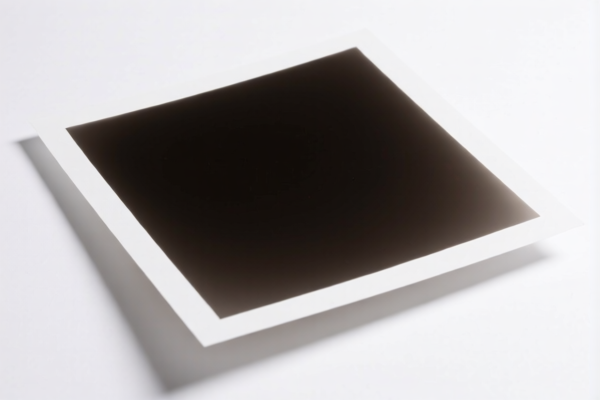
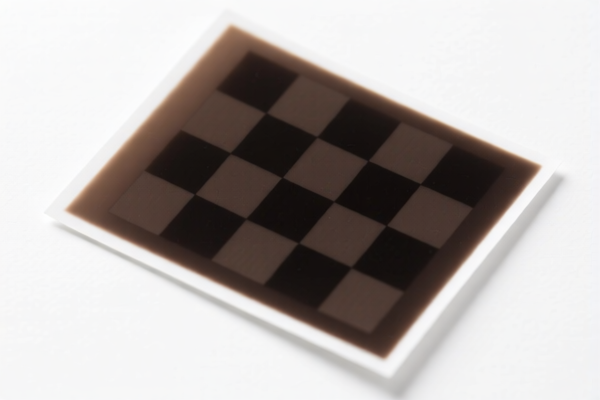
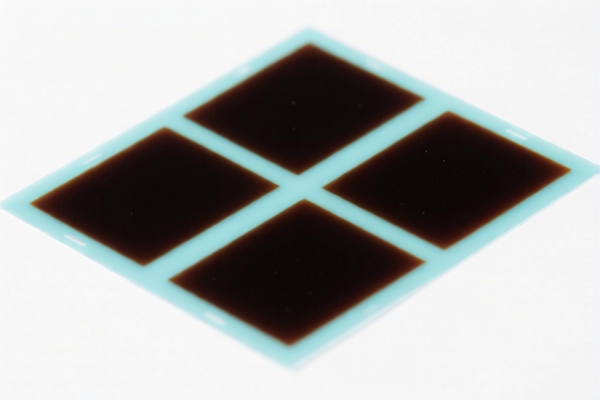
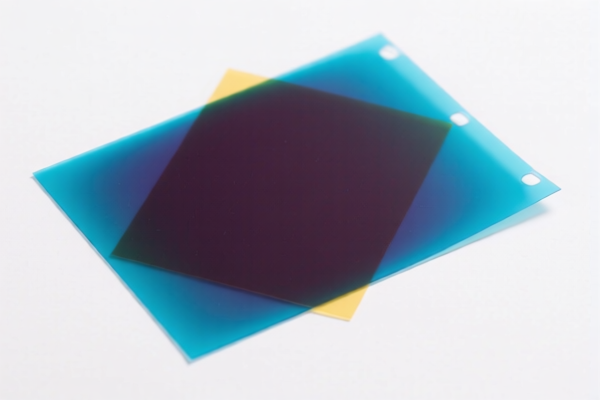
AI Analysis
📸 Photosensitive Paper Printing Material: HS Code Classification & US Customs Clearance Guide
🌐 HS Code Reference & Clearance Strategy | 2026 Latest Tariff Analysis | Professional Transit Solutions
📌 Part 1: Product Definition – What is "Photosensitive Paper"?
Photosensitive paper, often referred to as photographic paper or light-sensitive printing material, is a specialized substrate coated with light-sensitive chemicals (typically silver halides) to capture images upon exposure to light. In international trade, it is primarily classified based on its material composition and specific chemical characteristics.
Two Main Categories:
1. Paper-Based Photosensitive Materials (Class 37):
- Substrates made primarily of paper, coated with silver halide emulsions.
- Includes classic photographic papers, unexposed X-ray films on paper bases, and specialized printing materials.
2. Paper Products for Reproduction/Transfer (Class 48):
- Materials classified as "paper" or "paperboard" that serve functions like carbonless copy paper, transfer paper, or general-purpose imaging substrates.
⚠️ Key Distinction Point:
- If the product is explicitly silver halide-based and used for photographic imaging →归类 to Chapter 37 (Photographic Goods).
- If the product is a general paper product used for copying, transfer, or non-chemical imaging →归类 to Chapter 48 (Paper Products).
📦 Part 2: HS Code Classification Details (2026 Latest Tariff Reference)
| HS Code | Product Description | Applicable Scenario | Tax Rate |
|---|---|---|---|
3703.10.30.60 |
Photosensitive paper, matching silver halide characteristics, falls under photographic paper category. | Classic silver-based photographic prints, high-end imaging materials. | 38.7% |
4816.90.01.00 |
Photosensitive paper, classified as paper material, fits attributes of carbonless copy paper, transfer paper, etc. | General-purpose transfer papers, carbonless copy sheets, non-silver halide imaging papers. | 35.0% |
3703.10.30.90 |
Photosensitive paper, consistent with silver halide material characteristics, default to silver halide paper-based photosensitive materials. | Standard silver halide photographic papers, unexposed photographic materials. | 38.7% |
4816.20.00.00 |
Photosensitive paper, paper-based material, fits attributes of copying, transfer, and image processing papers. | Reproduction papers, thermal-transfer papers (if not specifically silver halide), general imaging substrates. | 35.0% |
3703.90.60.00 |
Photosensitive paper base, paper-based material, shape is photosensitive paper, fits attributes of photographic paper and unexposed photosensitive characteristics. | Raw photographic paper bases, unexposed photo paper rolls. | 37.8% |
3703.10.60.00 |
Photosensitive paper base, consistent with photographic paper and unexposed photosensitive attributes, paper base fits cardboard/paper material requirements. | High-grade unexposed photographic paper bases, premium imaging substrates. | 38.1% |
🔍 Key Reminder:
- Silver Halide-Based Products: If the product explicitly uses silver halide emulsion for image formation, it must be classified under Chapter 37 (3703.xx.xx.xx). These incur higher tariffs due to their specialized nature.
- General Paper-Based Imaging Products: If the product is a standard paper product used for copying, transferring, or non-chemical imaging, it falls under Chapter 48 (4816.xx.xx.xx). These have slightly lower base tariffs but still face significant additional taxes.
💰 Part 3: 2026 Latest Tariff Rate Breakdown (Including Surcharges & Policy Add-ons)
✅ Applicable Country: United States (US)
✅ Country of Origin: China (CN)
✅ Effective Date: November 10, 2025 (for subsequent imports)
🎯 1. 3703.10.30.60 & 3703.10.30.90 – Silver Halide Photosensitive Paper
| Item | Content |
|---|---|
| Base Tariff | 3.7% (ad valorem) |
| USITC Surcharge | +25% (under USITC Footnote 9903.88.01) |
| IEEPA Surcharge | +10% (against Chinese/HK products, effective from Nov 10, 2025) |
| Total Tariff Rate | 38.7% |
| Tax Calculation | CIF Value × 38.7% |
| De Minimis Exemption | ❌ Not Eligible (deny_de_minimis) |
| Legal Basis Path | IEEPA:9903.01.25 → IEEPA:9903.01.24 → USITC:3703.10.30.60/90 → FOOTNOTE:9903.88.01 |
📌 Explanation:
- The 25% USITC surcharge is imposed under Section 301 of the Trade Act for specific Chinese goods.
- The 10% IEEPA surcharge is a additional levy under the International Emergency Economic Powers Act targeting Chinese imports.
- Combined Rate: 38.7%. This is a high tariff category, requiring precise classification to avoid overpayment or compliance risks.
🎯 2. 4816.90.01.00 & 4816.20.00.00 – Paper-Based Transfer/Reproduction Photosensitive Paper
| Item | Content |
|---|---|
| Base Tariff | 0.0% (ad valorem) |
| USITC Surcharge | +25% |
| IEEPA Surcharge | +10% |
| Total Tariff Rate | 35.0% |
| Tax Calculation | CIF Value × 35.0% |
| De Minimis Exemption | ❌ Not Eligible (deny_de_minimis) |
| Legal Basis Path | IEEPA:9903.01.24 → USITC:4816.90.01.00/20.00.00 → FOOTNOTE:9903.88.01 |
📌 Note:
- These codes have a 0% base tariff, but the 35% total rate is still significant.
- Applies to carbonless copy paper, transfer paper, and general-purpose imaging papers that do not fall under the strict "silver halide photographic" definition.
🎯 3. 3703.90.60.00 & 3703.10.60.00 – Photosensitive Paper Base (Unexposed)
| Item | Content |
|---|---|
| Base Tariff | 2.8% / 3.1% (ad valorem) |
| USITC Surcharge | +25% |
| IEEPA Surcharge | +10% |
| Total Tariff Rate | 37.8% / 38.1% |
| Tax Calculation | CIF Value × Rate |
| De Minimis Exemption | ❌ Not Eligible |
| Legal Basis Path | IEEPA:9903.01.24 → USITC:3703.90.60.00/3703.10.60.00 → FOOTNOTE:9903.88.01 |
📌 Note:
- These codes apply to raw, unexposed photographic paper bases before final coating or processing.
- The tariff rate is slightly lower than finished photographic paper but still subject to heavy surcharges.
🛠️ Part 4: Customs Clearance Operational Advice (Practical Pitfall Avoidance Guide)
✅ 1. Required Documentation Checklist (All Mandatory)
| Document | Required? | Description |
|---|---|---|
| ✅ Product Specification Sheet | ✔️ | Must include coating type, silver halide content, base material, dimensions, and weight. |
| ✅ Chemical Composition Analysis | ✔️ | To prove whether it contains silver halides (for Chapter 37) or is general paper (for Chapter 48). |
| ✅ Product Photos (including packaging) | ✔️ | Clear images of the product, label, and packaging to verify "unexposed" status. |
| ✅ Certificate of Origin (CO) | ✔️ | Essential for determining eligibility for trade agreements (though most US tariffs are non-preferential for China). |
| ✅ Commercial Invoice | ✔️ | Must clearly state: "Photosensitive Paper, Unexposed, [Silver Halide/Non-Silver Halide]." |
| ✅ Packing List | ✔️ | Details net/gross weight, number of packages, and item dimensions. |
✅ 2. Classification Strategy (Key Rules)
🔥 "Silver Halide = Ch 37, General Paper = Ch 48, Unexposed Base = Ch 37 Base, All Face ~38% Tariff!"
| Scenario | Correct Classification | Wrong Classification | Consequence |
|---|---|---|---|
| Silver halide photographic paper | 3703.10.30.60 or 3703.10.30.90 |
4816.20.00.00 |
Overpayment (if base tariff was 0%) or Underpayment (if actual rate is higher). |
| Carbonless copy paper / Transfer paper | 4816.90.01.00 or 4816.20.00.00 |
3703.10.30.60 |
Underpayment risk if misclassified as higher-tariff silver halide paper. |
| Unexposed photographic paper base | 3703.90.60.00 or 3703.10.60.00 |
4816.90.01.00 |
Incorrect classification; may lead to delays or penalties. |
| Exposed/Developed Photos | Not allowed under these codes (likely restricted or prohibited) | N/A | Customs Hold / Seizure |
✅ 3. Special Cases Handling
| Scenario | Handling Advice |
|---|---|
| OEM Custom Photosensitive Paper | Provide client order + design specs to prove intended use (e.g., professional photography vs. industrial copying). |
| Mixed Shipment (Paper + Digital Cameras) | Separate declaration. Do not bundle with electronics (8528), as tariff rates differ drastically. |
| Samples vs. Commercial Goods | Samples still face tariffs if value exceeds de minimis thresholds. Declare accurately as "Samples for Testing." |
| Thermal Paper vs. Silver Halide | Thermal paper (no chemicals) may fall under 4816 or 4911. Silver halide must be 3703. Misclassification is a common error. |
🌍 Part 5: Global Market Clearance Comparison (2026 Latest)
| Country/Region | Recommended HS Code | Tariff Rate (China Origin) | Certification Requirements | Notes |
|---|---|---|---|---|
| 🇺🇸 USA | 3703.10.30.60 / 4816.90.01.00 |
35.0% – 38.7% | None specific (but must declare chemical composition) | High tariff due to Section 301 & IEEPA. |
| 🇨🇳 China | 3703.10.30.60 / 4816.90.01.00 |
5% – 10% (Import Duty) | RoHS (if electronic components involved) | Lower tariffs, but subject to anti-dumping duties in some cases. |
| 🇪🇺 EU | 3703.10 / 4816.90 |
5% – 12% | CE Mark (if applicable), REACH Compliance | No Section 301 equivalent; standard MFN rates apply. |
| 🇬🇧 UK | 3703.10 / 4816.90 |
5% – 12% | UKCA Mark | Post-Brexit rules; similar to EU but separate certification. |
| 🇯🇵 Japan | 3703.10 / 4816.90 |
5% – 8% | PSE (if electronic) | Lower tariffs; high standards for chemical safety. |
📌 Conclusion:
- The USA imposes the highest tariffs on photosensitive paper from China due to Section 301 and IEEPA surcharges.
- EU, UK, and Japan have significantly lower tariffs but require strict chemical compliance (REACH, RoHS, PSE).
- Strategy: If targeting the US market, consider supply chain diversification (e.g., production in Vietnam or Thailand) to mitigate tariff impacts.
📌 Part 6: Common Errors & Pitfall Avoidance (Lessons Learned)
❌ Error 1: Classifying silver halide photographic paper under 4816 (Paper Products)
👉 Consequence: Underpayment of duties. The correct rate is ~38.7%, but 4816 might be mistakenly declared at 0% base (though still 35% with surcharges). This leads to audits, fines, and back payments.
❌ Error 2: Declaring exposed photosensitive material as "unexposed"
👉 Consequence: Customs Seizure. Exposed materials may be considered contraband or restricted depending on content. Always declare "Unexposed."
❌ Error 3: Failing to provide chemical composition details
👉 Consequence: Delay in Clearance. CBP may hold the shipment for further analysis, leading to storage fees and demurrage.
❌ Error 4: Not distinguishing between Thermal Paper and Photosensitive Paper
👉 Consequence: Incorrect HS Code. Thermal paper does not contain silver halides and may have different tariff treatments. Misclassification can lead to compliance violations.
✅ Correct Approach:
"Unexposed Silver Halide Photographic Paper, Base Material: Paper, Coating: Silver Halide Emulsion, For Professional Photography Use, Model XYZ, Certified Compliant with US Import Regulations"
🎯 Part 7: Conclusion – Precise Classification Saves Money!
🎯 Remember the Rules:
🔹 "Silver Halide = Ch 37, General Paper = Ch 48, Both Face ~35-38% US Tariff."
🔹 "Unexposed is Key: Never declare exposed materials as unexposed."
🔹 "Documentation is Critical: Chemical specs prevent delays."
📌 Pro Tip:
If your photosensitive paper is originating from Vietnam, Thailand, or Malaysia, you may qualify for lower tariffs or exemptions under US trade policies. Consider supply chain restructuring to mitigate the high US tariffs.
📣 Immediate Action:
📞 Contact a professional customs broker + Provide product specs + Apply for Advance Ruling
🚀 Ensure your photosensitive paper clears customs smoothly, minimizes costs, and meets compliance standards!
✨ Professional Clearance Starts with Accurate Classification!
💼 Every Percent of Tariff Counts!
Customer Reviews
About HS Code Classification
The Harmonized System (HS) is an internationally standardized nomenclature developed by the World Customs Organization (WCO) to classify traded products. Over 200 countries use the HS system as the basis for customs tariffs, trade statistics, and import/export regulations.
Each HS code follows a hierarchical structure:
- Chapter (2 digits) — Broad category of goods (e.g., Chapter 84: Machinery and Mechanical Appliances)
- Heading (4 digits) — More specific grouping within the chapter
- Subheading (6 digits) — Internationally standardized breakdown, used by all WCO member countries
- National subdivisions (8-10 digits) — Country-specific extensions for further classification, such as US HTSUS 10-digit codes
Correct HS code classification is essential for smooth customs clearance, accurate duty payment, and compliance with trade regulations. Misclassification can lead to customs delays, overpayment of duties, or penalties.
When importing from CN to US, the applicable tariff rates may include:
- Most-Favored-Nation (MFN) rate — The standard duty rate applied to WTO members
- General rate — Applied to countries without trade agreements
- Trade remedy duties — Additional tariffs such as Section 301 (anti-dumping), Section 232 (national security), or countervailing duties
The information provided on this page is for reference purposes only. For official classification, please consult with your local customs authority or a licensed customs broker.