Photosensitive Paper Substrate
CN → US| HS Code | Tariff Rate | Origin | Destination | Doc |
|---|---|---|---|---|
| 370490 | 0.0% | CN | US | Official Doc |
| 370400 | 0.0% | CN | US | Official Doc |
| 4810131140 | 35.0% | CN | US | Official Doc |
| 4810141140 | 35.0% | CN | US | Official Doc |
Product Images
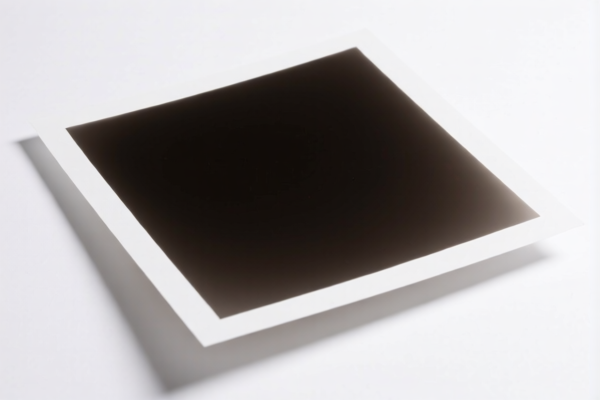
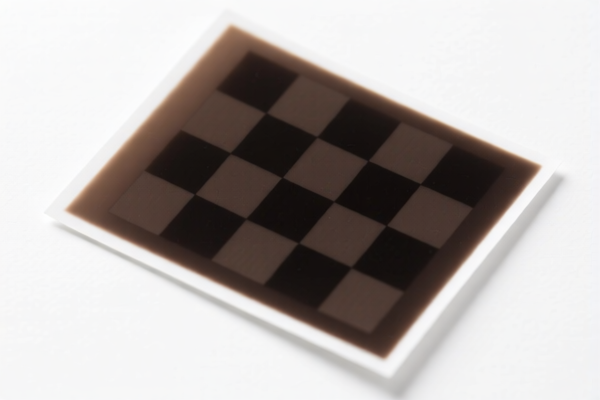
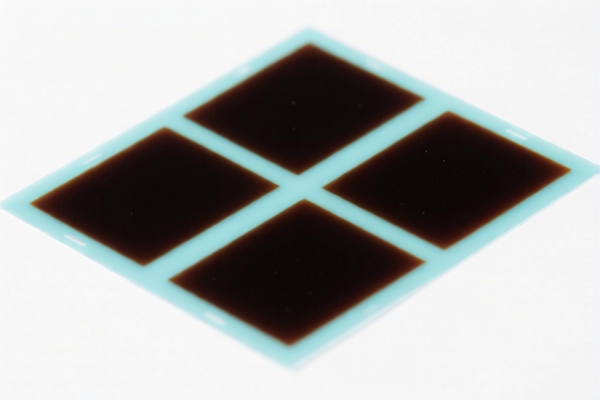
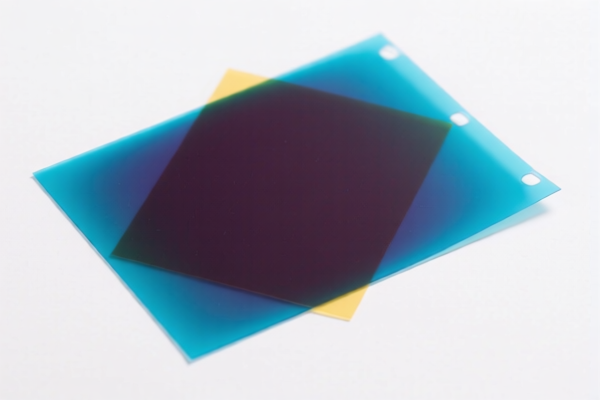
AI Analysis
📸 Photosensitive Paper Substrates (Unsensitized)
🌐 HS Code Reference & Customs Clearance Guide | 2026 Latest Tariff Analysis | Professional Strategy
📌 I. Product Definition & Classification: What Exactly Are We Dealing With?
Photosensitive Paper Substrates refer to the base materials (paper or paperboard) used in photographic or imaging processes. Crucially, these items are NOT YET SENSITIZED. They lack the light-sensitive chemical coatings that define photographic paper. In international trade, the distinction between a "substrate" (raw material) and "sensitized paper" (finished good) is the single most critical factor determining duty rates.
⚠️ Key Distinction Point: - If the paper is coated only with clay/kaolin (for printing/graphic purposes) and has no photographic emulsion → It is generally classified under Chapter 48 (Paper & Paperboard). - If the paper is generic or intended for specific photographic use but not yet sensitized, and does not fit specific coating criteria → It may fall under Chapter 37 (Photographic Goods).
📦 II. HS Code Classification Details (2026 Latest Tariff Authority Comparison)
Based on the provided data, there are four distinct classification paths depending on the specific physical properties (coating, weight, dimensions) and end-use intent.
| HS Code | Product Description | Applicability | Key Characteristics |
|---|---|---|---|
3704.90 |
Photosensitive paper substrates, used in photographic or imaging processes, not yet sensitized, classified under "not elsewhere specified". | General photographic substrates that do not fit specific Chapter 48 descriptions. | Unsensitized. Generic "other" photosensitive materials. |
3704.00 |
Photosensitive paper substrates, including those intended for photographic use, prior to sensitization, falling under the general category of photosensitive materials. | Broad category for unsensitized photographic paper bases. | Unsensitized. General category. |
4810.13.11.40 |
Paper/board coated with kaolin/China clay, for writing/printing/graphic purposes. In rolls >15cm width. Weighing ≤150 g/m². Basic paper to be sensitized for photography. | Specific clay-coated paper base for photography, supplied in rolls. | ✅ Coated: Kaolin/Clay ✅ Form: Rolls ✅ Weight: ≤150 g/m² ✅ Status: Unsensitized base |
4810.14.11.40 |
Paper/board coated with kaolin/China clay. In sheets. One side ≤435mm, other ≤297mm. One side >360mm, other >150mm. Weighing ≤150 g/m². Basic paper to be sensitized for photography. | Specific clay-coated paper base for photography, supplied in sheets (likely A4/Letter size ranges). | ✅ Coated: Kaolin/Clay ✅ Form: Sheets ✅ Size: Specific ranges (e.g., A4) ✅ Weight: ≤150 g/m² ✅ Status: Unsensitized base |
🔍 Critical Insight: - Chapter 37 (3704.x) covers unsensitized substrates broadly. If the specific coating or form doesn't match Chapter 48, you default here. - Chapter 48 (4810.x) covers paper coated with inorganic substances (like clay). If the substrate is clay-coated (common for photographic paper bases to improve gloss/ink holdout) and meets size/weight specs, it falls here. - The "To Be Sensitized" Clause: Both 4810 codes explicitly mention "Basic paper to be sensitized for use in photography." This confirms they are raw materials, not finished photographic paper.
💰 III. 2026 Latest Tariff Rate Details (Including Additional Taxes)
✅ Applicable Region: Implied US/China Trade Context (Based on "Additional Tax" and "Basic Tax" terminology in source data). ✅ Origin: Not explicitly stated, but tax details suggest US import duties (likely from China given the 25% additional tax pattern in
4810.14.11.40).
🎯 1. 3704.90 & 3704.00 – Generic Unsensitized Photosensitive Substrates
| Item | Content |
|---|---|
| Tax Detail | Failed to retrieve tax information |
| Total Tax | Error |
| Interpretation | These codes often require specific product data sheets to determine if they qualify for duty-free status (e.g., under HTS 3704.00.00.60 for certain photographic plates/paper) or if they fall under general merchandise. Do not assume 0%. Manual verification with USITC or CBP is required. |
| Recommendation | Submit detailed spec sheet showing lack of light-sensitive chemicals. |
🎯 2. 4810.13.11.40 – Clay-Coated Paper Base (Rolls, ≤150g/m²)
| Item | Content |
|---|---|
| Basic Tariff | 0.0% |
| Additional Tariff | 0.0% |
| Total Tax | 0.0% |
| Tax Calculation | Duty-Free |
| Legal Basis | Specific provision for clay-coated paper substrates for photographic use in rolls under 150g/m². |
| Note | This is a zero-duty classification. Ideal for bulk roll imports. |
🎯 3. 4810.14.11.40 – Clay-Coated Paper Base (Sheets, ≤150g/m²)
| Item | Content |
|---|---|
| Basic Tariff | 0.0% |
| Additional Tariff | 25.0% |
| Total Tax | 25.0% |
| Tax Calculation | CIF Value × 25% |
| Legal Basis | Likely subject to Section 301 Tariffs (USITC Footnote) due to the additional 25% tax. |
| Note | Despite being a raw material, the form (sheets) and origin trigger the high additional tariff. Costly to import. |
📌 Explanation: - The 0.0% additional tax for rolls (
4810.13...) vs. 25.0% additional tax for sheets (4810.14...) is a critical distinction. - The Basic Tariff is 0% for both, meaning the burden comes entirely from the Additional Tax (likely US Section 301 tariffs on Chinese goods). - Chapter 37 codes (3704.x) have missing data. This is a risk area. If customs determines they are not "paper" but "other photosensitive goods," different rules may apply.
🛠️ IV. Customs Clearance Practical Advice (Battle-Tested Pitfall Avoidance Guide)
✅ 1. Essential Documentation Checklist (Non-Negotiable)
| Document | Mandatory? | Purpose |
|---|---|---|
| ✅ Product Specification Sheet | ✔️ | Must explicitly state: "UNSensitized", "No Photographic Emulsion", "Coating: Kaolin/Clay only" (if applicable). |
| ✅ Chemical Composition Report | ✔️ | Proof that no silver halides or light-sensitive dyes are present. |
| ✅ Product Photos | ✔️ | Show packaging (rolls vs. sheets) and label. |
| ✅ Commercial Invoice | ✔️ | Must clearly describe as "Photosensitive Paper Substrate - Unsensitized - For Photography Use". Do NOT use "Photographic Paper" without "Unsensitized". |
| ✅ Packing List | ✔️ | Specify dimensions and weight per square meter (GSM). Crucial for 4810 classification. |
| ✅ Certificate of Origin | ✔️ | To determine eligibility for tariff exemptions or applicability of additional taxes. |
✅ 2. Declaration Strategy (Key Mnemonic)
🔥 “Clay Coated, Check Size & Form. Rolls Are Free, Sheets Are Sore!”
| Scenario | Correct HS Code | Risk Level | Reason |
|---|---|---|---|
| Rolls, Clay-Coated, ≤150g/m² | 4810.13.11.40 |
🟢 Low | 0% Tax. Easy clearance. |
| Sheets, Clay-Coated, ≤150g/m² | 4810.14.11.40 |
🔴 High | 25% Tax. High cost. |
| Generic Unsensitized Paper | 3704.90 |
🟡 Medium | Tax info missing. Risk of reclassification. |
| Generic Unsensitized Paper (General) | 3704.00 |
🟡 Medium | Tax info missing. Risk of reclassification. |
| SENSITIZED Photographic Paper | Other Codes | 🔴 Very High | Misdeclaration. Heavy penalties. |
✅ 3. Special Case Handling
| Situation | Handling Advice |
|---|---|
| OEM Custom Substrates | Provide detailed specs. If coating is not clay (e.g., polymer), 3704.x may be more appropriate. |
| Mixed Shipments (Rolls + Sheets) | Split Declaration. Declare rolls under 4810.13... and sheets under 4810.14.... Do not mix in one line item to avoid audit flags. |
| Unsensitized but with Other Coatings | If coated with binders or other inorganic substances beyond clay, verify Chapter 48 notes. May fall under 4810.19 or 3704.90. |
| Origin from Vietnam/Mexico | If sheets are from a country with FTAs (e.g., USMCA), the 25% additional tax may be avoided. Verify CO. |
🌍 V. Global Market Comparison (2026 Latest)
| Region | Recommended HS Code | Est. Tariff | Key Certification | Notes |
|---|---|---|---|---|
| 🇺🇸 USA | 4810.13.11.40 (Rolls) |
0% | None specific | Zero duty for rolls. |
| 🇺🇸 USA | 4810.14.11.40 (Sheets) |
25% | None specific | High duty due to Section 301. |
| 🇪🇺 EU | 4810.19 or 3704 |
Varies (0-5%) | CE (if applicable) | EU may view clay-coated paper differently. Check national rules. |
| 🇨🇳 China | 4810.13 or 4810.14 |
0-5% | CCC (if applicable) | Low entry duty. |
| 🇬🇧 UK | 4810.19 |
Varies | UKCA | Post-Brexit rules apply. |
📌 Conclusion: - USA Import from China: Rolls are tax-free; Sheets are taxed 25%. - Strategic Choice: If possible, import rolls and slit/cut to size in the destination country to avoid the 25% tariff.
📌 VI. Common Mistakes & Pitfall Guide (Lessons Learned)
❌ Mistake 1: Declaring as "Photographic Paper" without specifying "Unsensitized" 👉 Consequence: Customs may assume it's sensitized (HS 3703), leading to higher duties and regulatory delays (chemical handling fees).
❌ Mistake 2: Mixing Rolls and Sheets in one Line Item 👉 Consequence: Customs may apply the highest tariff (25%) to the entire shipment, costing thousands in excess duty.
❌ Mistake 3: Ignoring GSM (Grams per Square Meter) 👉 Consequence: If weight >150g/m², it may fall under a different subheading with different tax rates. Ensure specs match.
❌ Mistake 4: Assuming 3704 is always cheaper
👉 Consequence: With missing tax data, you risk underpayment and penalties. If 3704 is determined to be subject to 301 tariffs, you could face 25% + interest.
✅ Correct Practice:
"Photosensitive Paper Substrate, Unsensitized, Clay-Coated, Paper Base, Roll, Width >15cm, Weight 120g/m², HS 4810.13.11.40"
🎯 VII. Conclusion: Professional Declaration, Cost Optimization!
🎯 Remember Mnemonic:
🔹 "Clay Rolls = Free (0%)"
🔹 "Clay Sheets = Sore (25%)"
🔹 "Generic 3704 = Risky (Data Missing)"
🔹 "Always State: UNSensitized!"
📌 Pro Tip: If you are importing sheets from China, consider: 1. Importing Rolls: Convert to sheets locally. 2. Origin Shopping: Source from Vietnam or Malaysia to avoid Section 301 tariffs. 3. Apply for Exclusions: Check if your specific product is eligible for US Trade Representative (USTR) exclusions.
📣 Immediate Action:
📞 Contact Your Customs Broker: Provide the exact GSM, coating type, and form (roll/sheet). 📄 Apply for a Binding Ruling: For
3704items, get a pre-classification ruling to avoid data gaps. 🚀 Optimize Logistics: Choose roll form for US imports to save 25%.
✨ Professional Customs Clearance Starts with Precise Classification! 💼 Your Every Penny Counts, Calculate Accurately!
Customer Reviews
About HS Code Classification
The Harmonized System (HS) is an internationally standardized nomenclature developed by the World Customs Organization (WCO) to classify traded products. Over 200 countries use the HS system as the basis for customs tariffs, trade statistics, and import/export regulations.
Each HS code follows a hierarchical structure:
- Chapter (2 digits) — Broad category of goods (e.g., Chapter 84: Machinery and Mechanical Appliances)
- Heading (4 digits) — More specific grouping within the chapter
- Subheading (6 digits) — Internationally standardized breakdown, used by all WCO member countries
- National subdivisions (8-10 digits) — Country-specific extensions for further classification, such as US HTSUS 10-digit codes
Correct HS code classification is essential for smooth customs clearance, accurate duty payment, and compliance with trade regulations. Misclassification can lead to customs delays, overpayment of duties, or penalties.
When importing from CN to US, the applicable tariff rates may include:
- Most-Favored-Nation (MFN) rate — The standard duty rate applied to WTO members
- General rate — Applied to countries without trade agreements
- Trade remedy duties — Additional tariffs such as Section 301 (anti-dumping), Section 232 (national security), or countervailing duties
The information provided on this page is for reference purposes only. For official classification, please consult with your local customs authority or a licensed customs broker.