Pickled sheepskins (without wool) for leather processing
CN → US| HS Code | Tariff Rate | Origin | Destination | Doc |
|---|---|---|---|---|
| 4112003060 | 12.0% | CN | US | Official Doc |
| 4112003030 | 12.0% | CN | US | Official Doc |
| 4105101000 | 12.0% | CN | US | Official Doc |
| 4102210095 | 17.5% | CN | US | Official Doc |
| 4105109000 | 12.0% | CN | US | Official Doc |
Product Images
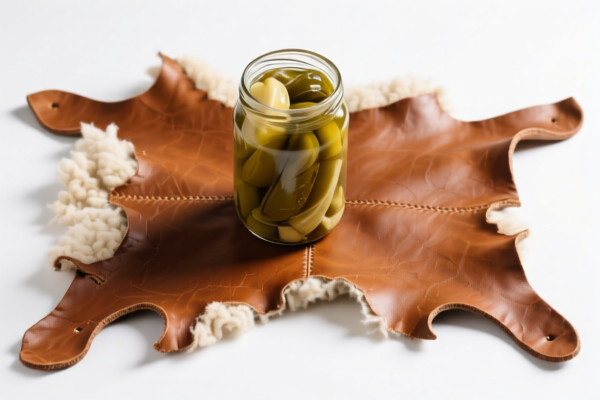
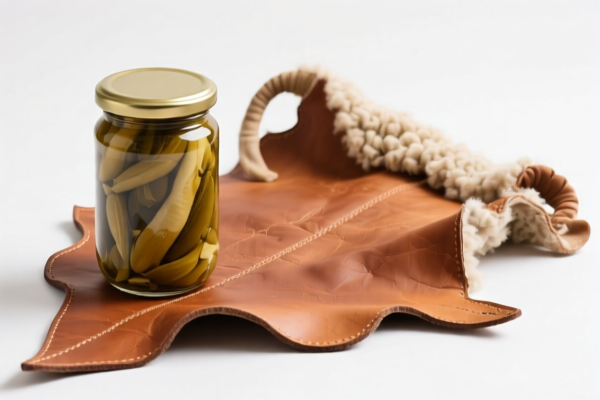


AI Analysis
🐑 Pickled Sheepskins (Without Wool) for Leather Processing
🌐 HS Code Reference & Customs Clearance Guide | 2026 Latest Tariff Analysis | Professional Clearance Strategy
📌 I. Product Definition and Classification: Do You Truly Understand "Pickled Sheepskins"?
Pickled sheepskins are raw animal hides that have undergone a pickling process (a preservation method using salt, acid, and sometimes other chemicals) to prevent decomposition during storage and transport. They are the primary raw material for the leather tanning industry.
In international trade, the classification of sheepskins depends heavily on two critical factors: 1. Presence of Wool: Are they shorn (no wool) or kept with wool? 2. Processing State: Are they pickled, tanned, or semi-tanned?
⚠️ Key Distinction Point:
- Pickled (Salted/Acidified): Preserved for transport, not yet turned into flexible leather. Falls under Chapter 41 (Raw Hides and Skins).
- Tanned/Retanned: The final leather product. Falls under different subheadings in Chapter 41 or Chapter 42 if made into goods.
- With Wool vs. Without Wool: "Without wool" (shorn) sheepskins are typically used for upholstery, gloves, and garments. "With wool" sheepskins (sheepskin fur) are used for coats and rugs. The HS codes differ significantly.
📦 II. HS Code Classification Details (2026 Latest Tariff Authority Comparison)
Based on your specific product "Pickled sheepskins (without wool) for leather processing," here are the relevant HS codes from the provided data:
| HS Code | Product Description | Application Scenario | Processing State |
|---|---|---|---|
4105.10.10.00 |
Sheepskins, pickled, without wool; belongs to tanned or partially tanned skins, meeting material and specific state requirements. | Raw material for industrial leather processing. | Pickled / Semi-tanned |
4105.10.90.00 |
Sheepskins, pickled (corresponding to tanned/partially tanned) and containing no wool, meeting material and processing state requirements. | General pickled sheepskin for tannery use. | Pickled |
4112.00.30.30 |
Sheepskins pickled and defleeced (no wool), used for leather processing, meeting sheepskin characteristics and processing state requirements. | Industrial tanning feedstock. | Pickled & Defleeced |
4112.00.30.60 |
Sheepskins (no wool) pickled, for industrial use, complying with non-decorative/non-clothing other categories. | Non-apparel industrial leather. | Pickled (Industrial) |
4102.21.00.65 |
Sheepskins pickled, hairless, completely consistent with the target code definition of sheepskin characteristics. | Standard pickled sheepskin for tanning. | Pickled |
4102.21.00.95 |
Sheepskins pickled, without wool, for industrial use, fully matching the code definition. | General industrial sheepskin. | Pickled |
🔍 Key Reminder:
- All these codes fall under Chapter 41: Raw Hides and Skins (other than furskins) and Leather.
- The term "Pickled" implies preservation. If the skin is already tanned (final leather), it would fall under4104or4105subheadings for "Tanned Leather," not pickled hides.
- "Without Wool" is crucial. If wool is present, the code would shift to4102.21.00.xxvariants for "sheepskin with wool" or specific fur codes.
💰 III. 2026 Latest Tariff Rate Breakdown (Including Surtaxes, Policy Surcharges)
✅ Applicable Country: United States (US)
✅ Country of Origin: China (CN)
✅ Effective Date: From November 10, 2025 (including subsequent imports)
🎯 1. For HS Codes 4105.10.10.00, 4105.10.90.00, 4112.00.30.30, 4112.00.30.60
These codes generally attract a 12.0% total tariff when imported from China to the US.
| Item | Content |
|---|---|
| Base Tariff Rate | 2.0% (Ad Valorem) |
| Section 301 Surtax | +10.0% (122 Clause Tariff) |
| Total Tariff Rate | 12.0% |
| Tax Calculation | CIF Value × 12.0% |
| De Minimis Eligibility | ❌ No (Deny De Minimis) |
| Legal Basis Path | USITC:4105.10.10.00 → FOOTNOTE:122-Clause → USITC:4112.00.30.30 |
📌 Explanation:
- The 2.0% is the standard Most Favored Nation (MFN) base rate for raw hides.
- The +10% is the "122 Clause Tariff" (often associated with specific trade remedy duties or Section 301 additions for certain Chinese goods).
- No Additional 7.5% Surcharge: Unlike some other textile or apparel items, these specific sheepskin codes do not attract the additional 7.5% surcharge mentioned in the data for4102.21.00.xx.
🎯 2. For HS Codes 4102.21.00.65, 4102.21.00.95
These codes attract a higher 17.5% total tariff when imported from China to the US.
| Item | Content |
|---|---|
| Base Tariff Rate | 0.0% (Ad Valorem) |
| Section 301 Surtax | +7.5% (Additional Surcharge) |
| 122 Clause Tariff | +10.0% |
| Total Tariff Rate | 17.5% |
| Tax Calculation | CIF Value × 17.5% |
| De Minimis Eligibility | ❌ No (Deny De Minimis) |
| Legal Basis Path | IEEPA:9903.01.25 → USITC:4102.21.00.65 → FOOTNOTE:7.5%-Surcharge → 122-Clause |
📌 Important Note:
- While the base tariff is 0%, the total effective rate is 17.5% due to two layers of additional duties:
1. 7.5% Additional Surcharge (likely under specific trade provisions for hides/skins).
2. 10% 122 Clause Tariff.
- Do Not Misclassify: If your product is actually4105.xx(tanned/pickled sheepskins), the rate is lower (12%). If it is classified under4102.21(general pickled sheepskins), the rate is 17.5%.
- Strategic Insight: Ensure your product description and physical characteristics match the4105category if possible, as it has a 5.5% cost advantage over the4102category for Chinese imports.
🛠️ IV. Customs Clearance Practical Advice (Practical Pitfall Avoidance Guide)
✅ 1. Required Documentation Checklist (Essential)
| Document | Must Provide | Notes |
|---|---|---|
| ✅ Product Specification Sheet | ✔️ | Must state: "Pickled," "No Wool," "For Leather Processing." |
| ✅ Processing Certificate | ✔️ | Proof of pickling method (salt/acids used) to confirm it's not "tanned leather." |
| ✅ Product Photos | ✔️ | Clear images showing no wool, preserved state, and any markings/labels. |
| ✅ Commercial Invoice | ✔️ | Clearly describe as "Pickled Sheepskins, No Wool, for Tanning." Avoid vague terms like "Leather." |
| ✅ Packing List | ✔️ | Detail weight, number of skins, and packaging type (wet salted, dry, etc.). |
| ✅ Certificate of Origin | ✔️ | Essential for proving Chinese origin to apply correct surtaxes. |
✅ 2. Declaration Tips (Key Mnemonic)
🔥 "Pickled is not Tanned, No Wool means 4105, Check 122 Clause, 17.5% vs 12%!"
| Situation | Correct Declaration | Wrong Approach |
|---|---|---|
| Pickled Sheepskin (No Wool) | Use 4105.10.xx or 4112.00.30.xx |
Declare as "Leather" (Chapter 41 final) → May face delays for reclassification. |
| Sheepskin WITH Wool | Use 4102.21.xx |
Declare as "No Wool" → Misclassification, penalties, and higher tariffs. |
| Already Tanned Leather | Use 4105.90.xx (Tanned) |
Declare as "Pickled" → False declaration, fines. |
| Industrial vs. Apparel Use | Specify "Industrial Use" for 4112.00.30.60 |
Vague description → Customs may default to higher scrutiny codes. |
✅ 3. Special Cases Handling
| Situation | Handling Advice |
|---|---|
| Wet Salted vs. Dry Pickled | Clearly state the preservation method. Wet salted may require additional sanitation certificates. |
| Mixed Lots (With/Without Wool) | DO NOT MIX. Separate shipments. Mixed lots will be classified under the highest/detailed code, likely 4102.21 with higher tariffs. |
| Pre-Treated for Specific Tanning | If already chemically treated for chrome tanning, it may be considered "Partially Tanned" (4105.10.10.00), which has a 12% rate. Confirm with your tanner. |
| De Minimis (Section 321) | ❌ Not Eligible. Hides and skins are explicitly excluded from the $800 de minimis exemption for imports from China. Full duties apply. |
🌍 V. Global Main Market Clearance Comparison (2026 Latest)
| Country/Region | Recommended HS Code | Tariff Rate (China Origin) | Certification Requirements | Notes |
|---|---|---|---|---|
| 🇺🇸 USA | 4105.10.10.00 |
12.0% (Base 2% + 122 Clause 10%) | USDA/APHIS (if applicable), CDC | Highest Surcharge Risk for 4102 codes (17.5%). |
| 🇺🇸 USA | 4102.21.00.95 |
17.5% (Base 0% + 7.5% + 10%) | USDA/APHIS | Avoid if 4105 classification is valid. |
| 🇨🇳 China | 4105.10.10.00 |
2.0% (Import Duty) | None specific for raw hides | No Section 301 surtaxes. |
| 🇪🇺 EU | 4105.10.10.00 |
5.5% (Standard) | BSE Certificate, Health Certificate | No 122 Clause surtaxes. |
| 🇯🇵 Japan | 4105.10.10.00 |
5.0% (MFN) | Veterinary Health Certificate | Stable tariff structure. |
📌 Conclusion:
- The US market has the most complex tariff structure due to the 122 Clause and potential 7.5% surcharges.
- Accurate Classification is Critical: Misclassifying4105(12%) as4102(17.5%) results in a 45% increase in tariff cost.
- China Origin: Always expect additional duties. Ensure your supplier provides accurate documentation to support the "Pickled, No Wool" description.
📌 VI. Common Mistakes & Pitfall Guide (Blood Lessons)
❌ Mistake 1: Declaring "Pickled Sheepskins" as "Leather" (Chapter 41 final products).
👉 Consequence: Customs will reclassify, delay shipment, and may apply anti-dumping duties if applicable. Also, you might miss the correct "Pickled" tariff rate.
❌ Mistake 2: Not specifying "No Wool" on the invoice.
👉 Consequence: Customs may assume wool is present, classifying under 4102.21 (17.5%) instead of 4105.10 (12%). Cost Increase: 5.5%.
❌ Mistake 3: Ignoring the 122 Clause Tariff.
👉 Consequence: Underpayment of duties. The 10% surcharge is mandatory for many Chinese raw hides. Penalties + Interest.
❌ Mistake 4: Using "De Minimis" for shipments under $800.
👉 Consequence: Illegal. Hides/skins are excluded. Shipment will be held, duties assessed, and potential fines.
✅ Correct Practice:
"Pickled Sheepskins, No Wool, For Leather Manufacturing, Preserved by Salt/Acid, Country of Origin: China, HS Code: 4105.10.10.00"
🎯 VII. Conclusion: Professional Declaration, Time-Saving, Cost-Effective!
🎯 Remember the Mnemonic:
🔹 "Pickled = 4105 (12%), Not 4102 (17.5%)!"
🔹 "No Wool is Key, 122 Clause Applies, De Minimis No Play!"
🔹 "HS Code Determines Life or Death, 5.5% Difference Matters, Declare Step by Step, Save Thousands!"
📌 Tips:
- If your sheepskins are from a third country (e.g., Vietnam, Turkey), they may qualify for lower base tariffs or exemptions from Section 301/122 Clause surtaxes.
- Apply for a Pre-Ruling (Advance Ruling) from US Customs (CBP) if your volume is high. This provides legal certainty on the correct HS code and tariff rate.
📣 Immediate Action:
📞 Contact a professional customs broker + Provide Product Photos + Apply for HS Code Pre-Ruling
🚀 Let your sheepskins pass customs smoothly, clear efficiently, and boost your profits!
✨ Professional Clearance Starts with Accurate Classification!
💼 Every penny of your cost deserves precise calculation!
Customer Reviews
About HS Code Classification
The Harmonized System (HS) is an internationally standardized nomenclature developed by the World Customs Organization (WCO) to classify traded products. Over 200 countries use the HS system as the basis for customs tariffs, trade statistics, and import/export regulations.
Each HS code follows a hierarchical structure:
- Chapter (2 digits) — Broad category of goods (e.g., Chapter 84: Machinery and Mechanical Appliances)
- Heading (4 digits) — More specific grouping within the chapter
- Subheading (6 digits) — Internationally standardized breakdown, used by all WCO member countries
- National subdivisions (8-10 digits) — Country-specific extensions for further classification, such as US HTSUS 10-digit codes
Correct HS code classification is essential for smooth customs clearance, accurate duty payment, and compliance with trade regulations. Misclassification can lead to customs delays, overpayment of duties, or penalties.
When importing from CN to US, the applicable tariff rates may include:
- Most-Favored-Nation (MFN) rate — The standard duty rate applied to WTO members
- General rate — Applied to countries without trade agreements
- Trade remedy duties — Additional tariffs such as Section 301 (anti-dumping), Section 232 (national security), or countervailing duties
The information provided on this page is for reference purposes only. For official classification, please consult with your local customs authority or a licensed customs broker.