Picture Pins
CN → US| HS Code | Tariff Rate | Origin | Destination | Doc |
|---|---|---|---|---|
| 7113195091 | 23.0% | CN | US | Official Doc |
| 7117909000 | 28.5% | CN | US | Official Doc |
| 7113195095 | 23.0% | CN | US | Official Doc |
Product Images
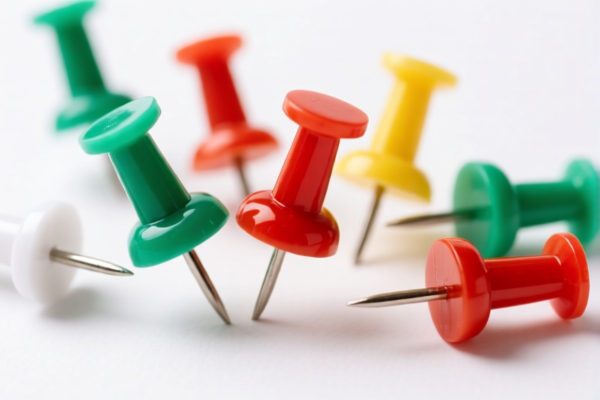
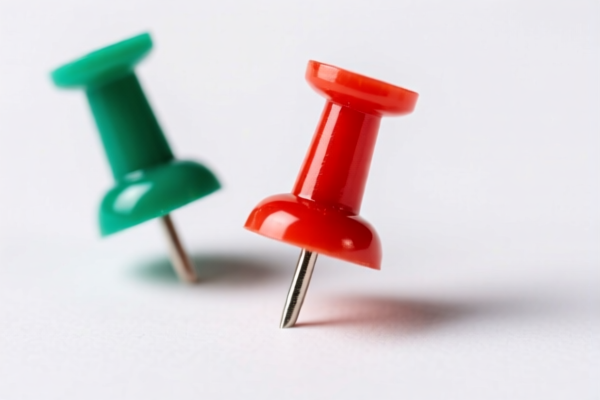
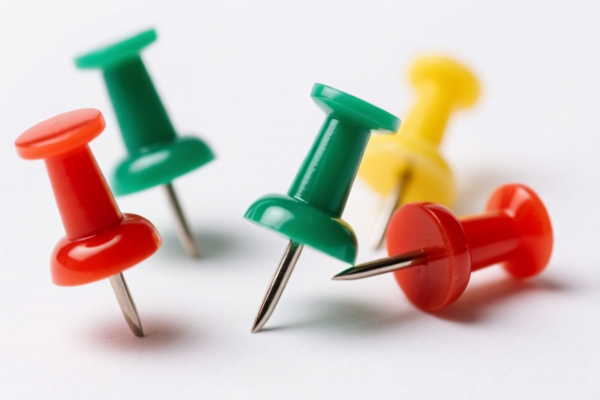
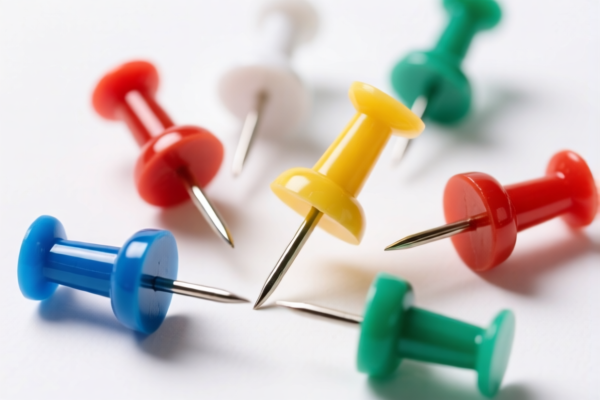
AI Analysis
📌 Pin Badges (Picture Pins / Brooches)
🌐 HS Code Reference & Customs Clearance Guide | 2026 Latest Tariff Analysis | Professional Strategy
📌 1. Product Definition: What are "Picture Pins"?
Picture Pins, often referred to as Brooches or Lapel Pins, are decorative articles worn primarily for ornamentation. In international trade, their classification depends heavily on the material composition and functional attribute.
There are two primary pathways for classification: * Path A: Precious Metal Jewelry – If the pin is made of precious metals (e.g., gold, silver, platinum) or precious stones, it falls under Chapter 71 (Precious Stones/Metals). * Path B: Imitation Jewelry – If the pin is made of base metals, plastic, glass, or other non-precious materials, it falls under "Imitation Jewelry" in Chapter 71.
⚠️ Key Distinction Point:
- If the item contains precious metal content and is used as jewelry →归类 to 7113 (Jewelry of Precious Metal).
- If the item is non-precious (e.g., alloy, zinc, plastic base with enamel) →归类 to 7117 (Imitation Jewelry).
📦 2. HS Code Classification Details (2026 Latest Tariff Alignment)
Based on the provided data, here are the specific HS Codes and their corresponding tax implications.
| HS Code | Product Description | Applicable Scenario | Material Attribute |
|---|---|---|---|
| 7113.19.50.91 | Gold Jewelry (Non-Chain) | Gold brooches, lapel pins, or decorative pins that are not chains/necklaces. | ✅ Precious Metal (Gold) |
| 7113.19.50.95 | Other Precious Metal Jewelry | Pins made of other precious metals (e.g., silver, platinum) not specifically listed elsewhere. | ✅ Precious Metal (Other) |
| 7117.90.90.00 | Imitation Jewelry | Pins made of base metals, alloy, plastic, or mixed materials without precious metal value. | ❌ Non-Precious |
🔍 Critical Reminder:
- 7113.19.50.91: Specifically for Gold jewelry forms (non-chain).
- 7113.19.50.95: A "catch-all" for other precious metals (e.g., Silver, Platinum) in jewelry form.
- 7117.90.90.00: Used when the item is classified as imitation (e.g., metal alloy base, enamel, glass beads). This is the most common category for standard "picture pins" or promotional lapel pins.
💰 3. Detailed Tariff Rates Explanation (Import to USA from China)
✅ Target Market: United States (US)
✅ Origin: China (CN)
✅ Effective Date: Current rates apply (Subject to 122 Clauses & Section 301)
🎯 1. 7113.19.50.91 & 7113.19.50.95 —— Precious Metal Jewelry
| Item | Details |
|---|---|
| Base Tariff | 5.5% (Standard MFN Rate for Chapter 71 Jewelry) |
| Additional Tariff (Section 301) | +7.5% (List 4A / Ongoing Trade War Tariff) |
| Section 122 Tariff | +10% (Specific clause for certain jewelry items) |
| Total Tax Rate | 23.0% |
| Tax Calculation | CIF Value × 23% |
| Legal Basis | Base Tariff (5.5%) + Section 301 (7.5%) + Section 122 (10%) |
📌 Explanation:
- Even for precious metals, US additional tariffs still apply.
- The 122 Clause adds a flat 10% on specific jewelry items.
- Total Liability: 23%. This is high for low-margin jewelry.
🎯 2. 7117.90.90.00 —— Imitation Jewelry
| Item | Details |
|---|---|
| Base Tariff | 11.0% (Standard Rate for Imitation Jewelry) |
| Additional Tariff (Section 301) | +7.5% (List 4A / Ongoing Trade War Tariff) |
| Section 122 Tariff | +10% (Specific clause for certain jewelry items) |
| Total Tax Rate | 28.5% |
| Tax Calculation | CIF Value × 28.5% |
| Legal Basis | Base Tariff (11.0%) + Section 301 (7.5%) + Section 122 (10%) |
📌 Explanation:
- Base tariff is higher than precious metal (11% vs 5.5%) because imitation jewelry is considered less specialized.
- Total Liability: 28.5%.
- Crucial Note: This is the most common code for promotional pins, enamel pins, and alloy badges.
🛠️ 4. Customs Clearance Practical Advice
✅ 1. Documentation Checklist (Must-Have)
| Document | Required | Notes |
|---|---|---|
| Product Description | ✔️ | Must clearly state "Pin/Brooch" and material (e.g., "Zinc Alloy Enamel Pin"). |
| Material Declaration | ✔️ | Critical to distinguish between Precious Metal (7113) vs. Imitation (7117). |
| Photos | ✔️ | Show front/back, clasp mechanism, and any hallmarks. |
| Commercial Invoice | ✔️ | Declare accurate CIF value. |
| Origin Certificate | ✔️ | If applicable for other markets, but for US, origin confirms Section 301 applicability. |
✅ 2. Classification Strategy (Avoid Misclassification)
| Scenario | Correct HS Code | Reason |
|---|---|---|
| Gold Plated Pin | 7117.90.90.00 | If the base is not solid gold (e.g., base metal plated), it is Imitation Jewelry, not Precious Metal Jewelry. |
| Solid Gold Pin | 7113.19.50.91 | Must be solid gold to qualify for the lower base rate (5.5%). |
| Silver Pin | 7113.19.50.95 | Silver is a precious metal but falls under "other" subheadings. |
| Plastic/Resin Pin | 7117.90.90.00 | Classified as imitation jewelry if designed as an accessory. |
⚠️ Warning:
Do NOT classify a base-metal enamel pin as7113. Customs will reclassify it as7117, leading to back taxes + penalties.
Base rate difference: 11% (Imitation) vs 5.5% (Precious).
✅ 3. Cost Optimization Tips
- Material Verification: Ensure your supplier provides a material composition report. If you claim
7113, you must prove precious metal content. - Duty Drawback: If you import and immediately re-export, consider Duty Drawback programs to recover the 23%-28.5%.
- De Minimis Threshold:
- ❌ NOT ELIGIBLE for de minimis (Section 321) if value > $800.
- ❌ Section 301 & 122 Tariffs APPLY even under de minimis for China-origin goods in many cases. Check latest CBP enforcement on jewelry.
🌍 5. Global Market Comparison (2026)
| Country | HS Code | Base Rate | Additional Tariffs | Total Est. Rate | Notes |
|---|---|---|---|---|---|
| 🇺🇸 USA | 7117.90.90.00 | 11.0% | 7.5% (301) + 10% (122) | 28.5% | Highest burden. |
| 🇺🇸 USA | 7113.19.50.91 | 5.5% | 7.5% (301) + 10% (122) | 23.0% | For solid precious metals. |
| 🇪🇺 EU | 7117.90.90 | 4.5% | 0% | 4.5% | No Section 301 equivalent. |
| 🇨🇳 China | 7117.90.90 | 12.0% | 0% | 12.0% | Import to China is higher. |
📌 Conclusion:
- The USA is the most expensive market for Chinese-origin pins due to Section 301 + Section 122叠加.
- For imitation jewelry (7117), the total tax is 28.5%.
- For precious metal jewelry (7113), the total tax is 23.0%.
📌 6. Common Mistakes & Pitfalls
❌ Mistake 1: Calling all "Gold-Painted" items "Gold Jewelry"
👉 Result: Customs reclassifies to 7117 → Higher Tax (28.5%) + Penalties.
❌ Mistake 2: Ignoring Section 122 Tariff
👉 Result: Under-declaring tax by 10% → Audit Risk.
❌ Mistake 3: Confusing "Brooch" with "Fastener"
👉 Result: If purely functional (e.g., magnetic clasp), it might fall under 8308 (Class/Buttons), but decorative pins are 7113/7117.
✅ Correct Declaration Example:
"Enamel Lapel Pin, Zinc Alloy Base, Gold Plated, Decorative Accessory, Model XYZ, 1.5 inches."
HS Code:7117.90.90.00
🎯 7. Final Recommendation
- For Standard Promotional Pins: Use
7117.90.90.00. Budget for 28.5% total tax. - For High-End Solid Gold/Silver Pins: Use
7113.19.50.91or7113.19.50.95. Budget for 23.0% total tax. - Documentation: Always provide material proof. Misclassification of imitation as precious metal is a common customs red flag.
🚀 Action Item:
- Verify material composition with your supplier.
- Apply for Advance Ruling if unsure about material classification.
- Factor in 28.5% for standard pins or 23.0% for precious metals in your pricing model.
✨ Accurate Classification = Predictable Costs
💼 Don't let Customs reclassify your pin and double your tax bill!
Customer Reviews
About HS Code Classification
The Harmonized System (HS) is an internationally standardized nomenclature developed by the World Customs Organization (WCO) to classify traded products. Over 200 countries use the HS system as the basis for customs tariffs, trade statistics, and import/export regulations.
Each HS code follows a hierarchical structure:
- Chapter (2 digits) — Broad category of goods (e.g., Chapter 84: Machinery and Mechanical Appliances)
- Heading (4 digits) — More specific grouping within the chapter
- Subheading (6 digits) — Internationally standardized breakdown, used by all WCO member countries
- National subdivisions (8-10 digits) — Country-specific extensions for further classification, such as US HTSUS 10-digit codes
Correct HS code classification is essential for smooth customs clearance, accurate duty payment, and compliance with trade regulations. Misclassification can lead to customs delays, overpayment of duties, or penalties.
When importing from CN to US, the applicable tariff rates may include:
- Most-Favored-Nation (MFN) rate — The standard duty rate applied to WTO members
- General rate — Applied to countries without trade agreements
- Trade remedy duties — Additional tariffs such as Section 301 (anti-dumping), Section 232 (national security), or countervailing duties
The information provided on this page is for reference purposes only. For official classification, please consult with your local customs authority or a licensed customs broker.