Pig Drinker
CN → US| HS Code | Tariff Rate | Origin | Destination | Doc |
|---|---|---|---|---|
| 7326908688 | 87.9% | CN | US | Official Doc |
| 7326190080 | 87.9% | CN | US | Official Doc |
| 8436800090 | 35.0% | CN | US | Official Doc |
| 8436800040 | 35.0% | CN | US | Official Doc |
Product Images
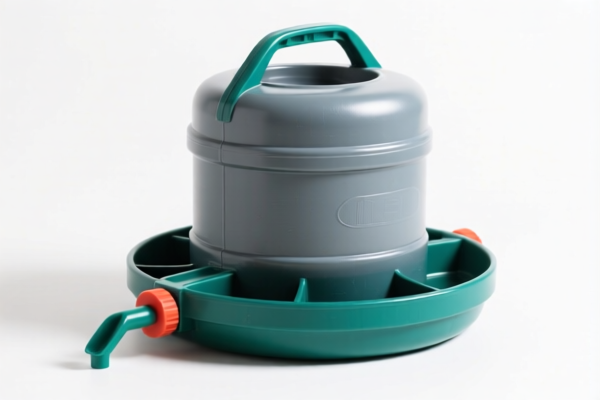
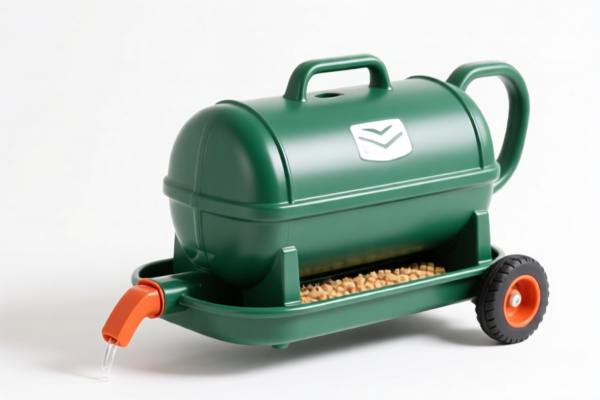


AI Analysis
🐖 Pig Drinker (Animal Husbandry Equipment)
🌐 HS Code Reference & Customs Clearance Guide | 2026 Latest Tariff Analysis | Professional Clearance Strategy
📌 I. Product Definition & Classification: What Exactly is a "Pig Drinker"?
A Pig Drinker (also known as an automatic livestock waterer or nipple drinker) is a specialized device designed for agricultural and animal husbandry use, primarily to provide water to pigs in a controlled manner. In international trade, its classification depends heavily on its material composition and functional mechanism.
It is generally categorized into two main types:
1. Mechanical/Hardware Components (Metal Pipes & Fittings):
- Made of steel, iron, or brass.
- Function: Acts as a plumbing fixture or part of a larger irrigation/hydration system.
- Classification Focus: Material-based (Chapter 73).
2. Agricultural Machinery/Equipment:
- May include complex valves, sensors, or integrated reservoirs.
- Function: Specifically designed for animal husbandry machines.
- Classification Focus: Function-based (Chapter 84).
⚠️ Key Distinction Point:
- If it is a simple metal pipe/nipple without complex mechanical aggregation → Classified under Chapter 73 (Iron/Steel Articles).
- If it is considered part of a complete machine or mechanism for animal husbandry → Classified under Chapter 84 (Machinery).
📦 II. HS Code Classification Details (2026 Latest Tariff Authority Comparison)
Based on the provided data, here are the four specific HS Codes applicable to Pig Drinkers, along with their descriptions and tax implications.
| HS Code | Product Description | Application Scenario | Tax Rate (Total) | Key Characteristic |
|---|---|---|---|---|
7326.90.86.88 |
Pig drinker, inferred material: Iron/Steel, classified under other articles of iron/steel. | Simple metal fixtures, standard steel nipples. | 87.9% | Material-based classification (Iron/Steel). |
7326.19.00.80 |
Pig drinker, made of iron/steel, classified as other metal articles after forging/stamping. | Stamped metal parts, basic structural components. | 87.9% | Material-based classification (Forged/Stamped). |
8436.80.00.90 |
Pig drinker, classified under other machinery categories for agriculture/animal husbandry. | Complex drinkers with valves/mechanisms. | 35.0% | Function-based classification (Machinery). |
8436.80.00.40 |
Pig drinker, classified as barn/yard machinery for livestock use. | Specific livestock hydration systems. | 35.0% | Function-based classification (Livestock Machinery). |
🔍 Critical Reminder:
- Material vs. Function: If the product is primarily judged as a "metal article" (like a pipe or nipple), it falls under 7326 with a high tariff (87.9%).
- If it can be argued as "machinery" or "part of a machine" for animal husbandry, it may fall under 8436 with a significantly lower tariff (35.0%).
- Strategic Implication: Choosing the correct HS Code can result in a 52.9% difference in tax burden!
💰 III. 2026 Latest Tariff Rate Breakdown (Including Surtaxes & Policy Add-ons)
✅ Applicable Country: United States (US)
✅ Origin: China (CN)
✅ Effective Time: Current tariffs apply (Section 301 & IEEPA measures in effect)
🎯 1. 7326.90.86.88 & 7326.19.00.80 —— Metal Articles (Iron/Steel)
| Item | Content |
|---|---|
| Base Tariff | 2.9% (ad valorem) |
| Section 301 Surtax | +25.0% (Standard Section 301 tariff on Chinese goods) |
| Section 122/IEEPA Surtax | +50.0% (Specific surtax for Steel, Aluminum, Copper products under Section 232/IEEPA) |
| Total Tariff Rate | 87.9% |
| Tax Calculation | CIF Value × 87.9% |
| De Minimis Exemption | ❌ Not Eligible (High tariffs usually bypass de minimis thresholds for commercial shipments) |
| Legal Basis Path | HTSUS:7326.90.86.88 → Section 301: Footnote 9903.88.01 → Section 232/IEEPA: Steel Surtax |
📌 Explanation:
- The 87.9% rate is extremely high due to the combination of base tariffs, Section 301 (25%), and the specific Steel/Aluminum surtax (50%).
- This classification treats the Pig Drinker purely as a metal commodity, ignoring its functional purpose as agricultural equipment.
- Risk: High cost impact on margins.
🎯 2. 8436.80.00.90 & 8436.80.00.40 —— Agricultural/Livestock Machinery
| Item | Content |
|---|---|
| Base Tariff | 0.0% (Most agricultural machinery has low base rates) |
| Section 301 Surtax | +25.0% (Standard Section 301 tariff on Chinese goods) |
| Section 122/IEEPA Surtax | +10.0% (General IEEPA surtax for certain Chinese imports, but NOT the 50% steel surtax) |
| Total Tariff Rate | 35.0% |
| Tax Calculation | CIF Value × 35.0% |
| De Minimis Exemption | ❌ Not Eligible (Commercial imports generally subject to full duties) |
| Legal Basis Path | HTSUS:8436.80.00.90 → Section 301: Footnote 9903.88.01 → IEEPA: General Surtax |
📌 Explanation:
- The 35.0% rate is significantly lower because it avoids the 50% Steel Surtax.
- It is classified as Machinery rather than a raw metal article.
- Savings: Potential savings of 52.9% in total tax compared to the 7326 classification.
🛠️ IV. Customs Clearance Practical Advice (Battle-Tested Pitfall Guide)
✅ 1. Preparation Checklist (Non-negotiable)
| Document | Required | Explanation |
|---|---|---|
| ✅ Product Specification Sheet | ✔️ | Must detail: Material (Iron/Steel/Brass), Function (Automatic/Manual), Intended Use (Pig Farm). |
| ✅ Structural Diagrams/Photos | ✔️ | Show if it’s a simple nipple vs. a complex valve assembly. |
| ✅ Commercial Invoice | ✔️ | Clearly state: "Pig Drinking Valve for Agricultural Machinery" or "Steel Waterer Nipple". |
| ✅ Bill of Lading | ✔️ | Ensure packaging details match the invoice. |
| ✅ Origin Certificate (CO) | ✔️ | If applicable for any preferential treatments (though unlikely for China-US currently). |
✅ 2. Declaration Strategy (Key Mnemonics)
🔥 "Machinery Saves Money, Metal Costs More! Choose Function, Not Just Material!"
| Scenario | Recommended HS Code | Expected Tax | Risk of Audit |
|---|---|---|---|
| Simple Steel Nipple/Pipe | 7326.19.00.80 or 7326.90.86.88 |
87.9% | Low (Material is obvious) |
| Complex Valve/System | 8436.80.00.90 or 8436.80.00.40 |
35.0% | Medium (Need to prove "Machinery" status) |
| Mixed Shipment | Declare separately by type | Varies | High (Misdeclaration risk) |
📌 Strategy:
- If your Pig Drinker has moving parts, valves, sensors, or is sold as part of a system, argue for HS 8436.
- If it is a static metal piece (like a simple cup or pipe), you may be forced into HS 7326.
- Documentation is Key: Provide evidence that the product is designed for animal husbandry machinery to support the 8436 classification.
✅ 3. Special Handling & Precautions
| Situation | Advice |
|---|---|
| OEM/Private Label | Ensure the invoice describes the function clearly. Use terms like "Automatic Livestock Hydration Component" instead of just "Steel Fitting". |
| Material Composition | If the product is >90% steel, customs may aggressively apply the 50% Steel Surtax under 7326. Try to demonstrate it’s a "machine part" (8436) to avoid this. |
| Pre-Ruling Application | 💡 Strongly Recommended: Apply for a Customs Ruling from CBP (U.S. Customs and Border Protection) before shipping. This provides legal certainty on the HS Code and tax rate. |
| De Minimis (Section 321) | ❌ Warning: With tariffs above 20%, de minimis exemptions are often revoked or scrutinized. Do not rely on $800 de minimis for these goods if they are commercially significant. |
🌍 V. Global Market Comparison (2026 Insight)
| Region | Recommended HS Code | Est. Tariff (China Origin) | Notes |
|---|---|---|---|
| 🇺🇸 USA | 8436.80.00.90 (Preferred) |
35.0% | Avoid 7326 (87.9%) unless necessary. |
| 🇨🇳 China | 8436.80.00.90 |
~0-5% (Import Duty) | VAT applies (13%). Lower barrier to entry. |
| 🇪🇺 EU | 8436.80 |
~2.7% | No US-style surtaxes, but strict CE/Animal Health standards. |
| 🇦🇺 Australia | 8436.80 |
~5% | Free Trade Agreement (ChAFTA) may offer 0% if rules of origin met. |
📌 Conclusion:
- The USA market is the most challenging due to Section 301 and Section 232 tariffs.
- Correct Classification is Critical: A misclassification from 8436 to 7326 increases tax by $52,900 per $100,000 of value.
📌 VI. Common Mistakes & Pitfalls (Lessons Learned)
❌ Mistake 1: Declaring as "Steel Pipe" (7326) when it’s a functional valve.
👉 Consequence: Pay 87.9% tax instead of 35.0%. Lose 52.9% margin.
❌ Mistake 2: Using vague descriptions like "Farm Accessories".
👉 Consequence: Customs may self-classify as steel articles → Highest tariff + Penalties.
❌ Mistake 3: Ignoring the 50% Steel Surtax for Chapter 73 goods.
👉 Consequence: Budgeting based on 28% tax, but actual bill is 88%. Cash flow crisis.
✅ Correct Approach:
"Automatic Pig Nipple Drinker, Stainless Steel Valve Assembly for Livestock Hydration Systems, Model PD-100."
🎯 VII. Conclusion: Professional Declaration, Save Cost, Ensure Compliance!
🎯 Remember the Golden Rules:
🔹 "Function Over Material: 35% vs 88% is a huge gap!"
🔹 "Document the 'Why': Prove it's machinery, not just metal."
🔹 "Get a Ruling: Don't guess, confirm with CBP."
📌 Pro Tip:
If your Pig Drinkers are stainless steel or contain non-ferrous metals (e.g., brass valves), re-evaluate if they still fall under the 50% Steel Surtax. Some non-ferrous parts may qualify for different classifications.
📣 Immediate Action:
📞 Consult a Licensed Customs Broker to review your product samples.
📄 Request a Pre-Ruling from CBP to lock in the 35.0% rate if possible.
🚀 Optimize Supply Chain: High tariffs may incentivize sourcing from Vietnam or Mexico for the US market (check FTAs).
✨ Professional Customs Clearance Starts with Precise Classification!
💼 Every percentage point saved is pure profit!
Customer Reviews
About HS Code Classification
The Harmonized System (HS) is an internationally standardized nomenclature developed by the World Customs Organization (WCO) to classify traded products. Over 200 countries use the HS system as the basis for customs tariffs, trade statistics, and import/export regulations.
Each HS code follows a hierarchical structure:
- Chapter (2 digits) — Broad category of goods (e.g., Chapter 84: Machinery and Mechanical Appliances)
- Heading (4 digits) — More specific grouping within the chapter
- Subheading (6 digits) — Internationally standardized breakdown, used by all WCO member countries
- National subdivisions (8-10 digits) — Country-specific extensions for further classification, such as US HTSUS 10-digit codes
Correct HS code classification is essential for smooth customs clearance, accurate duty payment, and compliance with trade regulations. Misclassification can lead to customs delays, overpayment of duties, or penalties.
When importing from CN to US, the applicable tariff rates may include:
- Most-Favored-Nation (MFN) rate — The standard duty rate applied to WTO members
- General rate — Applied to countries without trade agreements
- Trade remedy duties — Additional tariffs such as Section 301 (anti-dumping), Section 232 (national security), or countervailing duties
The information provided on this page is for reference purposes only. For official classification, please consult with your local customs authority or a licensed customs broker.