Pig Waterer
CN → US| HS Code | Tariff Rate | Origin | Destination | Doc |
|---|---|---|---|---|
| 7326908688 | 87.9% | CN | US | Official Doc |
| 7326190080 | 87.9% | CN | US | Official Doc |
| 8436800090 | 35.0% | CN | US | Official Doc |
| 8436800040 | 35.0% | CN | US | Official Doc |
Product Images


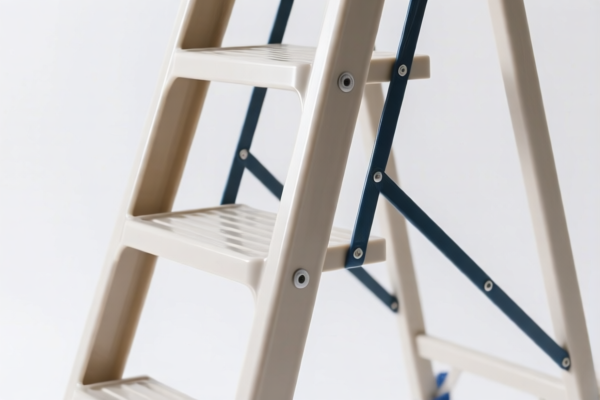

AI Analysis
Here is the comprehensive guide for Pig Waterers (Swine Waterers), structured in the Wiki style you requested, analyzing the provided HS Codes and Tax details from your data.
🐷 Pig Waterers (Swine Watering Systems)
🌐 HS Code Classification & Customs Clearance Guide | 2026 Tax Regime Analysis | Strategic Entry Strategy
📌 I. Product Definition & Classification: Are You Shipping a "Metal Part" or a "Farming Machine"?
Pig Waterers are specialized devices used in the swine industry to provide automated or manual access to fresh water. In international trade, the classification is critical because the material and functionality determine the tax burden.
They generally fall into two distinct categories under Customs:
- Generic Metal Parts (Iron/Steel): If the product is a simple, non-mechanical metal cup, nipple, or valve component used as a spare part without specific agricultural machinery integration.
- Perception: "Other articles of iron or steel."
- Risk: High Tax (87.9%) due to steel/aluminum tariffs.
- Agricultural/Farming Machinery: If the product is a functional unit, valve assembly, or system component specifically designed for animal husbandry (farming machinery).
- Perception: "Other machinery, plant or animal husbandry."
- Benefit: Lower Tax (35.0%) due to exemption on base agricultural tariffs.
⚠️ Critical Distinction:
- If the item is a standalone metal nipple/cup without specific "farming machine" features → Likely7326.90(87.9% Tax).
- If the item is a functional watering valve, system component, or recognized "farm equipment accessory" → Likely8436.80(35.0% Tax).
- Declaration Strategy: Do NOT just say "Iron Cup." Describe it as "Automatic Pig Watering Valve" or "Animal Husbandry Equipment Accessory."
📦 II. HS Code Classification Details (Based on Provided Data)
| HS Code | Product Description (Inferred) | Application Scenario | Material/Shape | Total Tax Rate |
|---|---|---|---|---|
| 7326.90.86.88 | Other articles of iron or steel (Generic Metal Parts) | Simple metal bowls, cups, or generic fittings not classified as machinery. | Iron/Steel (Other) | 87.9% |
| 7326.19.00.80 | Other articles of iron/steel, worked (冲压/加工) | Stamped metal parts, agricultural implement accessories (generic). | Iron/Steel (Stamped) | 87.9% |
| 8436.80.00.90 | Farming Machinery Accessories (Other) | 配套器具 (Supporting equipment) for animal husbandry/culture. | Machinery Component | 35.0% |
| 8436.80.00.40 | Farming Machinery (Barn/Feed Mill related) | Specifically matching "Barn & Feed Mill" categories, metal/plastic. | Metal/Plastic (Machine) | 35.0% |
🔍 Key Insight:
The difference between 87.9% and 35.0% is a 52.9% tax savings.
Goal: You MUST argue that the Pig Waterer is a functional part of Farming Machinery (8436) rather than just a generic Steel Article (7326).
💰 III. 2026 Tax Regime Deep Dive (Detailed Breakdown)
✅ Applicable Market: USA (Based on "Section 122" and USITC context)
✅ Origin: China (CN)
✅ Status: High Risk for Steel Products
🎯 Scenario A: The "Steel Trap" (HS Code 7326 Series)
If the customs officer classifies your Pig Waterer as a generic metal product.
| Tax Component | Rate | Source / Legal Basis |
|---|---|---|
| Base Tariff | 2.9% | General MFN Rate |
| Section 301 (Additional) | 25.0% | US Trade Action (China) |
| Section 122 (Steel/Aluminum) | 50.0% | Crucial: "10% Steel... + 40% extra" = 50% Total on Steel |
| TOTAL TAX | 87.9% | (2.9 + 25.0 + 50.0) |
📌 Explanation:
- Section 122 (Steel/Aluminum): This is the killer clause. It applies a 50% surcharge specifically on steel products (often calculated as 10% base + 40% penalty, or similar composite).
- Result: For a $10,000 shipment, you pay $8,790 in duties alone.
- Risk: If the product is steel (pipes, nipples, bases), this classification is automatic unless proven otherwise.
🎯 Scenario B: The "Farming Machine" Win (HS Code 8436 Series)
If successfully classified as an animal husbandry machine part.
| Tax Component | Rate | Source / Legal Basis |
|---|---|---|
| Base Tariff | 0.0% | Exempt for Agricultural Machinery |
| Section 301 (Additional) | 25.0% | US Trade Action (China) |
| Section 122 (Steel/Aluminum) | 10.0% | Reduced: Only "10% Steel" applies, not the full 50% |
| TOTAL TAX | 35.0% | (0.0 + 25.0 + 10.0) |
📌 Explanation:
- Base Tariff 0%: Agricultural machinery is often duty-free on the base rate.
- Section 122 Adjustment: The tariff drops to just the 10% "Steel" surcharge (not the 50% penalty) because the item is treated as a machine part rather than raw steel.
- Result: For a $10,000 shipment, you pay only $3,500. Save $5,290!
🛠️ IV. Customs Clearance Practical Advice (Action Plan)
✅ 1. Documentation Preparation (The "Golden" Checklist)
| Document | Requirement | Why it Matters |
|---|---|---|
| Technical Specifications | Must state: "Animal Husbandry Equipment," "Watering Valve," "Farming Machine Part." | Proves it is 8436, not 7326. |
| Function Diagram | Show how it connects to a water tank or trough system. | Validates it is a "functional unit," not a "metal cup." |
| Photos (Real World) | Photo of the waterer installed in a pigsty. | Visual proof of agricultural use. |
| BOM (Bill of Materials) | List materials (e.g., "Plastic float, Brass valve, Steel bracket"). | Helps argue against pure "Steel Article" classification. |
| Commercial Invoice | Description: "Automated Pig Waterer Valve System for Swine Farming" | Avoids generic terms like "Steel Nipple." |
✅ 2. Declaration Strategy (The "Winning" Script)
🔥 Rule: "Machine Part First, Steel Second!"
| Situation | Recommended Declaration | HS Code Target | Result |
|---|---|---|---|
| Stainless Steel Nipple Valve | "Stainless Steel Pig Watering Valve, Part of Automated Feeding System" | 8436.80.00.90 | 35% (Win) |
| Plastic Bowl with Metal Base | "Plastic/Metal Animal Watering Trough for Swine Farming" | 8436.80.00.40 | 35% (Win) |
| Loose Iron Pipe Fittings | "Stainless Steel Pipe Fitting for General Use" (⚠️ Risky) | 7326.90.86.88 | 87.9% (Loss) |
| Stamped Metal Plate (No function) | "Iron Stamped Sheet for Machinery" | 7326.19.00.80 | 87.9% (Loss) |
💡 Pro Tip: If the waterer contains plastic, rubber, or brass parts, emphasize the "Machine" aspect in the description to bypass the "Steel Article" trap.
✅ 3. Special Handling for "Section 122" Steel Tariffs
- The 10% vs 50% Trap:
- 7326 (Steel Article): Triggers the 50% surcharge (10% base + 40% penalty).
- 8436 (Machine Part): Triggers only the 10% surcharge (if steel content is high, but base is 0%).
- Strategy:
- Do NOT use the word "Article of Iron" or "Steel Product" in the title.
- Use "Agricultural Machinery Component" or "Animal Husbandry Equipment."
- If the product is 100% steel but functional, you still hope for 8436, but be prepared to justify the "Machine" status.
🌍 V. Global Market Comparison (US vs. Others)
| Market | Recommended HS Code | Total Tax (Est.) | Key Risk |
|---|---|---|---|
| 🇺🇸 USA | 8436.80.00.90 | 35.0% | High Risk of 87.9% if miscategorized as steel. |
| 🇨🇳 China | 8436.80.00.90 | ~5-10% | Low tax, focus on CCC certification. |
| 🇪🇺 EU | 8436.80.00.90 | 0-2% | No Section 122; low risk. |
| 🇯🇵 Japan | 8436.80.00.90 | 2-5% | Low risk. |
📌 Conclusion: The USA market is the only one where the Steel vs. Machine distinction creates a 52.9% tax difference.
Action: Aggressively defend the 8436 classification for US imports.
📌 VI. Common Pitfalls & Solutions (Lessons Learned)
❌ Mistake 1: Labeling as "Stainless Steel Water Cup"
👉 Consequence: Customs classifies as 7326.90.86.88 → 87.9% Tax.
✅ Fix: Change to "Swine Farming Watering Valve System."
❌ Mistake 2: Shipping loose parts (nipples, tanks) separately as "Metal Goods"
👉 Consequence: Each part taxed as steel → 87.9%.
✅ Fix: Ship as an assembled "Unit" or declare as "Machine Accessories" with assembly instructions.
❌ Mistake 3: Ignoring Section 122 on the invoice
👉 Consequence: No explanation for the 50% surcharge, leading to delays.
✅ Fix: Proactively state "Designed for Agricultural Machinery" on the commercial invoice.
🎯 VII. Summary & Final Recommendation
Pig Waterers are high-value targets for US Customs "Steel" tariffs.
- Target HS Code: 8436.80.00.90 or 8436.80.00.40.
- Target Tax Rate: 35.0%.
- Avoid HS Code: 7326.90.86.88 or 7326.19.00.80 (Tax: 87.9%).
- Key Argument: "This is a farming machine accessory, not a generic iron article."
🚀 Final Action:
Before shipping to the USA:
1. Rewrite your Invoice to emphasize "Animal Husbandry" and "Machinery."
2. Attach a Functional Diagram showing the water flow and machine integration.
3. Consult a Customs Broker to pre-file the Section 122 justification (10% vs 50%).
✨ Professional Customs Clearance Starts with the Right HS Code!
💼 Don't let a 52.9% tax gap eat your profit margins!
Customer Reviews
About HS Code Classification
The Harmonized System (HS) is an internationally standardized nomenclature developed by the World Customs Organization (WCO) to classify traded products. Over 200 countries use the HS system as the basis for customs tariffs, trade statistics, and import/export regulations.
Each HS code follows a hierarchical structure:
- Chapter (2 digits) — Broad category of goods (e.g., Chapter 84: Machinery and Mechanical Appliances)
- Heading (4 digits) — More specific grouping within the chapter
- Subheading (6 digits) — Internationally standardized breakdown, used by all WCO member countries
- National subdivisions (8-10 digits) — Country-specific extensions for further classification, such as US HTSUS 10-digit codes
Correct HS code classification is essential for smooth customs clearance, accurate duty payment, and compliance with trade regulations. Misclassification can lead to customs delays, overpayment of duties, or penalties.
When importing from CN to US, the applicable tariff rates may include:
- Most-Favored-Nation (MFN) rate — The standard duty rate applied to WTO members
- General rate — Applied to countries without trade agreements
- Trade remedy duties — Additional tariffs such as Section 301 (anti-dumping), Section 232 (national security), or countervailing duties
The information provided on this page is for reference purposes only. For official classification, please consult with your local customs authority or a licensed customs broker.