Pill Organizer
CN → US| HS Code | Tariff Rate | Origin | Destination | Doc |
|---|---|---|---|---|
| 3923109000 | 38.0% | CN | US | Official Doc |
| 7612905000 | 35.0% | CN | US | Official Doc |
| 7612901090 | 40.7% | CN | US | Official Doc |
| 4819504040 | 35.0% | CN | US | Official Doc |
Product Images
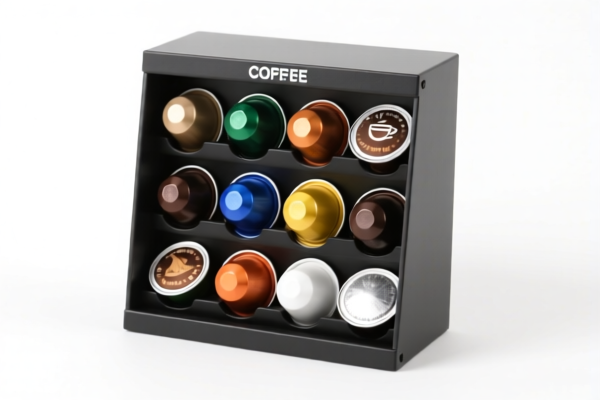
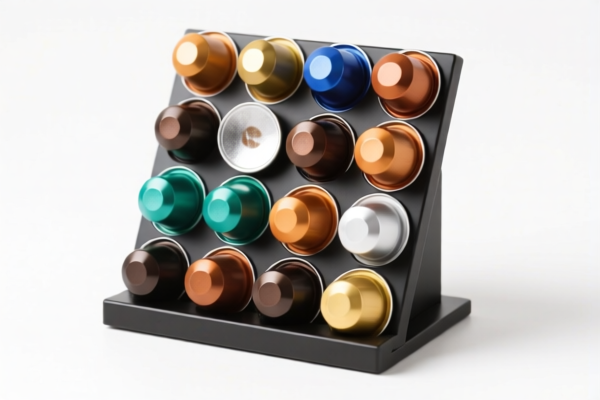


AI Analysis
💊 Pill Organizer (Medication Dispenser)
🌐 HS Code Reference & Customs Clearance Guide | 2024/2025 Latest Tariff Analysis | Professional Clearance Strategy
📌 1. Product Definition & Classification: Do You Really Know "Pill Organizers"?
A Pill Organizer is a daily or weekly medication management tool designed to help users track and store prescribed or over-the-counter drugs. In international trade, classification depends heavily on material and primary function:
- Plastic Organizers: Typically made of ABS, PP, or PET. Classified under Chapter 39 (Plastics).
- Aluminum/Metal Organizers: Made of aluminum alloy or tinplate. Classified under Chapter 76 (Aluminum) or similar metal containers.
- Paper/Cardboard Organizers: Foldable, lightweight, single-use or short-term storage. Classified under Chapter 48 (Paper/Paperboard).
⚠️ Key Distinction:
- If made of plastic and used for general household storage of pills → Chapter 39.
- If made of aluminum and used for storing pharmaceuticals → Chapter 76 (specifically aluminum containers).
- If made of cardboard → Chapter 48.
- Note: If electronic (with alarms/sensors), it might fall under Chapter 85, but standard non-electronic organizers are classified by material.
📦 2. HS Code Classification Details (Latest Tariff Schedule)
Based on the provided data, here are the valid HS Codes for non-electronic pill organizers:
| HS Code | Product Description | Material | Key Characteristics | Total Tax Rate* |
|---|---|---|---|---|
| 3923.10.90.00 | Plastic articles for the conveyance or packing of goods | Plastic (ABS/PP/PET) | Most common type; durable, reusable, various compartment designs | 38.0% |
| 7612.90.50.00 | Aluminum containers for any material | Aluminum | Metallic, rigid, often used for premium or travel-sized organizers | 35.0% |
| 7612.90.10.90 | Aluminum containers for pharmaceuticals/medical supplies | Aluminum | Specifically inferred for "pharmaceutical boxes"; similar to above but more specific | 40.7% |
| 4819.50.40.40 | Boxes, pouches, wallets, and wrapping articles of paper or paperboard | Paper/Cardboard | Foldable, lightweight, disposable or short-term use organizers | 35.0% |
🔍 Important Notes:
- HS Code3923.10.90.00is the most common for standard plastic weekly pill boxes.
- HS Code7612.90.50.00applies to aluminum containers not specifically for pharmaceuticals (general use).
- HS Code7612.90.10.90is specifically for aluminum containers for pharmaceuticals, resulting in a higher base tariff.
- HS Code4819.50.40.40is for paper-based organizers, often cheaper but less durable.
💰 3. 2024/2025 Latest Tariff Rate Breakdown (Including Additional Taxes)
✅ Applicable Country: United States (US)
✅ Origin: China (CN)
✅ Effective Date: Current (Includes Section 301 & IEEPA tariffs)
🎯 1. 3923.10.90.00 —— Plastic Pill Organizers
| Item | Details |
|---|---|
| Base Tariff | 3.0% (ad valorem) |
| USITC Additional Tariff | +25% (Section 301) |
| IEEPA Additional Tariff | +10% (China-specific surcharge) |
| Total Tax Rate | 38.0% |
| Calculation | CIF Value × 38.0% |
| De Minimis Exemption | ❌ Not Eligible (deny_de_minimis) |
| Legal Basis | IEEPA:9903.01.24 → USITC:3923.10.90.00 → FOOTNOTE:9903.88.01 |
📌 Explanation:
- Plastic organizers are considered "general plastic articles."
- The 25% Section 301 tariff applies to most Chinese-made plastic goods.
- The 10% IEEPA surcharge is added on top.
- Total: 38%. This is a significant cost for low-value items.
🎯 2. 7612.90.50.00 —— Aluminum Containers (General)
| Item | Details |
|---|---|
| Base Tariff | 0.0% |
| USITC Additional Tariff | +25% (Section 301) |
| IEEPA Additional Tariff | +10% (China-specific surcharge) |
| Total Tax Rate | 35.0% |
| Calculation | CIF Value × 35.0% |
| De Minimis Exemption | ❌ Not Eligible |
| Legal Basis | IEEPA:9903.01.24 → USITC:7612.90.50.00 → FOOTNOTE:9903.88.01 |
📌 Explanation:
- Aluminum containers have a lower base tariff (0%) compared to plastics (3%).
- However, the 25% + 10% additional tariffs still apply.
- Total: 35%. This is 3% lower than plastic organizers.
🎯 3. 7612.90.10.90 —— Aluminum Containers for Pharmaceuticals
| Item | Details |
|---|---|
| Base Tariff | 5.7% |
| USITC Additional Tariff | +25% (Section 301) |
| IEEPA Additional Tariff | +10% (China-specific surcharge) |
| Total Tax Rate | 40.7% |
| Calculation | CIF Value × 40.7% |
| De Minimis Exemption | ❌ Not Eligible |
| Legal Basis | IEEPA:9903.01.24 → USITC:7612.90.10.90 → FOOTNOTE:9903.88.01 |
📌 Explanation:
- This code is more specific to "pharmaceutical" use, which may attract a higher base tariff.
- Total: 40.7%. This is the highest among aluminum options.
🎯 4. 4819.50.40.40 —— Paper/Cardboard Organizers
| Item | Details |
|---|---|
| Base Tariff | 0.0% |
| USITC Additional Tariff | +25% (Section 301) |
| IEEPA Additional Tariff | +10% (China-specific surcharge) |
| Total Tax Rate | 35.0% |
| Calculation | CIF Value × 35.0% |
| De Minimis Exemption | ❌ Not Eligible |
| Legal Basis | IEEPA:9903.01.24 → USITC:4819.50.40.40 → FOOTNOTE:9903.88.01 |
📌 Explanation:
- Paper products have a 0% base tariff.
- Total: 35.0%. Same as general aluminum containers.
🛠️ 4. Customs Clearance Practical Advice (Avoid Pitfalls)
✅ 1. Document Preparation Checklist
| Document | Required | Notes |
|---|---|---|
| ✅ Product Specification | ✔️ | Must clearly state material (Plastic/Aluminum/Paper). |
| ✅ Photos | ✔️ | Clear images of the organizer, including compartments and labels. |
| ✅ Commercial Invoice | ✔️ | List "Pill Organizer" or "Medication Dispenser." Avoid vague terms like "Box." |
| ✅ Material Declaration | ✔️ | Specify if it's food-grade plastic, medical-grade aluminum, etc. |
| ✅ HS Code Justification | ✔️ | Explain why the chosen HS Code is correct (e.g., "Plastic container for household use"). |
✅ 2. Classification Strategy (Key Tips)
🔥 "Material Matters, Function Follows, Name Precisely, Taxes Drop!"
| Scenario | Recommended HS Code | Why? |
|---|---|---|
| Standard Plastic Weekly Box | 3923.10.90.00 |
Most common, durable, clearly plastic packing article. |
| Premium Aluminum Box | 7612.90.50.00 |
Lower base tariff than specific pharma aluminum codes. |
| Disposabe Cardboard Box | 4819.50.40.40 |
Paper-based, lightweight, low base tariff. |
| Medical-Grade Aluminum Box | 7612.90.10.90 |
Only if specifically marketed for pharmaceutical storage with regulatory compliance. |
✅ 3. Special Considerations
| Situation | Advice |
|---|---|
| Electonic Pill Organizers | If it has alarms/sensors, it may fall under 8523.49.00.00 or 8543.70.96.00. Check if it meets the definition of "electronic apparatus." |
| Bundled with Medicine | If sold with pills, the entire package may be classified under the medicine's HS Code. Separate shipping is recommended. |
| Sample vs. Commercial | Even for samples, tariffs apply if value exceeds de minimis thresholds. Plan accordingly. |
🌍 5. Global Market Comparison (2024/2025)
| Country/Region | Recommended HS Code | Tariff Rate | Notes |
|---|---|---|---|
| 🇺🇸 USA | 3923.10.90.00 |
38.0% | High tariffs due to Section 301. |
| 🇨🇳 China | 3923.10.90.00 |
5.0% | Lower base tariff, no additional surcharges. |
| 🇪🇺 EU | 3923.10.90.00 |
3.0% - 4.5% | Standard EU customs duties. |
| 🇬🇧 UK | 3923.10.90.00 |
3.0% - 4.5% | Post-Brexit tariffs. |
| 🇨🇦 Canada | 3923.10.90.00 |
5.0% | General Preferential Tariff (if applicable). |
📌 Conclusion:
- USA is the most expensive market due to additional tariffs.
- EU/UK/Canada offer more competitive rates.
- Consider manufacturing in Vietnam/Mexico for USA-bound goods to avoid Section 301 tariffs (if CUSMA/USMCA rules apply for Mexico).
📌 6. Common Mistakes & Pitfalls (Lessons Learned)
❌ Mistake 1: Classifying plastic organizers as "medical devices"
👉 Consequence: Incorrect HS Code, potential delays, or higher tariffs.
👉 Solution: Only classify as medical devices if they are regulated as such (e.g., with alarms/sensors).
❌ Mistake 2: Ignoring material differences
👉 Consequence: Misclassification between plastic (3923) and aluminum (7612).
👉 Solution: Always declare the primary material accurately.
❌ Mistake 3: Using vague descriptions like "Box"
👉 Consequence: Customs may reclassify, leading to penalties.
👉 Solution: Use specific terms like "Plastic Pill Organizer" or "Aluminum Medication Container."
✅ Best Practice:
"Plastic Pill Organizer, 7-Day Weekly, BPA-Free, Model XYZ"
🎯 7. Conclusion: Smart Classification, Lower Costs!
🎯 Remember:
🔹 "Plastic 38%, Aluminum 35%, Paper 35%, Pharma Aluminum 40.7%."
🔹 "Material defines HS Code, HS Code defines Tariff."
📌 Pro Tip:
If your pill organizers are originating from Vietnam, Mexico, or Thailand, you may qualify for tariff exemptions under USMCA or other trade agreements.
Consider Advance Ruling for complex cases.
📣 Take Action:
📞 Consult a customs broker + Provide product specs + Apply for pre-classification
🚀 Ensure smooth clearance, minimize costs, maximize profits!
✨ Professional customs clearance starts with accurate classification!
💼 Every penny counts in international trade!
Customer Reviews
About HS Code Classification
The Harmonized System (HS) is an internationally standardized nomenclature developed by the World Customs Organization (WCO) to classify traded products. Over 200 countries use the HS system as the basis for customs tariffs, trade statistics, and import/export regulations.
Each HS code follows a hierarchical structure:
- Chapter (2 digits) — Broad category of goods (e.g., Chapter 84: Machinery and Mechanical Appliances)
- Heading (4 digits) — More specific grouping within the chapter
- Subheading (6 digits) — Internationally standardized breakdown, used by all WCO member countries
- National subdivisions (8-10 digits) — Country-specific extensions for further classification, such as US HTSUS 10-digit codes
Correct HS code classification is essential for smooth customs clearance, accurate duty payment, and compliance with trade regulations. Misclassification can lead to customs delays, overpayment of duties, or penalties.
When importing from CN to US, the applicable tariff rates may include:
- Most-Favored-Nation (MFN) rate — The standard duty rate applied to WTO members
- General rate — Applied to countries without trade agreements
- Trade remedy duties — Additional tariffs such as Section 301 (anti-dumping), Section 232 (national security), or countervailing duties
The information provided on this page is for reference purposes only. For official classification, please consult with your local customs authority or a licensed customs broker.