Pine Branches
CN → US| HS Code | Tariff Rate | Origin | Destination | Doc |
|---|---|---|---|---|
| 1404909090 | 35.0% | CN | US | Official Doc |
| 1404909040 | 35.0% | CN | US | Official Doc |
| 6702906500 | 34.5% | CN | US | Official Doc |
Product Images
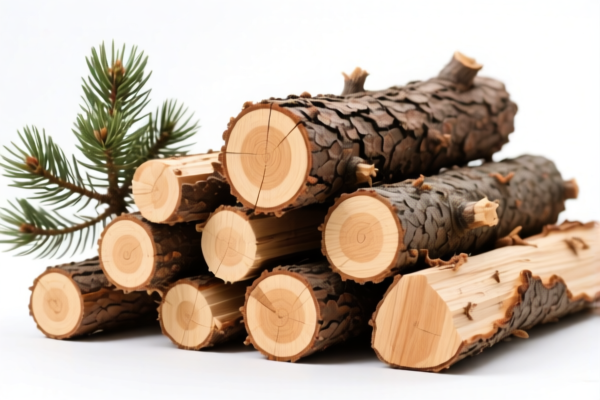
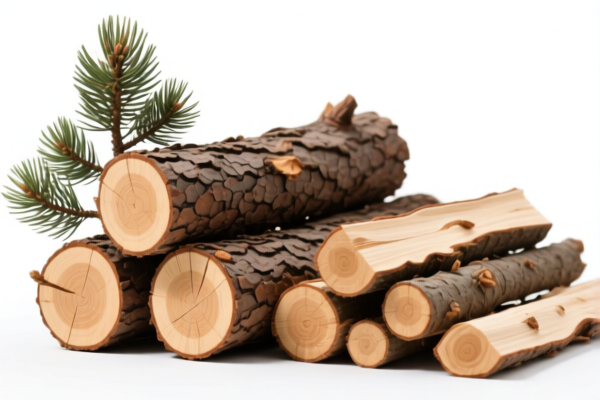
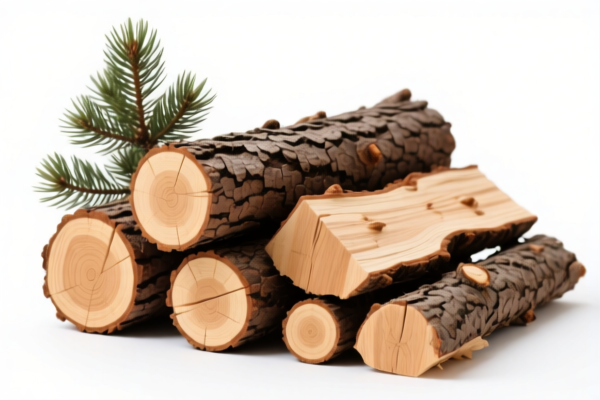
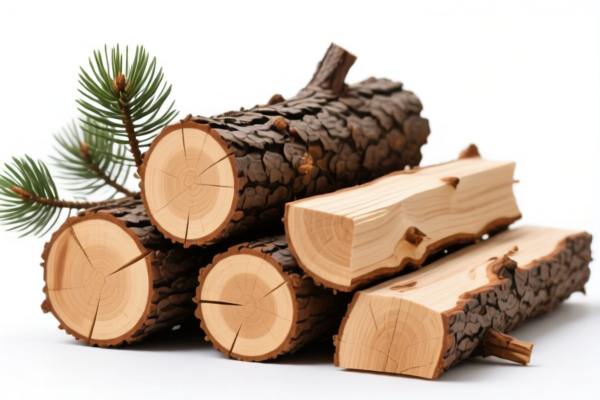
AI Analysis
🌲 Pine Branches (松树枝)
🌐 HS Code Reference & Customs Clearance Guide | 2026 Latest Tariff Analysis | Professional Strategy for Natural & Artificial Decorations
📌 One Product, Multiple Classifications: Why Pine Branches Have 3 Different HS Codes
Pine branches are versatile materials used in festive decorations, floral arrangements, and traditional crafts. In international trade, their classification depends entirely on their state of processing and intended use. They are generally divided into two categories:
Natural Pine Branches (Raw/Preserved): Fresh, dried, or chemically preserved branches, treated as raw plant products or materials for dyeing/tanning.
Artificial Pine Branches (Imitation): Plastic, fiber, or paper-based branches used as components for artificial flowers, foliage, and fruits.
⚠️ Critical Distinction:
- If the branches are natural plant material (even if dyed or preserved) → Classify under Chapter 14 (Miscellaneous Products of Plants).
- If the branches are man-made (plastic/paper) and used for decoration → Classify under Chapter 67 (Artificial Flowers, Foliage, and Fruit).
📦 Two. HS Code Classification Details (2026 Latest Tariff Authority Comparison)
| HS Code | Product Description | Applicable Scenario | Natural or Artificial? |
|---|---|---|---|
1404.90.90.90 |
Other vegetable products; Pine branches as general plant materials | Basic decorative use, raw dried branches, unprocessed natural state | ✅ Natural |
1404.90.90.40 |
Other vegetable products for dyeing or tanning; Pine branches as plant raw materials | Branches specifically processed or intended for dyeing/tanning industries | ✅ Natural |
6702.90.65.00 |
Imitation foliage and parts; Pine branches as components of artificial flowers/leaves/fruit | Artificial plastic/paper branches, holiday decorations, floral arrangements | ❌ Artificial |
🔍 Key Reminder:
- Natural Branches: Regardless of whether they are dyed for aesthetic purposes, if the base material is real pine, they fall under 1404. The "dyeing" classification (1404.90.90.40) is a specific sub-category for plant materials used in industrial dyeing processes. - Artificial Branches: If the pine branch is made of plastic, silk, or paper to mimic nature, it is not a plant product. It is an artificial foliage component falling under 6702.
💰 Three. 2026 Latest Tariff Rate Breakdown (Including Additional Taxes & Policy Surcharges)
✅ Applicable Country: United States (US)
✅ Origin: China (CN)
✅ Effective Date: From November 10, 2025 (including subsequent imports)
🎯 1. 1404.90.90.90 — Natural Pine Branches (Other Vegetable Products)
| Item | Content |
|---|---|
| Base Tariff Rate | 0% (ad valorem) |
| USITC Additional Tariff | +25% (Under Section 301) |
| 122 Clause Tariff | +10% (Specific measure on certain plant products) |
| Total Tax Rate | 35.0% |
| Tax Calculation | CIF Value × 35% |
| De Minimis Eligibility | ❌ Not Eligible (Deny de minimis) |
| Legal Basis Path | Base 0% + Section 301: 25% + Clause 122: 10% |
📌 Explanation:
- "Base Tariff 0%": Natural plants generally have low or zero base duties. - "Additional Tariff 25%": Standard Section 301 retaliation tariff on Chinese goods. - "122 Clause Tariff 10%": A specific additional tariff applied to certain vegetable/plant products. - Total 35%: This is a high tariff for natural goods. Importers must factor this into the landed cost.
🎯 2. 1404.90.90.40 — Natural Pine Branches (For Dyeing/Tanning)
| Item | Content |
|---|---|
| Base Tariff Rate | 0% (ad valorem) |
| USITC Additional Tariff | +25% (Under Section 301) |
| 122 Clause Tariff | +10% (Specific measure on certain plant products) |
| Total Tax Rate | 35.0% |
| Tax Calculation | CIF Value × 35% |
| De Minimis Eligibility | ❌ Not Eligible (Deny de minimis) |
| Legal Basis Path | Base 0% + Section 301: 25% + Clause 122: 10% |
📌 Note:
- Although this category is for "dyeing/tanning raw materials," the tariff structure is identical to general natural pine branches. - Even if intended for industrial dyeing, the total tax burden remains 35%. Do not assume lower rates for industrial raw materials in this sector.
🎯 3. 6702.90.65.00 — Artificial Pine Branches (Imitation Foliage)
| Item | Content |
|---|---|
| Base Tariff Rate | 17% (ad valorem) |
| USITC Additional Tariff | +7.5% (Partial reduction compared to other 301 items) |
| 122 Clause Tariff | +10% (Specific measure on certain plant/plastic products) |
| Total Tax Rate | 34.5% |
| Tax Calculation | CIF Value × 34.5% |
| De Minimis Eligibility | ❌ Not Eligible (Deny de minimis) |
| Legal Basis Path | Base 17% + Section 301: 7.5% + Clause 122: 10% |
📌 Explanation:
- "Base Tariff 17%": Artificial flowers and foliage generally have a higher base duty than natural plants. - "Additional Tariff 7.5%": The Section 301 surcharge for this specific sub-category is lower (7.5%) than the standard 25%. - "122 Clause Tariff 10%": Still applies to imitation plant products. - Total 34.5%: Surprisingly, artificial branches are slightly cheaper (by 0.5%) than natural branches due to the lower Section 301 rate, but the base tariff is much higher.
🛠️ Four. Customs Clearance Practical Advice (Battle-Tested Pitfall Avoidance Guide)
✅ 1. Preparation Checklist (Essential Documents)
| Material | Must Provide | Explanation |
|---|---|---|
| ✅ Product Photos | ✔️ | Clear images showing if branches are real wood/pine needles or plastic/fabric. |
| ✅ Material Composition | ✔️ | Specify: "100% Natural Pine" vs. "100% Polyethylene/Plastic". |
| ✅ Processing Method | ✔️ | Describe: "Dried," "Preserved," "Dyed," or "Molded." |
| ✅ Commercial Invoice | ✔️ | Clearly state "Pine Branches (Natural)" or "Artificial Pine Branches." |
| ✅ Phytosanitary Certificate | ✔️ | CRITICAL for Natural Branches. Required by USDA to prevent pest import. |
| ✅ Packaging List | ✔️ | Weight and dimensions per package. |
✅ 2. Declaration Tips (Key Mantras)
🔥 "Natural Needs Phytosanitary, Artificial Needs Material Declaration. Get it wrong, and goods get stuck!"
| Scenario | Correct Declaration | Wrong Practice |
|---|---|---|
| Natural Pine Branches | 1404.90.90.90 + Phytosanitary Certificate |
Declare as "Artificial" → Fraud risk + Penalties |
| Artificial Plastic Branches | 6702.90.65.00 |
Declare as "Natural" → Phytosanitary delay + Misclassification fine |
| Dyed Natural Branches | 1404.90.90.90 (or .40 if for dyeing) |
Declare as Artificial → High risk of audit |
| Mixed Bundles (Natural + Artificial) | Split Declaration | Mixed申报 → Complex classification, likely denied de minimis |
✅ 3. Special Cases Handling
| Case | Handling Advice |
|---|---|
| Fresh Pine Branches | Require Phytosanitary Certificate from origin country. Without it, US Customs will reject entry. |
| Preserved/Dyed Branches | Still considered natural. Provide proof of preservation method (chemical treatment) if asked. |
| High-Value Artistic Arrangements | If value is very high, consider if "Artificial" classification (6702) offers better risk profile despite similar tax. |
| De Minimis (Section 321) | ❌ Not Available. All three HS codes listed above are excluded from the $800 de minimis exemption due to Section 301 and Clause 122. Full duty must be paid. |
🌍 Five. Global Market Clearance Comparison (2026 Latest)
| Country/Region | Recommended HS Code | Tariff (China Origin) | Certification Requirement | Notes |
|---|---|---|---|---|
| 🇺🇸 USA | 1404.90.90.90 (Natural)6702.90.65.00 (Artificial) |
35.0% (Natural) 34.5% (Artificial) |
Phytosanitary (Natural) | No De Minimis! High tax burden. |
| 🇨🇳 China | 1404.90.90.906702.90.65.00 |
5-7% | None | Low import duty. |
| 🇪🇺 EU | 1404.90.906702.90.65 |
0-2% | CE (Artificial) Fumigation (Natural) |
Low base tariff. |
| 🇬🇧 UK | 1404.90.906702.90.65 |
0-2% | Fumigation (Natural) | Post-Brexit rules apply. |
| 🇦🇺 Australia | 1404.90.906702.90.65 |
5% | Biosecurity Permit (Natural) | Strict biosecurity for natural plants. |
📌 Conclusion:
- USA is the most challenging market for pine branches due to the combination of Section 301 (25% or 7.5%) and Clause 122 (10%), totaling over 34%. - No De Minimis Exemption: Unlike most goods, pine branches (both natural and artificial) do not qualify for the $800 duty-free entry. Every package is taxable. - Natural vs. Artificial: The tax difference is minimal (35.0% vs. 34.5%), so classification should be based on true material, not tax avoidance. Misclassification is a serious compliance risk.
📌 Six. Common Mistakes & Pitfall Guide (Blood Lessons)
❌ Mistake 1: Declaring Natural Pine Branches as "Flowers" under Chapter 6 to get lower base rates.
👉 Consequence: US Customs will reclassify to Chapter 14 or 67, apply 35% tax, and issue a penalty for misdeclaration.
❌ Mistake 2: Assuming "De Minimis" applies to small packages of pine branches.
👉 Consequence: Package will be held, duties assessed, and storage fees accrue. De minimis is denied.
❌ Mistake 3: Importing Fresh Pine Branches without a Phytosanitary Certificate.
👉 Consequence: Rejected at border. Goods may be destroyed or re-exported at your expense.
❌ Mistake 4: Using "Christmas Decorations" as a generic name.
👉 Consequence: Ambiguous description leads to manual review. Be specific: "Artificial Pine Branches, Model X" or "Dried Pine Branches, Natural."
✅ Correct Practice:
For Natural: "Dried Pine Branches, Natural Origin, Phytosanitary Cert #12345, HS 1404.90.90.90"
For Artificial: "Artificial Pine Branches, Plastic, Decorative Use, HS 6702.90.65.00"
🎯 Seven. Conclusion: Professional Classification Saves Money and Time
🎯 Remember the Mantra:
🔹 "Natural Needs Certificate, Artificial Needs Material Fact."
🔹 "No De Minimis for Pine, 35% Tax Will Stink!"
🔹 "Misclassification is Risky, Truth in Declaration is the Only Way."
📌 Tips:
- If you are a small dropshipper, calculate the 35% landed cost carefully. It may make US sales unprofitable unless priced high.
- For large volume imports, consider sourcing from countries with FTAs (Free Trade Agreements) with the US, if applicable, or explore supply chain diversification.
- Always request pre-classification rulings from US Customs and Border Protection (CBP) if the product type is ambiguous.
📣 Immediate Action:
📞 Consult a licensed customs broker.
📸 Provide clear product photos and material specs.
📄 Ensure Phytosanitary Certificates are in order for natural goods.
🚀 Ensure smooth clearance, avoid surprises, and protect your margins!
✨ Professional Clearance Starts with Accurate Classification!
💼 Every percentage point of tax matters!
Customer Reviews
About HS Code Classification
The Harmonized System (HS) is an internationally standardized nomenclature developed by the World Customs Organization (WCO) to classify traded products. Over 200 countries use the HS system as the basis for customs tariffs, trade statistics, and import/export regulations.
Each HS code follows a hierarchical structure:
- Chapter (2 digits) — Broad category of goods (e.g., Chapter 84: Machinery and Mechanical Appliances)
- Heading (4 digits) — More specific grouping within the chapter
- Subheading (6 digits) — Internationally standardized breakdown, used by all WCO member countries
- National subdivisions (8-10 digits) — Country-specific extensions for further classification, such as US HTSUS 10-digit codes
Correct HS code classification is essential for smooth customs clearance, accurate duty payment, and compliance with trade regulations. Misclassification can lead to customs delays, overpayment of duties, or penalties.
When importing from CN to US, the applicable tariff rates may include:
- Most-Favored-Nation (MFN) rate — The standard duty rate applied to WTO members
- General rate — Applied to countries without trade agreements
- Trade remedy duties — Additional tariffs such as Section 301 (anti-dumping), Section 232 (national security), or countervailing duties
The information provided on this page is for reference purposes only. For official classification, please consult with your local customs authority or a licensed customs broker.