Pine Pole for Power Transmission
CN → US| HS Code | Tariff Rate | Origin | Destination | Doc |
|---|---|---|---|---|
| 4403210112 | 35.0% | CN | US | Official Doc |
| 4403220112 | 35.0% | CN | US | Official Doc |
| 4418300100 | 38.2% | CN | US | Official Doc |
| 4418999140 | 38.2% | CN | US | Official Doc |
| 4421997020 | 35.0% | CN | US | Official Doc |
Product Images
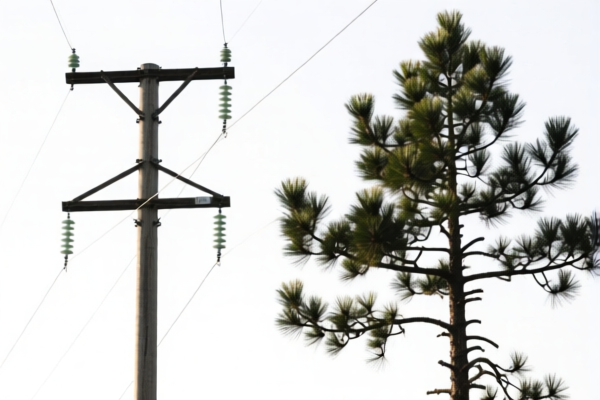
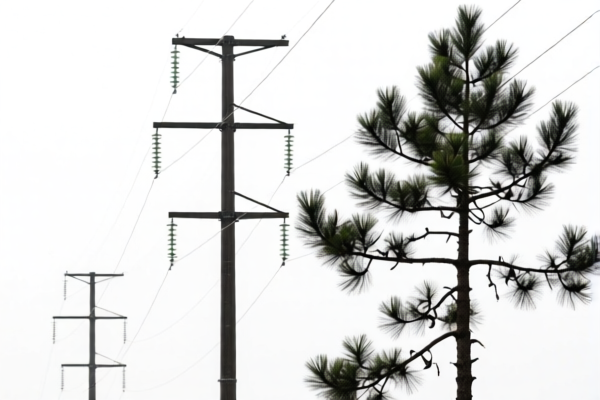
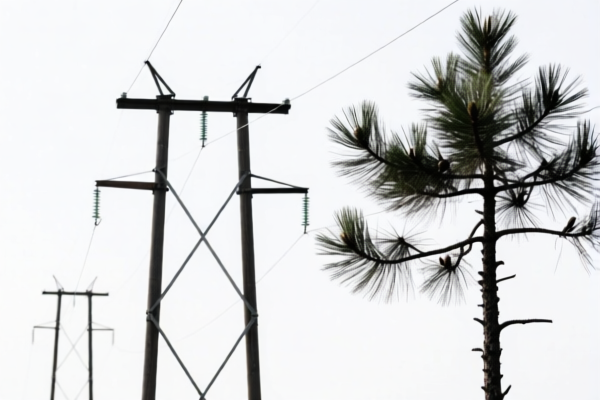
AI Analysis
🌲 Pine Pole for Power Transmission (Communications & Utility Poles)
🌐 HS Code Reference & Clearance Guide | 2026 Latest Tariff Analysis | Professional Clearance Strategy
📌 I. Product Definition & Classification: Do You Really Understand "Pine Poles"?
Pine poles, specifically those designed for power transmission and telecommunications, are critical infrastructure components in international trade. They are typically cylindrical, treated timber products used as supports for electrical lines, telephone cables, or other utilities.
In international trade classification, these poles are often debated between "Wooden Poles" (Chapter 44, Heading 4403) and "Wooden Parts of Buildings/Structures" (Chapter 44, Heading 4418). The correct classification depends heavily on the specific use, level of processing, and regulatory interpretation at the border.
⚠️ Key Distinction Point:
- If the pole is primarily identified as a "Wooden Pole" for electrical/telecom support → It may fall under 4403.21.01.12 or 4403.22.01.12.
- If the pole is viewed as a "Structural Component" or "Construction Item" (e.g., pre-cut, specific ends, or used in building frameworks) → It may fall under 4418.30.01.00 or 4418.99.91.40.
- If the pole is classified as a Garden/Fence Post variant (less common for power transmission but possible for smaller gauge) → 4421.99.70.20.
📦 II. HS Code Classification Details (2026 Latest Tariff Authority Reference)
| HS Code | Product Description | Application Scenario | Primary Classification Logic |
|---|---|---|---|
4403.21.01.12 |
Pine Wooden Poles (for Telecom), matched with Coniferous material, pole shape, and telephone/telegraph use | Traditional telecom poles, straight coniferous wood | Category 4403: Treated wood, wooden poles |
4403.22.01.12 |
Pine Wooden Poles (for Telecom), matched with Coniferous/Pine material and telephone/telegraph/power pole use | Standard power/utility poles, broad pine application | Category 4403: Treated wood, wooden poles |
4418.30.01.00 |
Pine Wooden Poles (for Telecom), matched with wood attributes, column shape, and wooden building/infrastructure joint use | Poles viewed as structural building components | Category 4418: Builders' joinery/construction |
4418.99.91.40 |
Pine Wooden Poles (for Telecom), matched with wood, prefabricated structural component/woodwork shape, and building/engineering installation use | Poles with specific engineering installations or pre-fab features | Category 4418: Other builders' joinery |
4421.99.70.20 |
Pine Wooden Poles (for Telecom), matched with wood, column shape, and sawn fence posts, railings, posts, and rails attributes | Smaller diameter poles, sometimes misclassified as fence posts | Category 4421: Wooden articles (e.g., fence posts) |
🔍 Important Reminder:
- The same physical product (Pine Pole) can have different HS codes depending on how the importer declares its primary function and structural attributes. - 4403 codes generally carry a 0% basic tariff but are subject to additional taxes. - 4418 codes carry a 3.2% basic tariff due to their classification as "builders' joinery." - Misclassification Risk: Declaring a power pole as a "fence post" (4421) to avoid scrutiny may lead to customs delays if the dimensions/usage clearly indicate utility use.
💰 III. 2026 Latest Tariff Rate Breakdown (Including Additional Taxes & Policy Add-ons)
✅ Applicable Country: United States (US)
✅ Country of Origin: China (CN)
✅ Effective Date: From November 10, 2025 (including subsequent imports)
🎯 1. 4403.21.01.12 & 4403.22.01.12 —— Pine Wooden Poles (Telecom/Power)
| Item | Content |
|---|---|
| Basic Tariff | 0% (ad valorem) |
| Section 301 Additional Tax | +25% (from USITC Footnote 9903.88.01 / Section 301 List) |
| Section 122 Tax | +10% (Specific provision for certain wood products/utilities) |
| Total Tariff Rate | 35.0% |
| Tax Calculation | CIF Value × 35% |
| De Minimis Exemption | ❌ Not Eligible (deny_de_minimis) |
| Legal Basis Path | USITC:4403.21.01.12 → Section 301: 25% → Section 122: 10% |
📌 Explanation:
- The 25% Section 301 tax applies to most Chinese-origin wood products and infrastructure materials. - The 10% Section 122 tax is a specific add-on for certain timber/wooden products, significantly increasing the landed cost. - Total 35% is a high barrier, requiring precise cost accounting.
🎯 2. 4418.30.01.00 & 4418.99.91.40 —— Pine Wooden Poles (Builders' Joinery/Structural)
| Item | Content |
|---|---|
| Basic Tariff | 3.2% (ad valorem) |
| Section 301 Additional Tax | +25% |
| Section 122 Tax | +10% |
| Total Tariff Rate | 38.2% |
| Tax Calculation | CIF Value × 38.2% |
| De Minimis Exemption | ❌ Not Eligible (deny_de_minimis) |
| Legal Basis Path | USITC:4418.30.01.00 → Section 301: 25% → Section 122: 10% |
📌 Explanation:
- The basic tariff is higher (3.2%) because these codes classify the poles as "builders' joinery" or "structural components" rather than raw wooden poles. - Total 38.2% is even higher than the 4403 classification. - Strategy Note: Importers often prefer 4403 codes to keep the base rate at 0%, but must ensure the product description matches "wooden poles" accurately to avoid rejection.
🎯 3. 4421.99.70.20 —— Pine Wooden Poles (Fence Post/Garden Post Variant)
| Item | Content |
|---|---|
| Basic Tariff | 0% (ad valorem) |
| Section 301 Additional Tax | +25% |
| Section 122 Tax | +10% |
| Total Tariff Rate | 35.0% |
| Tax Calculation | CIF Value × 35.0% |
| De Minimis Exemption | ❌ Not Eligible (deny_de_minimis) |
| Legal Basis Path | USITC:4421.99.70.20 → Section 301: 25% → Section 122: 10% |
📌 Explanation:
- While the total rate is 35%, this classification is risky for power transmission poles. - Customs may argue that power poles are not "fence posts" due to their size, treatment, and intended use. - Use Caution: Only use this code if the pole is small, untreated, or explicitly marketed as a garden/fence post, even if used for minor utility lines.
🛠️ IV. Customs Clearance Practical Advice (Real-World Pitfall Guide)
✅ 1. Preparation Checklist (Mandatory Documents)
| Document | Required | Notes |
|---|---|---|
| ✅ Product Specification Sheet | ✔️ | Include dimensions, length, diameter, wood species (Pine/Coniferous), treatment type (pressure-treated, etc.) |
| ✅ Product Photos | ✔️ | Clear images of the pole, including end cuts, labels, and treatment stamps |
| ✅ Commercial Invoice | ✔️ | Clearly state "Pine Wooden Pole for Power/Telecom Transmission," NOT "Furniture" or "Generic Wood" |
| ✅ Packing List | ✔️ | Detail quantity, weight, and packaging method |
| ✅ Certificate of Origin (CO) | ✔️ | Required for Section 301/122 applicability |
| ✅ Treatment Certificate | ✔️ | If treated with preservatives, provide MSDS or treatment records to comply with environmental regulations |
✅ 2. Declaration Tips (Key Mnemonic)
🔥 "Pole for Power, Code 4403; Structural Use, Code 4418. Don't Mislabel as Fence Post!"
| Scenario | Correct Declaration | Wrong Declaration |
|---|---|---|
| Large Utility Pole (Telecom/Power) | 4403.21.01.12 or 4403.22.01.12 |
4421.99.70.20 → Risk of rejection for misclassification |
| Pre-fab Structural Timber | 4418.30.01.00 |
4403.21.01.12 → May incur unnecessary 3.2% base tariff if deemed structural |
| Small Garden Post (Misused for Telecom) | 4421.99.70.20 |
4403.21.01.12 → If not a "pole," this might be more appropriate, but risk remains |
| Mixed Shipment | Split Declaration | Single HS Code for mixed items → Audit risk |
✅ 3. Special Case Handling
| Scenario | Recommendation |
|---|---|
| Treated Wood (Preservative) | Ensure MSDS is provided. Some treatments may trigger additional environmental inspections. |
| OEM Custom Poles | Provide customer specifications and drawings. Custom shapes may push classification toward 4418. |
| Bundle Shipment | Declare as individual poles if possible. Bundles may be classified differently as "packaging" or "bulk wood." |
| Origin Marking | Ensure poles are clearly marked with "Made in China" to avoid duties evasion claims. |
🌍 V. Global Market Clearance Comparison (2026 Latest)
| Country/Region | Recommended HS Code | Tariff Rate (China Origin) | Certification Requirements | Notes |
|---|---|---|---|---|
| 🇺🇸 USA | 4403.21.01.12 |
35% (0% Base + 25% + 10%) | None specific, but treatment docs helpful | High duty burden; verify Section 122 applicability |
| 🇨🇳 China | 4403.21.01.12 |
~5-10% | FSC (if certified) | Lower entry barrier for domestic trade |
| 🇪🇺 EU | 4403.10.00 (approx.) |
Varies (often 0-20%) | FSC/PEFC, REACH (if treated) | No Section 301/122 equivalents |
| 🇦🇺 Australia | 4403.21.00 |
~5% | Biosecurity permit (treated wood) | Strict biosecurity on wooden imports |
| 🇯🇵 Japan | 4403.21.00 |
~2-5% | Phytosanitary Certificate | Must comply with ISPM 15 if packaging is wood |
📌 Conclusion:
- USA is the most difficult market for pine poles due to Section 301 (25%) and Section 122 (10%) taxes. - EU and Asia have lower or more predictable tariffs, but biosecurity and FSC certification are critical. - Total Landed Cost in USA: Expect 35-38% duty on top of shipping and insurance.
📌 VI. Common Errors & Pitfall Guide (Blood-lesson Experience)
❌ Error 1: Declaring a power pole as a "Fence Post" (4421) to avoid scrutiny
👉 Consequence: Customs may reject the declaration if dimensions/usage clearly indicate utility use → Delays, fines, or retroactive 38.2% duty.
❌ Error 2: Using "Generic Wood" or "Timber" without specifying "Pine" or "Coniferous"
👉 Consequence: Incorrect HS code application → Audit risk, potential higher duty rates.
❌ Error 3: Ignoring Section 122 Tax
👉 Consequence: Underestimating landed cost by 10% → Profit margin erosion.
❌ Error 4: Failing to provide Treatment Records
👉 Consequence: Customs may hold the shipment for inspection → Storage fees, delays.
✅ Correct Practice:
"Pressure-Treated Pine Wooden Pole, 30ft x 8in, for Telecom Power Transmission, Made in China, Certified FSC (if applicable)"
🎯 VII. Conclusion: Professional Declaration, Save Time & Money!
🎯 Remember the Mnemonic:
🔹 "Power Pole = 4403; Structural = 4418. Base 0% + 35% Total. Don't Guess!"
🔹 "HS Code Determines Life, Tariff Difference is Huge. Correct Declaration Saves Thousands!"
📌 Pro Tip:
- If your pine poles are originating from Vietnam, Mexico, or Thailand, you may avoid Section 301/122 taxes, resulting in 0-5% total duty.
- Consider Advance Ruling with US Customs and Border Protection (CBP) for large shipments to lock in classification and avoid post-clearance audits.
📣 Immediate Action:
📞 Contact a professional customs broker + Provide product specs + Apply for HS Code Advance Ruling
🚀 Ensure your pine poles clear customs smoothly, optimize costs, and maximize profit!
✨ Professional Clearance Starts with Accurate Classification!
💼 Every Dollar of Cost Deserves Precise Calculation!
Customer Reviews
About HS Code Classification
The Harmonized System (HS) is an internationally standardized nomenclature developed by the World Customs Organization (WCO) to classify traded products. Over 200 countries use the HS system as the basis for customs tariffs, trade statistics, and import/export regulations.
Each HS code follows a hierarchical structure:
- Chapter (2 digits) — Broad category of goods (e.g., Chapter 84: Machinery and Mechanical Appliances)
- Heading (4 digits) — More specific grouping within the chapter
- Subheading (6 digits) — Internationally standardized breakdown, used by all WCO member countries
- National subdivisions (8-10 digits) — Country-specific extensions for further classification, such as US HTSUS 10-digit codes
Correct HS code classification is essential for smooth customs clearance, accurate duty payment, and compliance with trade regulations. Misclassification can lead to customs delays, overpayment of duties, or penalties.
When importing from CN to US, the applicable tariff rates may include:
- Most-Favored-Nation (MFN) rate — The standard duty rate applied to WTO members
- General rate — Applied to countries without trade agreements
- Trade remedy duties — Additional tariffs such as Section 301 (anti-dumping), Section 232 (national security), or countervailing duties
The information provided on this page is for reference purposes only. For official classification, please consult with your local customs authority or a licensed customs broker.