Pine Wood Logs for Crafts
CN → US| HS Code | Tariff Rate | Origin | Destination | Doc |
|---|---|---|---|---|
| 4404100090 | 35.0% | CN | US | Official Doc |
| 4407110053 | 10.0% | CN | US | Official Doc |
| 4403220130 | 35.0% | CN | US | Official Doc |
| 4403210130 | 35.0% | CN | US | Official Doc |
| 4404100080 | 35.0% | CN | US | Official Doc |
| 4407110052 | 35.0% | CN | US | Official Doc |
Product Images
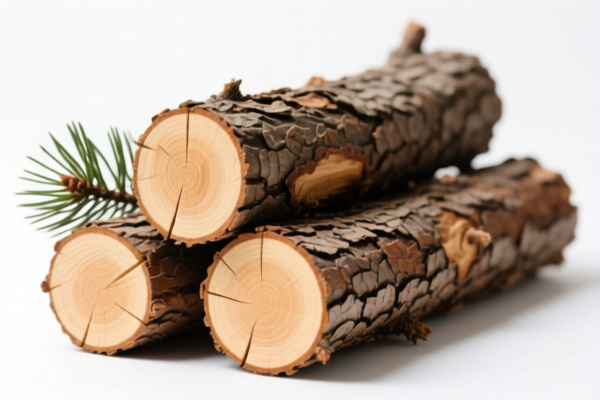
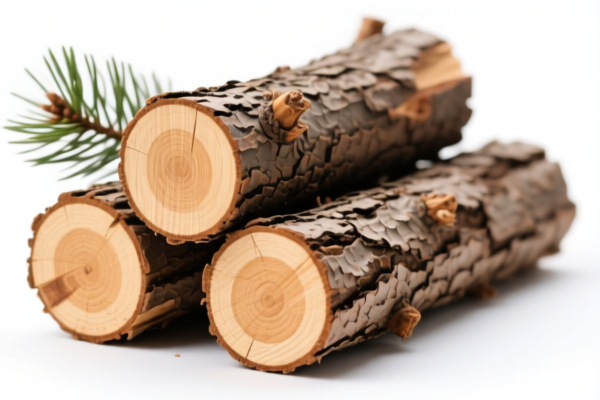
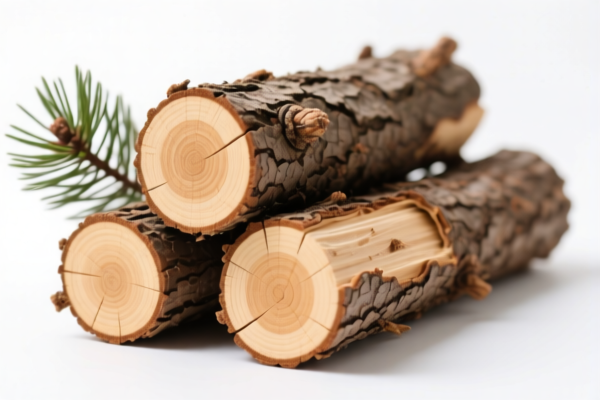
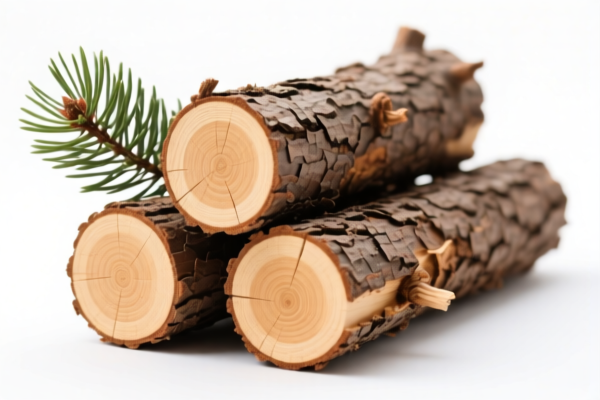
AI Analysis
🌲 Pine Wood Logs for Crafts (Wood Products)
🌐 HS Code Reference & Clearance Guide | 2026 Latest Tariff Rules | Professional Customs Strategy
📌 I. Product Definition & Classification: Do You Really Understand "Pine Wood Logs"?
Pine wood logs intended for crafts represent a niche but critical segment of the timber trade. In international trade, even seemingly simple "logs" are strictly differentiated by processing depth, species classification, and physical form. Misclassification can lead to severe tariff discrepancies, as the Harmonized System (HS) treats raw logs, sawn wood, and shaped wood under different chapters with vastly different tax implications.
⚠️ Key Distinction Points:
- Raw Logs (Chapters 4403/4404): Simply peeled or debarked, retaining their natural shape. Subject to higher punitive tariffs.
- Sawn Wood (Chapter 4407): Lengthwise sawn, planed, or tongued, but not further worked than that.
- Physical Form: Is it a round log, a post, or a squared timber? The shape determines the specific sub-heading.
📦 II. HS Code Classification Details (2026 Latest Tariff Authority Comparison)
Below is the precise breakdown for Pine Wood Logs for Crafts based on the provided data. Note that while the summary may sound similar, the HS Codes trigger different tax liabilities.
| HS Code | Product Description | Physical Form / Processing Level | Applicable Scenario |
|---|---|---|---|
4404.10.00.90 |
Pine wood logs (Coniferous) | Logs, simple peeling/debarking | Round logs for crafts, natural shape, no sawing |
4407.11.00.53 |
Other Pine/Spruce Lumber | Sawn or chipped lengthwise | Sawn/cut pine logs, basic processing, "Other Category" |
4403.22.01.30 |
Other Pine Wood Logs | Raw logs, no further processing | Fits definition of "Other Pine" raw logs |
4403.21.01.30 |
Coniferous Pine Wood Logs | Raw logs, natural form | Fits definition of "Coniferous Pine" raw logs |
4404.10.00.80 |
Pine Wood Posts/Poles | Shaped logs (Cant/Posts) | Logs shaped into posts/poles, still technically "logs" under 4404 |
4407.11.00.52 |
Pine Lumber (Sawn) | Sawn, planed, tongued & grooved | Thickness >6mm, longitudinal sawing, peeling |
🔍 Critical Reminder:
- Ch 4403 vs. Ch 4407: Chapter 4403 is for "Wood in the rough" (logs, poles), while 4407 is for "Wood sawn or chipped lengthwise." For crafts, if you sell raw round logs, use 4403 or 4404. If you sell pre-cut boards or squared timber, use 4407.
- Punitive Tariffs Apply: All listed codes for Chinese-origin pine wood attract significant additional duties (25% Section 301 + 10% Section 122).
💰 III. 2026 Latest Tariff Rate Details (Including Additional Taxes & Policy Surcharges)
✅ Applicable Country: United States (US)
✅ Origin: China (CN)
✅ Effective Date: Current rates apply as per latest IEEPA and USITC rulings.
🎯 1. High-Tax Category: Raw Logs & Shaped Logs (4403.21/22, 4404.10.00.90, 4404.10.00.80)
These codes represent raw or minimally processed pine wood. They are subject to the maximum punitive tariffs.
| Item | Content |
|---|---|
| Basic Tariff | 0.0% (ad valorem) |
| Section 301 Additional Tariff | +25.0% (USITC Footnote, HTSUS 4403/4404) |
| Section 122 Tariff (IEEPA) | +10.0% (Specific to certain Chinese wood products) |
| Total Tax Rate | 35.0% |
| Tax Calculation | CIF Value × 35% |
| De Minimis Exemption | ❌ Not Applicable (Value > $800 triggers formal entry) |
| Legal Basis Path | USITC:4403.21/22 → USITC:4404.10 → Section 301: 25% → IEEPA: 10% |
📌 Explanation:
- The 25% Section 301 tariff is the primary punitive duty on Chinese timber products.
- The 10% Section 122 tariff is an additional surcharge imposed under the International Emergency Economic Powers Act for specific Chinese imports.
- Total 35%: This is a high-cost category. Importers must factor this into the landed cost immediately.
🎯 2. Low-Tax Category: Sawn/Processed Pine (4407.11.00.53)
This code applies to pine wood that has been sawn or chipped lengthwise, placing it in a different tariff line that enjoys a reduced additional tariff burden.
| Item | Content |
|---|---|
| Basic Tariff | 0.0% (ad valorem) |
| Section 301 Additional Tariff | 0.0% (Exempt or lower rate for this specific sub-heading) |
| Section 122 Tariff (IEEPA) | +10.0% |
| Total Tax Rate | 10.0% |
| Tax Calculation | CIF Value × 10% |
| De Minimis Exemption | ❌ Not Applicable |
| Legal Basis Path | USITC:4407.11.00.53 → IEEPA: 10% |
📌 Explanation:
- Significant Savings: By classifying the product as sawn lumber (4407.11.00.53) rather than raw logs (4403or4404), the importer saves 25% on Section 301 duties.
- Condition: The wood must be genuinely sawn, planed, or tongued. Merely debarking a round log does not qualify for this rate; it must cross the threshold into "sawn wood."
🎯 3. Mid-Tax Category: Other Sawn/Processed Pine (4407.11.00.52)
Similar to the above, but with different specific characteristics (e.g., thickness >6mm, longitudinal sawing).
| Item | Content |
|---|---|
| Basic Tariff | 0.0% |
| Section 301 Additional Tariff | +25.0% |
| Section 122 Tariff (IEEPA) | +10.0% |
| Total Tax Rate | 35.0% |
| Tax Calculation | CIF Value × 35% |
| Legal Basis Path | USITC:4407.11.00.52 → Section 301: 25% → IEEPA: 10% |
📌 Note:
- Despite being in Chapter 4407 (Sawn Wood), this specific sub-heading (...52) is not exempt from Section 301, unlike...53.
- Ensure your physical product matches the definition of...52exactly. If it fits...53(Other Category), you can save 25%.
🛠️ IV. Customs Clearance Practical Advice (Battle-Tested Pitfall Guide)
✅ 1. Documentation Checklist (Essential)
| Document | Required | Description |
|---|---|---|
| ✅ Commercial Invoice | ✔️ | Must clearly state "Pine Wood Logs for Crafts" and HS Code. |
| ✅ Packing List | ✔️ | Detail dimensions, weight, and number of logs/packages. |
| ✅ Phytosanitary Certificate | ✔️ | Mandatory for wood products. Issued by Chinese customs/agriculture dept. |
| ✅ Fumigation Certificate | ✔️ | Proof of heat treatment or fumigation (ISPM 15 standard). |
| ✅ Bill of Lading | ✔️ | Clean on board, showing proper stowage. |
| ✅ Product Description | ✔️ | Be precise: "Pine Wood Logs, Debarked, Round" vs. "Pine Sawn Lumber." |
✅ 2. Classification Strategy (Key Mnemonic)
🔥 "Raw is 35, Sawn Can Be 10, Check the Cut!"
| Scenario | Correct HS Code | Tariff | Why? |
|---|---|---|---|
| Round, debarked logs | 4404.10.00.90 or 4403.21/22 |
35% | Considered "Logs in the rough." Heavy Section 301 applies. |
| Sawn, planed pine wood | 4407.11.00.53 |
10% | If it fits "Other Category" for sawn wood, Section 301 is waived. |
| Sawn, >6mm thick pine | 4407.11.00.52 |
35% | Specific sub-heading attracts full punitive tariff. |
| Pine Posts/Poles | 4404.10.00.80 |
35% | Treated as shaped logs, not sawn lumber. |
✅ 3. Special Cases & Handling
| Situation | Handling Advice |
|---|---|
| Misclassification Risk | Do not declare "Sawn Wood" if the logs are just round. Customs will inspect and reclassify to 4404 or 4403, leading to back taxes + penalties. |
| Fumigation Issues | If phytosanitary certificates are missing or invalid, the shipment will be detained or returned. Ensure ISPM 15 marking is visible on each package. |
| Value Declaration | Declare accurate CIF value. Under-invoicing triggers audits, especially for high-tariff goods. |
| Origin Marking | Must clearly mark "Made in China" on the wood or packaging. |
🌍 V. Global Market Clearance Comparison (2026 Latest)
| Country/Region | Recommended HS Code | Tariff (China Origin) | Certification Required | Remarks |
|---|---|---|---|---|
| 🇺🇸 USA | 4404.10.00.90 / 4407.11.00.53 |
35% or 10% | Phytosanitary + Fumigation | High Risk: Strict enforcement of Section 301 & 122. |
| 🇨🇳 China | 4404 / 4407 |
0-5% (Import to China) | None (if domestic trade) | N/A for export |
| 🇪🇺 EU | 4403 / 4407 |
0-4.5% | EUTR (EU Timber Regulation) | No Section 301, but strict due diligence on legality. |
| 🇬🇧 UK | 4403 / 4407 |
0-4.5% | UKTR (UK Timber Regulation) | Post-Brexit, similar to EU but separate system. |
| 🇯🇵 Japan | 4403 / 4407 |
0-5% | Phytosanitary | No additional punitive tariffs. |
📌 Conclusion:
- USA is the most challenging market due to the 10-35% punitive tariff structure.
- EU/UK/Asia have standard tariffs (0-5%) but require strict legality and phytosanitary compliance.
- Strategy for US: If possible, classify correctly under4407.11.00.53to save 25%. If not, budget for 35% landed cost.
📌 VI. Common Errors & Pitfalls (Lessons Learned the Hard Way)
❌ Error 1: Declaring round logs as "Sawn Lumber" to avoid 301 tariffs.
👉 Consequence: Customs inspection reveals round logs → Back taxes + 25% penalty + storage fees.
❌ Error 2: Missing Phytosanitary Certificate.
👉 Consequence: Shipment rejected or destroyed at port. No exceptions.
❌ Error 3: Confusing 4403 (Logs) with 4407 (Sawn Wood).
👉 Consequence: Tax miscalculation. 4403 = 35%, 4407 (some codes) = 10%. Huge difference.
❌ Error 4: Ignoring Section 122 Tariff.
👉 Consequence: Underpayment. Even if Section 301 is waived (0%), Section 122 (10%) may still apply.
✅ Correct Approach:
"Pine Wood Logs, Debarked, Round, 1-2m length, for Craft Use, Fumigated, ISPM 15 Marked, Origin: China."
🎯 VII. Conclusion: Precision Saves Money
🎯 Remember the Mnemonic:
🔹 "Round Logs = 35%, Sawn Wood (53) = 10%, Check the Cut!"
🔹 "Phytosanitary is King, without it, you bring nothing."
📌 Pro Tip:
- If your pine wood logs are sawn to specific dimensions (boards, planks), ensure they fit the definition of 4407.11.00.53 to benefit from the 10% rate.
- If they are round logs, accept the 35% rate or consider sourcing from non-China origins if possible.
- Always consult a licensed customs broker before shipping to verify the latest HS Code classifications and tariff exemptions.
📣 Immediate Action:
📞 Contact a Customs Broker
📄 Prepare Phytosanitary Certificate
🔍 Verify HS Code: Is it Round (4403/4404) or Sawn (4407)?
🚀 Ensure Smooth Clearance, Avoid Delays, Maximize Profit!
✨ Professional Clearance Starts with Accurate Classification!
💼 Every Dollar Saved is a Dollar Earned!
Customer Reviews
About HS Code Classification
The Harmonized System (HS) is an internationally standardized nomenclature developed by the World Customs Organization (WCO) to classify traded products. Over 200 countries use the HS system as the basis for customs tariffs, trade statistics, and import/export regulations.
Each HS code follows a hierarchical structure:
- Chapter (2 digits) — Broad category of goods (e.g., Chapter 84: Machinery and Mechanical Appliances)
- Heading (4 digits) — More specific grouping within the chapter
- Subheading (6 digits) — Internationally standardized breakdown, used by all WCO member countries
- National subdivisions (8-10 digits) — Country-specific extensions for further classification, such as US HTSUS 10-digit codes
Correct HS code classification is essential for smooth customs clearance, accurate duty payment, and compliance with trade regulations. Misclassification can lead to customs delays, overpayment of duties, or penalties.
When importing from CN to US, the applicable tariff rates may include:
- Most-Favored-Nation (MFN) rate — The standard duty rate applied to WTO members
- General rate — Applied to countries without trade agreements
- Trade remedy duties — Additional tariffs such as Section 301 (anti-dumping), Section 232 (national security), or countervailing duties
The information provided on this page is for reference purposes only. For official classification, please consult with your local customs authority or a licensed customs broker.