Pine Wood Rough Material
CN → US| HS Code | Tariff Rate | Origin | Destination | Doc |
|---|---|---|---|---|
| 4407110043 | 35.0% | CN | US | Official Doc |
| 4407110001 | 35.0% | CN | US | Official Doc |
| 4409104010 | 35.0% | CN | US | Official Doc |
| 4409104090 | 35.0% | CN | US | Official Doc |
| 4418300100 | 38.2% | CN | US | Official Doc |
| 4418810000 | 38.2% | CN | US | Official Doc |
Product Images
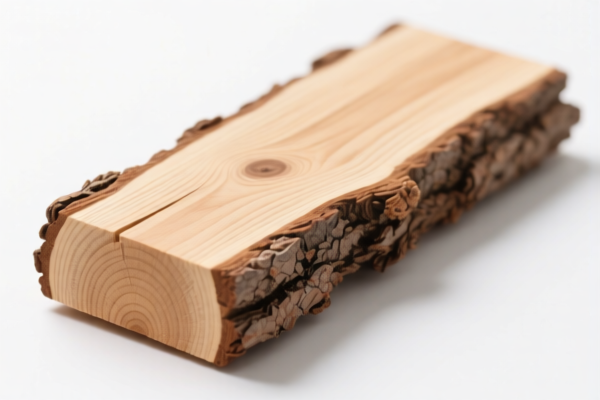
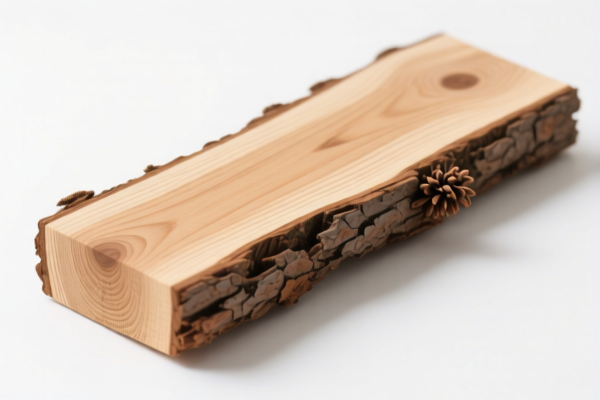
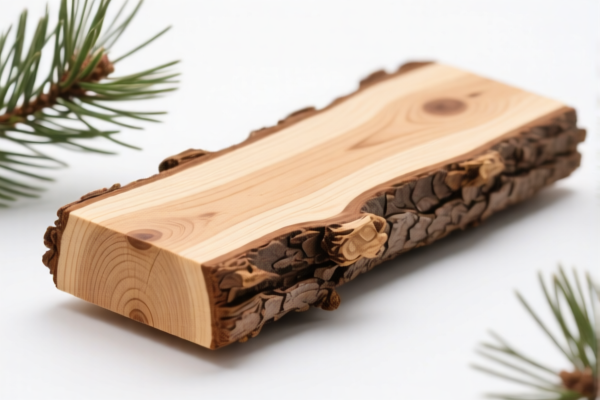
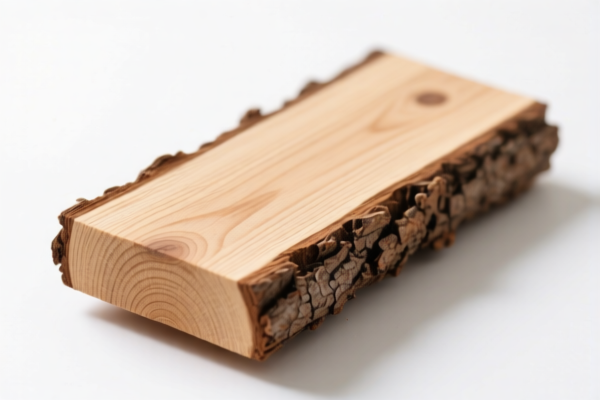
AI Analysis
🌲 Pine Wood Rough Material (建筑/工程用材)
🌐 HS Code Reference & Customs Clearance Guide | 2026 Latest Tariff Analysis | Professional Clearance Strategy
📌 I. Product Definition & Classification: What is "Pine Wood Rough Material"?
"Pine Wood Rough Material" refers to timber derived from pine trees (a type of softwood/conifer) used primarily in construction and engineering. In international trade, this category is strictly divided based on the degree of processing.
1. Unprocessed/Basic Sawn Wood (Rough): - Timber that has been sawn or chipped lengthwise but lacks further shaping (like molding, profiling, or gluing). - Key characteristic: Rough surface, basic rectangular cross-sections.
2. Processed/Engineered Wood Components: - Timber that has undergone specific manufacturing processes such as molding, profiling, or lamination (gluing multiple layers together). - Key characteristic: Precision-cut joints, molded shapes, or structural laminates.
⚠️ Critical Distinction Point: - If the wood is only sawn/sliced (no moldings, no gluing) → It falls under Chapter 44, Heading 4407. - If the wood has molded edges, profiles, or is made into joinery → It falls under Chapter 44, Heading 4409. - If the wood is glued into beams or structural units → It falls under Chapter 44, Heading 4418.
📦 II. HS Code Classification Details (2026 Latest Tariff Authority Cross-Reference)
Based on the specific product data provided, here are the precise HS Codes for Pine Wood materials used in construction:
| HS Code | Product Description | Application Scenario | Processing Level |
|---|---|---|---|
4407.11.00.43 |
Pine Wood Construction Material, Unprocessed Coniferous Timber | Raw pine lumber, basic construction framing, structural supports | ✅ Basic Sawing/Chip |
4407.11.00.01 |
Pine Wood Construction Material, Lengthwise Sliced/Sawn | Standard pine planks, beams, basic dimension lumber | ✅ Basic Sawing/Slicing |
4409.10.40.10 |
Pine Wood Construction Material, Molded Components | Pre-shaped pine parts, molded wood pieces for specific architectural details | ✅ Molded/Profiled |
4409.10.40.90 |
Pine Wood Construction Material, Moulded Pieces (General) | Other molded pine wood items for construction use | ✅ Molded/Profiled |
4418.30.01.00 |
Pine Wood Construction Material, Joinery & Wood Crafts | Pine joints, connectors, pre-assembled wood craft items for building | ✅ Assembled/Joined |
4418.81.00.00 |
Pine Wood Construction Material, Glued Timber | Glulam beams, engineered structural pine wood | ✅ Glued/Engineered |
🔍 Key Reminder: - "Rough" usually implies 4407 codes. However, if the wood has been molded (even slightly) for fit, it moves to 4409. - "Engineering Structural Wood" implies lamination, moving it to 4418. - Misclassification between "Sawn" (4407) and "Molded" (4409) is a common customs error that affects duty calculation and regulatory compliance.
💰 III. 2026 Latest Tariff Rate Breakdown (Including Additional Duties & Policy Surcharges)
✅ Applicable Country: USA (US) ✅ Origin: China (CN) ✅ Effective Date: Ongoing (Includes subsequent imports)
🎯 1. 4407.11.00.43 & 4407.11.00.01 — Pine Wood, Lengthwise Sawn/Sliced
| Item | Content |
|---|---|
| Base Duty Rate | 0.0% (ad valorem) |
| USITC Additional Duty (Section 301) | +25.0% |
| IEEPA Additional Duty (Section 122) | +10.0% |
| Total Effective Rate | 35.0% |
| Tax Calculation | CIF Value × 35% |
| De Minimis Eligibility | ❌ No (deny_de_minimis) |
| Legal Basis Path | IEEPA:9903.01.24 → USITC:4407.11.00.01 → FOOTNOTE:9903.88.01 |
📌 Explanation: - The 25% is the standard Section 301 tariff on Chinese timber products. - The 10% is the Section 122 tariff (under the International Emergency Economic Powers Act) specifically applied to certain Chinese goods. - Total: 35%. This is a high-cost item for US importers.
🎯 2. 4409.10.40.10 & 4409.10.40.90 — Pine Wood, Molded/Moulded
| Item | Content |
|---|---|
| Base Duty Rate | 0.0% (ad valorem) |
| USITC Additional Duty (Section 301) | +25.0% |
| IEEPA Additional Duty (Section 122) | +10.0% |
| Total Effective Rate | 35.0% |
| Tax Calculation | CIF Value × 35% |
| De Minimis Eligibility | ❌ No |
| Legal Basis Path | IEEPA:9903.01.24 → USITC:4409.10.40.xx → FOOTNOTE:9903.88.01 |
📌 Note: - Like the raw sawn wood, molded pine wood from China is subject to the same 35% total burden. - Even though "molded" wood might be considered higher value-added, the punitive tariffs remain consistent for this origin.
🎯 3. 4418.30.01.00 — Pine Wood, Joinery & Wood Crafts
| Item | Content |
|---|---|
| Base Duty Rate | 3.2% (ad valorem) |
| USITC Additional Duty (Section 301) | +25.0% |
| IEEPA Additional Duty (Section 122) | +10.0% |
| Total Effective Rate | 38.2% |
| Tax Calculation | CIF Value × 38.2% |
| De Minimis Eligibility | ❌ No |
| Legal Basis Path | IEEPA:9903.01.24 → USITC:4418.30.01.00 → FOOTNOTE:9903.88.01 |
📌 Critical Difference: - Base rate is 3.2%, not 0%. Therefore, the total tax is 38.2%, which is 3.2% higher than the rough/molded wood categories. - Pre-fabricated joinery and craft items carry a higher base duty.
🎯 4. 4418.81.00.00 — Pine Wood, Glued Timber (Glulam)
| Item | Content |
|---|---|
| Base Duty Rate | 3.2% (ad valorem) |
| USITC Additional Duty (Section 301) | +25.0% |
| IEEPA Additional Duty (Section 122) | +10.0% |
| Total Effective Rate | 38.2% |
| Tax Calculation | CIF Value × 38.2% |
| De Minimis Eligibility | ❌ No |
| Legal Basis Path | IEEPA:9903.01.24 → USITC:4418.81.00.00 → FOOTNOTE:9903.88.01 |
📌 Note: - Engineered wood (glued timber) is treated similarly to joinery in terms of base duty (3.2%), leading to a 38.2% total tax. - Ensure the product is indeed "glued" (laminated) to justify this HS code; otherwise, it might be misclassified as simple "sawn" wood (lower base, same total).
🛠️ IV. Customs Clearance Practical Advice (Actionable Pitfall Avoidance)
✅ 1. Required Documentation Checklist (Non-Negotiable)
| Document | Required? | Notes |
|---|---|---|
| ✅ Product Specification Sheet | ✔️ | Must detail: Pine species (e.g., Southern Yellow Pine), dimensions, moisture content, treatment status (untreated). |
| ✅ Commercial Invoice | ✔️ | Clearly state: "Pine Wood, Untreated, for Construction Use." Avoid vague terms like "Wooden Parts." |
| ✅ Packing List | ✔️ | Detail number of bundles, pallets, and total weight. Ensure consistency with invoice. |
| ✅ Phytosanitary Certificate | ✔️ | Crucial for wood products. Must confirm no pests/diseases and comply with ISPM 15 standards if packaged. |
| ✅ Proof of Processing | ✔️ | For 4409 or 4418 codes: Provide photos or diagrams showing molding or gluing to justify higher processing level. |
| ✅ Third-Party Inspection Report | ✔️ | For quality control and verifying pine species vs. cheaper substitutes. |
✅ 2. Declaration Strategy (Key Mantras)
🔥 “Specify Treatment, Define Shape, Justify Glue!”
| Scenario | Correct Declaration | Wrong Practice |
|---|---|---|
| Raw Pine Planks | 4407.11.00.01 or 4407.11.00.43 + "Untreated Pine Lumber" |
Calling it "Wooden Beams" without specifying shape → Risk of misclassification |
| Molded Pine Trim | 4409.10.40.10 + "Pine Moulding for Construction" |
Calling it "Lumber" → Incorrect base duty rate |
| Glued Beam (Glulam) | 4418.81.00.00 + "Glued Laminated Timber, Pine" |
Calling it "Solid Wood Beam" → False declaration, high penalty risk |
| Pre-cut Joints | 4418.30.01.00 + "Pine Joinery Components" |
Calling it "Raw Wood" → Incorrect, higher base duty applies to joinery |
✅ 3. Special Handling Notes
| Situation | Handling Advice |
|---|---|
| Fumigation Status | If wood is untreated (as per data), ensure it is free of bark and pests. Customs may require fumigation certificates if bark is present. |
| Moisture Content | Declare moisture content. Excessively wet wood may be rejected or re-classified. |
| Mixed Shippments | If shipping raw (4407) and glued (4418) pine together, declare separately. Do not combine into one HS Code to save effort; it risks audit and penalties. |
| USDA/APHIS Compliance | All wood imports are subject to strict USDA regulations. Ensure the supplier provides valid phytosanitary certs. |
🌍 V. Global Market Comparison (2026 Context)
| Country/Region | Recommended HS Code | Duty Rate (China Origin) | Key Requirement | Notes |
|---|---|---|---|---|
| 🇺🇸 USA | 4407 / 4409 / 4418 |
35.0% - 38.2% | Phytosanitary Cert + Section 301/122 Compliance | Highest tariff burden globally. |
| 🇨🇳 China | 4407 / 4409 / 4418 |
Varies (0-10%) | Standard Import License | Lower entry barriers. |
| 🇪🇺 EU | 4407 / 4409 / 4418 |
0% - 10% | EUTR (EU Timber Regulation) Compliance | Strict legality verification. |
| 🇦🇺 Australia | 4407 / 4409 / 4418 |
5% - 10% | Biosecurity Permit | Strict biosecurity checks. |
📌 Conclusion: - The USA imposes the heaviest burden on Chinese pine wood due to Section 301 (25%) and Section 122 (10%) tariffs. - Cost planning must include the full 35%-38.2% duty cost. - Consider sourcing from non-China origins (e.g., Canada, Europe) for the US market to avoid these surcharges, if possible.
📌 VI. Common Errors & Pitfalls (Lessons Learned)
❌ Error 1: Classifying Glued Beams as Raw Lumber (4407)
👉 Consequence: Underpayment of base duty. Customs may reclassify to 4418 (3.2% base) and levy back-taxes + penalties.
❌ Error 2: Using vague description "Pine Wood" on Invoice
👉 Consequence: Customs cannot determine if it is molded (4409) or raw (4407). Leads to delays, audits, and potential demurrage fees.
❌ Error 3: Ignoring Section 122 (10%) in Cost Calculations 👉 Consequence: Profit margin erosion. Many importers only account for the 25% Section 301 tariff, missing the additional 10%.
✅ Correct Approach:
"Pine Wood, Sawn Lengthwise, Untreated, For Construction, Species: Pinus Taeda, Moisture: 19%"
🎯 VII. Conclusion: Precision in Wood Classification Saves Money!
🎯 Remember the Mantra:
🔹 "Raw is 4407, Molded is 4409, Glued/Joinery is 4418."
🔹 "Base 0% for Sawn/Molded, Base 3.2% for Glued/Joinery."
🔹 "Total Tax is 35% for Rough/Molded, 38.2% for Glued/Joinery."
📌 Pro Tip:
If your pine wood is not from China (e.g., from Canada, Brazil, or Europe), you may be exempt from the Section 301 (25%) and Section 122 (10%) surcharges. - Check Origin Carefully! - Apply for Pre-Ruling from US Customs (CBP) if your wood product has mixed features (e.g., partly sawn, partly glued).
📣 Take Action Now:
📞 Engage a licensed customs broker. 📄 Provide detailed product photos and specifications. 🚀 Ensure your Pine Wood clears US Customs smoothly, avoiding costly delays and unexpected tax liabilities!
✨ Professional Clearance Starts with Accurate Classification! 💼 Every Percent of Duty Counts in Wood Trade!
Customer Reviews
About HS Code Classification
The Harmonized System (HS) is an internationally standardized nomenclature developed by the World Customs Organization (WCO) to classify traded products. Over 200 countries use the HS system as the basis for customs tariffs, trade statistics, and import/export regulations.
Each HS code follows a hierarchical structure:
- Chapter (2 digits) — Broad category of goods (e.g., Chapter 84: Machinery and Mechanical Appliances)
- Heading (4 digits) — More specific grouping within the chapter
- Subheading (6 digits) — Internationally standardized breakdown, used by all WCO member countries
- National subdivisions (8-10 digits) — Country-specific extensions for further classification, such as US HTSUS 10-digit codes
Correct HS code classification is essential for smooth customs clearance, accurate duty payment, and compliance with trade regulations. Misclassification can lead to customs delays, overpayment of duties, or penalties.
When importing from CN to US, the applicable tariff rates may include:
- Most-Favored-Nation (MFN) rate — The standard duty rate applied to WTO members
- General rate — Applied to countries without trade agreements
- Trade remedy duties — Additional tariffs such as Section 301 (anti-dumping), Section 232 (national security), or countervailing duties
The information provided on this page is for reference purposes only. For official classification, please consult with your local customs authority or a licensed customs broker.