Pipe Cleaning Brush
CN → US| HS Code | Tariff Rate | Origin | Destination | Doc |
|---|---|---|---|---|
| 8467195090 | 35.0% | CN | US | Official Doc |
| 4417006000 | 35.0% | CN | US | Official Doc |
| 9603908050 | 70.3% | CN | US | Official Doc |
| 9603109000 | 27.5% | CN | US | Official Doc |
| 8205591000 | 42.2% | CN | US | Official Doc |
Product Images


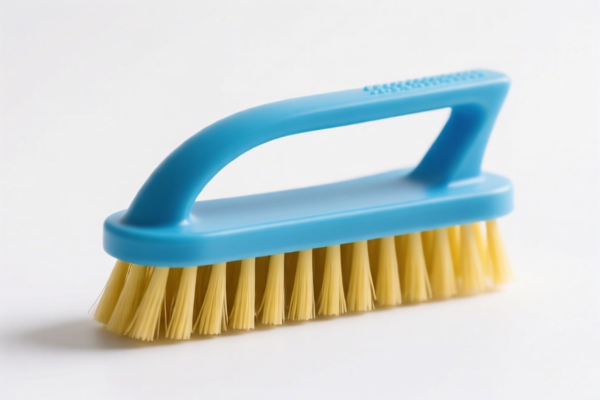
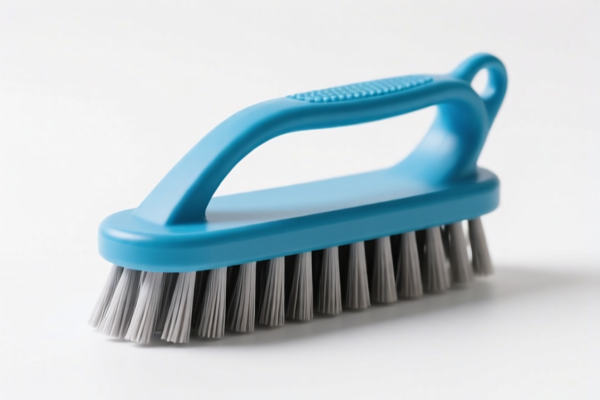
AI Analysis
🧹 Pipe Cleaning Brush (管道清洁刷)
🌐 HS Code Reference & Customs Clearance Guide | 2026 Latest Tariff Analysis | Professional Clearance Strategy
📌 I. Product Definition & Classification: Which "Brush" Are We Talking About?
The term "Pipe Cleaning Brush" is a broad description that can lead to significant tariff discrepancies depending on the material, driving mechanism, and specific structure of the tool. In international trade, this item is generally categorized into three distinct paths:
- Hand Tools (Non-Electric): If the brush is manually operated or part of a non-motorized mechanical system (e.g., a snake with a brush head), it may fall under hand tools.
- Powered Tools (Electric/Pneumatic/Hydraulic): If the brush is part of a motorized device designed for drilling or cleaning, it is classified under power tools.
- Bristled Brushes (Generic): If it is a simple brush component (e.g., a replacement head or a simple handheld brush) made of wood, plastic, or wire, it falls under the general "Brushes" category.
⚠️ Key Distinction Point:
- If it is a complete motorized tool (drill + cleaning head) → 8467
- If it is a simple manual brush with a wooden handle → 4417
- If it is a wire/hard-bristle brush (often for metal pipes) → 9603
- If it is a stainless steel rod/tool without bristles (for scraping/cleaning) → 8205
📦 II. HS Code Classification Details (2026 Latest Tariff Authority Comparison)
| HS Code | Product Description | Application Scenario | Driving Mechanism | Material Focus |
|---|---|---|---|---|
8467.19.50.90 |
Power tool parts/accessories: Other (Pneumatic/Hydraulic/Electric) | Motorized pipe augers, electric drain cleaning machines | ✅ Motorized/Pneumatic/Hydraulic | N/A (Tool system) |
4417.00.60.00 |
Boards, rods, profile shapes, etc., of wood; Wooden brush backs | Simple wooden-handled pipe brushes, manual cleaning tools | ❌ Manual | Wood |
9603.90.80.50 |
Brooms & brushes (incl. mop brushes): Other | Wire brushes, nylon bristle brushes for hard pipe surfaces | ❌ Manual | Steel, Aluminum, Copper, Nylon |
9603.10.90.00 |
Brooms, brushes: Other (incl.扫帚类) | General-purpose cleaning brushes, soft bristle brushes | ❌ Manual | Mixed Materials |
8205.59.10.00 |
Hand tools: Other (incl. Pipe wrenches/tools): Stainless Steel Rods | Stainless steel cleaning rods, auger stems without bristles | ❌ Manual | Stainless Steel |
🔍 Critical Reminder:
- Power Tools (8467) are treated as complete machines or major components.
- Wooden Handles (4417) are classified by their raw material origin.
- Wire/Metal Brushes (9603) attract the highest penalties due to "Steel/Aluminum/Copper" surcharges.
- Plain Steel Rods (8205) are classified as "Hand Tools" but face specific metal surcharges.
💰 III. 2026 Latest Tariff Rate Breakdown (Including Surcharges & Policy Add-ons)
✅ Applicable Country: United States (US)
✅ Origin: China (CN)
✅ Effective Date: From Nov 10, 2025 (and subsequent imports)
🎯 1. 8467.19.50.90 — Power Tool Parts/Accessories (Pneumatic/Hydraulic/Electric)
| Item | Content |
|---|---|
| Base Tariff | 0.0% (ad valorem) |
| USITC Surcharge | +25.0% (Section 301/USITC Footnote) |
| IEEPA Surcharge | +10.0% (Targeting China/HK products) |
| Total Rate | 35.0% |
| Tax Calculation | CIF Value × 35% |
| De Minimis Eligibility | ❌ No (deny_de_minimis) |
| Legal Basis Path | USITC:8467.19.50.90 → IEEPA:9903.01.24 → FOOTNOTE:301-Surcharge |
📌 Explanation:
- Although the base tariff is 0%, the 25% Section 301 surcharge and 10% IEEPA surcharge apply. - This is often the safest route for motorized cleaning systems to avoid the heavy "Steel/Aluminum" penalties of9603.
🎯 2. 4417.00.60.00 — Wooden Brush Backs/Rods
| Item | Content |
|---|---|
| Base Tariff | 0.0% (ad valorem) |
| USITC Surcharge | +25.0% |
| IEEPA Surcharge | +10.0% |
| Total Rate | 35.0% |
| Tax Calculation | CIF Value × 35% |
| De Minimis Eligibility | ❌ No |
| Legal Basis Path | USITC:4417.00.60.00 → IEEPA:9903.01.24 |
📌 Note:
- Applies to brushes where the primary structure is wood (e.g., wooden handle + brush head). - If the brush head is metal, customs may reclassify to9603(see below), so ensure the wooden component is substantial.
🎯 3. 9603.90.80.50 — Other Brooms & Brushes (Steel/Aluminum/Copper)
| Item | Content |
|---|---|
| Base Tariff | 2.8% |
| USITC Surcharge | +7.5% |
| IEEPA Surcharge | +10.0% |
| Steel/Aluminum/Copper Surcharge | +50.0% (Critical!) |
| Total Rate | 70.3% |
| Tax Calculation | CIF Value × 70.3% |
| De Minimis Eligibility | ❌ No |
| Legal Basis Path | USITC:9603.90.80.50 → IEEPA:9903.01.24 → FOOTNOTE:STEEL-50PCT |
📌 Warning:
- This is the most expensive category. - Applies to wire brushes, metal bristle brushes, or brushes with metal components. - The 50% steel/aluminum surcharge is the killer here. Avoid this classification if possible.
🎯 4. 9603.10.90.00 — Other Brooms & Brushes (Non-Specific Metal)
| Item | Content |
|---|---|
| Base Tariff | 10.0% |
| USITC Surcharge | +7.5% |
| IEEPA Surcharge | +10.0% |
| Total Rate | 27.5% |
| Tax Calculation | CIF Value × 27.5% |
| De Minimis Eligibility | ❌ No |
| Legal Basis Path | USITC:9603.10.90.00 → IEEPA:9903.01.24 |
📌 Note:
- Applies to generic brushes that do not fall into the heavy steel/aluminum category (e.g., plastic bristles, soft bristles). - Base tariff is higher (10%), but avoids the 50% metal penalty.
🎯 5. 8205.59.10.00 — Stainless Steel Hand Tools (Rods/Stems)
| Item | Content |
|---|---|
| Base Tariff | 7.2% |
| USITC Surcharge | +25.0% |
| IEEPA Surcharge | +10.0% |
| Total Rate | 42.2% |
| Tax Calculation | CIF Value × 42.2% |
| De Minimis Eligibility | ❌ No |
| Legal Basis Path | USITC:8205.59.10.00 → IEEPA:9903.01.24 |
📌 Note:
- Applies to stainless steel cleaning rods or auger stems without bristles. - Classified as "Hand Tools" rather than "Brushes," but still attracts high USITC surcharges.
🛠️ IV. Customs Clearance Practical Advice (Pitfall Avoidance Guide)
✅ 1. Material Declaration is Critical
| Material | Recommended HS Code | Risk |
|---|---|---|
| Wooden Handle | 4417.00.60.00 |
Low risk if structure is predominantly wood. |
| Plastic/Nylon Bristles | 9603.10.90.00 |
Avoids steel penalty. |
| Steel/Wire Bristles | 9603.90.80.50 |
HIGH RISK: 50% Steel Surcharge. Total 70.3%. |
| Stainless Steel Rod | 8205.59.10.00 |
Moderate risk. 42.2%. |
| Motorized Tool Head | 8467.19.50.90 |
Best Strategy: 35%. Treat as tool part. |
📌 Strategy:
- If the brush is powered, declare as8467.19.50.90to cap the surcharge at 35%. - If manual, try to avoid steel bristles (9603.90.80.50) to avoid the 70.3% rate. Use4417(wood) or9603.10.90.00(non-steel).
✅ 2. Packing & Description Tips
| Scenario | Correct Declaration | Incorrect Declaration |
|---|---|---|
| Electric Drain Cleaner with Brush Head | "Power Tool Accessory: Drain Cleaning Auger Kit" | "Pipe Cleaning Brush" → May be forced to 9603 |
| Wooden Handle Brush | "Wooden Handle Cleaning Brush" | "Pipe Cleaner" → Vague, leads to detention |
| Wire Brush for Metal Pipes | "Bristle Brush, Steel Wire" | "Pipe Tool" → High scrutiny |
| Stainless Steel Rod | "Stainless Steel Cleaning Rod, Manual Tool" | "Brush" → Misclassification |
🔥 "Power Tool vs. Manual Brush" Mantra:
- If it connects to a drill or motor →8467(35%).
- If you hold it in your hand →4417(35%) or9603(27.5%-70.3%).
✅ 3. Special Circumstances
| Situation | Handling Advice |
|---|---|
| Composite Brush (Wood Handle + Steel Wire) | Customs may classify as 9603.90.80.50 (70.3%) if steel is functional. Try to declare as 4417 if wood is the main value/structure. |
| OEM Custom Brushes | Provide design specs. If no bristles, just a steel rod, use 8205. |
| Small De Minimis Shipments | ❌ None qualify. All these HS codes are denied de minimis entry from China due to IEEPA/Section 301. |
| Pre-Ruling | Highly Recommended. Apply for a binding ruling if you are importing large volumes to lock in the 35% rate (8467 or 4417) instead of 70.3%. |
🌍 V. Global Market Comparison (2026 Latest)
| Country/Region | Recommended HS Code | Estimated Tariff | Key Requirement |
|---|---|---|---|
| 🇺🇸 USA | 8467.19.50.90 |
35% (Best for power tools) | FCC (if electric), Detailed Material |
| 🇺🇸 USA | 9603.90.80.50 |
70.3% (Worst for steel brushes) | Avoid if possible |
| 🇨🇳 China | 9603.90.00.00 |
5% - 10% | Standard Export Declaration |
| 🇪🇺 EU | 9603.21.00.00 |
0% - 4% | CE Marking (if applicable) |
| 🇬🇧 UK | 9603.21.00.00 |
0% - 4% | Post-Brexit Tariff Schedule |
📌 Conclusion:
- USA is the highest cost market due to Section 301 and IEEPA.
- Steel-bristled brushes (9603.90.80.50) are the most penalized (70.3%).
- Motorized tools (8467) or Wooden Brushes (4417) offer a 35% rate, which is significantly better.
📌 VI. Common Errors & Pitfalls (Lessons from Experience)
❌ Error 1: Declaring a motorized pipe cleaner as a "Brush" (9603).
👉 Consequence: Rejected by Customs, forced to re-classify, potential penalties.
✅ Fix: Declare as "Power Tool Accessory" (8467).
❌ Error 2: Declaring a steel wire brush as "Plastic Brush" (9603.10.90.00).
👉 Consequence: 27.5% vs 70.3%. If caught, back taxes + fines.
✅ Fix: Accurate material description. If steel, accept 70.3% or redesign with nylon.
❌ Error 3: Splitting a kit (Drill + Brush) into separate shipments.
👉 Consequence: High administrative cost, potential misclassification.
✅ Fix: Declare as a single kit under the power tool code (8467) if the brush is integral.
🎯 VII. Conclusion: Smart Classification, Lower Costs!
🎯 Remember the Mantra:
🔹 "Power Tools: 35%. Wood: 35%. Steel Brush: 70%. Plastic Brush: 27.5%."
🔹 "Avoid Steel Bristles at All Costs in the US Market!"
📌 Pro Tip:
If your pipe cleaning brush is made of nylon bristles with a wooden handle, declare as 4417.00.60.00 (35%) or 9603.10.90.00 (27.5%).
If it is electric, declare as 8467.19.50.90 (35%).
Do NOT declare as 9603.90.80.50 (70.3%) unless unavoidable.
📣 Immediate Action:
📞 Review your Bill of Materials (BOM).
📷 Take photos of the product (especially material close-ups).
🚀 Choose the HS code that minimizes the Steel/Aluminum surcharge.
✨ Professional Clearance Starts with Precise Classification!
💼 Save 43% on tariffs by choosing the right HS Code!
Customer Reviews
About HS Code Classification
The Harmonized System (HS) is an internationally standardized nomenclature developed by the World Customs Organization (WCO) to classify traded products. Over 200 countries use the HS system as the basis for customs tariffs, trade statistics, and import/export regulations.
Each HS code follows a hierarchical structure:
- Chapter (2 digits) — Broad category of goods (e.g., Chapter 84: Machinery and Mechanical Appliances)
- Heading (4 digits) — More specific grouping within the chapter
- Subheading (6 digits) — Internationally standardized breakdown, used by all WCO member countries
- National subdivisions (8-10 digits) — Country-specific extensions for further classification, such as US HTSUS 10-digit codes
Correct HS code classification is essential for smooth customs clearance, accurate duty payment, and compliance with trade regulations. Misclassification can lead to customs delays, overpayment of duties, or penalties.
When importing from CN to US, the applicable tariff rates may include:
- Most-Favored-Nation (MFN) rate — The standard duty rate applied to WTO members
- General rate — Applied to countries without trade agreements
- Trade remedy duties — Additional tariffs such as Section 301 (anti-dumping), Section 232 (national security), or countervailing duties
The information provided on this page is for reference purposes only. For official classification, please consult with your local customs authority or a licensed customs broker.