Pipe Fitting
CN → US| HS Code | Tariff Rate | Origin | Destination | Doc |
|---|---|---|---|---|
| 7307110060 | 39.8% | CN | US | Official Doc |
| 3917400095 | 40.3% | CN | US | Official Doc |
| 4009120020 | 20.0% | CN | US | Official Doc |
| 7307199080 | 41.2% | CN | US | Official Doc |
| 3917400050 | 40.3% | CN | US | Official Doc |
Product Images
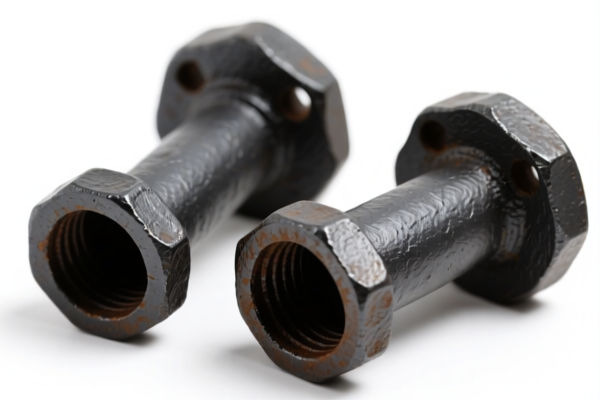
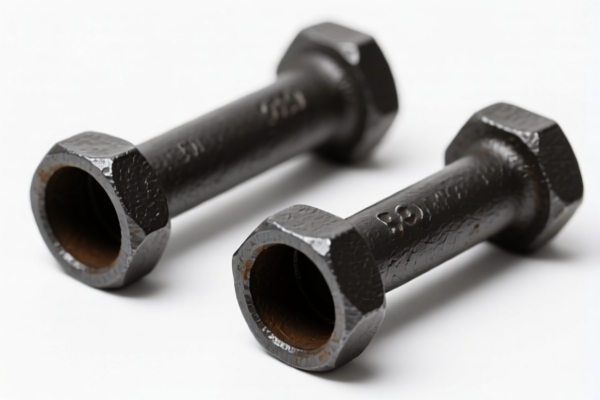
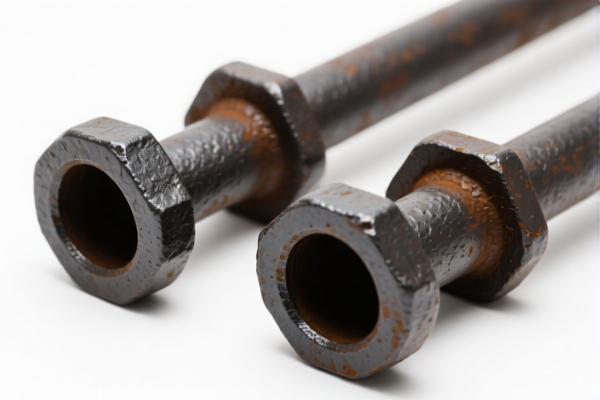
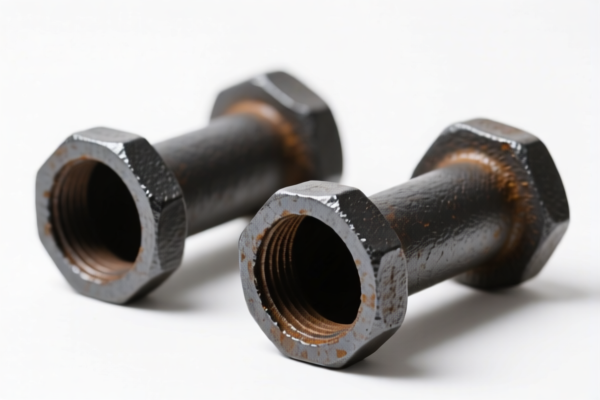
AI Analysis
🔗 Pipe Fittings (管件连接件)
🌐 HS Code Reference & Customs Clearance Guide | 2026 Latest Tariff Analysis | Strategic Entry Strategy
📌 I. Product Definition & Classification: Do You Really Know "Pipe Fittings"?
Pipe fittings are essential components used to connect, control, change direction, or terminate piping systems. In international trade, they are broadly categorized by material and form. Misclassification is a common pitfall, leading to significant tariff discrepancies and clearance delays.
⚠️ Key Distinction Point:
- Material Matters: The base material (Cast Iron, Plastic, Rubber, or Other Metals) dictates the primary HS Code chapter. - Form Matters: "Fittings" usually refer to elbows, tees, couplers, and adapters. - Fallback Categories: If the specific material isn't clearly defined or doesn't match standard headings, "Other" or "Catch-all" categories apply, often with higher or complex tax structures.
📦 II. HS Code Classification Details (2026 Latest Tariff Authority Comparison)
Based on the inferred materials and forms for Pipe Fittings, here are the 5 most relevant HS Codes from the data provided:
| HS Code | Product Description & Material Inference | Application Scenario | Tax Complexity |
|---|---|---|---|
7307.11.00.60 |
Non-ductile Iron Fittings: Pipe joints, elbows, sleeves. Material inferred as non-ductile cast iron. | Heavy-duty industrial piping, water supply networks. | ⭐⭐⭐ High |
3917.40.00.95 |
Plastic Fittings: Pipe connectors, fittings. Material inferred as plastic, shape matches "Fittings". | Residential plumbing, chemical transport, drainage systems. | ⭐⭐⭐ High |
4009.12.00.20 |
Sulfurized Rubber Connectors: Pipe connectors with attachments. Material inferred as sulfurized rubber. | Flexible piping, vibration dampening, fluid transfer. | ⭐⭐ Low |
7307.19.90.80 |
Other Metal Fittings: Pipe connections, joints. Material inferred as metal, fits other categories fallback. | General metal piping, industrial machinery, stainless steel (if not covered elsewhere). | ⭐⭐⭐ High |
3917.40.00.50 |
Other Plastic Fittings: Pipe connectors. Material inferred as plastic, other categories fallback. | Non-standard plastic fittings, specialized polymer connectors. | ⭐⭐⭐ High |
🔍 Important Reminder:
- Iron/Steel Fittings generally fall under Chapter 73 (7307). - Plastic Fittings generally fall under Chapter 39 (3917). - Rubber/Hose Connectors generally fall under Chapter 40 (4009). - Note on Data: The provided data indicates that all these categories are subject to significant additional tariffs (Section 301 and 122).
💰 III. 2026 Latest Tariff Rate Details (Including Additional Taxes & Policy Surcharges)
✅ Applicable Country: United States (US)
✅ Origin: China (CN) (Inferred from tariff structure: 25% Section 301 + 10% Section 122)
✅ Effective Time: Current 2026 Trade Policy
🎯 1. 7307.11.00.60 – Non-Ductile Iron Pipe Fittings
| Item | Content |
|---|---|
| Base Tariff | 4.8% (Ad Valorem) |
| Section 301 Surcharge | +25.0% |
| Section 122 Surcharge | +10.0% |
| Total Tax Rate | 39.8% |
| Tax Calculation | CIF Value × 39.8% |
| De Minimis Exemption | ❌ Not Eligible (Deny) |
| Legal Basis Path | Base: 7307.11 → Sec301: 25% → Sec122: 10% |
📌 Explanation:
- This classification applies to heavy, brittle iron fittings (e.g., traditional cast iron water pipes). - The 39.8% total rate is extremely high, significantly impacting profit margins for industrial hardware exporters.
🎯 2. 3917.40.00.95 – Plastic Pipe Fittings (Standard)
| Item | Content |
|---|---|
| Base Tariff | 5.3% (Ad Valorem) |
| Section 301 Surcharge | +25.0% |
| Section 122 Surcharge | +10.0% |
| Total Tax Rate | 40.3% |
| Tax Calculation | CIF Value × 40.3% |
| De Minimis Exemption | ❌ Not Eligible (Deny) |
| Legal Basis Path | Base: 3917.40 → Sec301: 25% → Sec122: 10% |
📌 Note:
- Applies to standard plastic fittings (PVC, CPVC, PE, PP). - Slightly higher than iron fittings due to a higher base rate (5.3% vs 4.8%).
🎯 3. 4009.12.00.20 – Sulfurized Rubber Pipe Connectors
| Item | Content |
|---|---|
| Base Tariff | 2.5% (Ad Valorem) |
| Section 301 Surcharge | +7.5% |
| Section 122 Surcharge | +10.0% |
| Total Tax Rate | 20.0% |
| Tax Calculation | CIF Value × 20.0% |
| De Minimis Exemption | ❌ Not Eligible (Deny) |
| Legal Basis Path | Base: 4009.12 → Sec301: 7.5% → Sec122: 10% |
📌 Optimization Opportunity:
- Lowest Tariff among categories! At 20.0%, rubber hose connectors with attachments are significantly cheaper than rigid metal/plastic fittings. - Ensure the product is clearly defined as a "connector with attachments" (hose ends, clamps) to qualify for this rate.
🎯 4. 7307.19.90.80 – Other Metal Pipe Fittings (Fallback)
| Item | Content |
|---|---|
| Base Tariff | 6.2% (Ad Valorem) |
| Section 301 Surcharge | +25.0% |
| Section 122 Surcharge | +10.0% |
| Total Tax Rate | 41.2% |
| Tax Calculation | CIF Value × 41.2% |
| De Minimis Exemption | ❌ Not Eligible (Deny) |
| Legal Basis Path | Base: 7307.19 → Sec301: 25% → Sec122: 10% |
📌 Warning:
- This is a "Catch-all" for other metals. If your metal fitting doesn't fit7307.11(Non-Ductile Iron) or7307.19(Ductile Iron), it falls here. - It has the Highest Base Rate (6.2%) and highest total tax (41.2%) among metal options. Avoid misclassification here.
🎯 5. 3917.40.00.50 – Other Plastic Pipe Fittings (Fallback)
| Item | Content |
|---|---|
| Base Tariff | 5.3% (Ad Valorem) |
| Section 301 Surcharge | +25.0% |
| Section 122 Surcharge | +10.0% |
| Total Tax Rate | 40.3% |
| Tax Calculation | CIF Value × 40.3% |
| De Minimis Exemption | ❌ Not Eligible (Deny) |
| Legal Basis Path | Base: 3917.40 → Sec301: 25% → Sec122: 10% |
📌 Note:
- Same total rate as3917.40.00.95(40.3%), but different base classification. - Use only if the plastic fitting does not fit the primary "Fittings" description in.95.
🛠️ IV. Customs Clearance Practical Advice (Real-World Pitfall Guide)
✅ 1. Required Documentation Checklist (Non-Negotiable)
| Document | Mandatory | Explanation |
|---|---|---|
| ✅ Product Specification Sheet | ✔️ | Must explicitly state Material (e.g., "Ductile Iron," "PVC," "Sulfurized Rubber"). |
| ✅ Technical Drawings/Photos | ✔️ | Clear images showing threads, flanges, or rubber ends to prove "Fitting" vs "Hose." |
| ✅ Commercial Invoice | ✔️ | Description must be precise: e.g., "PVC Pipe Fitting, Elbow 90°, DN50" NOT just "Pipe Part." |
| ✅ Certificate of Origin (CO) | ✔️ | Essential for verifying Country of Origin to apply Section 301/122 correctly. |
| ✅ HS Code Pre-Ruling | ✔️ | Highly Recommended due to high tax variance (20% vs 41.2%). |
✅ 2. Declaration Tips (Key Mantra)
🔥 “Material First, Form Second, Name Precise, Tax Minimized!”
| Scenario | Correct Declaration | Wrong Practice |
|---|---|---|
| Cast Iron Elbow | 7307.11.00.60 (Non-Ductile Iron) |
Declare as "Metal Fitting" → 7307.19.90.80 → 41.2% |
| PVC Connector | 3917.40.00.95 (Plastic Fitting) |
Declare as "Plastic Part" → Ambiguity → 40.3% |
| Rubber Hose Connector | 4009.12.00.20 (Rubber with Attachments) |
Declare as "Plastic Fitting" → 40.3% (Avoidable loss!) |
| Stainless Steel Pipe Fitting | Check if 7307.11 or 7307.19 applies |
If not ductile/non-ductile, may fall to fallback → 41.2% |
💡 Strategic Insight:
- If your product is a rubber connector with metal ends/clamps, ensure it is declared under4009.12.00.20to save ~20% in taxes compared to plastic/metal alternatives. - If the rubber is merely a seal and the main body is plastic/metal, it may not qualify for the 20% rate. Physical composition is key.
✅ 3. Special Case Handling
| Case | Handling Advice |
|---|---|
| Mixed Material Fittings (e.g., Plastic body with Metal threads) | Declare based on Essential Character. If plastic is dominant → 3917. If metal is dominant → 7307. |
| OEM Custom Fittings | Provide client design specs. Ensure material matches invoice description exactly. |
| Small Quantity Samples | Still subject to 301/122. No De Minimis Exemption. Plan costs accordingly. |
| Origin Transshipment | If goods are re-packed in Vietnam/Mexico, ensure Substantial Transformation occurs to avoid US anti-circumvention duties. |
🌍 V. Global Market Clearance Comparison (2026 Latest)
| Country/Region | Recommended HS Code | Estimated Tariff | Certification Requirements | Notes |
|---|---|---|---|---|
| 🇺🇸 USA | Depends on Material | 20% – 41.2% | None specific (General) | High taxes due to Sec 301 & 122. |
| 🇨🇳 China | Same HS Codes | 5% – 10% | RoHS (if plastic) | Lower baseline, but export focus. |
| 🇪🇺 EU | Same HS Codes | 3.5% – 5.5% | CE (if pressure equipment) | No 301/122 surcharges. |
| 🇬🇧 UK | Same HS Codes | 3.5% – 5.5% | UKCA | Post-Brexit rules apply. |
| 🇨🇦 Canada | Same HS Codes | 5% – 8% | CSA (if gas/water) | No US-style surcharges. |
📌 Conclusion:
- The US is the most expensive market for Chinese-made pipe fittings due to the 25% Section 301 and 10% Section 122 tariffs. - Rubber connectors (4009.12.00.20) offer the best tariff advantage (20%) compared to metal/plastic fittings (~40%). - Strategy: Consider product redesign to use rubber/composite materials if functional, or optimize supply chain to avoid US origin for final assembly.
📌 VI. Common Errors & Pitfall Guide (Blood & Tears Lessons)
❌ Error 1: Declaring "Pipe Fitting" generically.
👉 Consequence: Customs will assign the highest default rate or request detailed info → Delays & Penalties.
❌ Error 2: Misclassifying Rubber Connectors as Plastic.
👉 Consequence: Paying 40.3% instead of 20.0%. Overpayment of 20% in taxes!
❌ Error 3: Ignoring Section 122 (10%).
👉 Consequence: Many traders only account for Section 301 (25%). Forgetting the 10% leads to unexpected budget shortfalls.
❌ Error 4: Using "Hose" instead of "Connector with Attachments".
👉 Consequence: If declared as "Hose" (4009.11), it may have different rates. Ensure the product has "attachments" (threaded ends, clamps) to qualify for 4009.12.00.20.
✅ Correct Practice:
"Sulfurized Rubber Pipe Connector with Metal Threaded Ends, DN25, for Water Supply, Model XYZ"
🎯 VII. Conclusion: Professional Declaration Saves Money!
🎯 Remember the Mantra:
🔹 "Material Dictates Code, Rubber Wins at 20%, Metal/Plastic at 40%!"
🔹 "Don't Guess, Classify. 20% vs 40% is a huge profit difference!"
📌 Pro Tip:
- If your fittings are Plastic or Metal, the tariff is steep (~40%).
- If you can redesign to be Rubber Connectors with Attachments, you can save ~20% in taxes.
- Always apply for an Advance Ruling with CBP if the material is ambiguous (e.g., plastic-metal composite).
📣 Immediate Action:
📞 Contact your customs broker with exact material specs.
🚀 Optimize your HS Code to secure the 20% rate if possible, or budget accurately for ~40% if not.
✨ Professional Clearance Starts with Accurate Classification!
💼 Your profit margin depends on the right HS Code!
Customer Reviews
About HS Code Classification
The Harmonized System (HS) is an internationally standardized nomenclature developed by the World Customs Organization (WCO) to classify traded products. Over 200 countries use the HS system as the basis for customs tariffs, trade statistics, and import/export regulations.
Each HS code follows a hierarchical structure:
- Chapter (2 digits) — Broad category of goods (e.g., Chapter 84: Machinery and Mechanical Appliances)
- Heading (4 digits) — More specific grouping within the chapter
- Subheading (6 digits) — Internationally standardized breakdown, used by all WCO member countries
- National subdivisions (8-10 digits) — Country-specific extensions for further classification, such as US HTSUS 10-digit codes
Correct HS code classification is essential for smooth customs clearance, accurate duty payment, and compliance with trade regulations. Misclassification can lead to customs delays, overpayment of duties, or penalties.
When importing from CN to US, the applicable tariff rates may include:
- Most-Favored-Nation (MFN) rate — The standard duty rate applied to WTO members
- General rate — Applied to countries without trade agreements
- Trade remedy duties — Additional tariffs such as Section 301 (anti-dumping), Section 232 (national security), or countervailing duties
The information provided on this page is for reference purposes only. For official classification, please consult with your local customs authority or a licensed customs broker.