Pipe Fittings
CN → US| HS Code | Tariff Rate | Origin | Destination | Doc |
|---|---|---|---|---|
| 7307110060 | 39.8% | CN | US | Official Doc |
| 3917400095 | 40.3% | CN | US | Official Doc |
| 4009120020 | 20.0% | CN | US | Official Doc |
| 7307199080 | 41.2% | CN | US | Official Doc |
| 3917400050 | 40.3% | CN | US | Official Doc |
Product Images
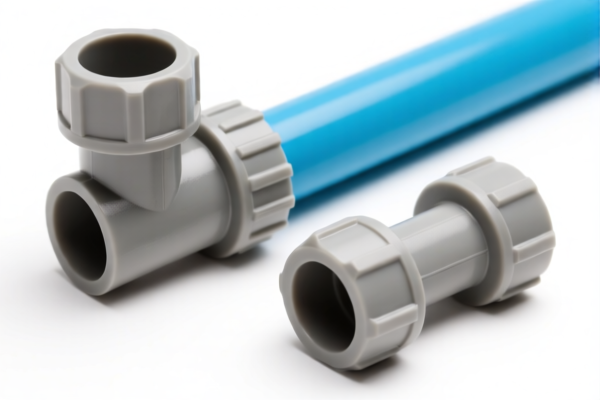
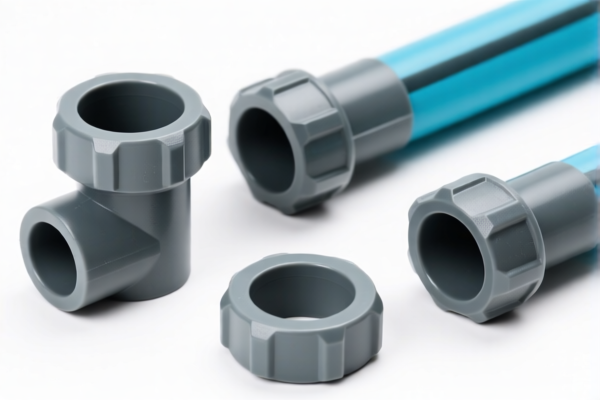
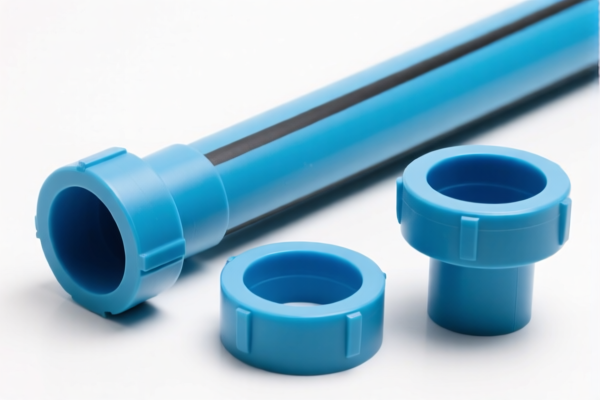
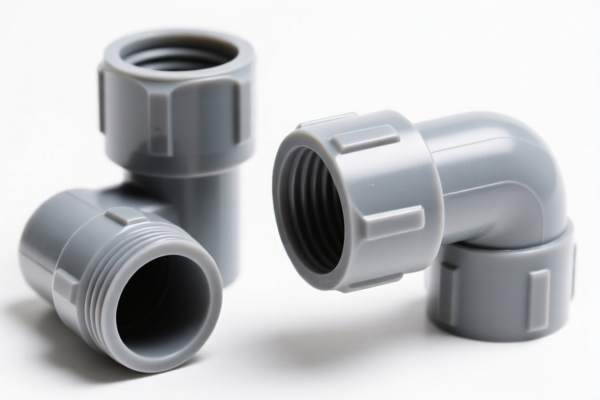
AI Analysis
🛠️ Pipe Fittings: The Unsung Heroes of Fluid Dynamics
🌐 HS Code Reference & Clearance Guide | 2026 Latest Tariff Analysis | Strategic Classification for Pipe Connectors
📌 I. Product Definition & Classification: Do You Really Understand "Pipe Fittings"?
Pipe fittings are the essential connectors used in piping systems to join, control, or change the direction of fluid flow (water, gas, oil, chemicals). In international trade, they are categorized primarily by material and form, not just function. Misclassification is common because many fittings look similar but fall under drastically different HS Codes and tax brackets.
⚠️ Key Distinction Point:
- Material is King: Is it Cast Iron? Plastic? Rubber? Or Other Metal?
- Form Matters: Are they specific elbows/sockets, or generic "other" connectors?
- Flexibility: Is it a rigid pipe fitting or a flexible hose assembly?
📦 II. HS Code Classification Details (2026 Latest Tariff Authority Comparison)
Based on the provided data for Pipe Fittings, here are the 5 most relevant HS Codes, categorized by material inference:
| HS Code | Product Description | Material Inference | Form/Use Case |
|---|---|---|---|
7307.11.00.60 |
Pipe Fittings: Malleable Cast Iron | Non-Ductile Cast Iron | Connectors, elbows, sockets for piping |
7307.19.90.80 |
Pipe Fittings: Other Iron/Steel | Metal (General) | Generic metal connectors; "Other" category fallback |
3917.40.00.95 |
Pipe Fittings: Plastic | Plastic | Rigid plastic fittings matching "Fittings" description |
3917.40.00.50 |
Pipe Fittings: Other Plastic | Plastic | Plastic fittings; "Other" category fallback |
4009.12.00.20 |
Rubber Hose Assemblies | Vulcanized Rubber | Flexible rubber connectors with accessories/fittings |
🔍 Critical Note:
- Cast Iron vs. Steel:7307.11is for Malleable/Non-ductile cast iron. If the fitting is wrought steel or stainless steel, it falls under7307.19("Other").
- Plastic Types: Both3917.40.00.95and3917.40.00.50are for plastic fittings. The distinction lies in whether they fit a specific sub-heading or fall into the "Other" bucket.
- Rubber Hoses: If the fitting is part of a flexible hose assembly (not just a rigid connector), it may be classified under4009(Rubber hoses), which has a significantly lower base tax rate.
💰 III. 2026 Latest Tariff Rate Breakdown (Including Surcharges & Policy Add-ons)
✅ Applicable Country: United States (US)
✅ Origin: China (CN)
✅ Effective Time: Current tariffs apply (includes Section 301 & IEEPA surcharges)
🎯 1. 7307.11.00.60 —— Malleable Cast Iron Pipe Fittings
| Item | Content |
|---|---|
| Base Tariff | 4.8% |
| Section 301 Surcharge | +25.0% |
| IEEPA Surcharge | +10.0% (122 Section) |
| Total Tax Rate | 39.8% |
| Tax Calculation | CIF Value × 39.8% |
| Legal Basis Path | USITC:7307.11.00.60 → FOOTNOTE:301 → IEEPA:9903 |
📌 Explanation:
- Cast iron fittings are heavily taxed due to trade tensions.
- The 39.8% rate is a blended total including the base duty plus two major surcharges.
- High Risk: Cast iron is a classic target for Section 301 tariffs.
🎯 2. 3917.40.00.95 & 3917.40.00.50 —— Plastic Pipe Fittings
| Item | Content |
|---|---|
| Base Tariff | 5.3% |
| Section 301 Surcharge | +25.0% |
| IEEPA Surcharge | +10.0% (122 Section) |
| Total Tax Rate | 40.3% |
| Tax Calculation | CIF Value × 40.3% |
| Legal Basis Path | USITC:3917.40.00.95/50 → FOOTNOTE:301 → IEEPA:9903 |
📌 Explanation:
- Plastic fittings have a slightly higher base duty (5.3% vs 4.8%) than cast iron, resulting in a 0.5% higher total rate (40.3%).
- Both "Specific" (...95) and "Other" (...50) plastic fittings share the same total tax burden due to identical surcharge structures.
🎯 3. 7307.19.90.80 —— Other Metal Pipe Fittings (Iron/Steel)
| Item | Content |
|---|---|
| Base Tariff | 6.2% |
| Section 301 Surcharge | +25.0% |
| IEEPA Surcharge | +10.0% (122 Section) |
| Total Tax Rate | 41.2% |
| Tax Calculation | CIF Value × 41.2% |
| Legal Basis Path | USITC:7307.19.90.80 → FOOTNOTE:301 → IEEPA:9903 |
📌 Explanation:
- This is the "Fallback" category for metal fittings that are not malleable cast iron (e.g., steel, stainless steel).
- Highest Tax Rate among metal/plastic rigid fittings at 41.2%.
- Caution: Do not misdeclare steel fittings as "cast iron" to save costs; customs may reject due to material discrepancies.
🎯 4. 4009.12.00.20 —— Vulcanized Rubber Hoses with Fittings
| Item | Content |
|---|---|
| Base Tariff | 2.5% |
| Section 301 Surcharge | +7.5% |
| IEEPA Surcharge | +10.0% (122 Section) |
| Total Tax Rate | 20.0% |
| Tax Calculation | CIF Value × 20.0% |
| Legal Basis Path | USITC:4009.12.00.20 → FOOTNOTE:301 → IEEPA:9903 |
📌 Strategic Advantage:
- Significantly Lower Tax: At 20.0%, this is nearly half the rate of rigid metal/plastic fittings.
- Condition: This classification applies specifically to rubber hoses (flexible) that come pre-assembled with fittings/accessories.
- Opportunity: If your product is a flexible rubber connector assembly, ensure it is declared as a "Rubber Hose Assembly" rather than "Plastic/Metal Fittings" to save ~20% in taxes.
🛠️ IV. Clearance Practical Advice (Real-World Pitfall Guide)
✅ 1. Preparation Checklist (Mandatory Documents)
| Document | Required | Purpose |
|---|---|---|
| ✅ Product Specification Sheet | ✔️ | Must clearly state Material Composition (e.g., "Malleable Iron," "PVC," "Vulcanized Rubber"). |
| ✅ Material Test Report | ✔️ | Certify if metal is "Cast Iron" vs. "Steel." Misclassification here is the #1 cause of penalties. |
| ✅ Photos of Product & Labels | ✔️ | Show connections, markings, and any "Made in China" labels. |
| ✅ Commercial Invoice | ✔️ | Describe as "Pipe Fittings - Material: [X]" not just "Fittings." |
| ✅ Packing List | ✔️ | Detail quantities and weights per material type if mixed shipments. |
✅ 2. Declaration Strategy (Key Rules)
🔥 "Material First, Form Second, Flexible Saves Cash!"
| Scenario | Correct HS Code | Incorrect HS Code | Consequence of Error |
|---|---|---|---|
| Cast Iron Elbow | 7307.11.00.60 (39.8%) |
7307.19.90.80 (41.2%) |
Overpay by 1.4% (minor) OR Underdeclare → Penalty |
| Steel Pipe Connector | 7307.19.90.80 (41.2%) |
7307.11.00.60 (39.8%) |
Undervaluation Risk: Customs will reclassify and fine |
| PVC Fitting | 3917.40.00.95 (40.3%) |
4009.12.00.20 (20.0%) |
Major Risk: Plastic is not rubber. Severe fraud penalty if misdeclared |
| Rubber Hose w/ Metal Ends | 4009.12.00.20 (20.0%) |
7307.19.90.80 (41.2%) |
Optimization: Declare as "Rubber Hose Assembly" if primary function is flexibility |
✅ 3. Special Handling Tips
| Situation | Recommendation |
|---|---|
| Mixed Material Shipment | Split the Declaration! Do not combine cast iron and plastic in one line item. Declare separately to avoid ambiguity. |
| OEM Custom Fittings | Provide design drawings showing material thickness and type to prove "Malleable" vs. "Steel." |
| Rubber vs. Plastic | If the fitting is semi-rigid plastic, it cannot use the 20% rubber rate. Be honest about material. |
| Small Quantities | Ensure de minimis thresholds are met if shipping via courier, but remember Section 301/IEEPA surcharges often still apply depending on current enforcement. |
🌍 V. Global Market Clearance Comparison (2026 Latest)
| Country/Region | Recommended HS Code | Est. Tariff (China Origin) | Key Certification | Note |
|---|---|---|---|---|
| 🇺🇸 USA | Varies by Material | 20.0% - 41.2% | N/A | High surcharges (301 + IEEPA) make clearance expensive. |
| 🇨🇳 China | 7307.11 / 3917.40 |
~5% - 10% | N/A | Lower base rates, no Section 301. |
| 🇪🇺 EU | 7307.11 / 3917.40 |
~3.5% - 6.0% | CE (if pressure equipment) | No IEEPA surcharge. |
| 🇦🇺 Australia | 7307.11 / 3917.40 |
~5.0% | RCM (if electrical components nearby) | Moderate duties. |
| 🇯🇵 Japan | 7307.11 / 3917.40 |
~0% - 3.0% | PSE (if applicable) | Low base tariffs. |
📌 Conclusion:
- USA is the most expensive market for pipe fittings due to layered surcharges.
- Rubber hoses (4009.12.00.20) offer the best tax efficiency in the US market (20% vs 40%+).
- Always verify if your "fitting" is actually a "hose assembly" to leverage lower tax brackets.
📌 VI. Common Errors & Pitfalls (Lessons Learned)
❌ Error 1: Declaring Steel Fittings as Cast Iron
👉 Consequence: Customs inspects, finds steel, reclassifies to 7307.19 (41.2%), issues fine for undervaluation.
❌ Error 2: Declaring Plastic Fittings as Rubber Hoses
👉 Consequence: Major red flag. Plastic does not vulcanize. Severe penalty for tariff evasion.
❌ Error 3: Generic Description "Pipe Fittings"
👉 Consequence: CBP may reject the entry for lack of specificity. Must include material and form.
✅ Correct Practice:
"Malleable Cast Iron Pipe Elbow, 2-inch, Black Finish, Model XYZ"
"PVC Plastic Pipe Connector, 1.5-inch, Schedule 40, Model ABC"
"Vulcanized Rubber Hose Assembly, 3-foot, with Fittings, Model DEF"
🎯 VII. Conclusion: Precision Saves Money!
🎯 Remember the Rules:
🔹 "Iron vs. Steel: Check the Cast!"
🔹 "Plastic is 40%, Rubber is 20%!"
🔹 "Be Specific: Material + Form = Clear Customs!"
📌 Pro Tip:
If you are shipping rubber hoses with fittings, ensure the primary characteristic is the rubber hose, not the metal end fittings. This allows you to stay under 4009 (20% tax) instead of being split or reclassified to 7307 (41% tax).
📣 Immediate Action:
📞 Consult your broker to verify material composition.
📄 Prepare test reports for metal type.
📦 Label clearly with material and usage.
🚀 Optimize your classification to save up to 21% in taxes!
✨ Professional Clearance Starts with Accurate Classification!
💼 Your Bottom Line Depends on These Percentages!
Customer Reviews
About HS Code Classification
The Harmonized System (HS) is an internationally standardized nomenclature developed by the World Customs Organization (WCO) to classify traded products. Over 200 countries use the HS system as the basis for customs tariffs, trade statistics, and import/export regulations.
Each HS code follows a hierarchical structure:
- Chapter (2 digits) — Broad category of goods (e.g., Chapter 84: Machinery and Mechanical Appliances)
- Heading (4 digits) — More specific grouping within the chapter
- Subheading (6 digits) — Internationally standardized breakdown, used by all WCO member countries
- National subdivisions (8-10 digits) — Country-specific extensions for further classification, such as US HTSUS 10-digit codes
Correct HS code classification is essential for smooth customs clearance, accurate duty payment, and compliance with trade regulations. Misclassification can lead to customs delays, overpayment of duties, or penalties.
When importing from CN to US, the applicable tariff rates may include:
- Most-Favored-Nation (MFN) rate — The standard duty rate applied to WTO members
- General rate — Applied to countries without trade agreements
- Trade remedy duties — Additional tariffs such as Section 301 (anti-dumping), Section 232 (national security), or countervailing duties
The information provided on this page is for reference purposes only. For official classification, please consult with your local customs authority or a licensed customs broker.