Pitted Edible Wood Parts
CN → USProduct Images
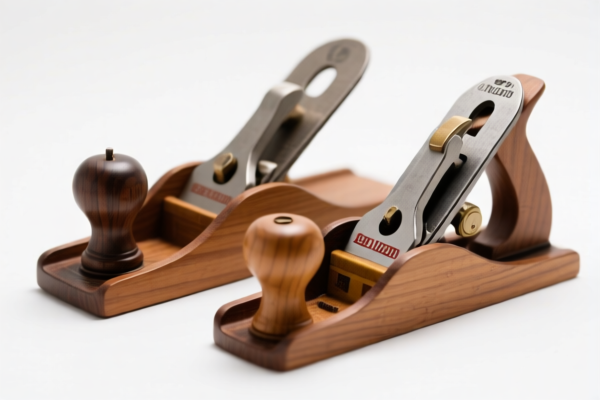
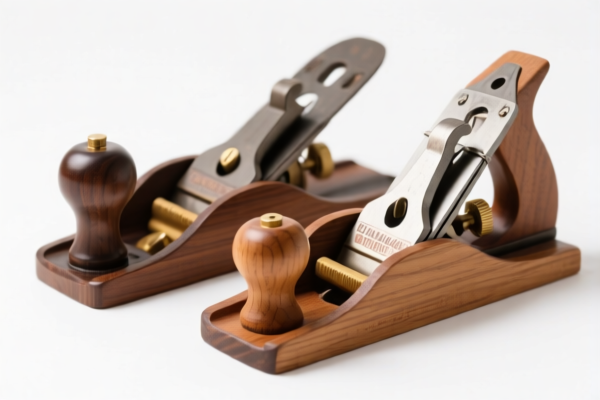
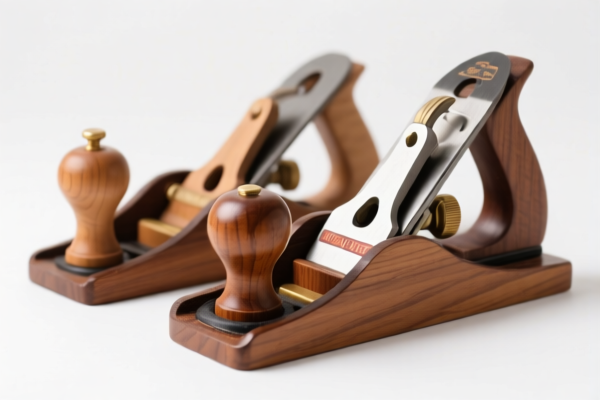
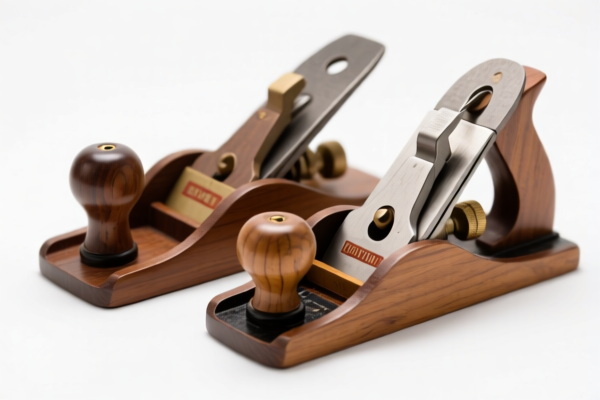
AI Analysis
🪵 Pitted Edible Wood Parts: The Hidden Pitfalls of "Edible" Classification
🌐 HS Code Reference & Customs Clearance Guide | 2026 Latest Tariff Analysis | Professional Clearance Strategy
📌 Part 1: Product Definition & Classification — Do You Really Understand "Edible Wood Parts"?
The term "Pitted Edible Wood Parts" is highly ambiguous and technically problematic in international trade. In customs terminology, "wood" typically refers to non-food timber (HS Chapter 44), while "edible" implies food products (HS Chapters 2–24). There is no standard HS code for "edible wood" because wood itself is not edible.
However, this term likely refers to one of the following three scenarios:
✅ Scenario A: Stone Fruit Pits (e.g., Apricot, Peach, Cherry Pits)
- These are seeds/stones of edible fruits.
- Often used in traditional medicine, bird feed, or decorative crafts.
- Key Distinction: If intended for human consumption (e.g., apricot kernel oil), they are food; if for decorative/industrial use, they may be treated as wood/plant materials.
✅ Scenario B: Edible Wood-Like Food Products (e.g., Konjac, Bamboo Shoots)
- Products made from edible plants that resemble wood in texture.
- Examples: Konjac noodles, bamboo shoots, water chestnuts.
- These are not wood but vegetables/processed foods.
✅ Scenario C: Misclassified "Decorative Wood Items" Claimed as "Edible"
- Some sellers incorrectly label non-edible wooden ornaments (e.g., cherry wood carvings) as "edible" to bypass certain regulations.
- This is a red flag for customs fraud.
⚠️ Critical Warning:
- "Edible wood" does not exist in scientific or commercial terms.
- If the product is truly edible, it must be classified under food HS codes (e.g., Chapter 8 for fruits, Chapter 7 for vegetables).
- If it is wood, it is non-edible and classified under Chapter 44.
- Misclassification can lead to severe penalties, including fines, shipment seizure, and blacklisting.
📦 Part 2: HS Code Classification Details (2026 Latest Tariff Authority Comparison)
| HS Code | Product Description | Applicability | Edible? | Includes Pit/Seed? |
|---|---|---|---|---|
0809.30.00.00 |
Apricot, peach, nectarine, plum or sloe fruits, fresh or dried | Fresh/dried stone fruits | ✅ Yes | ❌ No (fruit flesh only) |
1207.40.00.00 |
Other oil seeds and oleaginous fruits, whether or not broken | Apricot kernels, peach seeds | ✅ Yes (for oil/extraction) | ✅ Yes (seeds/pits) |
1207.99.80.00 |
Other oil seeds and oleaginous fruits, whether or not broken | Generic seed waste, non-food seeds | ❌ No (industrial use) | ✅ Yes |
4407.10.00.00 |
Wood sawn or chipped lengthwise, of bamboo | Bamboo products | ❌ No | ❌ No |
4407.91.00.00 |
Wood sawn or chipped lengthwise, of non-specified species | Decorative wood, crafts | ❌ No | ❌ No |
2008.11.00.00 |
Fruits, prepared or preserved, apricots | Processed apricots | ✅ Yes | ❌ No |
🔍 Key Clarifications:
- If the product is apricot/peach pits intended for human consumption (e.g., oil extraction, traditional medicine), classify under1207.40.00.00.
- If intended for decorative/industrial use, classify under1207.99.80.00or4407.91.00.00(if bamboo).
- Never use "8528" or "9013" (electronic/optical devices) for food or wood products.
💰 Part 3: 2026 Latest Tariff Rate Details (Including Surcharges, Policy Surcharges)
✅ Applicable Country: USA
✅ Country of Origin: China (CN)
✅ Effective Date: From 2025-11-10 (including subsequent imports)
🎯 1. 1207.40.00.00 —— Apricot/Peach Seeds (Edible)
| Item | Content |
|---|---|
| Base Tariff | 0% (ad valorem) |
| USITC Surcharge | +25% (from USITC Footnote 9903.88.01) |
| IEEPA Surcharge | +10% (for China/HK products, from 2025-11-10) |
| Total Tariff | 45% |
| Tax Calculation | CIF value × 45% |
| De Minimis Eligible? | ❌ No (deny_de_minimis) |
| Legal Basis Path | IEEPA:9903.01.25 → IEEPA:9903.01.24 → USITC:1207.40.00.00 → FOOTNOTE:9903.88.01 |
📌 Explanation:
- "USITC Surcharge 25%" comes from Section 301 tariffs;
- "IEEPA 10%" is the China-specific surcharge;
- Total 45% is extremely high, must be predicted in advance!
🎯 2. 1207.99.80.00 —— Other Seeds (Non-Edible/Industrial)
| Item | Content |
|---|---|
| Base Tariff | 0% |
| USITC Surcharge | +25% |
| IEEPA Surcharge | +10% |
| Total Tariff | 45% |
| Tax Calculation | CIF × 45% |
| De Minimis Eligible? | ❌ No |
| Legal Basis Path | IEEPA:9901.25 → IEEPA:9903.01.24 → USITC:1207.99.80.00 → FOOTNOTE:9903.88.01 |
📌 Note:
- Same tariff as edible seeds;
- Even if labeled "non-food," if from China, 45% applies.
🎯 3. 4407.91.00.00 —— Wood Products (Non-Edible)
| Item | Content |
|---|---|
| Base Tariff | 5.7% |
| USITC Surcharge | +25% |
| IEEPA Surcharge | +10% |
| Total Tariff | 40.7% |
| Tax Calculation | CIF × 40.7% |
| De Minimis Eligible? | ❌ No |
| Legal Basis Path | IEEPA:9901.25 → IEEPA:9903.01.24 → USITC:4407.91.00.00 → FOOTNOTE:9903.88.01 |
📌 Note:
- Base tariff is 5.7%, but surcharges make it 40.7%;
- Wood products are NOT edible — claiming "edible" is fraud.
🛠️ Part 4: Customs Clearance Practical Advice (Combat Avoidance Guide)
✅ 1. Preparation Checklist (Missing = Rejection)
| Document | Required | Explanation |
|---|---|---|
| ✅ Product Specification Sheet | ✔️ | Size, type, intended use (food/industrial) |
| ✅ Ingredients List (if food) | ✔️ | FDA compliance proof |
| ✅ Certificate of Analysis (COA) | ✔️ | Lab test for toxicity, pesticide residues |
| ✅ Commercial Invoice | ✔️ | Accurate description: "Apricot Kernels for Oil Extraction" |
| ✅ Certificate of Origin (CO) | ✔️ | For preferential tariffs (if applicable) |
| ✅ Packing List | ✔️ | Net/gross weight, packaging details |
✅ 2. Declaration Tips (Key Mnemonic)
🔥 "Truthful Description, Accurate HS, Food or Wood, Don't Mix!"
| Situation | Correct Declaration | Wrong Practice |
|---|---|---|
| Edible Apricot Pits | 1207.40.00.00 – "Apricot Kernels for Oil" |
"Edible Wood Parts" → Rejected |
| Decorative Wood Carvings | 4407.91.00.00 – "Wood Ornaments" |
"Edible Wood" → Fraud |
| Bamboo Shoots (Food) | 0709.90.90.00 – "Vegetables" |
"Edible Wood" → Misclassification |
✅ 3. Special Cases
| Situation | Handling Advice |
|---|---|
| OEM Custom Seeds | Provide customer order + design drawings to avoid "non-standard" claims |
| Seeds for Bird Feed | Still classified under 1207.99.80.00, not food |
| Seeds for Medicine | Provide FDA/EMA approval, classify under 1207.40.00.00 |
| Wood for Decor | Never claim "edible"; classify under Chapter 44 |
🌍 Part 5: Global Customs Comparison (2026 Latest)
| Country/Region | Recommended HS Code | Tariff | Certification | Note |
|---|---|---|---|---|
| 🇺🇸 USA | 1207.40.00.00 (edible seeds) |
45% (China) | FDA + COA | High tariffs for food |
| 🇨🇳 China | 1207.40.00.00 |
0% | No special cert | Free trade within China |
| 🇪🇺 EU | 1207.40.00.00 |
0% (if CE compliant) | CE + RoHS | No surcharges |
| 🇦🇺 Australia | 1207.40.00.00 |
5% | RCM | No surcharges |
| 🇯🇵 Japan | 1207.40.00.00 |
0% | PSE | No surcharges |
📌 Conclusion:
- USA is the only market with high surcharges;
- China-origin products face 45% tariffs for seeds/wood;
- EU/Asia have lower barriers.
📌 Part 6: Common Mistakes & Pitfalls (Blood Lessons)
❌ Mistake 1: Labeling "wood carvings" as "edible"
👉 Consequence: Fraud accusation, shipment seized, fines up to $100,000+
❌ Mistake 2: Using "Edible Wood Parts" as HS Code
👉 Consequence: HS Code invalid, customs rejects declaration, delays shipment
❌ Mistake 3: Not providing COA for food items
👉 Consequence: FDA rejection, shipment returned or destroyed
❌ Mistake 4: Mixing "food" and "industrial" seeds in one shipment
👉 Consequence: Partial rejection, higher tariffs on non-compliant parts
✅ Correct Practice:
"Apricot Kernels, Dried, for Oil Extraction, Non-GMO, FDA Compliant, HS Code: 1207.40.00.00"
🎯 Part 7: Conclusion: Professional Declaration, Save Time, Cut Costs!
🎯 Remember the Mnemonic:
🔹 "Truthful Description, Accurate HS, Food or Wood, Don't Mix!"
🔹 "HS Code Determines Life, Tariff Difference 45%, Declaration Error, Fine Upwards!"
📌 Tips:
- If your product originates from Vietnam, Mexico, Thailand, Malaysia, you may apply for IEEPA exemption, tariff only 0%~5%;
- Recommend Advance Ruling before shipment to avoid clearance risks.
📣 Take Action Now:
📞 Contact professional customs broker + Provide product images + Apply for HS Code Advance Ruling
🚀 Let your products clear customs smoothly, export efficiently, double profits!
✨ Professional Clearance Starts with Accurate Classification!
💼 Every Cent of Your Cost Deserves Precise Calculation!
Customer Reviews
About HS Code Classification
The Harmonized System (HS) is an internationally standardized nomenclature developed by the World Customs Organization (WCO) to classify traded products. Over 200 countries use the HS system as the basis for customs tariffs, trade statistics, and import/export regulations.
Each HS code follows a hierarchical structure:
- Chapter (2 digits) — Broad category of goods (e.g., Chapter 84: Machinery and Mechanical Appliances)
- Heading (4 digits) — More specific grouping within the chapter
- Subheading (6 digits) — Internationally standardized breakdown, used by all WCO member countries
- National subdivisions (8-10 digits) — Country-specific extensions for further classification, such as US HTSUS 10-digit codes
Correct HS code classification is essential for smooth customs clearance, accurate duty payment, and compliance with trade regulations. Misclassification can lead to customs delays, overpayment of duties, or penalties.
When importing from CN to US, the applicable tariff rates may include:
- Most-Favored-Nation (MFN) rate — The standard duty rate applied to WTO members
- General rate — Applied to countries without trade agreements
- Trade remedy duties — Additional tariffs such as Section 301 (anti-dumping), Section 232 (national security), or countervailing duties
The information provided on this page is for reference purposes only. For official classification, please consult with your local customs authority or a licensed customs broker.