Placemats
CN → US| HS Code | Tariff Rate | Origin | Destination | Doc |
|---|---|---|---|---|
| 3924901050 | 13.3% | CN | US | Official Doc |
| 3924104000 | 13.4% | CN | US | Official Doc |
| 6307909891 | 24.5% | CN | US | Official Doc |
| 9404909670 | 17.3% | CN | US | Official Doc |
| 6307909885 | 24.5% | CN | US | Official Doc |
Product Images
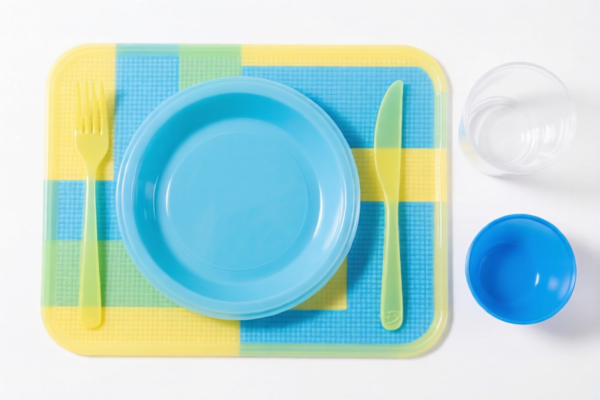
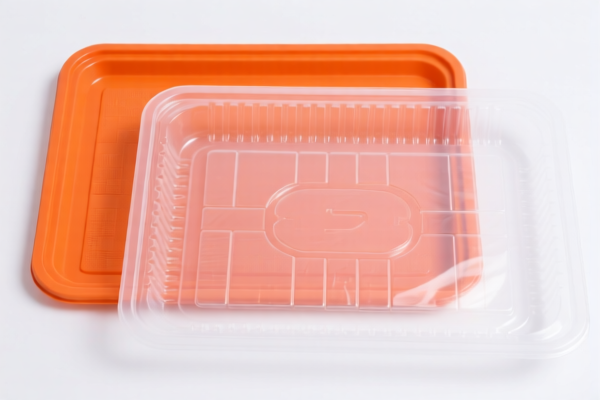
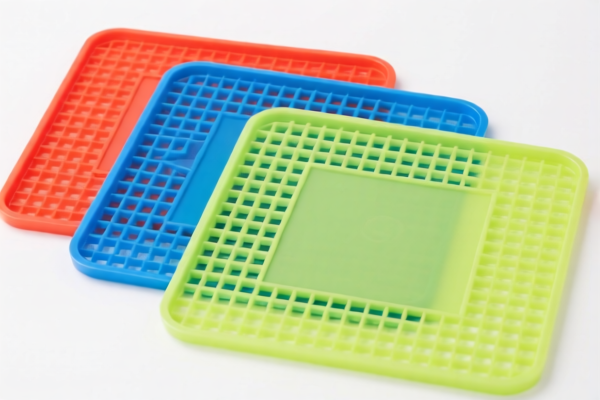

AI Analysis
🍽️ Placemats (Silicone & Fabric Seat Cushions)
🌐 HS Code Reference & Customs Clearance Guide | 2026 Latest Tariff Analysis | Professional Entry Strategies
📌 I. Product Definition & Classification: Do You Really Understand "Placemats"?
In international trade, "Placemats" are not a single unified category. Their classification depends heavily on material composition, form factor, and intended use. Specifically, we distinguish between:
- Silicone Placemats: Treated as articles of plastic (silicone is a polymer).
- Fabric Seat Cushions/Backrests: Treated as textile accessories or furniture parts.
⚠️ Critical Distinction:
- If the item is a silicone sheet/mat used for dining → It falls under Plastics (Chapter 39) or Other Made-up Articles.
- If the item is a fabric cushion/pad placed on a chair → It falls under Textiles (Chapter 63) or Furniture Accessories (Chapter 94).
- Misclassification Risk: Declaring a fabric cushion as a plastic mat (or vice versa) leads to significant tariff discrepancies and potential customs delays.
📦 II. HS Code Classification Details (2026 Latest Tariff Authority Comparison)
Based on the provided data, here are the precise classifications for different types of placemats and related seating accessories:
| HS Code | Product Description | Material/Form | Use Case | Total Tax Rate |
|---|---|---|---|---|
3924.90.10.50 |
Silicone Placemat | Silicone, Mat Form | Household Items | 13.3% |
3924.10.40.00 |
Silicone Placemat | Plastic Material View | Tableware/Household | 13.4% |
6307.90.98.91 |
Chair Back Cushion | Finished Article (Other) | Furniture Accessory | 24.5% |
9404.90.96.70 |
Chair Back Cushion | Pad/Cushion Form | Furniture Accessory | 17.3% |
6307.90.98.85 |
Chair Back Cushion | Cushion Form, Cotton/Artificial Fiber | Furniture Accessory | 24.5% |
🔍 Key Observation:
- Silicone Placemats incur a lower tax burden (~13.3%-13.4%).
- Fabric/Textile Cushions incur higher taxes (17.3% - 24.5%) due to additional duties (Section 122 and Add-on tariffs).
- The difference between6307.90.98.91and6307.90.98.85lies in the specific material inference (Cotton/Artificial Fiber vs. General Other), but both carry the same high tax rate of 24.5%.
💰 III. 2026 Latest Tariff Rate Breakdown (Including Surcharges & Policy Add-ons)
✅ Applicable Country: United States (US)
✅ Country of Origin: China (CN)
✅ Effective Date: As per 2026 tariff structure (including Section 301 and Section 122 add-ons)
🎯 1. 3924.90.10.50 —— Silicone Placemat (Mat Form)
| Item | Details |
|---|---|
| Base Tariff | 3.3% |
| Section 301 Add-on | 0.0% |
| Section 122 Tariff | 10% |
| Total Tax Rate | 13.3% |
| Tax Calculation | CIF Value × 13.3% |
| De Minimis Eligibility | ❌ No (High total rate usually disqualifies or makes it economically unviable for low-value shipments) |
| Legal Basis Path | USITC:3924.90.10.50 → ADD-TARIFF:122(10%) |
📌 Explanation:
- This is the most favorable classification for silicone placemats.
- The base duty is low (3.3%), but the 10% Section 122 tariff significantly increases the cost.
- No Section 301 tariffs apply here, making it cheaper than many other plastic goods.
🎯 2. 3924.10.40.00 —— Silicone Placemat (Plastic Material View)
| Item | Details |
|---|---|
| Base Tariff | 3.4% |
| Section 301 Add-on | 0.0% |
| Section 122 Tariff | 10% |
| Total Tax Rate | 13.4% |
| Tax Calculation | CIF Value × 13.4% |
| De Minimis Eligibility | ❌ No |
| Legal Basis Path | USITC:3924.10.40.00 → ADD-TARIFF:122(10%) |
📌 Note:
- Slightly higher than the previous code (by 0.1%).
- Both silicone placemat codes are treated similarly under Section 122.
🎯 3. 6307.90.98.91 & 6307.90.98.85 —— Chair Back Cushion (Textile/Other)
| Item | Details |
|---|---|
| Base Tariff | 7.0% |
| Section 301 Add-on | 7.5% |
| Section 122 Tariff | 10% |
| Total Tax Rate | 24.5% |
| Tax Calculation | CIF Value × 24.5% |
| De Minimis Eligibility | ❌ No |
| Legal Basis Path | USITC:6307.90.98.91 → ADD-TARIFF:301(7.5%) + ADD-TARIFF:122(10%) |
📌 Critical Warning:
- These fabrics/textiles carry Section 301 tariffs (7.5%) IN ADDITION to Section 122.
- This makes them almost twice as expensive as silicone placemats (24.5% vs. 13.3%).
- Recommendation: Avoid classifying fabric cushions under this code if possible, or ensure the value proposition justifies the high duty.
🎯 4. 9404.90.96.70 —— Chair Back Cushion (Furniture Accessory)
| Item | Details |
|---|---|
| Base Tariff | 7.3% |
| Section 301 Add-on | 0.0% |
| Section 122 Tariff | 10% |
| Total Tax Rate | 17.3% |
| Tax Calculation | CIF Value × 17.3% |
| De Minimis Eligibility | ❌ No |
| Legal Basis Path | USITC:9404.90.96.70 → ADD-TARIFF:122(10%) |
📌 Note:
- This classification avoids Section 301 tariffs, making it more competitive than the textile options (17.3% vs. 24.5%).
- However, it is still higher than silicone placemats (17.3% vs. 13.3%).
🛠️ IV. Customs Clearance Practical Advice (Battle-Tested Pitfall Guide)
✅ 1. Preparation Checklist (Non-Negotiable)
| Document | Required | Description |
|---|---|---|
| ✅ Product Specifications | ✔️ | Must clearly state material (e.g., "100% Silicone" vs. "Cotton Fill"). Ambiguity leads to reclassification. |
| ✅ Photos (Clear & Detailed) | ✔️ | Show the item in use (on a table vs. on a chair). Context matters for classification. |
| ✅ Material Composition Statement | ✔️ | Explicitly state % of silicone, cotton, polyester, etc. |
| ✅ Commercial Invoice | ✔️ | Describe accurately: "Silicone Dining Placemat" or "Fabric Chair Cushion". |
| ✅ Packing List | ✔️ | Ensure weights and dimensions match customs declarations. |
✅ 2. Declaration Tips (Key Mnemonics)
🔥 “Silicone on Table, Plastic Code; Fabric on Chair, Textile Code. Don’t Mix, Or You Pay More!”
| Scenario | Correct Declaration | Incorrect Declaration | Consequence |
|---|---|---|---|
| Silicone Mat | 3924.90.10.50 |
6307.90.98.91 |
Overpaying by ~11.2% (24.5% - 13.3%) |
| Fabric Cushion | 9404.90.96.70 or 6307.90.98.91 |
3924.10.40.00 |
Underpayment Risk → Penalties + Back Taxes |
| Mixed Bundle | Split items | Declare as one | Rejection of entry |
✅ 3. Special Case Handling
| Situation | Advice |
|---|---|
| OEM Custom Placemats | Ensure the material tag matches the HS code. If it’s silicone, do not call it "textile." |
| Cushion with Silicone Fill | If the primary characteristic is silicone, argue for 3924 classification. If fabric cover is dominant, 6307 or 9404. |
| Kit: Placemat + Napkin | Declare separately. Placemat under 3924, Napkin under textile codes. Do not bundle into one high-tax code. |
| Section 122 Exemptions | Currently, no exemptions are mentioned in the data for these codes. Plan for the full 10% add-on. |
🌍 V. Global Market Clearance Comparison (2026 Latest)
| Country/Region | Recommended HS Code | Tariff (China Origin) | Certification | Notes |
|---|---|---|---|---|
| 🇺🇸 USA | 3924.90.10.50 (Silicone) |
13.3% (10% Sec 122) | FDA (if food contact) | Cheapest Option for placemats |
| 🇺🇸 USA | 6307.90.98.91 (Fabric) |
24.5% (7.5% Sec 301 + 10% Sec 122) | None specific | Expensive due to double add-ons |
| 🇪🇺 EU | 3924.90 (Silicone) |
~5-10% (No Sec 122) | REACH, LFGB | No Section 122/301 equivalents |
| 🇨🇳 China | 3924.90 |
~3-10% | CCC (if applicable) | Low tariffs, easier entry |
| 🇬🇧 UK | 3924.90 |
~5-10% | UKCA | Post-Brexit rules apply |
📌 Conclusion:
- USA: Silicone placemats are the most cost-effective choice for the US market due to lower Section 301 exposure (0%) compared to textiles.
- Global: The 10% Section 122 tariff is a US-specific burden. Other markets are significantly cheaper.
📌 VI. Common Mistakes & Pitfall Guide (Lessons Learned)
❌ Mistake 1: Calling a fabric cushion a "silicone placemat" to avoid tariffs
👉 Consequence: Customs inspection reveals fabric content → Seizure + Penalties + Retrospective Duties (24.5%)
❌ Mistake 2: Ignoring Section 122 Tariffs
👉 Consequence: Assuming 3.3% base duty → Unexpected 13.3% bill at port → Cash flow crisis
❌ Mistake 3: Mixing Silicone and Textile Items in One HS Code
👉 Consequence: Rejection of entry → Demurrage Fees + Delays
✅ Correct Approach:
"Silicone Placemat, 100% Food-Grade Silicone, Dishwasher Safe, Model XYZ"
vs.
"Fabric Chair Cushion, Cotton Cover, Polyester Fill, Model ABC"
🎯 VII. Conclusion: Professional Declaration, Cost Savings!
🎯 Remember the Mnemonic:
🔹 "Silicone Table, 13% Flat; Fabric Chair, 24.5% Pain."
🔹 "Sec 122 is 10%, Sec 301 is 7.5%. Know Your Code, Save Your Cash!"
📌 Pro Tip:
If your supplier claims "Silicone," verify with a material test report. Customs may test samples.
For fabric cushions, consider classifying under9404.90.96.70(17.3%) instead of6307(24.5%) if structurally it can be argued as a furniture accessory, not just a textile article. Consult a customs broker for pre-classification!
📣 Immediate Action:
📞 Contact a Licensed Customs Broker + Provide Material SDS + Apply for Binding Ruling (if high volume)
🚀 Optimize Your HS Code, Reduce Your Duty, Maximize Your Margin!
✨ Professional Clearance Starts with Accurate Classification!
💼 Every Percent of Duty Saved is Pure Profit!
Customer Reviews
About HS Code Classification
The Harmonized System (HS) is an internationally standardized nomenclature developed by the World Customs Organization (WCO) to classify traded products. Over 200 countries use the HS system as the basis for customs tariffs, trade statistics, and import/export regulations.
Each HS code follows a hierarchical structure:
- Chapter (2 digits) — Broad category of goods (e.g., Chapter 84: Machinery and Mechanical Appliances)
- Heading (4 digits) — More specific grouping within the chapter
- Subheading (6 digits) — Internationally standardized breakdown, used by all WCO member countries
- National subdivisions (8-10 digits) — Country-specific extensions for further classification, such as US HTSUS 10-digit codes
Correct HS code classification is essential for smooth customs clearance, accurate duty payment, and compliance with trade regulations. Misclassification can lead to customs delays, overpayment of duties, or penalties.
When importing from CN to US, the applicable tariff rates may include:
- Most-Favored-Nation (MFN) rate — The standard duty rate applied to WTO members
- General rate — Applied to countries without trade agreements
- Trade remedy duties — Additional tariffs such as Section 301 (anti-dumping), Section 232 (national security), or countervailing duties
The information provided on this page is for reference purposes only. For official classification, please consult with your local customs authority or a licensed customs broker.