Plain Cotton Woven Fabric
CN → US| HS Code | Tariff Rate | Origin | Destination | Doc |
|---|---|---|---|---|
| 5208112020 | 42.0% | CN | US | Official Doc |
| 5208114020 | 44.0% | CN | US | Official Doc |
| 5209110050 | 41.5% | CN | US | Official Doc |
| 5209210050 | 42.7% | CN | US | Official Doc |
Product Images
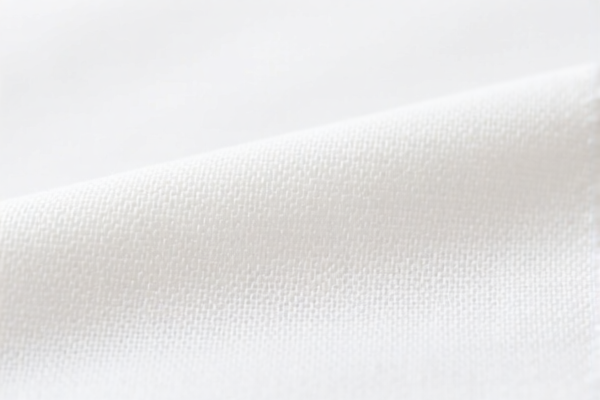
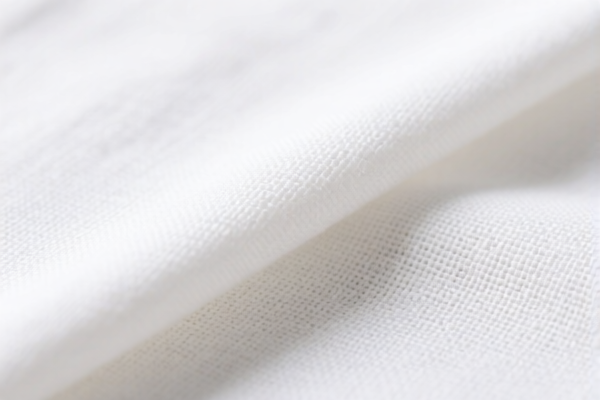
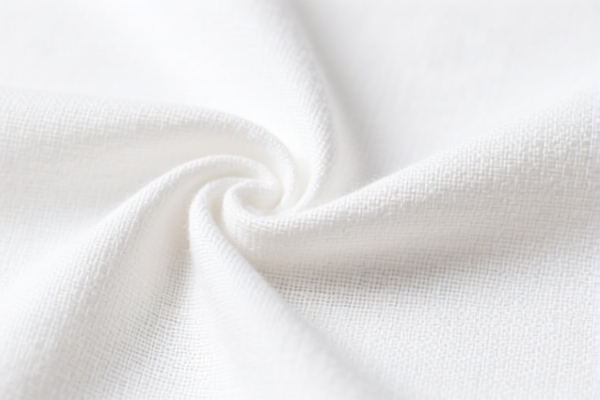
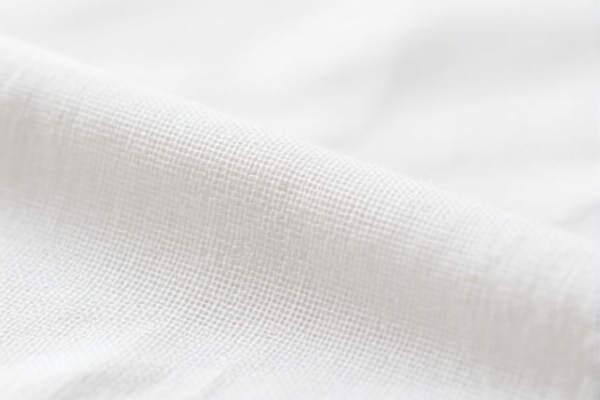
AI Analysis
🧵 Plain Cotton Woven Fabric (100% Cotton)
🌐 HS Code Reference & Customs Clearance Guide | 2026 Latest Tariff Analysis | Professional Entry Strategy
📌 I. Product Definition & Classification: Do You Really Understand "Cotton Fabric"?
Plain Cotton Woven Fabric is a fundamental textile material used in apparel, home textiles, and industrial applications. In international trade, classification depends heavily on the cotton content, weave structure, and weight/density. For US customs purposes (particularly with current Section 301 and 122 tariffs), the precise 10-digit HS code determines your landed cost significantly.
⚠️ Key Distinction:
- Cotton Content ≥ 85%: Classified under Chapter 52 (Cotton Textiles).
- Cotton Content < 85%: May fall under blended fabric categories (e.g., 5208.x.x, 5209.x.x, etc., but with different subheadings not listed in our target data).
- Woven vs. Knitted: This guide strictly covers Woven fabrics. Knitted fabrics fall under Chapter 60.
📦 II. HS Code Classification Details (2026 Latest Tariff Authority对照)
Based on the provided <DATA>, all items are Plain Cotton Woven Fabric with Cotton Content ≥ 85%. The differences lie in the specific sub-category (likely based on weight, thread count, or finishing process, though the summary is generic).
| HS Code | Product Description | Cotton Content | Weave Type | Total Tax Rate (US Origin: China) |
|---|---|---|---|---|
5208.11.20.20 |
Plain Cotton Woven Fabric | ≥ 85% | Woven | 42.0% |
5208.11.40.20 |
Plain Cotton Woven Fabric | ≥ 85% | Woven | 44.0% |
5209.11.00.50 |
Plain Cotton Woven Fabric | ≥ 85% | Woven | 41.5% |
5209.21.00.50 |
Plain Cotton Woven Fabric | ≥ 85% | Woven | 42.7% |
🔍 Critical Note:
- All four codes apply to 100% or near-100% cotton (≥85%).
- The slight variation in total tax (41.5% to 44.0%) is due to different Base Duties (6.5% to 9.0%), while the Add-on Tariffs remain constant.
- Do not mix these codes. Misclassification can lead to severe penalties, seizures, or underpayment notices.
💰 III. 2026 Latest Tariff Rate Breakdown (Including Surcharges & Policy Add-ons)
✅ Applicable Country: United States (US)
✅ Origin: China (CN)
✅ Effective Time: Current enforcement (Section 301 & Section 122)
🎯 1. 5208.11.20.20 & 5208.11.40.20 —— Cotton Woven Fabric (Section 5208 Group)
| Item | Content |
|---|---|
| Base Duty Rate | 7.0% (for .20.20) / 9.0% (for .40.20) |
| Section 301 Surcharge | +25.0% (Additional duties under USTR Section 301) |
| Section 122 Surcharge | +10.0% (Additional duties under USTR Section 122 for certain textile/apparel products) |
| Total Effective Rate | 42.0% (.20.20) / 44.0% (.40.20) |
| Tax Calculation | CIF Value × Total Rate |
| De Minimis Eligibility | ❌ NO (Section 301 and 122 duties do NOT apply to de minimis shipments < $800) |
| Legal Basis Path | HTSUS:5208.11.20.20 → USITC Footnote:301 → USTR:Section122 |
📌 Explanation:
- Section 301 (25%): Applied to "textiles and apparel" from China as part of broader trade restrictions.
- Section 122 (10%): Specifically targets certain cotton fabrics and apparel, adding an extra layer of duty.
- Base Duty: Varies by specific weave characteristics (e.g., weight per square meter, yarn diameter) which differentiate5208.11.20.20from5208.11.40.20.
🎯 2. 5209.11.00.50 & 5209.21.00.50 —— Cotton Woven Fabric (Section 5209 Group)
| Item | Content |
|---|---|
| Base Duty Rate | 6.5% (for .11.00.50) / 7.7% (for .21.00.50) |
| Section 301 Surcharge | +25.0% |
| Section 122 Surcharge | +10.0% |
| Total Effective Rate | 41.5% (.11.00.50) / 42.7% (.21.00.50) |
| Tax Calculation | CIF Value × Total Rate |
| De Minimis Eligibility | ❌ NO |
| Legal Basis Path | HTSUS:5209.11.00.50 → USITC Footnote:301 → USTR:Section122 |
📌 Note:
-5209generally covers heavier cotton fabrics (≥ 200g/m²) compared to5208(which often covers lighter weights or specific weaves like muslin/chintz).
- The tax structure is identical in surcharges but differs in base duty, leading to a slightly lower total rate for.11.00.50(41.5%) compared to the5208group.
🛠️ IV. Customs Clearance Practical Advice (Pitfall Avoidance Guide)
✅ 1. Documentation Checklist (Non-negotiable)
| Document | Required | Notes |
|---|---|---|
| ✅ Commercial Invoice | ✔️ | Must clearly state "Cotton Woven Fabric," material composition (≥85% Cotton), and HS Code. |
| ✅ Packing List | ✔️ | Detail roll lengths, weights, and dimensions. |
| ✅ Bill of Lading/Air Waybill | ✔️ | Standard shipping document. |
| ✅ Fiber Content Certification | ✔️ | Third-party lab report proving ≥85% cotton content. |
| ✅ Country of Origin Certificate | ✔️ | To confirm Chinese origin (subject to tariffs). |
| ✅ Section 301/122 Exemption Claim (if applicable) | ❌ | Generally not eligible for these specific codes unless a specific exclusion applies (check USTR list annually). |
✅ 2. Classification Tips (Key Mantra)
🔥 "Cotton ≥85% is King, 301 + 122 Make the Cost Sing!"
| Scenario | Correct HS Code Approach | Common Mistake |
|---|---|---|
| Fabric is 85% Cotton, 15% Polyester | Must still classify under 5208/5209 if cotton is >85%, but verify specific subheading rules. | Misclassifying as blended fabric (e.g., 5513) → Wrong base duty! |
| Fabric is <85% Cotton | Cannot use the codes in <DATA>. Must use other Chapter 52 headings. |
Forcing use of 5208/5209 → Customs rejection. |
| Knitted Cotton Fabric | Not applicable. Use Chapter 60 (e.g., 6006.xx). | Using Woven codes for Knits → Seizure. |
| Dyed vs. Printed | Ensure the description matches the finish. Base duties may vary slightly within subheadings. | Ignoring finish → Potential misclassification. |
✅ 3. Special Handling
| Situation | Recommendation |
|---|---|
| Sample Shipments | NOT ELIGIBLE for de minimis ($800 exemption). You MUST pay the 41.5%-44.0% duty even for small samples. |
| OEM Private Label | Ensure the supplier provides accurate fiber composition reports. |
| Re-export from Third Country | If re-shipped from Vietnam/Mexico, ensure Origin Rules are met. If processed significantly, you might avoid Section 301/122, but this is complex and requires advance ruling. |
| Tariff Engineering | Consider if a slight change in fabric weight or weave could shift it to a different 8-digit subheading with a lower Base Duty (saving 0.5-1%), though the 35% surcharge remains. |
🌍 V. Global Market Comparison (2026 Latest)
| Country/Region | Recommended HS Code | Base Duty | Add-ons (China Origin) | Total Effective Rate | Notes |
|---|---|---|---|---|---|
| 🇺🇸 USA | 5208.11.20.20 etc. |
6.5%-9.0% | +35% (25% Sec 301 + 10% Sec 122) | 41.5% - 44.0% | Highest Cost Market |
| 🇨🇳 China | 5208.11.20.20 etc. | Varies | 0% | ~0% - 5% | Import duty applies if importing into China. |
| 🇪🇺 EU | 5208.11.xx | 4.5% - 8.5% | 0% (General) | ~5% - 10% | No Section 301/122 equivalents. |
| 🇬🇧 UK | 5208.11.xx | 4.5% - 8.5% | 0% | ~5% - 10% | Post-Brexit tariffs. |
| 🇯🇵 Japan | 5208.11.xx | 3.5% - 6.0% | 0% | ~4% - 7% | EPA benefits may apply. |
📌 Conclusion:
- The USA is uniquely punitive on Chinese cotton fabrics due to the combination of Section 301 and Section 122.
- For other markets, the duty burden is significantly lower.
- Strategy: If exporting to the US, consider supply chain diversification (e.g., sourcing from Southeast Asia if rules of origin allow) or absorbing the cost in pricing models.
📌 VI. Common Errors & Pitfalls (Blood Lessons)
❌ Error 1: Claiming de minimis for cotton fabric shipments.
👉 Consequence: Customs will assess 41.5%-44.0% duty on the entire value, plus penalties. The $800 exemption does not apply to Section 301/122 goods.
❌ Error 2: Misstating cotton content (e.g., claiming 90% when it's 84%).
👉 Consequence: If cotton is <85%, the HS code changes entirely. This is considered fraudulent misdeclaration, leading to seizure and fines.
❌ Error 3: Ignoring Section 122.
👉 Consequence: Many importers know about Section 301 (25%) but forget Section 122 (10%). This results in underpayment by 10% and subsequent audit/penalties.
❌ Error 4: Using vague descriptions like "Cotton Cloth."
👉 Consequence: CBP (US Customs) may assign their own HS code, often the highest duty one, or demand detailed technical documentation before release, causing delays.
✅ Correct Practice:
"Plain Weave Cotton Fabric, 100% Cotton, White, 150 GSM, Width 58-60", HS Code 5208.11.20.20, Origin: China"
🎯 VII. Conclusion: Precision in Classification Saves Money!
🎯 Remember the Mantra:
🔹 "Cotton ≥85%, Woven Fabric, 301+122 equals ~35% Surcharge!"
🔹 "Base Duty varies, but Add-ons are fixed. Check your GSM and Weave!"
🔹 "No De Minimis! Pay Up or Re-route!"
📌 Pro Tip:
- If your fabric is < 85% cotton, do NOT use these codes.
- If you are shipping samples, budget for the full duty.
- Always verify the specific 10-digit subheading based on fabric weight and weave density with a licensed customs broker.
📣 Immediate Action:
📞 Contact a Licensed Customs Broker + Provide Fabric Swatch & Lab Report + Verify HS Code Pre-Ruling
🚀 Ensure Smooth Customs Clearance, Avoid Seizure, and Optimize Landed Costs!
✨ Professional Clearance Starts with Accurate Classification!
💼 Every Percentage Point of Duty Counts!
Customer Reviews
About HS Code Classification
The Harmonized System (HS) is an internationally standardized nomenclature developed by the World Customs Organization (WCO) to classify traded products. Over 200 countries use the HS system as the basis for customs tariffs, trade statistics, and import/export regulations.
Each HS code follows a hierarchical structure:
- Chapter (2 digits) — Broad category of goods (e.g., Chapter 84: Machinery and Mechanical Appliances)
- Heading (4 digits) — More specific grouping within the chapter
- Subheading (6 digits) — Internationally standardized breakdown, used by all WCO member countries
- National subdivisions (8-10 digits) — Country-specific extensions for further classification, such as US HTSUS 10-digit codes
Correct HS code classification is essential for smooth customs clearance, accurate duty payment, and compliance with trade regulations. Misclassification can lead to customs delays, overpayment of duties, or penalties.
When importing from CN to US, the applicable tariff rates may include:
- Most-Favored-Nation (MFN) rate — The standard duty rate applied to WTO members
- General rate — Applied to countries without trade agreements
- Trade remedy duties — Additional tariffs such as Section 301 (anti-dumping), Section 232 (national security), or countervailing duties
The information provided on this page is for reference purposes only. For official classification, please consult with your local customs authority or a licensed customs broker.