Plain Fabric over 200gsm
CN → US| HS Code | Tariff Rate | Origin | Destination | Doc |
|---|---|---|---|---|
| 5211110050 | 42.7% | CN | US | Official Doc |
| 5211202150 | 43.4% | CN | US | Official Doc |
| 5407912030 | 49.9% | CN | US | Official Doc |
| 5407942020 | 49.9% | CN | US | Official Doc |
| 5211110050 | 42.7% | CN | US | Official Doc |
Product Images
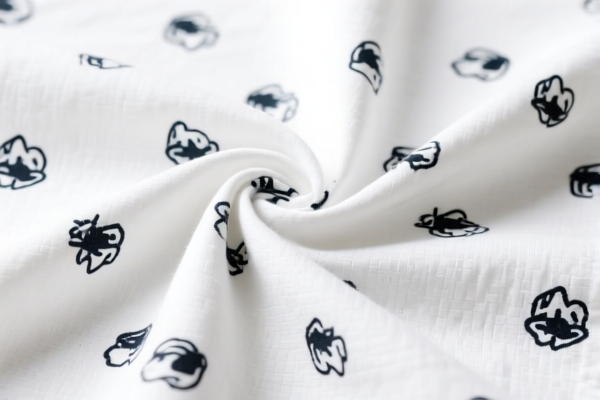
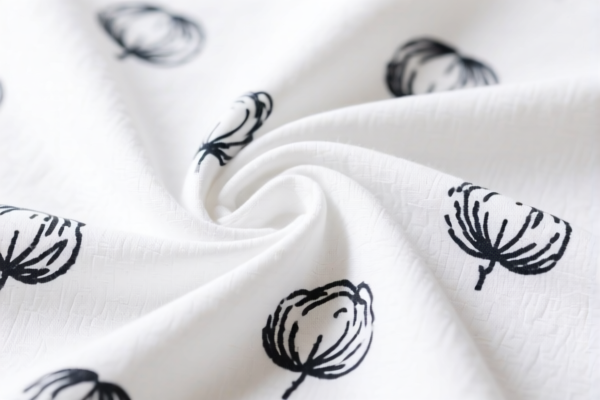
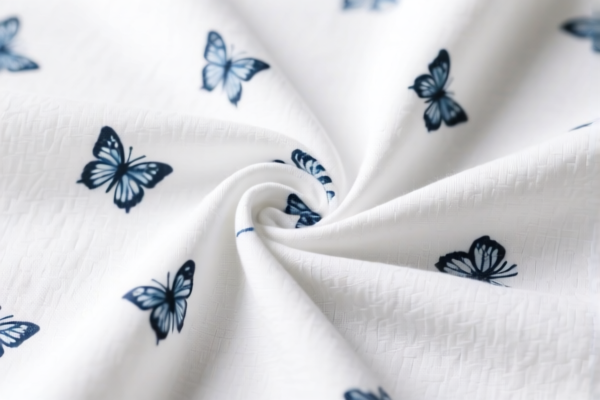
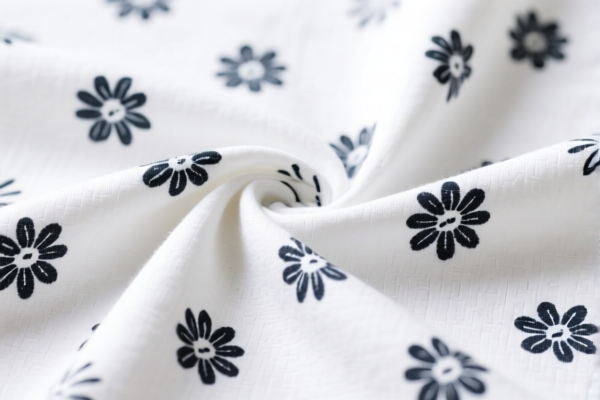
AI Analysis
🧵 Plain Fabric Over 200gsm (Heavyweight Woven Textiles)
🌐 HS Code Reference & Customs Clearance Guide | 2026 Latest Tariff Analysis | Strategic Clearance Strategy
📌 I. Product Definition & Classification: Do You Really Understand "Plain Fabric >200gsm"?
Plain Fabric Over 200gsm refers to tightly woven, heavyweight textile materials. In international trade, these are not just "fabric" but categorized strictly by their fiber content and specific use case (e.g., lining, general weaving). The weight (>200gsm) and weave type (Plain/Occasional) trigger specific HS codes and significant tariff impacts, especially for imports into the United States.
⚠️ Critical Distinction:
- Cotton Blends: If the fabric is primarily cotton-based → 5211 Series
- Synthetic Fibers (Polyester, Nylon, etc.): If made from man-made fibers → 5407 Series
- Lining vs. General Use: Specific sub-headings exist for "Lining" fabrics vs. general "Fabrics."
📦 II. HS Code Classification Details (2026 Latest Tariff Authority Match)
Based on the input data, here are the exact HS Codes matched for "Plain Fabric >200gsm" across different material compositions:
| HS Code | Product Description (Summary) | Key Characteristics | Tax Rate (Total) |
|---|---|---|---|
5211.11.00.50 |
Cotton Blended Fabric Plain weave, >200gsm |
Cotton-mixed, heavyweight plain weave | 42.7% |
5211.20.21.50 |
Other Lining Fabric Plain weave, >200gsm |
Specifically classified as "Lining" (衬布), plain weave, >200gsm | 43.4% |
5407.91.20.30 |
Synthetic Fiber Fabric Plain weave, >200gsm |
Man-made fibers (e.g., Polyester), plain weave, heavy | 49.9% |
5407.94.20.20 |
Other Synthetic Fabric Plain weave, >200gsm |
General synthetic woven fabric, plain weave, >200gsm | 49.9% |
🔍 Key Insight:
- Cotton vs. Synthetic: Synthetic fibers carry a significantly higher base tariff (14.9%) compared to cotton blends (7.7%-8.4%).
- Lining Specificity: The "Lining" fabric code (5211.20.21.50) has a slightly higher base rate than standard blended fabric but still lower than synthetics.
💰 III. 2026 Latest Tariff Rate Breakdown (Including Surtaxes & Policy Add-ons)
✅ Applicable Country: United States (US)
✅ Origin: China (CN)
✅ Effective Time: Current enforcement (2025-2026 framework)
🎯 1. 5211.11.00.50 — Cotton Blended Fabric (Plain, >200gsm)
| Item | Detail |
|---|---|
| Base Tariff | 7.7% |
| Section 301 Surcharge | +25.0% |
| Section 122 Tariff | +10.0% |
| Total Tax Rate | 42.7% |
| Calculation | CIF Value × 42.7% |
| De Minimis Exemption | ❌ Not Eligible (High value threshold applies) |
| Legal Basis Path | USITC:5211.11.00.50 → FOOTNOTE:301 → Section 122 Authority |
📌 Explanation:
- Base 7.7%: Standard MFN rate for cotton blends.
- 25% Surcharge: Applies to all Chinese-origin textile imports under Trade Act Section 301.
- 10% Section 122: Additional tariff under IEEPA for specific strategic or security-related imports.
- Total 42.7%: This is a high-cost item. Profit margins must account for this nearly 50% landed cost increase.
🎯 2. 5211.20.21.50 — Other Lining Fabric (Plain, >200gsm)
| Item | Detail |
|---|---|
| Base Tariff | 8.4% |
| Section 301 Surcharge | +25.0% |
| Section 122 Tariff | +10.0% |
| Total Tax Rate | 43.4% |
| Calculation | CIF Value × 43.4% |
| De Minimis Exemption | ❌ Not Eligible |
| Legal Basis Path | USITC:5211.20.21.50 → FOOTNOTE:301 → Section 122 Authority |
📌 Note:
- Classified specifically as "Lining" (衬布). If your fabric is used for garment linings, this code applies.
- Slightly higher base rate (8.4% vs 7.7%) results in a total of 43.4%.
🎯 3. 5407.91.20.30 & 5407.94.20.20 — Synthetic Fiber Fabrics (Plain, >200gsm)
| Item | Detail |
|---|---|
| Base Tariff | 14.9% |
| Section 301 Surcharge | +25.0% |
| Section 122 Tariff | +10.0% |
| Total Tax Rate | 49.9% |
| Calculation | CIF Value × 49.9% |
| De Minimis Exemption | ❌ Not Eligible |
| Legal Basis Path | USITC:5407.91.20.30 / 5407.94.20.20 → FOOTNOTE:301 → Section 122 Authority |
📌 Warning:
- Highest Tax Bracket: Synthetic fabrics face a 14.9% base rate, leading to a total effective rate of 49.9%.
- Impact: Nearly 50% of the CIF value is tax. This drastically reduces competitiveness against non-Chinese origins (e.g., Vietnam, India) which may not face the same surcharges.
- Code Distinction:
-5407.91.20.30: Specific synthetic blend/variant.
-5407.94.20.20: Other synthetic woven fabrics.
- Both carry the same 49.9% total rate.
🛠️ IV. Customs Clearance Practical Advice (Battle-Proven Pitfall Avoidance)
✅ 1. Required Documentation Checklist (Non-Negotiable)
| Document | Required? | Description |
|---|---|---|
| ✅ Commercial Invoice | ✔️ | Must clearly state "Plain Weave Fabric," Weight (>200gsm), and Fiber Content (Cotton vs. Synthetic). |
| ✅ Packing List | ✔️ | Detail rolls/boxes, gross/net weight, and dimensions. |
| ✅ Certificate of Origin (CO) | ✔️ | Essential for proving origin (China). |
| ✅ Product Specification Sheet | ✔️ | Must include: Weave Type (Plain), Weight (gsm), Fiber Composition %. |
| ✅ Test Report | ✔️ | Fiber analysis report to prove cotton vs. synthetic content. Misclassification leads to penalties. |
| ✅ Bill of Lading | ✔️ | Standard shipping document. |
✅ 2. Declaration Tips (Key Mantra)
🔥 "Weave & Weight First, Fiber Second, No Hidden Linings!"
| Scenario | Correct Declaration | Wrong Practice |
|---|---|---|
| Cotton Blend, >200gsm | 5211.11.00.50 + "Cotton Blended Plain Fabric" |
Mislabel as "Lining" → Higher tax |
| Synthetic, >200gsm | 5407.91.20.30 or 5407.94.20.20 |
Label as "Cotton" → Severe fraud penalty |
| Garment Lining | 5211.20.21.50 + "Lining Fabric" |
General "Fabric" label → Potential reclassification |
| Mixed Materials | Provide exact % | Vague "Textile" label → Customs delays |
⚠️ Critical:
- Fiber Content is King: Customs will test if fiber content is disputed. A 60/40 cotton/poly blend is Cotton (5211), but 100% polyester is Synthetic (5407). The tax difference is ~7%. - "Plain Weave" Must Be Stated: If the weave is Twill or Satin, these HS codes DO NOT APPLY, and you risk classification errors.
✅ 3. Special Case Handling
| Situation | Handling Advice |
|---|---|
| OEM Custom Fabric | Provide customer PO + Design Sheet. Avoid vague names like "Fabric." Use "Plain Weave Polyester Fabric, 220gsm." |
| Sample Shipment | Still taxable. No de minimis exemption for textiles under these codes. |
| Multi-Roll Orders | Aggregate weight correctly. Ensure all rolls meet >200gsm specification. |
| Re-export/Transshipment | If transiting through Vietnam/Malaysia, ensure substantial transformation occurs, or IEEPA tariffs may still apply to China-origin goods. |
🌍 V. Global Market Comparison (2026 Latest)
| Country/Region | Recommended HS Code | Est. Tariff (China Origin) | Notes |
|---|---|---|---|
| 🇺🇸 USA | 5211.11.00.50 / 5407.91.20.30 |
42.7% - 49.9% | High due to Sec 301 + 122. |
| 🇨🇳 China | Same Codes | ~5% - 10% | Low import duty, but high export pressure. |
| 🇪🇺 EU | Same Codes | 0% - 9.6% | No Section 301. May require Eori & VAT. |
| 🇬🇧 UK | Same Codes | ~0% - 9% | Post-Brexit tariffs vary by agreement. |
| 🇨🇦 Canada | Same Codes | ~0% - 12% | CUSMA may offer zero duty for qualifying goods. |
📌 Conclusion:
- USA is the most expensive market for Chinese plain fabric due to the ~10% base + 25% Section 301 + 10% Section 122 stack.
- Synthetics are punished more heavily than cotton blends.
- Diversification: Consider sourcing from Vietnam/India for US-bound synthetic fabrics to avoid the 35% surcharge stack.
📌 VI. Common Errors & Pitfall Guide (Lessons Learned)
❌ Error 1: Misclassifying Synthetic Fabric as Cotton to save ~7% in base tax.
👉 Consequence: Customs audit, fines, and potential seizure. Tests will reveal 100% polyester.
❌ Error 2: Ignoring Section 122 Tariff.
👉 Consequence: Underpayment by 10%. Customs will demand back taxes + interest.
❌ Error 3: Labeling as "Lining" when it is General Apparel Fabric.
👉 Consequence: 5211.20.21.50 (43.4%) vs 5211.11.00.50 (42.7%). Small difference, but consistency matters.
❌ Error 4: Vague Description "Fabric Roll."
👉 Consequence: Customs cannot determine fiber content → Delay in Release + Storage Fees.
✅ Correct Approach:
"Plain Weave Cotton Blend Fabric, 210gsm, 65% Cotton/35% Polyester, Roll Form, for Apparel Lining."
🎯 VII. Conclusion: Professional Declaration, Cost Optimization!
🎯 Remember the Mantra:
🔹 "Fiber Defines the Code, Weight Defines the Class, Surtaxes Define the Cost!"
🔹 "Synthetics Cost 50%, Cotton Costs 43%. Choose Wisely!"
📌 Pro Tip:
If your fabric is dyed or printed, ensure your invoice distinguishes between "Grey Fabric" and "Printed Fabric," as this can sometimes shift sub-categories. However, for the base HS Codes provided, the fiber and weave are the primary drivers.
Always request a Pre-Ruling (Advance Ruling) from CBP if your fabric composition is complex (e.g., blended yarns) to avoid surprise tariffs.
📣 Immediate Action:
📞 Contact your freight forwarder + Provide Fiber Test Report + Verify Weave Type (Plain!)
🚀 Minimize tax burden by accurate classification and strategic sourcing!
✨ Professional Customs Clearance Starts with Precision!
💼 Every percentage point in tax affects your bottom line!
Customer Reviews
About HS Code Classification
The Harmonized System (HS) is an internationally standardized nomenclature developed by the World Customs Organization (WCO) to classify traded products. Over 200 countries use the HS system as the basis for customs tariffs, trade statistics, and import/export regulations.
Each HS code follows a hierarchical structure:
- Chapter (2 digits) — Broad category of goods (e.g., Chapter 84: Machinery and Mechanical Appliances)
- Heading (4 digits) — More specific grouping within the chapter
- Subheading (6 digits) — Internationally standardized breakdown, used by all WCO member countries
- National subdivisions (8-10 digits) — Country-specific extensions for further classification, such as US HTSUS 10-digit codes
Correct HS code classification is essential for smooth customs clearance, accurate duty payment, and compliance with trade regulations. Misclassification can lead to customs delays, overpayment of duties, or penalties.
When importing from CN to US, the applicable tariff rates may include:
- Most-Favored-Nation (MFN) rate — The standard duty rate applied to WTO members
- General rate — Applied to countries without trade agreements
- Trade remedy duties — Additional tariffs such as Section 301 (anti-dumping), Section 232 (national security), or countervailing duties
The information provided on this page is for reference purposes only. For official classification, please consult with your local customs authority or a licensed customs broker.