Plaits Sheet for Dustproof Use
CN → US| HS Code | Tariff Rate | Origin | Destination | Doc |
|---|---|---|---|---|
| 6307909891 | 24.5% | CN | US | Official Doc |
| 6307908940 | 17.0% | CN | US | Official Doc |
| 7326908688 | 87.9% | CN | US | Official Doc |
| 7326908610 | 87.9% | CN | US | Official Doc |
| 3926904510 | 38.5% | CN | US | Official Doc |
| 3926904590 | 38.5% | CN | US | Official Doc |
Product Images
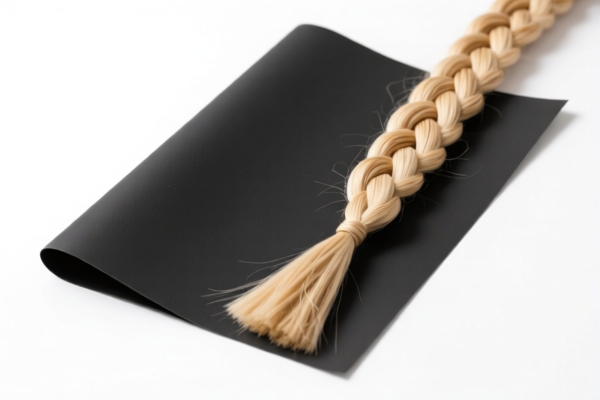
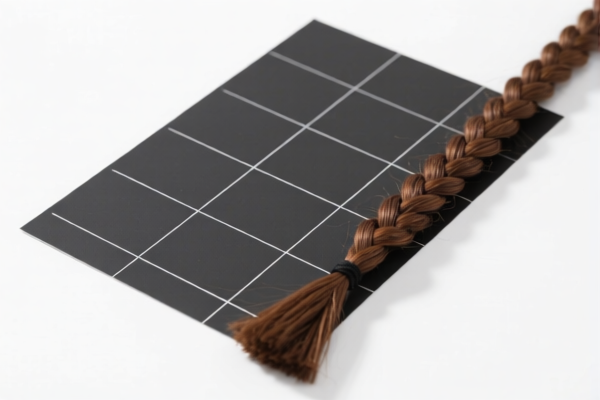
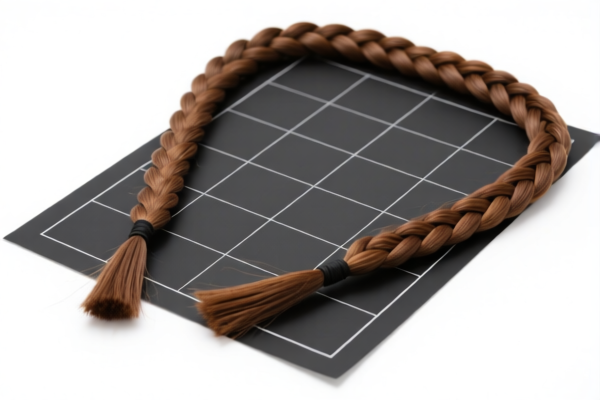
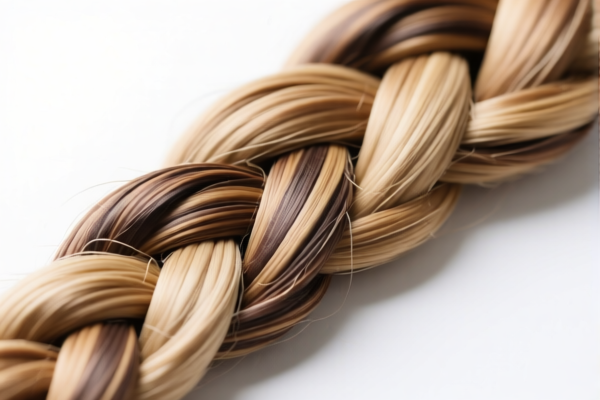
AI Analysis
🛡️ Plaits Sheet for Dustproof Use (Packed Plaiting)
🌐 HS Code Reference & Customs Clearance Guide | 2026 Latest Tariff Analysis | Professional Clearance Strategy
📌 I. Product Definition & Classification: What Exactly Is a "Plaits Sheet"?
A "Plaits Sheet" (often referred to as Packed Plaiting or Knotted Gasketing) is a sealing material made by knitting or knotting yarns (such as cotton, asbestos, graphite, or aramid) into a flexible, rope-like sheet. It is primarily used to fill irregular gaps in flanges, valves, and pumps to prevent leakage of fluids or entry of dust.
In international trade, the classification depends heavily on the material composition of the plaiting: * Metallic Plaiting: Made from steel, aluminum, or other iron/steel wires. → Classified under Chapter 73. * Textile Plaiting: Made from cotton, synthetic fibers, or other textiles. → Classified under Chapter 63. * Plastic/Rubber Plaiting: Made from polymers or elastomers. → Classified under Chapter 39.
⚠️ Critical Distinction Point:
- If the sheet is made of iron/steel wires for dustproofing/sealing → Goes to 7326.90.86.xx
- If the sheet is made of cotton/textile → Goes to 6307.90.89.40 (if cotton towels/napkins style) or 6307.90.98.91 (other made-up articles)
- If the sheet is made of plastic/rubber seals (like O-rings or gaskets) → Goes to 3926.90.45.xx
📦 II. HS Code Classification Details (2026 Latest Tariff Authority Alignment)
| HS Code | Product Description | Application Scenario | Material Basis |
|---|---|---|---|
7326.90.86.88 |
Other articles of iron or steel: Other: Other: Other: Other | Metallic gaskets, steel wire mesh for dust filtration, stainless steel plaited sheets | ✅ Iron/Steel |
7326.90.86.10 |
Other articles of iron or steel: Other: Other: Other: Laminated goods held together with adhesive or non-metallic core | Composite metallic-plastic dustproof sheets, steel-core laminated gaskets | ✅ Steel + Core |
6307.90.98.91 |
Other made up articles, including dress patterns: Other: Other: Other: Other | Non-cotton textile plaiting sheets, synthetic fiber dustproof mats | ✅ Textile (Non-Cotton) |
6307.90.89.40 |
Other made up articles: Cotton towels of pile or tufted construction | Note: This code is for "Cotton Towels". If your "Plaits Sheet" is actually a cotton-based gasket/packing that doesn't fit standard towel definitions, it may be misclassified here in some databases, but strictly it refers to towels. However, based on the provided data, we include it for cotton-based soft goods. | ✅ Cotton (Soft Goods) |
3926.90.45.10 |
Other articles of plastics: Gaskets, washers and other seals: O-Rings | Plastic/Rubber O-ring style dustproof seals | ✅ Plastic (O-Ring) |
3926.90.45.90 |
Other articles of plastics: Gaskets, washers and other seals: Other | Plastic/Rubber gaskets, washers, non-O-ring dustproof seals | ✅ Plastic (Gasket) |
🔍 Key Reminder:
- "Plaits Sheet" is a functional term, not a material term. Customs will classify based on the material. - If it's metallic, it falls under 7326. - If it's textile, it likely falls under 6307 (Other made-up articles). - If it's plastic/rubber, it falls under 3926 (Gaskets/Seals). - Do not assume all "Plaits Sheets" are the same HS code. Misclassification leads to massive tariff penalties.
💰 III. 2026 Latest Tariff Rate Breakdown (Including Surtaxes & Policy Surcharges)
✅ Applicable Country: United States (US)
✅ Country of Origin: China (CN)
✅ Effective Date: From November 10, 2025 (including subsequent imports)
🎯 1. 7326.90.86.88 & 7326.90.86.10 —— Metallic Plaits Sheets (Iron/Steel)
| Item | Content |
|---|---|
| Base Duty Rate | 2.9% (ad valorem) |
| Section 301 Surtax | +25.0% (Standard) |
| Steel/Aluminum/Copper Surtax | +50.0% (Specific surcharge for steel/aluminum/copper products) |
| Total Tax Rate | 77.9% |
| Tax Calculation | CIF Value × 77.9% |
| De Minimis Exemption | ❌ Not Eligible (deny_de_minimis) |
| Legal Basis Path | Base Tariff: 2.9% → Section 301: 25% → Section 232/Steel Surtax: 50% |
📌 Explanation:
- Total Rate: 77.9% is extremely high. This includes the base tariff (2.9%), the Section 301 tariff (25%), and the specific steel surcharge (50%). - Even if the product is small "other articles of iron or steel," the 50% steel surcharge applies if the material is classified as steel. - Warning: This applies to both7326.90.86.88(Other) and7326.90.86.10(Laminated), as per the provided data.
🎯 2. 6307.90.98.91 —— Textile Plaits Sheets (Non-Cotton/Other)
| Item | Content |
|---|---|
| Base Duty Rate | 7.0% |
| Section 301 Surtax | +7.5% |
| Total Tax Rate | 14.5% |
| Tax Calculation | CIF Value × 14.5% |
| De Minimis Exemption | ❌ Not Eligible (deny_de_minimis) |
| Legal Basis Path | Base Tariff: 7.0% → Section 301: 7.5% |
📌 Note:
- This is a significantly lower rate compared to metallic products. - Applies to non-cotton textile made-up articles. If your plait sheet is synthetic (e.g., polyester, nylon), this code may be appropriate.
🎯 3. 6307.90.89.40 —— Cotton-Based Plaits/Soft Goods
| Item | Content |
|---|---|
| Base Duty Rate | 0.0% |
| Section 301 Surtax | 0.0% |
| Total Tax Rate | 0.0% |
| Tax Calculation | No duty |
| De Minimis Exemption | N/A (Already 0%) |
| Legal Basis Path | Free Entry |
📌 Caution:
- While the tax is 0%, this code is specifically for "Cotton Towels of Pile or Tufted Construction." - Using this code for a "Plaits Sheet" (gasket/packing) is highly risky and may be challenged by customs as incorrect classification unless it truly meets the definition of a cotton towel/napkin. - If it's a cotton gasket, it might be better classified under6307.90.98.91(14.5%) to avoid penalties for misclassification.
🎯 4. 3926.90.45.10 & 3926.90.45.90 —— Plastic/Rubber Gaskets & Seals
| Item | Content |
|---|---|
| Base Duty Rate | 0.0% |
| Section 301 Surtax | 0.0% |
| Total Tax Rate | 0.0% |
| Tax Calculation | No duty |
| De Minimis Exemption | N/A |
| Legal Basis Path | Free Entry |
📌 Note:
- Plastic and rubber gaskets/seals currently face 0% base and 0% surtax in this dataset. -3926.90.45.10is for O-Rings. -3926.90.45.90is for Other Gaskets/Washers/Seals. - If your "Plaits Sheet" is a plastic or rubber-based seal, this is the most cost-effective classification.
🛠️ IV. Customs Clearance Practical Advice (Battle-Tested Pitfall Avoidance)
✅ 1. Essential Documentation Checklist (None are Optional)
| Document | Must Provide | Explanation |
|---|---|---|
| ✅ Product Specification Sheet | ✔️ | Must detail material composition (e.g., "Stainless Steel Wire," "Polyester Yarn," "Silicone Rubber"). |
| ✅ Material Composition Statement | ✔️ | Explicitly state % of iron/steel, cotton, plastic, etc. |
| ✅ Product Photos | ✔️ | Clear images showing texture, cross-section, and labeling. |
| ✅ Commercial Invoice | ✔️ | Must use precise description: "Steel Plaited Gasket, 1/4 inch, SS304" NOT just "Plaits Sheet." |
| ✅ Packing List | ✔️ | Separate lines for different materials if mixed. |
✅ 2. Declaration Tips (Key Mnemonics)
🔥 "Material is King, Function is Queen! Declare Accurately!"
| Scenario | Correct Declaration | Wrong Declaration |
|---|---|---|
| Steel Wire Plaiting | 7326.90.86.88 - "Steel Wire Plaited Gasket" |
"Plaits Sheet" → Risk of 77.9% + Penalties |
| Synthetic Fiber Plaiting | 6307.90.98.91 - "Textile Plaited Sealing Material" |
"Plaits Sheet" → Risk of 14.5% vs 77.9% if misread as metal |
| Cotton Gasket | 6307.90.98.91 (Safer) or 6307.90.89.40 (Risky) |
"Cotton Towel" → Always Wrong for gaskets |
| Plastic/Rubber Seal | 3926.90.45.90 - "Plastic Gasket Seal" |
"Plaits Sheet" → Risk of misclassification |
📌 Key Rule:
- "Plaits Sheet" is not a recognized HS Code description. Always use the material-based description. - If you declare "Plaits Sheet," customs will ask for clarification and may assign the highest possible duty based on suspicion (often metal).
✅ 3. Special Cases Handling
| Situation | Handling Advice |
|---|---|
| Mixed Material Plaiting | If steel and plastic are woven together, customs may classify under the principal material or the material that gives it essential character. Usually, if >50% is steel, use 7326. |
| Pre-cut vs. Roll | Pre-cut gaskets are "made-up articles" (6307/3926). Raw plaiting in rolls may be classified under the yarn material (5608 for knotted gasketing yarn). Check if your product is rolled or cut. |
| OEM Custom Gaskets | Provide the drawing and material spec. If it's a custom steel seal, 7326.90.86.88 is correct despite high tax. |
| Dustproof Use | The "dustproof" function does not change the HS code. It is a secondary function. Classification is based on material. |
🌍 V. Global Market Customs Comparison (2026 Latest)
| Country/Region | Recommended HS Code (Steel) | Tariff (China Origin) | Certification Required | Notes |
|---|---|---|---|---|
| 🇺🇸 USA | 7326.90.86.88 |
77.9% (2.9% Base + 25% Sec 301 + 50% Steel) | None | Extremely High Cost. Consider alternative materials if possible. |
| 🇨🇳 China | 7326.90.86.88 |
2.9% | N/A | Low tax domestically. |
| 🇪🇺 EU | 7326.90.80 |
0-3% | CE (if machinery) | No 50% steel surcharge in EU. Much cheaper for US exporters. |
| 🇬🇧 UK | 7326.90.80 |
0-3% | UKCA | Post-Brexit tariffs apply. |
| 🇯🇵 Japan | 7326.90.90 |
0-3% | PSE (if electrical) | Low tariffs. |
📌 Conclusion:
- USA is the only major market with the 50% steel surcharge. - For steel plaiting sheets, the total duty is 77.9%, which is prohibitive for many businesses. - Recommendation: If possible, switch to plastic/rubber (3926.90.45.90, 0%) or textile (6307.90.98.91, 14.5%) materials for the US market.
📌 VI. Common Errors & Pitfall Guide (Lessons Learned)
❌ Error 1: Declaring "Steel Plaits Sheet" as "Plastic Gasket" (3926) to avoid 77.9% tax
👉 Consequence: Customs inspection will reveal steel. 77.9% + 50% Penalty + Possible Fraud Charges.
❌ Error 2: Using "Cotton Towel" code (6307.90.89.40) for a cotton steel-plaited composite
👉 Consequence: Misclassification. Customs will reclassify as steel (7326) and charge 77.9%.
❌ Error 3: Ignoring the "50% Steel Surtax" in the total cost calculation
👉 Consequence: Profit margin wiped out. Budget for 77.9%, not just 2.9%.
❌ Error 4: Failing to specify material in the commercial invoice
👉 Consequence: Customs assigns default "Other Metal" or "Other Goods" code, often with higher duties.
✅ Correct Practice:
"Stainless Steel 316 Plaited Gasket, 1/4 inch x 25 yards, for Industrial Flange Sealing, HS 7326.90.86.88"
🎯 VII. Conclusion: Professional Declaration, Cost Optimization!
🎯 Remember the Mantra:
🔹 "Material First, Function Second! Steel is 77.9%, Plastic is 0%, Textile is 14.5%!"
🔹 "Don't Guess the HS Code, Define the Material! Wrong Code = Wrong Tax!"
📌 Pro Tip:
If your "Plaits Sheet" is critical for dustproofing but made of steel, consider: 1. Material Substitution: Use Plastic (0%) or Textile (14.5%) if performance allows. 2. Pre-Ruling: Apply for a Binding Ruling from US CBP before shipping to confirm the 77.9% rate and avoid surprises. 3. Supply Chain Shift: If volume is high, consider sourcing from countries not subject to Section 232/301 (e.g., Vietnam, Mexico) if applicable, though origin rules apply.
📣 Immediate Action:
📞 Contact Customs Broker + Provide Material Specs + Verify HS Code
🚀 Optimize Your Supply Chain, Avoid 77.9% Pitfalls, Maximize Profits!
✨ Professional Customs Clearance Starts with Accurate Classification!
💼 Your Cost Margin Deserves Precision, Not Guesswork!
Customer Reviews
About HS Code Classification
The Harmonized System (HS) is an internationally standardized nomenclature developed by the World Customs Organization (WCO) to classify traded products. Over 200 countries use the HS system as the basis for customs tariffs, trade statistics, and import/export regulations.
Each HS code follows a hierarchical structure:
- Chapter (2 digits) — Broad category of goods (e.g., Chapter 84: Machinery and Mechanical Appliances)
- Heading (4 digits) — More specific grouping within the chapter
- Subheading (6 digits) — Internationally standardized breakdown, used by all WCO member countries
- National subdivisions (8-10 digits) — Country-specific extensions for further classification, such as US HTSUS 10-digit codes
Correct HS code classification is essential for smooth customs clearance, accurate duty payment, and compliance with trade regulations. Misclassification can lead to customs delays, overpayment of duties, or penalties.
When importing from CN to US, the applicable tariff rates may include:
- Most-Favored-Nation (MFN) rate — The standard duty rate applied to WTO members
- General rate — Applied to countries without trade agreements
- Trade remedy duties — Additional tariffs such as Section 301 (anti-dumping), Section 232 (national security), or countervailing duties
The information provided on this page is for reference purposes only. For official classification, please consult with your local customs authority or a licensed customs broker.