Plant Adhesive
CN → USProduct Images
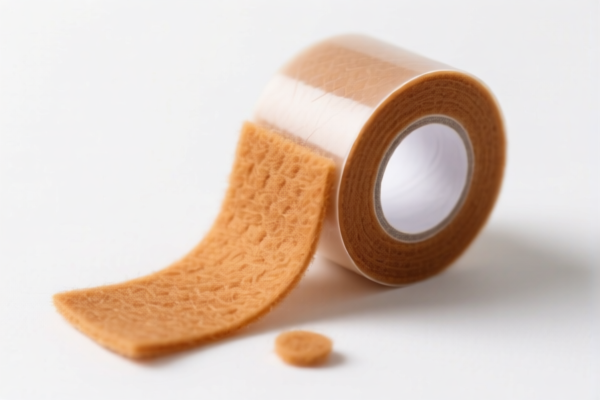
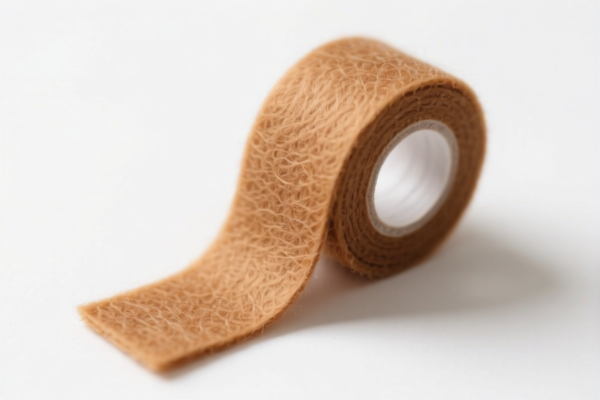
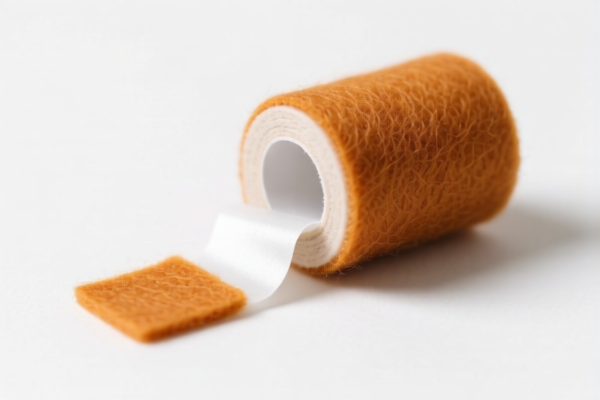
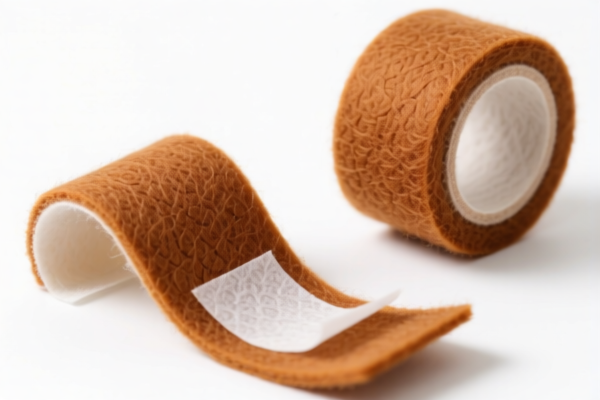
AI Analysis
🌿 Plant Adhesive (Botanical Glues & Stems)
🌐 HS Code Reference & Customs Clearance Guide | 2026 Latest Tariff Analysis | Professional Import Strategy
Plant Adhesive is a niche but growing category in the botanical, floriculture, and craft industries. It refers to adhesives derived from natural plant sources (such as starch, cellulose, or natural resins) or specialized bio-based glues used to bind plant materials, preserve flowers, or attach artificial stems.
⚠️ Critical Distinction:
- If the product is a pure natural adhesive (e.g., starch-based paste, natural latex), it may fall under Chapter 35 (Albuminoidal Substances) or Chapter 38 (Miscellaneous Chemical Products).
- If it is a synthetic-based adhesive with plant-derived additives, it likely falls under Chapter 35 or 39 (Plastics).
- If it is a finished florist’s tool (e.g., floral tape with adhesive backing), it may be classified under Chapter 48 (Paper) or Chapter 39 (Plastics).
- Most commonly, commercial "Plant Adhesives" (bio-based, non-toxic, for crafts/flower arranging) are classified under 3506.91 or 3506.99.
📦 HS Code Classification Details (2026 Latest Tariff Authority Cross-Reference)
| HS Code | Product Description | Application Scenario | Base Material |
|---|---|---|---|
3506.91.00.00 |
Adhesives prepared on the basis of starches or glucomannans | Traditional botanic glue, flower preserving paste, paper-based plant mounting | ✅ Starch/Glucomannan |
3506.99.00.00 |
Other prepared adhesives, not elsewhere specified | Bio-based resins, natural latex adhesives, mixed plant-derived glues | ✅ Plant-derived Resins/Latex |
3901.10.00.00 |
Polymers of ethylene (if synthetic base) | Synthetic plant-safe glues with plant-derived labeling | ❌ Synthetic |
3906.90.00.00 |
Other acrylic polymers | Fast-drying floral adhesives with synthetic backbone | ❌ Synthetic |
4823.90.00.00 |
Other paper products (if floral tape/adhesive strips) | Adhesive-backed floral stems, paper-based plant ties | ⚠️ Paper Base |
3824.99.00.00 |
Other chemical products (industrial grade) | Large-scale botanical extraction binders | ✅ Mixed Chemical |
🔍 Key Reminder:
- Bio-based claim: If marketed as "100% Natural" or "Plant-Based," ensure the primary binding agent is starch or natural resin. Otherwise, customs may classify it as synthetic.
- Florist Use: If sold as a "finished floral accessory" (e.g., pre-adhesive strips), it may shift to Chapter 48 or Chapter 39.
- Non-Toxic Certification: For plant safety, provide MSDS/SDS to prove no harmful synthetic solvents.
💰 2026 Latest Tariff Rate Details (US Market Focus)
✅ Applicable Country: United States (US)
✅ Origin: China (CN)
✅ Effective Date: November 10, 2025 (inclusive of subsequent imports)
🎯 1. 3506.91.00.00 —— Starch-Based Adhesives
| Item | Content |
|---|---|
| Base Tariff | 5.3% (ad valorem) |
| USITC Additional Tariff | 0% (No Section 301 listing for this specific subheading) |
| IEEPA Additional Tariff | +10% (On China-origin goods, effective Nov 10, 2025) |
| Total Tariff | 15.3% |
| Tax Calculation | CIF Value × 15.3% |
| De Minimis Exemption | ❌ Not Applicable (Deny_de_minimis) |
| Legal Path | IEEPA:9903.01.24 → USITC:3506.91.00.00 → FOOTNOTE:No special exemption |
📌 Explanation:
- 5.3% is the standard MFN rate for starch-based adhesives.
- 10% IEEPA tariff applies due to China origin.
- No 25% Section 301 tariff applies to this specific subheading, making it more favorable than many electronic or metal goods.
🎯 2. 3506.99.00.00 —— Other Prepared Adhesives (Plant-Derived Resins/Latex)
| Item | Content |
|---|---|
| Base Tariff | 5.7% (ad valorem) |
| USITC Additional Tariff | 0% |
| IEEPA Additional Tariff | +10% |
| Total Tariff | 15.7% |
| Tax Calculation | CIF Value × 15.7% |
| De Minimis Exemption | ❌ Not Applicable |
| Legal Path | IEEPA:9903.01.24 → USITC:3506.99.00.00 |
📌 Note:
- This is the catch-all for plant-based adhesives that are not starch-based (e.g., natural latex, tree sap resins).
- Same tariff structure: 5.7% base + 10% IEEPA = 15.7% total.
- No 25% penalty, making it cost-effective for importers.
🎯 3. 4823.90.00.00 —— Paper-Based Floral Adhesives (e.g., Tape)
| Item | Content |
|---|---|
| Base Tariff | 5.3% |
| USITC Additional Tariff | 0% |
| IEEPA Additional Tariff | +10% |
| Total Tariff | 15.3% |
| Tax Calculation | CIF Value × 15.3% |
| De Minimis Exemption | ❌ Not Applicable |
📌 Note:
- If the product is floral tape with adhesive backing, it is classified as paper products.
- Same 15.3% rate as starch-based glue.
🛠️ Practical Customs Clearance Advice (Battle-Tested Pitfall Guide)
✅ 1. Required Documentation (Non-Negotiable)
| Document | Mandatory? | Description |
|---|---|---|
| ✅ MSDS/SDS | ✔️ | Must prove non-toxic, plant-safe formulation. Critical for clearance. |
| ✅ Product Specification Sheet | ✔️ | Detail base ingredients (e.g., "Starch," "Natural Latex," "Tree Resin"). |
| ✅ Commercial Invoice | ✔️ | Clearly state "Plant-Based Adhesive, for Floral/Craft Use." |
| ✅ Certificate of Origin (CO) | ✔️ | If non-China origin, claim FTA benefits (e.g., RCEP, USMCA). |
| ✅ Labeling Sample | ✔️ | Must show ingredient list, hazard symbols (if any), and manufacturer info. |
| ✅ FCC/CE Reports | ⚠️ If Electronic Components | Only if the adhesive dispenser is electronic. |
✅ 2. Declaration Tips (Key Mnemonic)
🔥 "Natural Base, Clear Ingredients, Non-Toxic, HS 35!"
| Scenario | Correct Declaration | Incorrect Practice |
|---|---|---|
| Starch-based glue | 3506.91.00.00 |
Misdeclare as 3506.99 → Risk of audit |
| Natural latex/resin glue | 3506.99.00.00 |
Misdeclare as 3906.90 (Synthetic) → Higher tariff risk |
| Floral tape (paper base) | 4823.90.00.00 |
Misdeclare as 3506.99 → Wrong classification |
| Synthetic "plant-safe" glue | 3506.99.00.00 |
Claim "100% Natural" without proof → Fraud Risk |
✅ 3. Special Case Handling
| Scenario | Handling Advice |
|---|---|
| OEM Custom Plant Adhesive | Provide client design + ingredient formula to prove natural base. |
| "Non-Toxic" Claim | Submit third-party toxicity report (e.g., ASTM D-4236) to avoid chemical scrutiny. |
| Bulk Industrial vs. Retail | Bulk: 3506.99. Retail kits: 4823.90 or 3506.91 depending on component. |
| Origin: Vietnam/Thailand | Apply ASEAN-China FTA or RCEP for 0% base tariff + 10% IEEPA. Total: 10%. |
🌍 Global Market Clearance Comparison (2026 Latest)
| Country/Region | Recommended HS Code | Tariff (China Origin) | Certification Required | Notes |
|---|---|---|---|---|
| 🇺🇸 USA | 3506.91.00.00 / 3506.99.00.00 |
15.3% - 15.7% | SDS, Non-Toxic Proof | No 25% Section 301 |
| 🇨🇳 China | 3506.91.00.00 |
5% | CCC (if electronic) | No extra tariffs |
| 🇪🇺 EU | 3506.91.00.00 |
0% - 2.5% | REACH, CLP | Low tariff, high eco-standards |
| 🇦🇺 Australia | 3506.91.00.00 |
5% | APVMA (if biocidal) | No extra tariffs |
| 🇯🇵 Japan | 3506.91.00.00 |
0% - 1.7% | JIS, MSDS | Low tariff, strict labeling |
📌 Conclusion:
- USA: 15.3-15.7% total tariff. No 25% penalty. Favorable for plant-based adhesives.
- EU/Japan: Very low tariffs, but strict eco-certifications (REACH, JIS) required.
- China: Low tariff (5%), but import volumes are often limited due to domestic production.
📌 Common Errors & Pitfall Guide (Blood-Stained Lessons)
❌ Error 1: Misdeclaring "Synthetic Adhesive" as "Natural Plant Glue"
👉 Consequence: 15%+25%=40% penalty if audited as synthetic.
👉 Fix: Provide ingredient list proving >50% natural content.
❌ Error 2: Not providing MSDS/SDS
👉 Consequence: Customs holds shipment for chemical safety review. Delay: 2-4 weeks.
👉 Fix: Always include MSDS for plant-based chemicals.
❌ Error 3: Classifying Floral Tape as Adhesive
👉 Consequence: Wrong HS Code → Penalty + Back Taxes.
👉 Fix: Use 4823.90.00.00 for paper-based tapes.
❌ Error 4: Ignoring "Non-Toxic" Claims without Proof
👉 Consequence: FDA/EPA scrutiny if marketed for plant safety.
👉 Fix: Get ASTM D-4236 certification for non-toxic claim.
✅ Correct Declaration Example:
"Plant-Based Adhesive, Starch-Glucose Base, Non-Toxic, for Floral Crafts, Model PB-100, SDS Provided"
🎯 Conclusion: Professional Declaration, Cost Efficiency, Safe Clearance
🎯 Remember the Mnemonic:
🔹 "Natural Base, HS 35, 15% Tariff, SDS Required!"
🔹 "No 25% Penalty, But Prove It’s Plant-Based!"
📌 Pro Tip:
If your plant adhesive is originated from Vietnam, Thailand, or Malaysia, apply RCEP or ASEAN-China FTA to reduce base tariff to 0%. Total tariff: 10% (IEEPA only).
Recommend Advance Ruling for new formulations to avoid classification disputes.
📣 Immediate Action:
📞 Contact Customs Broker + Provide SDS + Apply for HS Code Advance Ruling
🚀 Ensure smooth clearance, lower costs, and safe import of plant adhesives!
✨ Professional Clearance Starts with Accurate Classification!
💼 Every Percent Saved, Counts!
Customer Reviews
About HS Code Classification
The Harmonized System (HS) is an internationally standardized nomenclature developed by the World Customs Organization (WCO) to classify traded products. Over 200 countries use the HS system as the basis for customs tariffs, trade statistics, and import/export regulations.
Each HS code follows a hierarchical structure:
- Chapter (2 digits) — Broad category of goods (e.g., Chapter 84: Machinery and Mechanical Appliances)
- Heading (4 digits) — More specific grouping within the chapter
- Subheading (6 digits) — Internationally standardized breakdown, used by all WCO member countries
- National subdivisions (8-10 digits) — Country-specific extensions for further classification, such as US HTSUS 10-digit codes
Correct HS code classification is essential for smooth customs clearance, accurate duty payment, and compliance with trade regulations. Misclassification can lead to customs delays, overpayment of duties, or penalties.
When importing from CN to US, the applicable tariff rates may include:
- Most-Favored-Nation (MFN) rate — The standard duty rate applied to WTO members
- General rate — Applied to countries without trade agreements
- Trade remedy duties — Additional tariffs such as Section 301 (anti-dumping), Section 232 (national security), or countervailing duties
The information provided on this page is for reference purposes only. For official classification, please consult with your local customs authority or a licensed customs broker.