Plant Bag
CN → US| HS Code | Tariff Rate | Origin | Destination | Doc |
|---|---|---|---|---|
| 6305390000 | 25.9% | CN | US | Official Doc |
| 3923210095 | 38.0% | CN | US | Official Doc |
| 3923290000 | 38.0% | CN | US | Official Doc |
| 6305330080 | 25.9% | CN | US | Official Doc |
| 6914908000 | 40.6% | CN | US | Official Doc |
Product Images
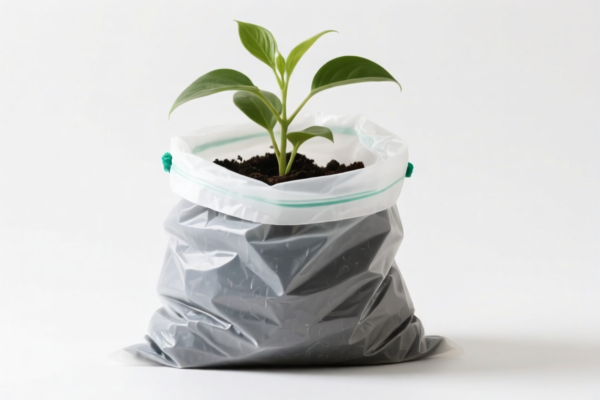
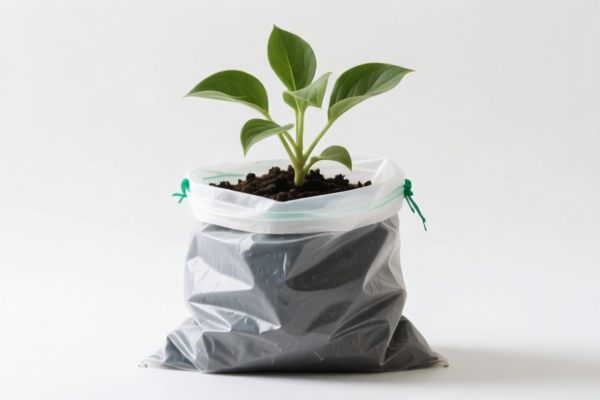
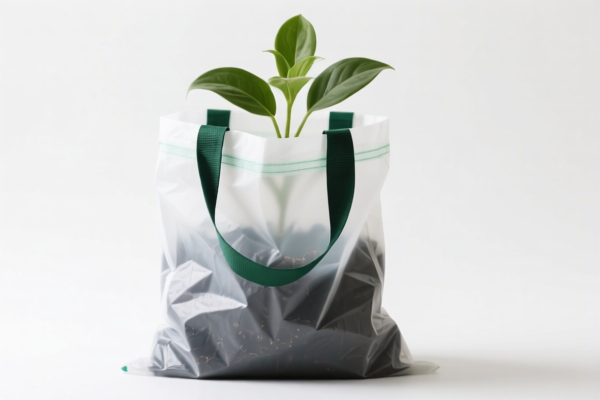
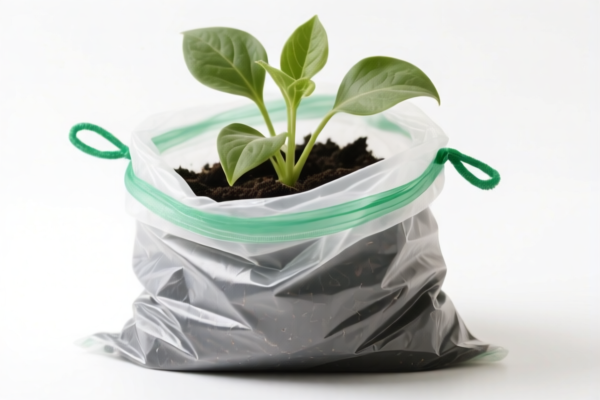
AI Analysis
🌱 Plant Bags & Grow Baskets: The Ultimate HS Code & Duty Guide for US Imports
🌐 HS Code Reference & Clearance Guide | 2026 Latest Tariff Analysis | Professional Customs Strategy
📌 I. Product Definition: What Exactly Is a "Plant Bag"?
In international trade, "Plant Bags" are not a single homogeneous category. They are strictly classified based on Material and Form. Misclassification leads to massive duty discrepancies (from ~26% to 40%+).
The Two Main Categories: 1. Plastic Grow Bags: Made from polymers (PE, PP). Used for hydroponics, nursery stock, or soil cultivation. 2. Textile/Non-Woven Grow Bags: Made from spunbond polypropylene (PP) or other textile materials. Breathable, reusable, and popular in eco-friendly gardening. 3. Ceramic Planters/Baskets: Hard, rigid vessels made of ceramic material.
⚠️ Critical Distinction:
- If it is flexible plastic, it falls under Chapter 39.
- If it is breathable textile/non-woven, it falls under Chapter 63.
- If it is rigid ceramic, it falls under Chapter 69.
- Do not mix these up. The duty rates differ significantly.
📦 II. HS Code Classification Matrix (2026 Latest Tariff Authority)
Based on the provided data, here is the precise breakdown for US imports from China.
| HS Code | Product Description | Material/Form | Key Logic |
|---|---|---|---|
3923.29.00.00 |
Plastic Plant Bags (Pouches/Sacks) | Plastic (General) | "Plastic sacks and bags" for goods packaging. |
3923.21.00.95 |
Plastic Plant Bags (Specific) | Ethylene Polymers | Specific sub-category for ethylene-based plastic sacks. |
6305.33.00.80 |
Textile Grow Bags | Polypropylene/Polyethylene Textile | "Sacks and bags" of polyethylene or polypropylene textile materials. |
6305.39.00.00 |
Other Textile Bags | Other Polyethylene Textiles | "Other" textile sacks/bags (fallback for non-standard textile compositions). |
6914.90.80.00 |
Ceramic Plant Baskets | Ceramic | "Ceramic articles" other than headwear (rigid vessels). |
🔍 Classification Key:
- Chapter 39 (Plastic): If the bag is a continuous plastic film or solid plastic pouch.
- Chapter 63 (Textile): If the bag is made from woven, non-woven, or felt textile materials (even if made of plastic fibers like PP, if it has textile properties, it goes here).
- Chapter 69 (Ceramic): If it is a hard, fired clay vessel.
💰 III. 2026 Tariff Rate Breakdown (Detailed Tax Analysis)
✅ Applicable Country: United States (US)
✅ Origin: China (CN)
✅ Effective Date: Current rates include Section 301 and IEEPA additions.
🎯 1. Plastic Bags (3923.29.00.00 & 3923.21.00.95)
These codes attract the highest total duty rate due to a higher base duty.
| Item | Detail |
|---|---|
| Base Duty Rate | 3.0% (Standard MFN) |
| Section 301 Duty | +25.0% (Trade Enforcement) |
| IEEPA 122 Clause | +10.0% (Additional US Levy) |
| Total Effective Duty | 38.0% |
| Calculation | CIF Value × 38.0% |
| De Minimis Exemption? | ❌ No. Denied for Section 301/IEEPA goods. |
| Legal Pathway | Base:3923 → Sec301:25% → IEEPA:10% |
📌 Explanation:
- Plastic bags are considered "packaging materials" under Chapter 39.
- The 38% rate is punishing. Even though the base is low (3%), the additions are high.
- Note: Both3923.29.00.00and3923.21.00.95share this 38% total rate.
🎯 2. Textile/Non-Woven Bags (6305.33.00.80 & 6305.39.00.00)
These codes benefit from a lower base duty, resulting in a lower total rate.
| Item | Detail |
|---|---|
| Base Duty Rate | 8.4% (Standard MFN) |
| Section 301 Duty | +7.5% (Trade Enforcement) |
| IEEPA 122 Clause | +10.0% (Additional US Levy) |
| Total Effective Duty | 25.9% |
| Calculation | CIF Value × 25.9% |
| De Minimis Exemption? | ❌ No. Denied for Section 301/IEEPA goods. |
| Legal Pathway | Base:6305 → Sec301:7.5% → IEEPA:10% |
📌 Explanation:
- Textile bags (6305.33or6305.39) have a higher base (8.4%) but a much lower Section 301 addition (7.5%) compared to plastic bags (25%).
- Savings: Choosing the correct textile classification can save 12.1% in total duties (38% vs 25.9%).
🎯 3. Ceramic Plant Baskets (6914.90.80.00)
| Item | Detail |
|---|---|
| Base Duty Rate | 5.6% |
| Section 301 Duty | +25.0% |
| IEEPA 122 Clause | +10.0% |
| Total Effective Duty | 40.6% |
| Calculation | CIF Value × 40.6% |
| De Minimis Exemption? | ❌ No. |
📌 Explanation:
- Ceramic items are heavy and bulky, often incurring higher freight costs.
- The 40.6% rate is the highest of all categories due to the high Section 301 addition (25%).
🛠️ IV. Practical Clearance Advice (Avoiding Pitfalls)
✅ 1. Material Verification is Key
海关 (Customs) will inspect the physical product. - Test for Porosity: If water/air passes through easily, it is likely Textile/Non-woven (6305.33/6305.39). This is your cheapest option (25.9%). - Test for Seam Type: Heat-sealed edges usually indicate Plastic (3923). Cold-sealed or woven edges indicate Textile (6305). - Hardness Check: If it cannot be bent and rings when tapped, it is Ceramic (6914) (Most Expensive: 40.6%).
✅ 2. Description Accuracy in Commercial Invoice
Do not just write "Plant Bag." Use specific descriptions to support your HS Code:
| HS Code | Recommended Description |
|---|---|
3923.29.00.00 |
"Plastic Pouch/Sack, Polyethylene, for Nursery Plants, Heat-Sealed" |
6305.33.00.80 |
"Grow Bag, Spunbond Polypropylene (Non-Woven Textile), Breathable, Reusable" |
6305.39.00.00 |
"Textile Sack, Polypropylene Fabric, for Agricultural Planting" |
6914.90.80.00 |
"Ceramic Plant Pot/Basket, Fired Clay, Glazed" |
✅ 3. Cost-Saving Strategy
- Switch Material: If your product is currently a plastic bag (38%), can you switch to Non-Woven Polypropylene (6305)?
- Savings: 12.1% duty reduction.
- Benefit: Non-woven bags are often perceived as more "eco-friendly" and breathable, adding marketing value.
- Avoid Ceramic for Volume: Unless it is a high-value decorative item, the 40.6% duty + high shipping weight makes ceramic less competitive for bulk planting bags.
🌍 V. Global Market Comparison (2026)
| Destination | HS Code (Example) | Total Duty (China Origin) | Key Requirement |
|---|---|---|---|
| 🇺🇸 USA | 6305.33.00.80 |
25.9% | Detailed Material Breakdown |
| 🇺🇸 USA | 3923.29.00.00 |
38.0% | Plastic Classification Proof |
| 🇪🇺 EU | 6305.33 |
~12-14% | No IEEPA, but CE/REACH apply |
| 🇨🇦 Canada | 6305.33 |
~10-12% | CUSMA eligibility check |
📌 Conclusion:
- The US market is highly sensitive to Section 301 and IEEPA tariffs.
- Textile bags (6305.33/6305.39) offer the best balance of duty (25.9%) and functionality.
- Plastic bags (3923) are acceptable but carry a high tax burden (38%).
- Ceramic (6914) is the most expensive and should be avoided for commodity-grade plant bags.
📌 VI. Common Mistakes & Warnings
❌ Mistake 1: Misclassifying Non-Woven as Plastic
- Error: Declaring Non-Woven PP bags under 3923.29.00.00.
- Consequence: You pay 38% instead of 25.9%. You overpay by 12.1% on every shipment.
- Correction: Ensure your invoice states "Non-Woven Textile" and provide material specs.
❌ Mistake 2: Ignoring IEEPA 122 Clause - Error: Assuming Section 301 (25% or 7.5%) is the only extra tax. - Consequence: Missing the additional 10% IEEPA tax leads to underpayment and penalties. - Correction: Always add +10% to your cost model for US imports from China.
❌ Mistake 3: Combining Different Materials in One Shipment - Error: Mixing ceramic pots and plastic bags in one HS Code. - Consequence: Customs may reject the entire shipment or audit at the highest rate. - Correction: Separate shipments or clearly declare separate line items with distinct HS Codes.
🎯 VII. Final Recommendation
🏆 Best Choice for Cost Efficiency:
HS Code
6305.33.00.80(Textile/Non-Woven Bags) - Total Duty: 25.9% - Why: Lowest total duty rate, high demand, eco-friendly perception.
🥈 Second Choice:
HS Code
3923.29.00.00(Plastic Bags) - Total Duty: 38.0% - Why: Higher duty, but suitable for watertight/hydroponic specific uses where textile fails.
❌ Avoid for Commodity:
HS Code
6914.90.80.00(Ceramic) - Total Duty: 40.6% - Why: Highest duty and freight costs. Only for premium decorative items.
✨ Professional Clearance Starts with Accurate Classification!
💼 Your Profit Margin Depends on the Right HS Code!
Customer Reviews
About HS Code Classification
The Harmonized System (HS) is an internationally standardized nomenclature developed by the World Customs Organization (WCO) to classify traded products. Over 200 countries use the HS system as the basis for customs tariffs, trade statistics, and import/export regulations.
Each HS code follows a hierarchical structure:
- Chapter (2 digits) — Broad category of goods (e.g., Chapter 84: Machinery and Mechanical Appliances)
- Heading (4 digits) — More specific grouping within the chapter
- Subheading (6 digits) — Internationally standardized breakdown, used by all WCO member countries
- National subdivisions (8-10 digits) — Country-specific extensions for further classification, such as US HTSUS 10-digit codes
Correct HS code classification is essential for smooth customs clearance, accurate duty payment, and compliance with trade regulations. Misclassification can lead to customs delays, overpayment of duties, or penalties.
When importing from CN to US, the applicable tariff rates may include:
- Most-Favored-Nation (MFN) rate — The standard duty rate applied to WTO members
- General rate — Applied to countries without trade agreements
- Trade remedy duties — Additional tariffs such as Section 301 (anti-dumping), Section 232 (national security), or countervailing duties
The information provided on this page is for reference purposes only. For official classification, please consult with your local customs authority or a licensed customs broker.