Plant Cover
CN → USProduct Images
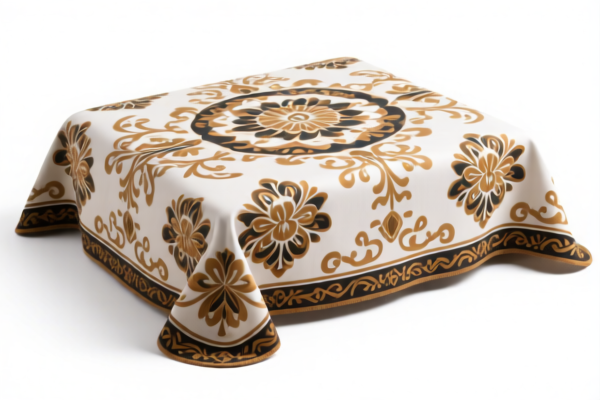
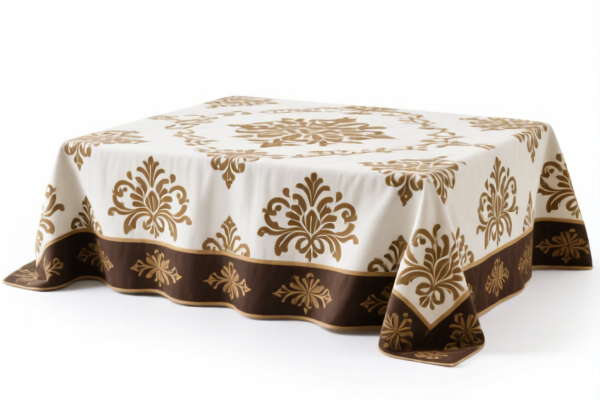
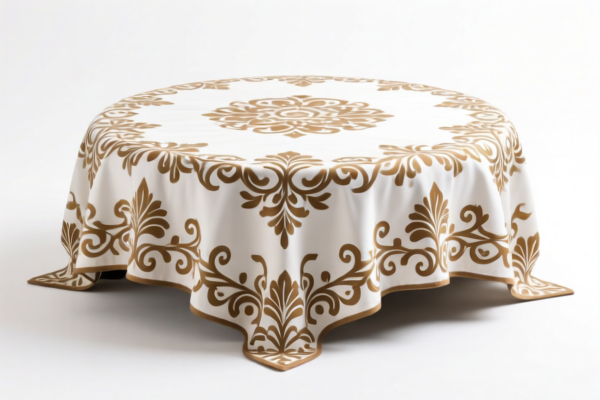
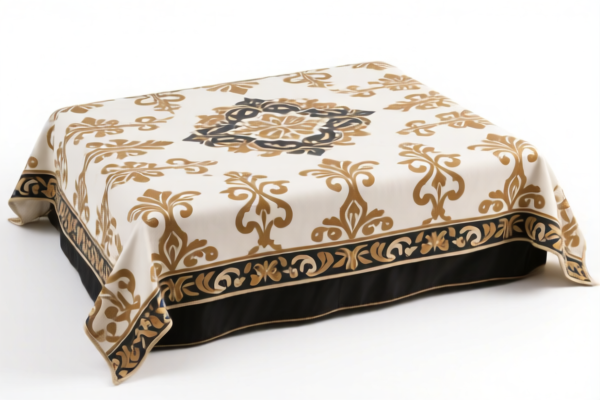
AI Analysis
🌿 Plant Cover (Greenhouse Films, Agricultural Shelters & Protective Meshes)
🌐 HS Code Reference & Customs Clearance Guide | 2026 Latest Tariff Analysis | Professional Level Entry Strategy
📌 1. Product Definition & Classification: What Exactly is a "Plant Cover"?
In international trade, "Plant Cover" is a broad term that encompasses various materials used to protect crops from weather, pests, and temperature extremes. The correct HS Code classification depends heavily on the material composition, structure, and intended use.
They are generally divided into three main categories:
1. Plastic Films & Sheets (Greenhouse Films): Thin, flexible plastic materials (usually PE, PVC, or EVA) used for covering greenhouses, tunnels, or direct crop protection. These are typically classified under Chapter 39 (Plastics). 2. Non-Woven Textiles (Fleece/Spunbond): Breathable fabric covers used for frost protection or insect netting. These are classified under Chapter 56 or 60 (Textiles/Non-wovens). 3. Metal/Glass Greenhouse Structures: Rigid structures. Note: This guide focuses on the "Cover" materials (films/fabrics), not the structural frame, which would fall under HS 73 (Metal) or 70 (Glass).
⚠️ Key Distinction Point: - If it is a plastic film rolled into sheets → HS Code 3920 or 3921. - If it is a fabric/textile (even if plastic-based like HDPE mesh) → HS Code 5905, 5603, or 6003. - Misclassification leads to severe tariff discrepancies (e.g., 0% vs. 25%+ in the US).
📦 2. HS Code Classification Details (2026 Latest Tariff Alignment)
| HS Code | Product Description | Applicable Scenario | Material Type |
|---|---|---|---|
3920.10.60.00 |
Polyethylene plates, sheets, film, and foil (not reinforced, laminated, etc.) | Standard greenhouses, plastic mulch, tunnel covers | ✅ PE (Plastic) |
3921.90.80.00 |
Other plates, sheets, film, foil and strip (e.g., PVC, EVA, Composite) | Specialty films (light diffusing, anti-fog), multi-layer co-extruded films | ✅ PVC/EVA/Composite |
5603.13.00.00 |
Non-woven fabric, weighing >70 g/m² but ≤150 g/m² (e.g., Agricultural Fleece) | Frost protection covers, breathable crop covers | ✅ Non-woven Polypropylene |
5905.00.80.00 |
Textile wallcoverings, other than those of heading 5903 (not impregnated with plastics) | Rare for standard ag covers, but applies to certain textile-based shading nets | ✅ Textile |
6003.90.00.00 |
Knitted or crocheted fabrics, of other materials (e.g., Shading Nets) | Insect mesh, shade cloth (knitted structure) | ✅ Knitted Plastic/Textile |
🔍 Critical Reminder: - Plastic Films fall under Chapter 39. Most standard greenhouse films are PE (Polyethylene). - Non-woven Fleece falls under Chapter 56. If the grammage (weight per square meter) is low (<70g/m²), it might fall under
5603.11, but for heavy-duty ag use,5603.13is common. - Shade Nets are often knitted, falling under Chapter 60 (6003.90.00.00).
💰 3. 2026 Latest Tariff Rate Breakdown (Including Surtaxes & Policy Add-ons)
✅ Applicable Country: United States (US)
✅ Country of Origin: China (CN)
✅ Effective Date: From November 10, 2025 (and subsequent imports)
🎯 1. 3920.10.60.00 —— Polyethylene Film (Greenhouse/Ag Film)
| Item | Details |
|---|---|
| Base Rate | 0% (ad valorem) |
| USITC Surtax | +25% (from USITC Footnote 9903.88.01) |
| IEEPA Surtax | +10% (Targeting China/HK products, effective from Nov 10, 2025) |
| Total Rate | 35% |
| Tax Calculation | CIF Value × 35% |
| De Minimis Eligibility | ❌ Not Eligible (deny_de_minimis) |
| Legal Basis Path | IEEPA:9903.01.25 → IEEPA:9903.01.24 → USITC:3920.10.60.00 → FOOTNOTE:9903.88.01 |
📌 Explanation: - "USITC Surtax 25%" stems from the "Section 301 Tariffs" under the US Trade Act. - "IEEPA 10%" is an additional tariff under the International Emergency Economic Powers Act targeting Chinese plastic products. - Total 35% is a high tariff. Must be accounted for in cost analysis!
🎯 2. 3921.90.80.00 —— Other Plastic Sheets (PVC/EVA Specialty Films)
| Item | Details |
|---|---|
| Base Rate | 0% |
| USITC Surtax | +25% |
| IEEPA Surtax | +10% |
| Total Rate | 35% |
| Tax Calculation | CIF × 35% |
| De Minimis Eligibility | ❌ Not Eligible |
| Legal Basis Path | IEEPA:9901.25 → IEEPA:9903.01.24 → USITC:3921.90.80.00 → FOOTNOTE:9903.88.01 |
📌 Note: - Same as above. Whether it is simple PE or complex PVC/EVA multi-layer film, if it's a plastic sheet/film from China, it faces the 35% combined tariff.
🎯 3. 5603.13.00.00 —— Non-Woven Agricultural Fleece
| Item | Details |
|---|---|
| Base Rate | 0% (Generally, non-wovens have lower base rates) |
| USITC Surtax | +25% (Check specific footnote; often applies to textile/non-woven products from China under Sec 301) |
| IEEPA Surtax | +10% (If classified under broader "China-specific" textile/plastic hybrid rules) |
| Total Rate | 35% (Likely, though some specific textile codes may have exemptions, plastic-based non-wovens are often caught) |
| Tax Calculation | CIF × 35% |
| De Minimis Eligibility | ❌ Not Eligible |
📌 Caution: - Ensure the material is truly polypropylene/polyester non-woven. If it contains significant plastic coating or is considered a "plastic product," it might be reclassified to Chapter 39, locking in the same 35% rate.
🛠️ 4. Customs Clearance Practical Advice (Combat Pitfalls Guide)
✅ 1. Documentation Checklist (All Required)
| Document | Must Provide | Description |
|---|---|---|
| ✅ Product Spec Sheet | ✔️ | Material (PE/PVC/PP), Thickness (microns), Width, Length, UV Stability, Light Transmission % |
| ✅ Material Safety Data Sheet (MSDS) | ✔️ | Especially for PVC or chemically treated films |
| ✅ Product Photos | ✔️ | Show rolls, labels, thickness gauge, and application example |
| ✅ Commercial Invoice | ✔️ | Clearly state "Polyethylene Film for Greenhouse Use" or "Agricultural Non-Woven Fabric" |
| ✅ Certificate of Origin (CO) | ✔️ | To prove origin. If from Vietnam/Malaysia, may qualify for IEEPA exemption |
| ✅ Packing List | ✔️ | Net/Gross weight, number of rolls |
✅ 2. Declaration Tips (Key Mantra)
🔥 "Material Determines Code, Origin Determines Rate, Precision Saves Money!"
| Scenario | Correct Declaration | Wrong Practice |
|---|---|---|
| Standard PE Greenhouse Film | 3920.10.60.00 |
Vague "Plastic Sheet" → 25-35% |
| Multi-layer EVA Diffuse Film | 3921.90.80.00 |
Misclassified as PE → Audit risk |
| Frost Protection Fleece | 5603.13.00.00 |
Misclassified as "Matting" → Wrong rate |
| Shade Net (Knitted) | 6003.90.00.00 |
Misclassified as "Textile" without checking base material |
✅ 3. Special Situations
| Situation | Handling Advice |
|---|---|
| OEM Custom Printed Film | Provide print design files. Ensure ink compliance (FDA/RoHS) if used for food crops. |
| Biodegradable Films | Crucial: Must provide certified biodegradability test reports (e.g., DIN CERTCO, BPI). Otherwise, customs may treat as standard plastic. |
| Rolls vs. Cut Sheets | Declare as "Rolled" if possible. Cutting may change dimensions but usually keeps HS Code. |
| Origin from Southeast Asia | If from Vietnam, Thailand, or Malaysia, apply for IEEPA Exemption. Tariff drops to 0%-5%. Requires strict supply chain proof. |
🌍 5. Global Market Comparison (2026 Latest)
| Country/Region | Recommended HS Code | Tariff (China Origin) | Certification Required | Notes |
|---|---|---|---|---|
| 🇺🇸 USA | 3920.10.60.00 |
35% (25% + 10%) | None specific | High tariff due to Sec 301 & IEEPA |
| 🇨🇳 China | 3920.10.60.00 |
5% - 10% | None | Low domestic tax |
| 🇪🇺 EU | 3920.10.60.00 |
6.5% | None | Standard MFN rate |
| 🇦🇺 Australia | 3920.10.60.00 |
5% | None | No major surcharges |
| 🇯🇵 Japan | 3920.10.60.00 |
0% - 3% | None | Favorable rates |
📌 Conclusion: - The US is the only major market imposing the 35% combined surcharge on Chinese plant covers. - EU, Australia, and Japan have standard, manageable tariffs. - Strategy: If exporting to the US, consider supply chain diversification (e.g., manufacturing in Vietnam/Malaysia) to avoid the 35% hit.
📌 6. Common Errors & Pitfall Avoidance (Blood & Tears Lessons)
❌ Error 1: Declaring "Plastic Film" without specifying Material Composition
👉 Consequence: Customs may assign a higher general rate or request additional documentation, causing delays.
❌ Error 2: Failing to declare Biodegradability when claimed
👉 Consequence: Labeled as "Greenwashing" or misdeclaration. May face penalties if it's not certified.
❌ Error 3: Mixing Rolls and Cut Pieces in one shipment without clear distinction
👉 Consequence: Confusion in valuation. Declare clearly: "100 Rolls, each 100m length."
❌ Error 4: Ignoring Section 301 Exclusions
👉 Consequence: Many ag-specific plastic films were previously excluded. Check if your specific HTS code still has an exclusion list for 2026. If not, you pay full surcharge.
✅ Correct Practice:
"Polyethylene Film, 6 mil thickness, UV stabilized, 10ft width, rolled, for greenhouse covering, Made in China"
🎯 7. Conclusion: Professional Declaration, Cost Control, Efficiency!
🎯 Remember the Mantra:
🔹 "Material defines HS, Origin defines Tariff, Biodegradable needs Proof!"
🔹 "US Market = 35% Hit, Southeast Asia = Exemption Opportunity!"
📌 Pro Tip:
If your plant covers are originating from Vietnam, Mexico, Thailand, or Malaysia, you may qualify for IEEPA Exemption, reducing the tariff to 0%-5%.
Recommendation: Apply for an Advance Ruling from US Customs (CBP) to confirm your specific HS Code and tariff liability before shipping.
📣 Immediate Action:
📞 Contact a professional customs broker + Provide Material Specs + Apply for HS Code Advance Ruling
🚀 Let your Plant Covers, clear customs smoothly, maximize profit, and expand globally!
✨ Professional Customs Clearance Starts with Precise Classification!
💼 Every cent of your cost deserves accurate calculation!
Customer Reviews
About HS Code Classification
The Harmonized System (HS) is an internationally standardized nomenclature developed by the World Customs Organization (WCO) to classify traded products. Over 200 countries use the HS system as the basis for customs tariffs, trade statistics, and import/export regulations.
Each HS code follows a hierarchical structure:
- Chapter (2 digits) — Broad category of goods (e.g., Chapter 84: Machinery and Mechanical Appliances)
- Heading (4 digits) — More specific grouping within the chapter
- Subheading (6 digits) — Internationally standardized breakdown, used by all WCO member countries
- National subdivisions (8-10 digits) — Country-specific extensions for further classification, such as US HTSUS 10-digit codes
Correct HS code classification is essential for smooth customs clearance, accurate duty payment, and compliance with trade regulations. Misclassification can lead to customs delays, overpayment of duties, or penalties.
When importing from CN to US, the applicable tariff rates may include:
- Most-Favored-Nation (MFN) rate — The standard duty rate applied to WTO members
- General rate — Applied to countries without trade agreements
- Trade remedy duties — Additional tariffs such as Section 301 (anti-dumping), Section 232 (national security), or countervailing duties
The information provided on this page is for reference purposes only. For official classification, please consult with your local customs authority or a licensed customs broker.