Plant Fatty Acid Mixture
CN → US| HS Code | Tariff Rate | Origin | Destination | Doc |
|---|---|---|---|---|
| 3823130020 | 20.7% | CN | US | Official Doc |
| 1518004000 | 25.5% | CN | US | Official Doc |
| 3823130040 | 20.7% | CN | US | Official Doc |
| 1518002000 | 0.0% | CN | US | Official Doc |
| 1521100060 | 17.5% | CN | US | Official Doc |
Product Images
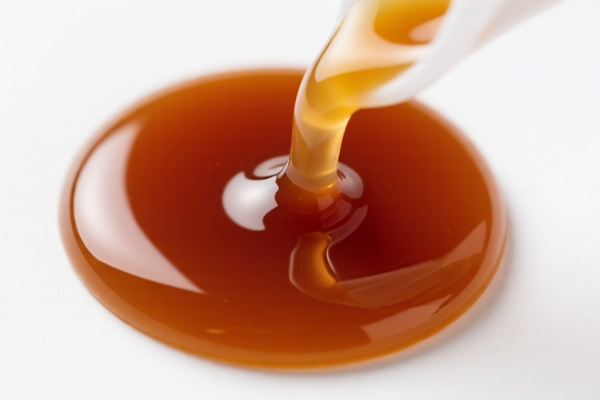
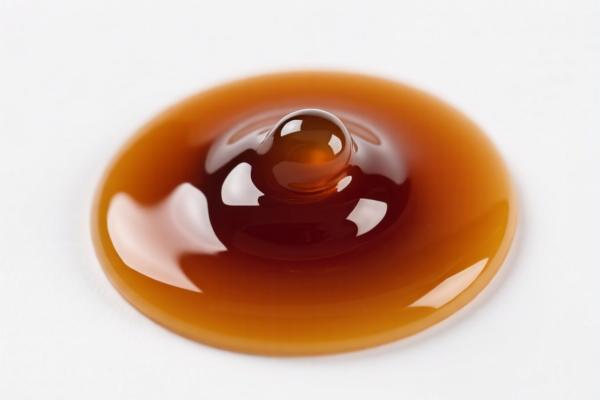
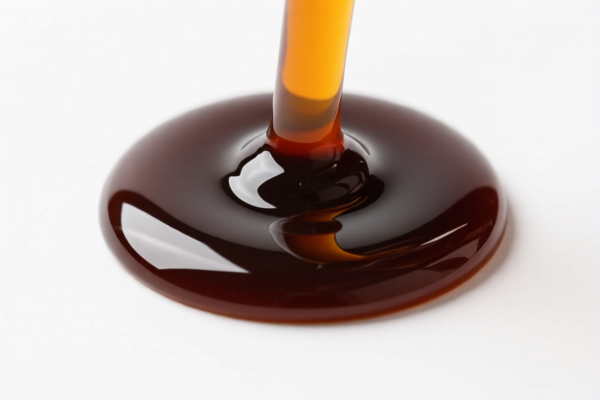
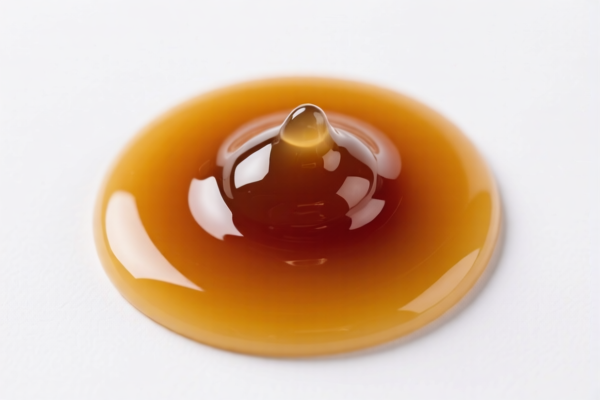
AI Analysis
🌿 Plant Fatty Acid Mixture (Industrial Chemicals & Oils)
🌐 HS Code Reference & Customs Clearance Guide | 2026 Latest Tariff Analysis | Professional Clearance Strategy
📌 I. Product Definition & Classification: Do You Really Understand "Plant Fatty Acid Mixture"?
Plant Fatty Acid Mixture refers to a complex blend derived from the hydrolysis and separation of plant oils (such as soybean, palm, coconut, or rapeseed oil). In international trade, its classification depends heavily on whether it is considered a "natural chemical derivative" (Chapter 38) or a "chemically modified oil/fat" (Chapter 15). The distinction is critical because it determines not only the HS Code but also the final landed cost due to varying tariff structures and Section 301/IEEPA附加税.
⚠️ Key Distinction Point:
- If the product is viewed as an industrial monocarboxylic fatty acid or falls under general fatty acid categories → Classify under Chapter 38.
- If the product is viewed as a chemical modification derivative of vegetable oils or oil fractions → Classify under Chapter 15.
- If it contains animal fats or esters mixed with plant derivatives → It may fall under Animal Oil/Fat derivatives, altering the tax profile significantly.
📦 II. HS Code Classification Details (2026 Latest Tariff Authority Comparison)
Based on the provided data, the Plant Fatty Acid Mixture can be classified into four distinct HS Codes depending on the specific chemical nature and regulatory interpretation.
| HS Code | Product Description & Summary | Applicable Logic | Total Tax Rate |
|---|---|---|---|
3823.13.00.20 |
Plant fatty acids belonging to industrial monocarboxylic fatty acids, matching the material characteristics of this category. | Industrial Monocarboxylic Fatty Acids | 20.7% |
1518.00.40.00 |
Plant fatty acids corresponding to vegetable oils and their fractions; classified as chemical modification derivatives of oils. | Chemically Modified Oil/Fat Derivatives | 25.5% |
3823.13.00.40 |
Plant fatty acids belonging to the "other" category within the fatty acid major class, fitting the fallback matching logic. | Fallback for Other Fatty Acids | 20.7% |
1518.00.20.00 |
Plant fatty acids belonging to oil fractions or chemically modified products, fitting the logic of oils and their fractions. | Oil Fractions / Chemically Modified Oils | 6.3¢/kg + 17.5% |
1521.10.00.60 |
Animal oil fatty acid ester mixture belongs to animal oil derivatives, matching properties under the oil category. | Note: Only applicable if animal components are present | 17.5% |
🔍 Critical Observation:
- The highest tax rate (25.5%) applies to the classification under 1518.00.40.00 (Chemically Modified Oils).
- The most common classifications for pure plant fatty acids appear to be under 3823.13 (20.7%), provided they are deemed industrial monocarboxylic acids or other fatty acids.
- Mixed Animal/Plant Derivatives (1521.10.00.60) carry a lower total tax of 17.5%, but this requires proof of animal origin or specific ester composition.
💰 III. Detailed 2026 Tariff Rate Breakdown (Including Surcharges & Policy Add-ons)
✅ Applicable Country: United States (US)
✅ Origin: China (CN) (Inferred from "122 Clause" and standard US-China tariff context in data)
✅ Effective Time: Post-2025 (Current Policy Context)
🎯 1. 3823.13.00.20 & 3823.13.00.40 — Industrial Fatty Acids (Most Common)
These two codes share the exact same tax structure, as they both fall under Chapter 38 (Miscellaneous Chemical Products).
| Item | Details |
|---|---|
| Base Tariff | 3.2% (Ad Valorem) |
| Section 301 Surcharge | +7.5% (Standard 301 Tariff for China) |
| Section 122 Surcharge | +10% (Specific 122 Clause Tariff) |
| Total Effective Rate | 20.7% |
| Tax Calculation | CIF Value × 20.7% |
| De Minimis Eligibility | ❌ Not Eligible (High tariff rates typically exclude de minimis clearance under current US regulations for Chinese goods) |
| Legal Basis Path | USITC:3823.13.00.20 → Section 301: Footnote 7 → Section 122: Footnote 122 |
📌 Explanation:
- The 3.2% base rate is standard for miscellaneous chemical products.
- The 7.5% represents the ongoing Section 301 tariffs on Chinese industrial chemicals.
- The 10% is a specific addition under Section 122 (often related to enforcement or specific trade remedy measures).
- Total: 20.7%. This is a significant cost burden compared to base rates.
🎯 2. 1518.00.40.00 — Chemically Modified Vegetable Oils
This classification treats the fatty acid mixture as a derivative of the oil itself, triggering higher base rates and additional surcharges.
| Item | Details |
|---|---|
| Base Tariff | 8.0% (Ad Valorem) |
| Section 301 Surcharge | +7.5% |
| Section 122 Surcharge | +10% |
| Total Effective Rate | 25.5% |
| Tax Calculation | CIF Value × 25.5% |
| De Minimis Eligibility | ❌ Not Eligible |
| Legal Basis Path | USITC:1518.00.40.00 → Section 301: Footnote 7 → Section 122: Footnote 122 |
📌 Note:
- This is the most expensive classification in the dataset.
- The higher base rate (8.0% vs 3.2%) significantly impacts profitability.
- Avoid this code unless the product composition strictly matches "chemically modified oils" and cannot be classified under Chapter 38.
🎯 3. 1518.00.20.00 — Oil Fractions / Chemically Modified Oils (Specific Type)
This code uses a hybrid tax structure (Specific + Ad Valorem).
| Item | Details |
|---|---|
| Base Tariff | 6.3¢/kg (Specific Duty) + 17.5% Total Ad Valorem |
| Section 301 Surcharge | Included in the 17.5% Total? (Data implies 17.5% is the TOTAL tax) |
| Section 122 Surcharge | Included in the 17.5% Total? |
| Total Effective Rate | 17.5% (Ad Valorem component) + Specific Duty |
| Detailed Tax Breakdown in Data | Base: 6.3¢/kg, Section 301: 7.5%, Section 122: 10% |
| Clarification | The data states "6.3¢/kg + 17.5%". This likely means: Specific Duty of 6.3¢/kg PLUS an Ad Valorem rate that totals 17.5% after adding surcharges? Or is 17.5% the sum of Base + 301 + 122? Analysis: If Base is ~0% or low, 7.5+10=17.5. However, standard oil fractions have base rates. Interpretation based on data string: The Total Tax is listed as 6.3¢/kg + 17.5%. This is a complex hybrid. |
| Legal Basis Path | USITC:1518.00.20.00 → Specific Duty Clause → Surcharge Clauses |
📌 Caution:
- Hybrid taxes (Specific + Ad Valorem) are difficult to calculate without knowing the exact density/weight of the shipment.
- Ensure the "17.5%" refers to the ad valorem portion only, or if it's the total effective rate. The data format6.3¢/kg+17.5%suggests both apply.
🎯 4. 1521.10.00.60 — Animal Oil Fatty Acid Ester Mixture
⚠️ Applicable ONLY if the mixture contains animal-derived fatty acid esters.
| Item | Details |
|---|---|
| Base Tariff | 0.0% |
| Section 301 Surcharge | +7.5% |
| Section 122 Surcharge | +10% |
| Total Effective Rate | 17.5% |
| Tax Calculation | CIF Value × 17.5% |
| De Minimis Eligibility | ❌ Not Eligible |
| Legal Basis Path | USITC:1521.10.00.60 → Section 301: Footnote 7 → Section 122: Footnote 122 |
📌 Advantage:
- The 0% base rate makes this the most favorable option IF the product qualifies as an animal oil derivative.
- However, misclassifying plant fatty acids as animal oil derivatives is a serious customs violation. Requires strict proof of composition.
🛠️ IV. Practical Clearance Recommendations (Field Pitfall Avoidance Guide)
✅ 1. Documentation Checklist (Non-Negotiable)
| Document | Mandatory? | Description |
|---|---|---|
| ✅ Composition Analysis Report | ✔️ | Must detail the percentage of plant vs. animal fats, and specific fatty acid chains (C12-C18, etc.). |
| ✅ Production Process Description | ✔️ | Explain how the mixture is obtained (e.g., hydrolysis, distillation, chemical modification). |
| ✅ Product Photo & Label | ✔️ | Clear view of the label, batch number, and any hazard symbols. |
| ✅ Third-Party Test Report | ✔️ | COA (Certificate of Analysis) verifying purity and origin. |
| ✅ Commercial Invoice | ✔️ | Must clearly state "Plant Fatty Acid Mixture" or specific chemical names. |
| ✅ Certificate of Origin (CO) | ✔️ | Essential for proving Chinese origin to apply correct surcharges. |
✅ 2. Classification Strategy (Key Mnemonic)
🔥 "Check Origin, Check Structure, Choose Chapter 38 or 15!"
| Scenario | Correct HS Code | Risk if Misclassified |
|---|---|---|
| Pure Plant Fatty Acids (Industrial use) | 3823.13.00.20 or .40 (20.7%) |
Misclassifying as 1518 leads to 25.5% (Higher Cost). |
| Chemically Modified Oil Derivatives | 1518.00.40.00 (25.5%) |
Misclassifying as 3823 might trigger audits if chemical modification is evident. |
| Contains Animal Esters | 1521.10.00.60 (17.5%) |
HIGH RISK: If no animal content, this is fraud. Penalties are severe. |
| Oil Fractions with Specific Duty | 1518.00.20.00 (6.3¢/kg + 17.5%) |
Complex calculation. Ensure weight and value are accurate. |
✅ 3. Special Situations Handling
| Situation | Recommendation |
|---|---|
| OEM Custom Mixture | Provide detailed chemical structure diagrams. Avoid vague terms like "Fatty Acid Mixture" without specifying plant vs. animal. |
| Blended with Solvents | If solvents are present, the product may no longer be classified as pure fatty acids. Seek pre-ruling. |
| Dual-Use Chemicals | Some fatty acids are used in munitions or explosives precursors. Check for BIS (Bureau of Industry and Security) restrictions. |
| De Minimis Loophole? | Do not rely on de minimis. With tariffs >15%, even small shipments are subject to formal entry and duties. |
🌍 V. Global Market Customs Comparison (2026 Latest)
| Country/Region | Recommended HS Code | Base Tariff | Notes |
|---|---|---|---|
| 🇺🇸 USA | 3823.13.00.20 |
20.7% (Total) | High due to Section 301 + 122. |
| 🇨🇳 China | 3823.13.00.00 |
~3-5% | Lower than US. No Section 301. |
| 🇪🇺 EU | 3823.13.00 |
0% | Generally duty-free for fatty acids. |
| 🇯🇵 Japan | 3823.13.00 |
0% | Free trade agreement benefits may apply. |
📌 Conclusion:
- The US is the most expensive market for Plant Fatty Acid Mixtures due to additional tariffs.
- Strategy: If possible, source from non-China origins (e.g., Southeast Asia) to mitigate Section 301 tariffs, though 122 Clause may still apply depending on origin rules.
📌 VI. Common Errors & Pitfall Guide (Lessons Learned)
❌ Error 1: Using "Vegetable Oil" instead of "Fatty Acid Mixture"
👉 Consequence: Wrong HS Code (1507 vs 3823). Customs will reclassify, causing delays and potential fines.
❌ Error 2: Ignoring Animal Content
👉 Consequence: If 1521.10.00.60 is used but no animal content exists, it is Customs Fraud. Penalties include seizure and civil fines.
❌ Error 3: Vague Description on Invoice
👉 Consequence: "Chemical Mixture" without details leads to HOLD by CBP for further examination.
❌ Error 4: Assuming De Minimis Applies
👉 Consequence: Packages under $800 may still be denied entry if flagged for high-tariff Chinese goods.
✅ Correct Practice:
"Plant-Derived Fatty Acid Mixture (C12-C18), Industrial Grade, Hydrolyzed from Palm Oil, No Animal Content, HS Code 3823.13.00.20"
🎯 VII. Conclusion: Precise Classification Saves Money!
🎯 Remember the Mnemonic:
🔹 "Plant Fatty, Check 38 or 15."
🔹 "38 is 20.7%, 15 is 25.5% or 17.5%."
🔹 "Animal Content? 17.5% Base 0%."
🔹 "No De Minimis! Plan Ahead!"
📌 Pro Tip:
If your Plant Fatty Acid Mixture is highly purified or chemically modified in a unique way, consider applying for an Advance Ruling (CBP Ruling) from US Customs. This provides legal certainty on the HS Code and tariff rate, protecting you from future audits and retroactive duties.
📣 Immediate Action:
📞 Contact a Licensed Customs Broker + Provide COA + Request HS Code Pre-Ruling
🚀 Ensure Smooth Clearance, Reduce Costs, and Avoid Compliance Risks!
✨ Professional Clearance Starts with Accurate Classification!
💼 Every Cent Counts in International Trade!
Customer Reviews
About HS Code Classification
The Harmonized System (HS) is an internationally standardized nomenclature developed by the World Customs Organization (WCO) to classify traded products. Over 200 countries use the HS system as the basis for customs tariffs, trade statistics, and import/export regulations.
Each HS code follows a hierarchical structure:
- Chapter (2 digits) — Broad category of goods (e.g., Chapter 84: Machinery and Mechanical Appliances)
- Heading (4 digits) — More specific grouping within the chapter
- Subheading (6 digits) — Internationally standardized breakdown, used by all WCO member countries
- National subdivisions (8-10 digits) — Country-specific extensions for further classification, such as US HTSUS 10-digit codes
Correct HS code classification is essential for smooth customs clearance, accurate duty payment, and compliance with trade regulations. Misclassification can lead to customs delays, overpayment of duties, or penalties.
When importing from CN to US, the applicable tariff rates may include:
- Most-Favored-Nation (MFN) rate — The standard duty rate applied to WTO members
- General rate — Applied to countries without trade agreements
- Trade remedy duties — Additional tariffs such as Section 301 (anti-dumping), Section 232 (national security), or countervailing duties
The information provided on this page is for reference purposes only. For official classification, please consult with your local customs authority or a licensed customs broker.