Plant Fiber Storage Basket
CN → US| HS Code | Tariff Rate | Origin | Destination | Doc |
|---|---|---|---|---|
| 5608192010 | 40.0% | CN | US | Official Doc |
| 4202929100 | 52.6% | CN | US | Official Doc |
| 5608192090 | 40.0% | CN | US | Official Doc |
| 4202929336 | 52.6% | CN | US | Official Doc |
| 6305900000 | 23.7% | CN | US | Official Doc |
Product Images
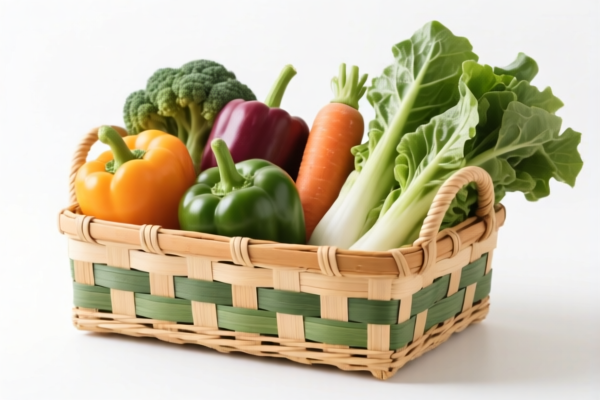

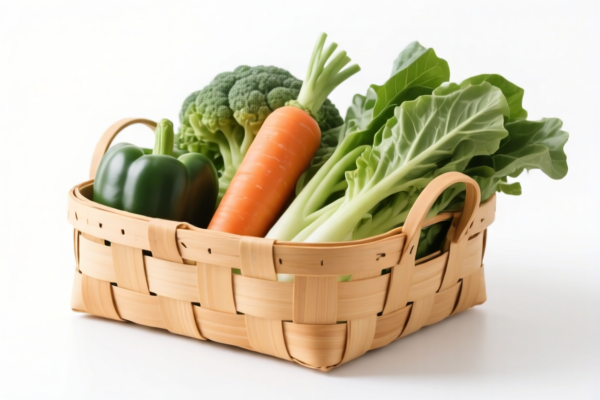
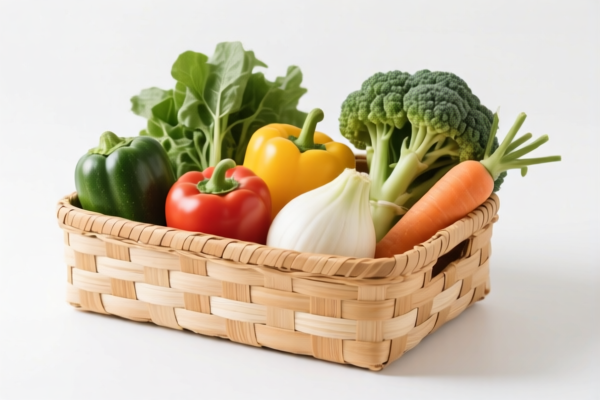
AI Analysis
🧺 Plant Fiber Storage Basket (Woven Storage Solutions)
🌐 HS Code Reference & Clearance Guide | 2026 Latest Tariff Analysis | Professional Logistics Strategy
📌 I. Product Definition & Classification: What Exactly Is a "Plant Fiber Storage Basket"?
Plant fiber storage baskets are versatile containers made from natural or semi-synthetic plant-based materials (e.g., rattan, bamboo, seagrass, jute, or synthetic fibers mimicking these textures). In international trade, their classification depends heavily on material composition, structure, and function.
Key Distinctions:
- Woven Nets/Mesh Bags: If the product is primarily a net-like structure used for holding items → Chapter 56 (Textiles)
- Textile Containers: If it has a solid or semi-solid textile exterior surface acting as a container → Chapter 42 (Articles of Leather/Travel Goods)
- Packaging Bags: If primarily used for bulk packaging or temporary storage of goods → Chapter 63 (Other Made-Up Textile Articles)
⚠️ Critical Classification Point:
- If the basket is a structured container with a defined shape, handles, and textile-like surface → Likely 4202.92
- If the basket is a loose net, mesh bag, or woven sack → Likely 5608.19 or 6305.90
- Misclassification can lead to significant duty differences (from 23.7% to 52.6%)!
📦 II. HS Code Classification Matrix (2026 Tariff Schedule)
| HS Code | Product Description | Key Features | Total Tax Rate |
|---|---|---|---|
| 5608.19.20.10 | Plant Fiber Storage Basket: Net/Bag Type | Made of artificial textile material, net-like structure | 40.0% |
| 4202.92.91.00 | Plant Fiber Storage Basket: Container Type | Exterior surface is textile material, structured container | 52.6% |
| 5608.19.20.90 | Plant Fiber Storage Basket: Other Finished Net Products | Artificial/textile material, other net-type finished products | 40.0% |
| 4202.92.93.36 | Plant Fiber Storage Basket: Textile Material Container | Made of textile material, structured storage bag | 52.6% |
| 6305.90.00.00 | Plant Fiber Storage Basket: Packaging Bag | Textile material, used for packaging/storing goods | 23.7% |
🔍 Clarification:
- Chapter 42 (4202) applies to "articles of leather, travel goods, handbags, etc." If the basket is designed as a finished storage container (with structure, handles, or rigid form), it falls here.
- Chapter 56 (5608) applies to "nets and netting made of knotting thread" if the item is essentially a mesh or net bag.
- Chapter 63 (6305) applies if the basket is primarily a sack or packaging bag for industrial/commercial use.
💰 III. 2026 Latest Tariff Breakdown (Including Surtaxes & Policy Duties)
✅ Applicable Country: United States (US)
✅ Origin: China (CN)
✅ Effective Date: November 10, 2025 (and onwards)
🎯 1. 5608.19.20.10 & 5608.19.20.90 —— Net/Bag Type Baskets
| Item | Detail |
|---|---|
| Base Duty | 5.0% |
| Section 301 Surtax | +25.0% |
| Section 122 Tariff | +10.0% |
| Total Duty | 40.0% |
| Calculation Basis | CIF Value × 40% |
| De Minimis Exemption? | ❌ No (Denied under current enforcement) |
| Legal Reference | Section 301 + Section 122 provisions for textile nets |
📌 Note:
- These codes apply when the product is clearly a net or mesh bag.
- The 10% Section 122 tariff is a key add-on that significantly increases costs.
🎯 2. 4202.92.91.00 & 4202.92.93.36 —— Structured Container Baskets
| Item | Detail |
|---|---|
| Base Duty | 17.6% |
| Section 301 Surtax | +25.0% |
| Section 122 Tariff | +10.0% |
| Total Duty | 52.6% |
| Calculation Basis | CIF Value × 52.6% |
| De Minimis Exemption? | ❌ No |
| Legal Reference | USITC Footnotes for Chapter 42 + Section 301/122 |
📌 Note:
- These codes carry the highest duty rate.
- Applies to baskets that resemble handbags, travel goods, or structured storage units.
- Common mistake: Classifying a structured basket as a "net" to avoid the 17.6% base duty → Risky and often challenged by CBP.
🎯 3. 6305.90.00.00 —— Packaging/Storage Bags
| Item | Detail |
|---|---|
| Base Duty | 6.2% |
| Section 301 Surtax | +7.5% |
| Section 122 Tariff | +10.0% |
| Total Duty | 23.7% |
| Calculation Basis | CIF Value × 23.7% |
| De Minimis Exemption? | ❌ No (Depending on specific use and form) |
| Legal Reference | Chapter 63 for made-up textile articles |
📌 Note:
- This is the lowest duty rate among the options.
- Applies if the basket is primarily a sack, bag, or packaging container rather than a decorative or structured storage item.
- Strategy Tip: If the product can be reasonably classified here, it offers significant cost savings. However, you must provide evidence that it is primarily used for packaging/bulk storage, not decorative home organization.
🛠️ IV. Clearance Practical Advice (Risk Mitigation & Optimization)
✅ 1. Documentation Checklist (Essential for Smooth Clearance)
| Document | Required? | Purpose |
|---|---|---|
| Product Specifications | ✔️ | Confirm material composition (e.g., "100% Jute" vs. "Polypropylene Mesh") |
| Product Photos | ✔️ | Show structure: Is it a rigid basket? A soft bag? A net? |
| Commercial Invoice | ✔️ | Clearly state "Plant Fiber Storage Basket" and intended use |
| Packing List | ✔️ | Detail dimensions, weight, and packing method |
| Material Certificate | ✔️ | Prove if material is natural fiber or synthetic textile |
| Use Case Statement | ✔️ | Explain if used for packaging (6305) vs. storage/decoration (4202/5608) |
✅ 2. Classification Strategy (Key Decision Points)
| Product Feature | Recommended HS Code | Duty Rate | Strategy |
|---|---|---|---|
| Rigid, handled basket (like a handbag) | 4202.92.91.00 / 4202.92.93.36 |
52.6% | High duty; ensure accurate declaration to avoid penalties |
| Soft mesh/net bag | 5608.19.20.10 / 5608.19.20.90 |
40.0% | Medium duty; common for produce or laundry nets |
| Loose sack/packaging bag | 6305.90.00.00 |
23.7% | Lowest duty; best if used for bulk storage/packaging |
🔥 "Classification Mantra":
"Rigid Basket = 4202 (52.6%) | Net Bag = 5608 (40%) | Sack = 6305 (23.7%)"
✅ 3. Common Pitfalls & How to Avoid Them
| Mistake | Consequence | Solution |
|---|---|---|
| Misclassifying a rigid basket as a net | CBP rejection, penalties, back duties | Provide photos showing rigid structure/handles |
| Claiming 6305 for a decorative basket | Audit risk, duty reassessment | Only use 6305 if the item is truly a packaging sack |
| Ignoring Section 122 Tariff | Underpayment of 10% | Always add +10% for China-origin textile nets/bags |
| Using vague terms like "storage bag" | CBP uncertainty, potential 4202 classification | Specify material and form precisely (e.g., "Jute Woven Sack") |
🌍 V. Global Market Comparison (2026 Outlook)
| Region | Typical HS Code | Duty Rate | Notes |
|---|---|---|---|
| 🇺🇸 USA | 6305.90.00.00 (if sack) / 4202.92.91.00 (if basket) |
23.7% - 52.6% | Section 301 & 122 apply; high complexity |
| 🇪🇺 EU | 4602.12.00 (Baskets) |
0% - 6.5% | Lower duties if classified as wicker/basketware |
| 🇨🇳 China | 4602.12.00 |
0% - 6.5% | Import duty may be low, but focus on domestic sales |
| 🇬🇧 UK | 4602.12.00 |
0% - 6.5% | Post-Brexit tariffs similar to EU for baskets |
📌 Insight:
- The USA has the most complex and high-cost tariff structure for these products due to Section 301 and 122.
- In the EU/UK, if the basket is classified under Chapter 46 (Wickerwork), duties are significantly lower. Consider if re-classification is possible under "wicker/basket" rather than "textile container."
📌 VI. Actionable Recommendations for Importers
- Audit Your Product Form:
- Is it a sack? → Aim for
6305.90.00.00(23.7%). - Is it a net/mesh bag? →
5608.19.20.10(40%). -
Is it a structured basket? →
4202.92.91.00(52.6%). -
Provide Detailed Documentation:
- Include photos showing structure, material, and use.
-
Clearly state "Intended Use" on the invoice (e.g., "For Packaging of Retail Goods" vs. "Home Decor Storage").
-
Consider Pre-Ruling:
-
Apply for an HS Code Advance Ruling from US CBP to secure the correct classification and avoid future disputes.
-
Supply Chain Strategy:
- If the duty is too high (52.6%), consider sourcing from non-China origins (e.g., Vietnam, India) to avoid Section 301/122 tariffs, if feasible.
🎯 VII. Conclusion: Precision in Classification Saves Money!
🎯 Remember:
🔹 "Net = 5608 (40%) | Sack = 6305 (23.7%) | Basket = 4202 (52.6%)"
🔹 "One misclassification can cost you 30% more in duties!"
🔹 "Section 122 adds 10% – don't forget it!"
📌 Pro Tip:
If your plant fiber basket can be reasonably described as a woven wicker basket (natural materials, traditional craft), check if it qualifies for Chapter 46 under US tariff schedules, which may offer lower duties. However, if it's made of textile fibers (jute, sisal, synthetic blends), it falls under Chapters 56, 63, or 42.
📣 Next Steps:
📞 Consult a Licensed Customs Broker to review your specific product design.
📸 Submit Product Images for preliminary classification.
📄 Request an Advance Ruling from CBP for peace of mind.
✨ Smart Classification, Smarter Profits!
💼 Don't Let Hidden Duties Eat Your Margins!
Customer Reviews
About HS Code Classification
The Harmonized System (HS) is an internationally standardized nomenclature developed by the World Customs Organization (WCO) to classify traded products. Over 200 countries use the HS system as the basis for customs tariffs, trade statistics, and import/export regulations.
Each HS code follows a hierarchical structure:
- Chapter (2 digits) — Broad category of goods (e.g., Chapter 84: Machinery and Mechanical Appliances)
- Heading (4 digits) — More specific grouping within the chapter
- Subheading (6 digits) — Internationally standardized breakdown, used by all WCO member countries
- National subdivisions (8-10 digits) — Country-specific extensions for further classification, such as US HTSUS 10-digit codes
Correct HS code classification is essential for smooth customs clearance, accurate duty payment, and compliance with trade regulations. Misclassification can lead to customs delays, overpayment of duties, or penalties.
When importing from CN to US, the applicable tariff rates may include:
- Most-Favored-Nation (MFN) rate — The standard duty rate applied to WTO members
- General rate — Applied to countries without trade agreements
- Trade remedy duties — Additional tariffs such as Section 301 (anti-dumping), Section 232 (national security), or countervailing duties
The information provided on this page is for reference purposes only. For official classification, please consult with your local customs authority or a licensed customs broker.