Plant Fiber Upper Plastic Sole Sneakers
CN → US| HS Code | Tariff Rate | Origin | Destination | Doc |
|---|---|---|---|---|
| 6404112030 | 20.5% | CN | US | Official Doc |
| 6402999005 | 37.5% | CN | US | Official Doc |
| 6402919005 | 37.5% | CN | US | Official Doc |
| 6404112060 | 20.5% | CN | US | Official Doc |
| 6403916040 | 18.5% | CN | US | Official Doc |
| 6403996040 | 18.5% | CN | US | Official Doc |
Product Images
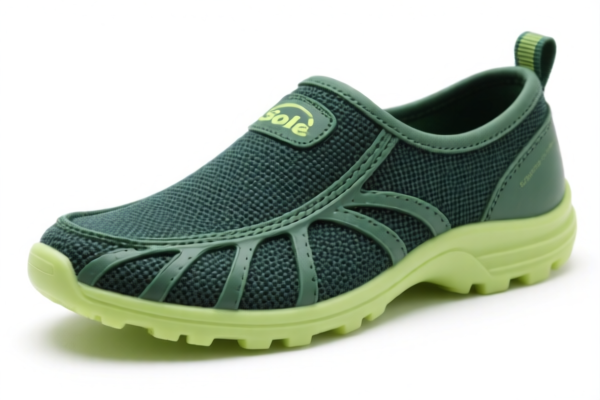
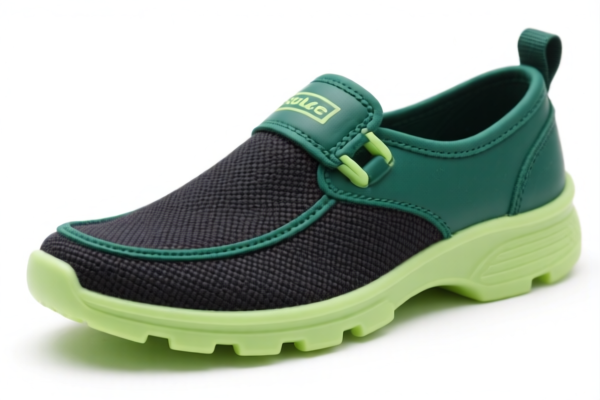
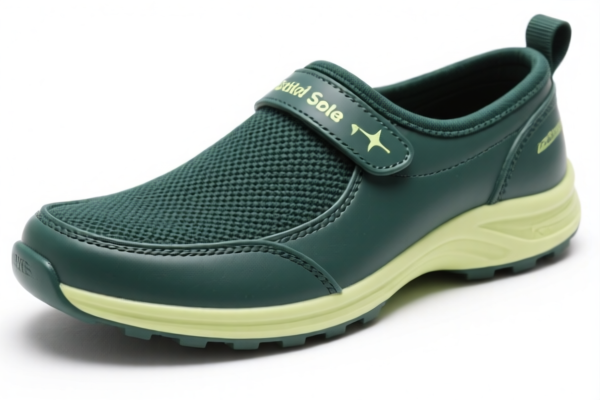
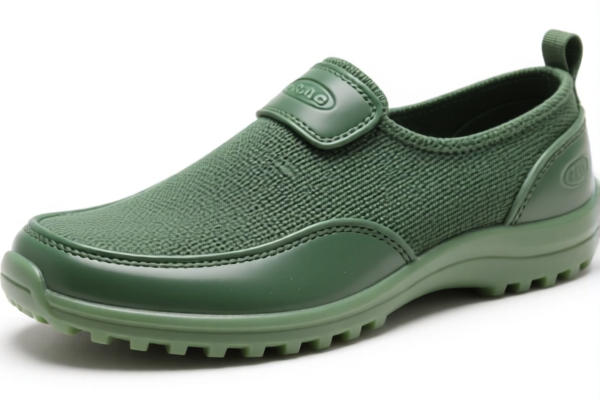
AI Analysis
👟 Plant Fiber Upper Plastic Sole Sneakers (Basketball/Sports Use)
🌐 HS Code Reference & Customs Clearance Guide | 2026 Latest Tariff Analysis | Professional-Level Clearance Strategy
📌 I. Product Definition & Classification: Do You Really Understand "Plant Fiber Upper Sneakers"?
Sneakers with plant fiber uppers and plastic/rubber soles are complex composite products in international trade. The key to accurate classification lies in distinguishing between the upper material composition and the sole structure, as well as the specific use (e.g., basketball vs. general sports).
Key Distinction Points:
- If the upper is primarily textile/fabric: Likely falls under 6404.11.20 series (Textile Upper).
- If the upper material is ambiguous or contains leather/fabric mix: Falls under 6404.11.20.60.
- If the sole is rubber/plastic but the upper is not textile: Falls under 6402.99.90 or 6402.91.90.
- If the upper is leather/rubber and sole is plastic: Falls under 6403.91.60.
⚠️ Critical Warning:
- "Plant fiber" is often classified as textile in customs nomenclature if processed into yarn/fabric.
- Basketball shoes have specific sub-heading requirements in some jurisdictions.
- Plastic sole vs. Rubber sole can impact tax rates due to different material classifications.
📦 II. HS Code Classification Details (2026 Latest Tariff Authority Comparison)
| HS Code | Product Description | Application Scenario | Upper Material | Sole Material | Total Tax Rate |
|---|---|---|---|---|---|
6404.11.20.30 |
Plastic-soled sports shoes, upper of textile materials, suitable for basketball | Basketball shoes, textile upper, plastic sole | Textile | Plastic | 20.5% |
6402.99.90.05 |
Sports shoes with outer sole of rubber or plastic, explicitly includes plastic sole and sports use | General sports shoes, plastic sole | Not specified (assumed non-textile) | Plastic | 37.5% |
6402.91.90.05 |
Sports shoes with plastic outer sole, material and use fully match | Sports shoes, plastic sole | Not specified | Plastic | 37.5% |
6404.11.20.60 |
Plastic-soled sports shoes, upper may contain leather or textile materials, no material conflict | Mixed material upper, plastic sole | Leather/Textile | Plastic | 20.5% |
6403.91.60.40 |
Plastic-soled sports shoes, use is basketball shoes, material meets requirements | Basketball shoes, plastic sole | Leather/Rubber | Plastic | 18.5% |
🔍 Key Insight:
- Textile Upper (6404): Lower tax rate (20.5%) if clearly identified as textile/plant fiber.
- Non-Textile Upper (6402/6403): Higher tax rate (18.5%–37.5%) due to different material regulations.
- Basketball Use: May trigger specific sub-codes like.40or.30.
💰 III. 2026 Latest Tariff Rate Details (Including Surtaxes, Policy Surcharges)
✅ Applicable Country: United States (US)
✅ Origin: China (CN)
✅ Effective Date: From November 10, 2025 (including subsequent imports)
🎯 1. 6404.11.20.30 —— Plastic-Sole Sports Shoes, Textile Upper, Basketball Use
| Item | Content |
|---|---|
| Base Tariff | 10.5% |
| USITC Surtax | 0.0% |
| Section 122 Tariff | +10% |
| Total Tax Rate | 20.5% |
| Tax Calculation | CIF Value × 20.5% |
| De Minimis Eligible? | ❌ No (deny_de_minimis) |
| Legal Basis Path | Section 122: 10% → USITC: 6404.11.20.30 → Base: 10.5% |
📌 Explanation:
- "Base Tariff 10.5%" is the standard ad valorem rate for textile-upper sports shoes.
- "Section 122 Tariff +10%" applies to all Chinese-origin footwear imports under current trade policies.
- Total 20.5% is relatively moderate compared to non-textile uppers.
🎯 2. 6402.99.90.05 & 6402.91.90.05 —— Sports Shoes with Plastic/Rubber Sole (Non-Textile Upper)
| Item | Content |
|---|---|
| Base Tariff | 20.0% |
| USITC Surtax | +7.5% |
| Section 122 Tariff | +10% |
| Total Tax Rate | 37.5% |
| Tax Calculation | CIF Value × 37.5% |
| De Minimis Eligible? | ❌ No (deny_de_minimis) |
| Legal Basis Path | Section 122: 10% → USITC Footnote: +7.5% → Base: 20.0% |
📌 Explanation:
- These codes apply when the upper is not textile (e.g., synthetic leather, rubber, or mixed materials not classified as textile).
- USITC Surtax +7.5% is a specific additional duty for certain footwear categories.
- Total 37.5% is significantly higher, so ensure upper material is correctly classified.
🎯 3. 6404.11.20.60 —— Plastic-Sole Sports Shoes, Mixed Upper (Leather/Textile)
| Item | Content |
|---|---|
| Base Tariff | 10.5% |
| USITC Surtax | 0.0% |
| Section 122 Tariff | +10% |
| Total Tax Rate | 20.5% |
| Tax Calculation | CIF Value × 20.5% |
| De Minimis Eligible? | ❌ No (deny_de_minimis) |
| Legal Basis Path | Section 122: 10% → USITC: 6404.11.20.60 → Base: 10.5% |
📌 Explanation:
- If the upper contains any textile component and is not fully leather, it may still qualify under 6404.
- Same tax rate as pure textile upper (20.5%), but documentation must prove textile content.
🎯 4. 6403.91.60.40 —— Plastic-Sole Sports Shoes, Basketball Use, Leather/Rubber Upper
| Item | Content |
|---|---|
| Base Tariff | 8.5% |
| USITC Surtax | 0.0% |
| Section 122 Tariff | +10% |
| Total Tax Rate | 18.5% |
| Tax Calculation | CIF Value × 18.5% |
| De Minimis Eligible? | ❌ No (deny_de_minimis) |
| Legal Basis Path | Section 122: 10% → USITC: 6403.91.60.40 → Base: 8.5% |
📌 Explanation:
- This is the lowest tax rate (18.5%) if the product is explicitly classified as basketball shoes with a leather/rubber upper.
- Key Requirement: Must provide evidence that the shoe is designed for basketball (e.g., ankle support, tread pattern).
🛠️ IV. Customs Clearance Practical Advice (Real-World Pitfall Avoidance Guide)
✅ 1. Document Checklist (Must Provide)
| Document | Required | Notes |
|---|---|---|
| ✅ Product Specifications | ✔️ | Include upper material (plant fiber/textile/leather), sole material (plastic/rubber), and intended use (basketball) |
| ✅ Material Composition Report | ✔️ | Certify that "plant fiber" is classified as textile or synthetic material |
| ✅ Product Photos (with Label) | ✔️ | Clear images of upper, sole, and any basketball-specific features (e.g., high-top design) |
| ✅ Commercial Invoice | ✔️ | State: "Sneakers, Plant Fiber Upper, Plastic Sole, Basketball Use" |
| ✅ Packing List | ✔️ | Confirm quantity and packaging type |
| ✅ Origin Certificate (CO) | ✔️ | If not Chinese origin, may qualify for lower tariffs |
✅ 2. Declaration Tips (Critical Mnemonic)
🔥 "Upper Defines Code, Sole Defines Tax, Basketball Adds Specifics, Plant Fiber = Textile!"
| Scenario | Correct Declaration | Wrong Practice |
|---|---|---|
| Plant fiber upper clearly textile | 6404.11.20.30 or .60 |
Misdeclare as 6402 → 37.5% |
| Mixed upper (leather + textile) | 6404.11.20.60 |
Declare as pure leather → 6403 → 18.5% (if basketball) |
| Explicitly for basketball | Use sub-code .40 or .30 |
Generic "sports shoes" → Higher scrutiny |
| Plastic sole only | Ensure no rubber component | Rubber sole → 6402 → 37.5% |
✅ 3. Special Cases
| Situation | Handling Advice |
|---|---|
| OEM Custom Sneakers | Provide design drawings and material breakdown to prove textile/plant fiber content |
| Plant Fiber Ambiguity | Submit lab test results confirming fiber classification (textile vs. synthetic) |
| Basketball Use Proof | Include product catalog, marketing materials, or design specs showing basketball-specific features |
| Plastic vs. Rubber Sole | Clarify in invoice: "Plastic Sole" not "Rubber Sole" to avoid misclassification |
🌍 V. Global Market Clearance Comparison (2026 Latest)
| Country/Region | Recommended HS Code | Tariff | Certification Requirements | Notes |
|---|---|---|---|---|
| 🇺🇸 USA | 6404.11.20.30 / .60 |
20.5% (Chinese origin) | None specific | 37.5% if misclassified |
| 🇨🇳 China | 6404.11.20.30 |
5% | CCC (if applicable) | Lower base tariff |
| 🇪🇺 EU | 6404.11.20 |
6.5% | CE (if safety equipment) | No Section 122 equivalent |
| 🇬🇧 UK | 6404.11.20 |
6.5% | UKCA | Post-Brexit alignment |
| 🇯🇵 Japan | 6404.11.20 |
0–10% | PSE (if electronics involved) | Generally low tariffs |
📌 Conclusion:
- USA has the highest complexity due to Section 122 and USITC surcharges.
- Correct classification is critical to avoid 37.5% tax.
- Plant fiber = Textile in most customs interpretations, allowing lower 20.5% rate.
📌 VI. Common Mistakes & Pitfall Guide (Lessons Learned)
❌ Mistake 1: Misclassifying "Plant Fiber" as "Rubber" or "Synthetic"
👉 Consequence: Tax jumps from 20.5% to 37.5% → Higher costs!
❌ Mistake 2: Ignoring "Basketball Use"
👉 Consequence: Lose specific sub-code benefits → Missed tariff optimizations.
❌ Mistake 3: Mixing Plastic and Rubber Sole in Description
👉 Consequence: Customs rejects declaration → Delays & Penalties.
❌ Mistake 4: Using "Sneakers" without Material Details
👉 Consequence: Customs assigns default higher rate → 37.5% applies.
✅ Correct Practice:
"Sneakers, Plant Fiber (Textile) Upper, Plastic Sole, Basketball Design, Model XYZ, No Electronics"
🎯 VII. Conclusion: Precise Classification, Cost Savings!
🎯 Remember the Mnemonic:
🔹 "Plant Fiber = Textile, Plastic Sole = 6404, Basketball = Specific Code, Total 20.5%!"
🔹 "Misclassify Upper, Tax Doubles, Classification Saves Thousands!"
📌 Tips:
- If your sneakers are originated from Vietnam, Mexico, or Thailand, you may qualify for IEEPA exemptions, reducing tariffs to 0%–5%.
- Apply for Advance Rulings before shipping to avoid clearance risks.
- Provide detailed material reports to prove "Plant Fiber" is textile.
📣 Immediate Action:
📞 Contact a professional customs broker + Provide product photos + Apply for HS Code Advance Ruling
🚀 Let your sneakers clear customs smoothly, boost profits, and avoid surprises!
✨ Professional Clearance Starts with Accurate Classification!
💼 Every Cent Saved Counts!
Customer Reviews
About HS Code Classification
The Harmonized System (HS) is an internationally standardized nomenclature developed by the World Customs Organization (WCO) to classify traded products. Over 200 countries use the HS system as the basis for customs tariffs, trade statistics, and import/export regulations.
Each HS code follows a hierarchical structure:
- Chapter (2 digits) — Broad category of goods (e.g., Chapter 84: Machinery and Mechanical Appliances)
- Heading (4 digits) — More specific grouping within the chapter
- Subheading (6 digits) — Internationally standardized breakdown, used by all WCO member countries
- National subdivisions (8-10 digits) — Country-specific extensions for further classification, such as US HTSUS 10-digit codes
Correct HS code classification is essential for smooth customs clearance, accurate duty payment, and compliance with trade regulations. Misclassification can lead to customs delays, overpayment of duties, or penalties.
When importing from CN to US, the applicable tariff rates may include:
- Most-Favored-Nation (MFN) rate — The standard duty rate applied to WTO members
- General rate — Applied to countries without trade agreements
- Trade remedy duties — Additional tariffs such as Section 301 (anti-dumping), Section 232 (national security), or countervailing duties
The information provided on this page is for reference purposes only. For official classification, please consult with your local customs authority or a licensed customs broker.