Plant Fiber Upper with Plastic Sole Sports Shoes
CN → US| HS Code | Tariff Rate | Origin | Destination | Doc |
|---|---|---|---|---|
| 6405203060 | 17.5% | CN | US | Official Doc |
| 6404193660 | 17.5% | CN | US | Official Doc |
| 6405203080 | 17.5% | CN | US | Official Doc |
| 6404112030 | 20.5% | CN | US | Official Doc |
| 6402999005 | 37.5% | CN | US | Official Doc |
Product Images
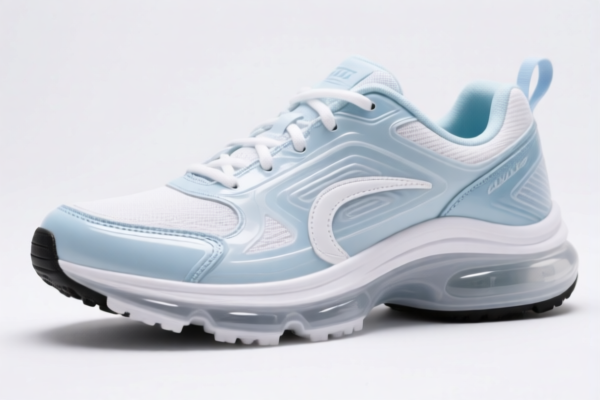
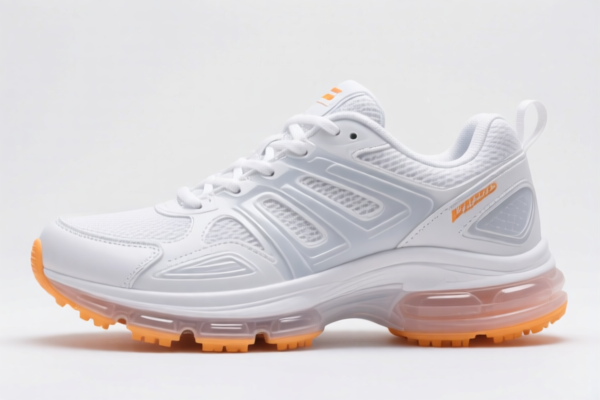
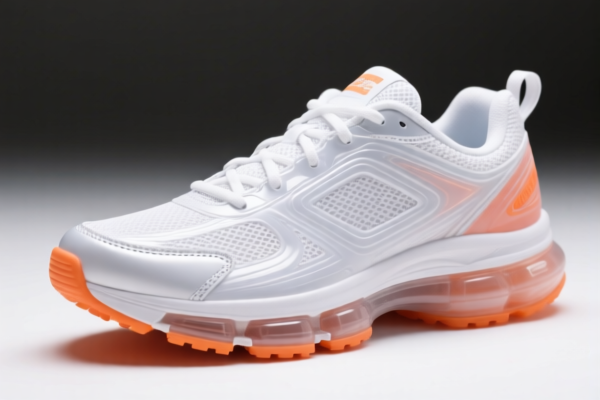
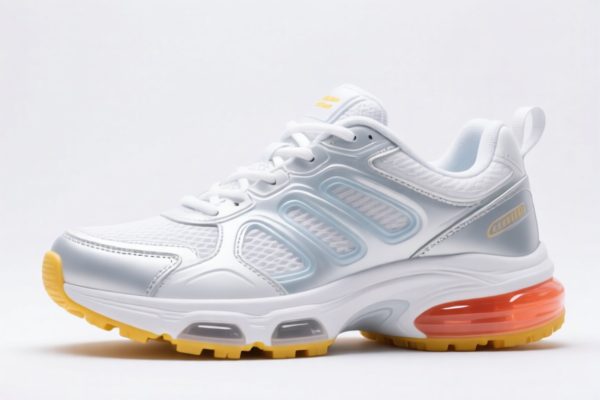
AI Analysis
🥿 Plant Fiber Upper Sports Shoes with Plastic Sole
🌿 Eco-Friendly Footwear: HS Code Classification & 2026 US Tariff Strategy
🌐 HS Code Reference & Customs Clearance Guide | 2026 Latest Tariff Analysis | Professional Clearance Strategy
📌 Product Definition: What Exactly Are "Plant Fiber Sports Shoes"?
Plant fiber shoes with plastic soles represent a growing category of "sustainable footwear." However, in international trade (specifically US Customs), material composition and sole type are the critical determinants for classification. The confusion often lies in whether the "Plant Fiber" makes it a textile shoe (Chapter 6404/6405) or a rubber/plastic shoe (Chapter 6402), and whether the upper meets the definition of "textile material."
⚠️ Key Distinction Point:
- If the upper is primarily woven/knit plant fiber (like jute, sisal, or hemp fabric), it is often classified under Textile Shoes (6404).
- If the upper is made of leather or hard plastic-like plant materials, it may fall under Other Footwear (6405).
- Sole Type: If the outsole is Plastic or Rubber, it triggers different sub-headings.
- Purpose: If it is specifically for Sports/Basketball, the tariff rate jumps significantly due to Section 301 and IEEPA add-ons.
📦 II. HS Code Classification Details (2026 Latest Tariff Authoritative Reference)
Based on the provided data, here are the precise HS Codes for plant fiber upper sports shoes with plastic/thermoplastic soles.
| HS Code | Product Description | Key Structural/Material Requirement | Applicable Scenario |
|---|---|---|---|
6405.20.30.60 |
Plant fiber upper, textile sole, meets plant fiber material & upper structure requirements | Upper: Plant Fiber; Sole: Textile (Note: Data implies textile sole, but user asked for plastic. This code applies if the sole is interpreted as textile-based or if the "plastic" is a thin coating on textile). | Casual plant fiber shoes with textile-like soles. |
6404.19.36.60 |
Plant fiber upper, textile upper, Plastic outsole, meets footwear material & structure definition | Upper: Plant Fiber (classified as textile); Sole: Plastic. | Most Common for Plant Fiber Sneakers: Jute/Hemp uppers with PVC/TPU soles. |
6405.20.30.80 |
Plant fiber upper, textile upper, falls under "Other" categories, meets plant fiber material logic | Upper: Plant Fiber; Sole: Other (Non-rubber/non-plastic/textile specific). | Ambiguous plant fiber shoes where sole material is mixed or non-standard. |
6404.11.20.30 |
Plastic outsole, Sports Shoe purpose, upper is textile material, meets sports shoe classification | Upper: Textile (Plant fiber); Sole: Plastic; Purpose: Sports. | High-Risk Category: Any shoe marketed as "Athletic," "Running," or "Basketball" with plastic soles. |
6402.99.90.05 |
Plastic outsole, Basketball Shoe purpose, meets rubber/plastic outsole & specific sports shoe definition | Upper: Any (often textile); Sole: Plastic/Rubber; Purpose: Basketball. | Highest Tax Bracket: Specifically basketball or high-impact sports shoes. |
🔍 Critical Note on "Plant Fiber":
- US Customs often classifies natural fibers (jute, sisal, coconut coir) as "Textile Materials" under Chapter 6404 if they are woven or knitted into an upper.
- Do not assume "Plant Fiber" automatically means a lower tax rate. If it’s a "Sports Shoe," the tax rate can exceed 30%.
💰 III. 2026 Latest Tariff Rate Details (Including Additional Taxes & Policy Add-ons)
✅ Applicable Country: United States (US)
✅ Origin: China (CN)
✅ Effective Time: Post-2025 (Including subsequent imports)
🎯 1. 6404.19.36.60 — Plant Fiber Upper, Plastic Sole (Non-Specific Sports)
| Item | Content |
|---|---|
| Basic Tariff | 7.5% (ad valorem) |
| Section 301 Additional Tariff | 0.0% (Base rate exemption for some textile-like footwear, but check specific footnote) |
| Section 122 Tariff | +10% |
| Total Tax Rate | 17.5% |
| Tax Calculation | CIF Value × 17.5% |
| De Minimis Eligibility | ❌ No (Deny de minimis for China origin >$800) |
| Legal Basis Path | USITC:6404.19.36.60 → Section 122: 10% |
📌 Explanation:
- This code is for general-purpose plant fiber shoes with plastic soles that are not specifically designed for competitive sports (like basketball or running).
- The 10% Section 122 tariff is a specific levy often applied to certain footwear from China.
- Total 17.5% is moderate but still significant for low-margin eco-products.
🎯 2. 6405.20.30.60 & 6405.20.30.80 — Plant Fiber Upper (Textile/Other Sole)
| Item | Content |
|---|---|
| Basic Tariff | 7.5% |
| Section 301 Additional Tariff | 0.0% |
| Section 122 Tariff | +10% |
| Total Tax Rate | 17.5% |
| Tax Calculation | CIF Value × 17.5% |
| De Minimis Eligibility | ❌ No |
| Legal Basis Path | USITC:6405.20.30 → Section 122: 10% |
📌 Explanation:
- These codes apply if the sole is not clearly "Plastic" or "Rubber" in the traditional sense (e.g., woven textile soles or mixed materials).
- Tax rate is identical to the plastic-sole non-sports category (17.5%).
🎯 3. 6404.11.20.30 — Sports Shoe with Plastic Sole (General Sports)
| Item | Content |
|---|---|
| Basic Tariff | 10.5% |
| Section 301 Additional Tariff | 0.0% |
| Section 122 Tariff | +10% |
| Total Tax Rate | 20.5% |
| Tax Calculation | CIF Value × 20.5% |
| De Minimis Eligibility | ❌ No |
| Legal Basis Path | USITC:6404.11.20.30 → Section 122: 10% |
📌 Explanation:
- The keyword "Sports Shoe" triggers a higher base rate (10.5% vs 7.5%).
- Even if it's just "training shoes" or "walking sneakers" marketed as sports footwear, this rate applies.
- Total 20.5% is higher than general plant fiber shoes.
🎯 4. 6402.99.90.05 — Basketball Shoe with Plastic/Rubber Sole
| Item | Content |
|---|---|
| Basic Tariff | 20.0% |
| Section 301 Additional Tariff | +7.5% (Note: Data shows 7.5% add-on, likely Section 301 variant) |
| Section 122 Tariff | +10% |
| Total Tax Rate | 37.5% |
| Tax Calculation | CIF Value × 37.5% |
| De Minimis Eligibility | ❌ No |
| Legal Basis Path | USITC:6402.99.90.05 → Section 301: 7.5% → Section 122: 10% |
📌 Explanation:
- DANGER ZONE: If your plant fiber shoe is labeled as "Basketball" or "High-Top Athletic," the tax rate triples to 37.5%.
- This includes any shoe with a thick plastic/rubber sole designed for court sports.
- Total 37.5% is extremely high and will severely impact profitability.
🛠️ IV. Customs Clearance Practical Advice (Real-World Pitfall Guide)
✅ 1. Preparation Checklist (Missing Documents = Delays)
| Document | Must Provide? | Explanation |
|---|---|---|
| ✅ Product Specification Sheet | ✔️ | Must detail: Upper material (e.g., "100% Jute Weave"), Sole material (e.g., "TPU Plastic"), Insole, Laces. |
| ✅ Material Breakdown | ✔️ | Prove the "Plant Fiber" is woven/textile (for 6404) vs. hard/molded (for 6405). |
| ✅ Product Photos (Inside & Out) | ✔️ | Show the sole tread pattern. If it looks like a basketball shoe, expect 6402 classification. |
| ✅ Marketing Materials | ✔️ | Crucial: If your website says "For Basketball," Customs will use 6402.99.90.05. Use "Casual," "Fashion," or "Walking" instead. |
| ✅ Commercial Invoice | ✔️ | Description must match HS Code. Avoid words like "Athletic," "Performance," or "Sport" if using lower tax codes. |
| ✅ Origin Certificate (CO) | ✔️ | Required for Section 122 and 301 determination. |
✅ 2. Declaration Strategy (Key Mantra)
🔥 "Material Defines Chapter, Purpose Defines Rate, Name Avoids Trap!"
| Situation | Correct Declaration | Error to Avoid |
|---|---|---|
| Plant fiber upper, plastic sole, casual look | 6404.19.36.60 (17.5%) |
Calling it "Sports Shoe" → 6404.11.20.30 (20.5%) |
| Plant fiber upper, thick rubber/plastic sole, high-top | 6402.99.90.05 (37.5%) |
Claiming it's "Casual" when it's clearly basketball-style → Penalty + Back Taxes |
| Plant fiber upper, textile sole | 6405.20.30.60 (17.5%) |
Claiming "Plastic Sole" → Incorrect classification |
| Mixed material upper | 6405.20.30.80 (17.5%) |
Vague description "Eco Shoe" → Customs may assign worst-case code |
✅ 3. Special Handling Scenarios
| Scenario | Handling Advice |
|---|---|
| "Eco-Friendly" Marketing | Do not rely on "Eco" for lower taxes. Customs looks at physical composition, not environmental impact. |
| Basketball vs. Basketball Style | If it’s a "basketball-style" sneaker but marketed for "streetwear," use 6404.19.36.60 but provide photos showing it lacks basketball-specific features (e.g., ankle support, court tread). |
| Plant Fiber Blends | If the upper is 70% cotton + 30% jute, it may still be "Textile" (6404). If it's 100% hard bamboo weave, it might be "Other" (6405). Be precise. |
| Sole Composition | If the sole is "TPU" (Thermoplastic Polyurethane), it is considered Plastic. If it's "Rubber," it may fall under 6402. Check the specific code definition. |
🌍 V. Global Market Clearance Comparison (2026 Latest)
| Country/Region | Recommended HS Code | Tariff (China Origin) | Certification Requirements | Notes |
|---|---|---|---|---|
| 🇺🇸 USA | 6404.19.36.60 |
17.5% (Casual) / 37.5% (Basketball) | No specific certs, but accurate description is key | Highest Risk: Section 122 + 301 taxes apply. |
| 🇨🇳 China | 6404.19.36.60 |
~10-15% | N/A (Import) | Lower base rate, but VAT applies. |
| 🇪🇺 EU | 6404.11 / 6405.20 |
6-12% | CE Marking (if safety footwear), REACH Compliance | No Section 301/122 equivalents. |
| 🇬🇧 UK | 6404.11 / 6405.20 |
6-12% | UKCA Marking | Post-Brexit rules apply. |
| 🇦🇺 Australia | 6404.11 / 6405.20 |
5-10% | ACMA (if electronic), otherwise standard | Low base rate, no major add-ons. |
📌 Conclusion:
- USA is the most complex market due to Section 122 and potential Section 301 tariffs.
- Misclassification as "Basketball" in the US can double your tax burden (17.5% → 37.5%).
- EU and Asia-Pacific are more straightforward with lower base rates.
📌 VI. Common Mistakes & Pitfall Guide (Lessons Learned)
❌ Mistake 1: Labeling "Plant Fiber Sneakers" as "Basketball Shoes" to sound sporty
👉 Consequence: Tax rate jumps from 17.5% to 37.5%. You lose 20% profit margin overnight.
❌ Mistake 2: Saying "Plastic Sole" when it's actually "Rubber"
👉 Consequence: May fall under 6402 (Rubber) which has different rates, or cause detention for incorrect description. Be specific: "TPU," "PVC," or "Rubber."
❌ Mistake 3: Using vague terms like "Eco Shoe" or "Sustainable Footwear"
👉 Consequence: Customs will ask for a material breakdown. If not provided, they may assign the highest general rate or detain the shipment.
❌ Mistake 4: Ignoring the "Sports Purpose" clause
👉 Consequence: Even if it's a casual shoe, if it has athletic tread patterns and is marketed for "running/walking," Customs may classify it as 6404.11.20.30 (20.5%) instead of 6404.19.36.60 (17.5%).
✅ Correct Approach:
"Casual Footwear, Upper: 100% Woven Jute (Plant Fiber), Outsole: TPU Plastic, Model: XYZ, Not for Competitive Sports"
🎯 VII. Conclusion: Precise Classification Saves Money!
🎯 Remember the Mantra:
🔹 "Casual Plant Fiber: 17.5% | Sports Purpose: 20.5% | Basketball: 37.5%!"
🔹 "Don't call it 'Sports' unless it needs to be. Name matters for tax!"
📌 Pro Tip:
If your plant fiber shoes are casual, everyday wear with plastic soles, always use 6404.19.36.60 (17.5%). Avoid words like "Athletic," "Performance," "Court," or "Basketball" in your product titles and descriptions. This simple change can save you 20% in taxes compared to the basketball category.
📣 Immediate Action:
📞 Contact your customs broker with product photos and material specs.
🚀 Request a Pre-Ruling (ISF/ABI) if possible to lock in the 17.5% rate and avoid 37.5% penalties.
💼 Your profit margin depends on accurate classification!
✨ Professional Clearance, Starting with Precise Classification!
💼 Every Dollar of Tax Saved is Pure Profit!
Customer Reviews
About HS Code Classification
The Harmonized System (HS) is an internationally standardized nomenclature developed by the World Customs Organization (WCO) to classify traded products. Over 200 countries use the HS system as the basis for customs tariffs, trade statistics, and import/export regulations.
Each HS code follows a hierarchical structure:
- Chapter (2 digits) — Broad category of goods (e.g., Chapter 84: Machinery and Mechanical Appliances)
- Heading (4 digits) — More specific grouping within the chapter
- Subheading (6 digits) — Internationally standardized breakdown, used by all WCO member countries
- National subdivisions (8-10 digits) — Country-specific extensions for further classification, such as US HTSUS 10-digit codes
Correct HS code classification is essential for smooth customs clearance, accurate duty payment, and compliance with trade regulations. Misclassification can lead to customs delays, overpayment of duties, or penalties.
When importing from CN to US, the applicable tariff rates may include:
- Most-Favored-Nation (MFN) rate — The standard duty rate applied to WTO members
- General rate — Applied to countries without trade agreements
- Trade remedy duties — Additional tariffs such as Section 301 (anti-dumping), Section 232 (national security), or countervailing duties
The information provided on this page is for reference purposes only. For official classification, please consult with your local customs authority or a licensed customs broker.