Plant Fiber Weaving Tool Kit
CN → US| HS Code | Tariff Rate | Origin | Destination | Doc |
|---|---|---|---|---|
| 4823908620 | 35.0% | CN | US | Official Doc |
| 4823908680 | 35.0% | CN | US | Official Doc |
Product Images
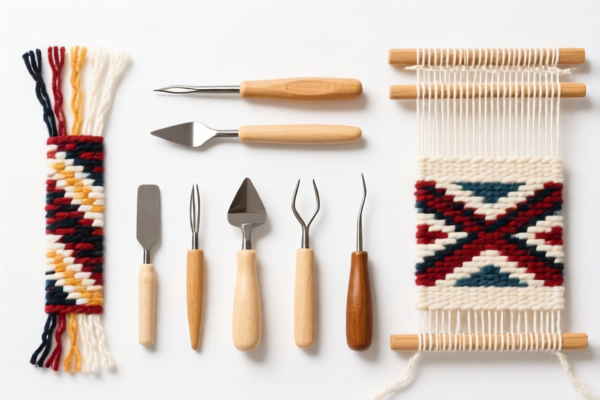
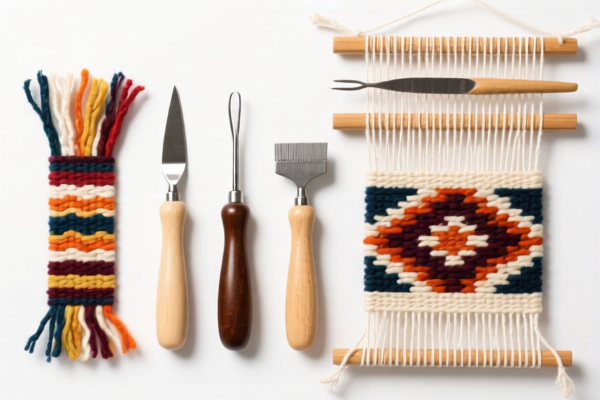
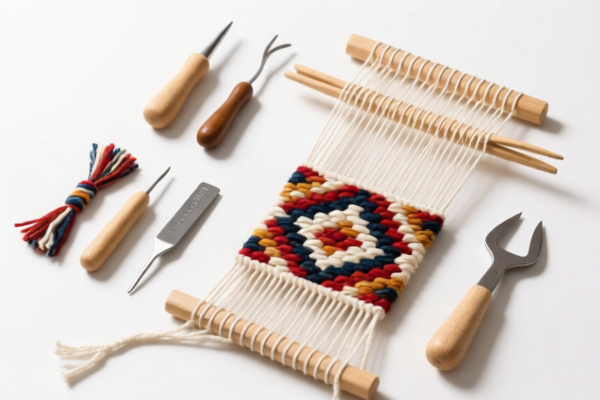
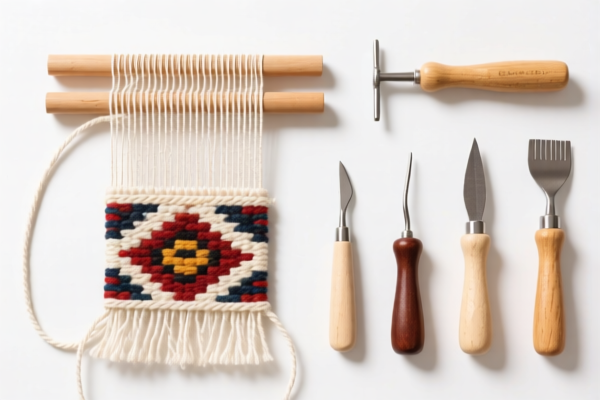
AI Analysis
🌿 Plant Fiber Weaving Tool Kit
🌐 HS Code Reference & Customs Clearance Guide | 2026 Latest Tariff Analysis | Professional-Level Strategy
📌 I. Product Definition & Classification: Do You Really Know "Plant Fiber Weaving Tool Kit"?
A Plant Fiber Weaving Tool Kit is a collection of implements (such as shuttles, needles, frames, or splitters) used to manipulate natural fibers (grass, reed, bamboo, rattan, etc.) into baskets, mats, or decorative items. In international trade, the classification depends critically on material composition and function.
Because the kit is primarily used for processing paper, paperboard, cellulose wadding, or webs of cellulose fibers (often including dried plant fibers used in pulp industries or specific biodegradable packaging materials in statistical contexts), or if the tools themselves are made of simple materials but the end-use or packaging falls under specific paper-related categories, it may be grouped under Chapter 48.
⚠️ Critical Distinction:
- If the kit is purely for textile weaving (cotton, wool, synthetic) → It may fall under Chapter 83 (miscellaneous metal articles) or Chapter 96 (miscellaneous manufactured articles) depending on material.
- If the kit is for paper/cardboard crafts, or consists of simple paper-based aids, or is marketed as a "biodegradable craft kit" with components that trigger statistical note 2 to Chapter 48, it falls under 4823.90.86.
- Note: The provided data explicitly links to "Other Shoe covers (booties)..." and "Other Other" under 4823.90.86. This suggests a statistical classification nuance where certain fiber-based kits or accessories might be grouped under "Other" articles of paper pulp/paper/boards if they meet specific dimensional or material criteria defined in the statistical notes (e.g., if the tools are made of molded pulp or if the kit includes paper-based components that dominate the value). However, for Plant Fiber Weaving Tools specifically, if they are simple non-metallic items, they often fall here as "Other articles of paper pulp, paper, paperboard..." if they are not classified elsewhere.
- Crucial: The HS Codes provided are 4823.90.86.20 and 4823.90.86.80. These are "Other" categories. This implies the kit does not have a more specific heading in Chapter 48 (like cut paper art) and falls into the residual bucket.
📦 II. HS Code Classification Details (2026 Latest Official Tariff Correspondence)
| HS Code | Product Description | Applicable Scenario | Material/Component Note |
|---|---|---|---|
4823.90.86.20 |
Other Shoe covers (booties) of a kind described in statistical note 2 to this chapter | Likely Misclassification Risk: If the "tool kit" packaging or components include disposable protective covers made of cellulose wadding/paper, they may trigger this subheading. | ❌ Not typical for weaving tools unless bundled with protective gear. |
4823.90.86.80 |
Other Other | Primary Candidate: General "Other" articles of paper pulp, paper, paperboard, cellulose wadding, or webs of cellulose fibers, cut to size or shape. If the weaving tools are made of molded pulp, cardboard, or paper-based materials, this is the correct fallback. | ✅ If tools are non-metal/plastic and made of paper/pulp. |
🔍 Key Clarification:
- Why 4823? Chapter 48 covers paper and paperboard. If the weaving tools are not metal, plastic, or wood, but are made of cellulose fibers, pulp, or paper, they fall here.
- Statistical Note 2: This note often refers to specific dimensions or types of cut articles. If your "tool kit" includes paper-based aids or is packaged in a way that triggers "cut to size/shape" cellulose fiber products, it may be classified here.
- Shoe Covers (4823.90.86.20): This is highly specific. Unless your "Plant Fiber Weaving Tool Kit" explicitly includes disposable cellulose-based shoe covers (e.g., for clean-room weaving), do not use this code. It is likely a residual "Other" category.
- Best Fit:4823.90.86.80("Other Other") is the safest "catch-all" for non-metal, non-plastic, paper/pulp-based weaving tools or kits containing such materials.
💰 III. 2026 Latest Tariff Rate Details (Including Surtaxes, Policy Additions)
✅ Applicable Country: United States (US)
✅ Origin: China (CN)
✅ Effective Date: 2025/2026 (Current Trade War Rates)
🎯 1. 4823.90.86.20 —— Other Shoe covers (cellulose-based)
| Item | Content |
|---|---|
| Base Rate | 0.0% (ad valorem) |
| Section 301 Surcharge | +25.0% |
| Total Tax Rate | 25.0% |
| Tax Calculation | CIF Value × 25% |
| De Minimis Exemption | ❌ Not Eligible (Subject to 301 tariffs) |
| Legal Basis | HTSUS: 4823.90.86.20 → USITC Footnote: 301 Tariff List |
📌 Explanation:
- Base duty is 0%, but the 25% Section 301 tariff applies to most paper and paperboard products from China.
- Total Cost Impact: 25% of the declared value.
🎯 2. 4823.90.86.80 —— Other Other (General Category)
| Item | Content |
|---|---|
| Base Rate | 0.0% (ad valorem) |
| Section 301 Surcharge | +25.0% |
| Total Tax Rate | 25.0% |
| Tax Calculation | CIF Value × 25% |
| De Minimis Exemption | ❌ Not Eligible (Subject to 301 tariffs) |
| Legal Basis | HTSUS: 4823.90.86.80 → USITC Footnote: 301 Tariff List |
📌 Note:
- This code also carries the 25% surcharge.
- Whether you classify as "Shoe Covers" (if applicable) or "Other Other" (general pulp/paper articles), the tax rate is identical (25%).
- Recommendation: Use4823.90.86.80unless your kit explicitly contains disposable shoe covers made of cellulose. Otherwise, it is the more accurate general classification for paper/pulp-based tools.
🛠️ IV. Customs Clearance Practical Advice (Real-World Pitfall Guide)
✅ 1. Preparation Checklist (Non-Negotiable)
| Document | Required | Description |
|---|---|---|
| ✅ Product Specification | ✔️ | Detailed list of tools: material (e.g., "molded pulp", "cardboard", "bamboo"), dimensions, and function. |
| ✅ Material Declaration | ✔️ | Crucial: Must state if materials are 100% cellulose/paper/pulp. If metal/plastic parts exist, they may shift classification to Chapter 82/83/39. |
| ✅ Product Photos | ✔️ | Clear images of tools, packaging, and any labels. Show if tools are made of paper-like materials. |
| ✅ Commercial Invoice | ✔️ | Itemize "Plant Fiber Weaving Tool Kit" with HS Code 4823.90.86.80. Declare total value. |
| ✅ Packing List | ✔️ | List contents. Ensure no prohibited materials (e.g., untreated wood without IPPC stamp) are included. |
| ✅ HTSUS Classification Statement | ✔️ | Explain why it falls under Chapter 48 (e.g., "Tools made of molded cellulose pulp"). |
✅ 2. Declaration Tips (Key Mantra)
🔥 "Material Matters! If it's Paper/Pulp, It's Ch.48. If it's Metal/Plastic, It's Elsewhere!"
| Scenario | Correct Declaration | Incorrect Practice |
|---|---|---|
| Tools made of Molded Pulp/Cardboard | 4823.90.86.80 |
Misclassify as "Textile Tools" (Ch. 83/96) → Higher Duty |
| Tools made of Bamboo/Wood | Likely Chapter 44 (Wood) or 46 (Basketware) | Force into Ch. 48 → Audit Risk |
| Tools made of Metal/Plastic | Likely Ch. 82/83/39 | Force into Ch. 48 → Rejection |
| Kit includes Disposable Shoe Covers | 4823.90.86.20 |
Ignore shoe covers → Under-declaration |
📌 Critical Warning:
- Do Not Use 4823.90.86.20 unless you are shipping shoe covers. It is a highly specific subheading. Using it for general weaving tools is a misclassification error.
- Use 4823.90.86.80 for general "Other" paper/pulp articles if the tools are indeed made of cellulose-based materials.
✅ 3. Special Case Handling
| Case | Handling Advice |
|---|---|
| Mixed Materials (e.g., Bamboo handles + Plastic tips) | May not qualify for Ch. 48. Consult a customs broker. May fall under Chapter 83 (misc. metal/plastic). |
| Bamboo/Rattan Reeds Only | Likely HS 4601 (Plaiting materials) or 4415 (Wooden packing). Not Ch. 48. |
| Complete Kit with Non-Ch.48 Items | The "Essential Character" rule applies. If the kit is dominated by paper/pulp tools, Ch. 48 may apply. If mixed, split the shipment or declare separately. |
🌍 V. Global Market Comparison (2026 Latest)
| Country/Region | Recommended HS Code | Tariff | Certification | Notes |
|---|---|---|---|---|
| 🇺🇸 USA | 4823.90.86.80 |
25% (301) | None | High tariff due to China origin. |
| 🇨🇳 China | 4823.90.86.80 |
5-10% | None | Lower duty for imports into China. |
| 🇪🇺 EU | 4823.90.86.80 |
6.5% (approx.) | CE (if applicable) | No 301-style surtax. |
| 🇬🇧 UK | 4823.90.86.80 |
6.5% | None | Post-Brexit tariff. |
📌 Conclusion:
- USA is the most expensive market due to the 25% Section 301 surcharge.
- EU/UK have lower base rates and no political surcharges.
- Cost-Saving Strategy: Consider sourcing from non-China origins (e.g., Vietnam, India) to avoid the 25% tariff in the US.
📌 VI. Common Mistakes & Pitfalls (Lessons from Tears)
❌ Mistake 1: Classifying Bamboo/Rattan Tools under Ch. 48
👉 Result: Rejection. Bamboo is wood (Ch. 44) or plaiting material (Ch. 46).
👉 Fix: Check material. If bamboo, use HS 4601.21 or 4415.
❌ Mistake 2: Using 4823.90.86.20 (Shoe Covers) for General Tools
👉 Result: Customs query, delay, or penalty.
👉 Fix: Use 4823.90.86.80 unless shoe covers are present.
❌ Mistake 3: Ignoring Mixed Materials
👉 Result: If the kit has metal shuttles, it may not be Ch. 48.
👉 Fix: Declare separately or use the code for the dominant material/component.
❌ Mistake 4: Under-declaring Value
👉 Result: Penalties, seizure.
👉 Fix: Declare CIF Value accurately. Tax is 25% of declared value.
✅ Correct Practice:
"Plant Fiber Weaving Tool Kit, Made of Molded Cellulose Pulp, Containing Shuttles and Needles, HS Code 4823.90.86.80, Origin: China"
🎯 VII. Conclusion: Professional Declaration, Save Time and Money!
🎯 Remember the Mantra:
🔹 "Material is King! Paper/Pulp = Ch.48. Metal/Plastic/Wood = Elsewhere."
🔹 "No Shoe Covers? Use .80. Use .20 Only for Boots."
🔹 "25% Tax on China Origin. Plan Ahead!"
📌 Pro Tip:
If your weaving tools are made of metal or plastic, do not use this Ch. 48 classification. Contact a customs broker for Chapter 83 or 96 codes.
For Plant Fiber Weaving Kits made of paper/pulp,4823.90.86.80is your best bet in the US, but expect 25% duty.
📣 Immediate Action:
📞 Contact a Customs Broker + Provide Material Specs + Verify HS Code
🚀 Ensure Smooth Clearance, Avoid Delays, and Control Costs!
✨ Professional Clearance Starts with Accurate Classification!
💼 Every Penny of Tax is Worth Calculating Precisely!
Customer Reviews
About HS Code Classification
The Harmonized System (HS) is an internationally standardized nomenclature developed by the World Customs Organization (WCO) to classify traded products. Over 200 countries use the HS system as the basis for customs tariffs, trade statistics, and import/export regulations.
Each HS code follows a hierarchical structure:
- Chapter (2 digits) — Broad category of goods (e.g., Chapter 84: Machinery and Mechanical Appliances)
- Heading (4 digits) — More specific grouping within the chapter
- Subheading (6 digits) — Internationally standardized breakdown, used by all WCO member countries
- National subdivisions (8-10 digits) — Country-specific extensions for further classification, such as US HTSUS 10-digit codes
Correct HS code classification is essential for smooth customs clearance, accurate duty payment, and compliance with trade regulations. Misclassification can lead to customs delays, overpayment of duties, or penalties.
When importing from CN to US, the applicable tariff rates may include:
- Most-Favored-Nation (MFN) rate — The standard duty rate applied to WTO members
- General rate — Applied to countries without trade agreements
- Trade remedy duties — Additional tariffs such as Section 301 (anti-dumping), Section 232 (national security), or countervailing duties
The information provided on this page is for reference purposes only. For official classification, please consult with your local customs authority or a licensed customs broker.