Plant Fiber Woven Accessory Kit
CN → US| HS Code | Tariff Rate | Origin | Destination | Doc |
|---|---|---|---|---|
| 6307909891 | 24.5% | CN | US | Official Doc |
| 6307908995 | 17.0% | CN | US | Official Doc |
Product Images
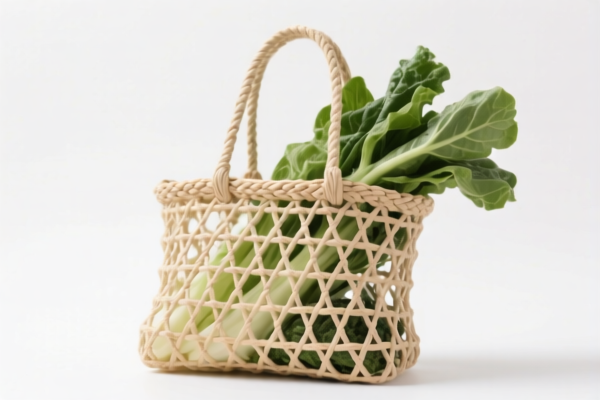
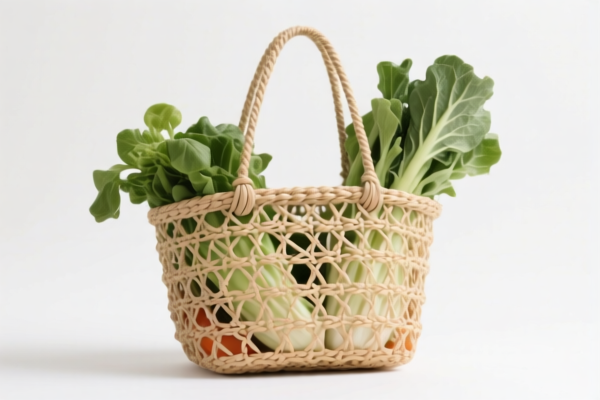
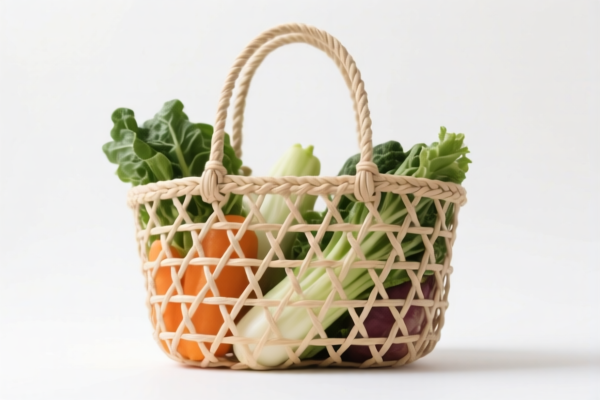
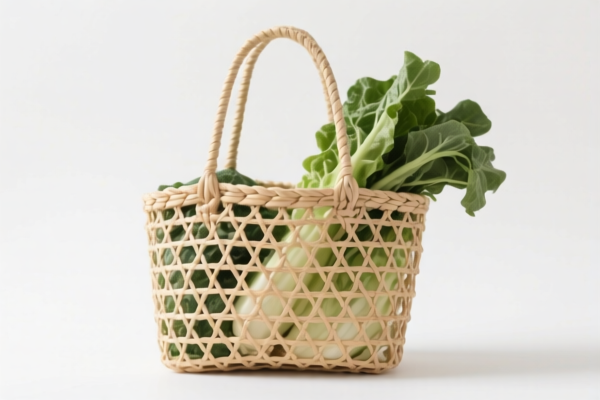
AI Analysis
🌿 Plant Fiber Woven Accessory Kit
🌐 HS Code Reference & Customs Clearance Guide | 2026 Latest Tariff Analysis | Professional Customs Strategy
📌 1. Product Definition & Classification: What exactly is a "Plant Fiber Woven Accessory Kit"?
Plant fiber woven accessories refer to finished goods or semi-finished goods made from natural plant fibers (such as straw, rattan, bamboo, jute, sisal, or hemp) that have been woven, braided, or stitched into specific shapes. These are often used for decoration, storage, packaging, or household items.
In international trade, the classification depends heavily on the final use and material composition:
- Sewing/Embroidery Supplies (Dress Patterns/Other Made-up Articles): If the kit contains pre-cut woven shapes intended for sewing into garments, accessories, or decorative items, it falls under Chapter 63 (Other made-up textile articles).
- Household/Decorative Items: If the kit is ready-to-use decor (e.g., woven placemats, baskets), it might fall under Chapter 46 (Basketware) or Chapter 63.
⚠️ Key Distinction:
- If the items are specifically shaped for dress patterns or sewing accessories (e.g., woven appliqués, trims), they are classified under 6307 (Other made-up articles, including dress patterns).
- If the items are surgical towels, pillow shells, or quilts made of cotton or other textiles, they fall under specific sub-headings within 6307.
- Note: Raw plant fibers for weaving would be in Chapter 53 or 46, but "Accessory Kits" imply finished or semi-finished made-up articles.
📦 2. HS Code Classification Details (Based on Provided Data)
According to the provided <DATA>, the relevant classifications are specifically for "Other made-up articles, including dress patterns" and related textile items.
| HS Code | Product Description | Application Scenario | Key Features |
|---|---|---|---|
6307.90.98.91 |
Other made up articles, including dress patterns: Other: Other: Other: Other: Other | General woven accessories, craft kits, non-specific textile decorations | ✅ Fits "Other made-up articles" |
6307.90.89.95 |
Surgical towels; cotton towels... Shells for quilts, eiderdowns, comforters... Other: Other (362) | Specific textile shells (quilts, pillow shells) or towels | ✅ Fits specific textile household items |
🔍 Critical Note:
- The term "Plant Fiber" itself does not dictate the HS Code if the item is already "made up" (finished/semi-finished). Textile rules (Chapter 63) often override fiber-specific chapters for finished accessories unless explicitly defined as basketware (Chapter 46).
- The provided data highlights two distinct paths: one for general other made-up articles (6307.90.98.91) and one for specific textile shells/towels (6307.90.89.95).
- Most "Woven Accessory Kits" for fashion/crafts will likely fall under6307.90.98.91unless they are specifically quilting/pillow shells.
💰 3. 2026 Latest Tariff Rate Details (Including Additional Taxes)
✅ Applicable Country: United States (US)
✅ Origin: China (CN) (Based on typical context of such tariffs; verify if origin differs)
✅ Effective Time: Current as per provided data
🎯 1. 6307.90.98.91 – Other Made-up Articles (General Woven Accessories)
| Item | Content |
|---|---|
| Base Tariff | 7.0% (Ad Valorem) |
| Additional Tariff | 7.5% (Section 301 / Trade War Tariff) |
| Total Tax Rate | 14.5% |
| Tax Calculation | CIF Value × 14.5% |
| De Minimis Exemption | ❌ Not Applicable (Generally, Section 301 tariffs apply regardless of de minimis threshold for certain goods, but verify current CBP enforcement. Note: Data shows total tax, implying it applies.) |
| Legal Basis | HTSUS:6307.90.98.91 + Section 301 Additional Duty |
📌 Explanation:
- Base Tariff (7.0%): The standard MFN (Most Favored Nation) rate for other made-up textile articles not specified elsewhere.
- Additional Tariff (7.5%): This is likely a Section 301 duty applied to Chinese-origin goods in this category.
- Total Cost: Importers must budget for a 14.5% total duty on the customs value.
🎯 2. 6307.90.89.95 – Quilt Shells / Towels (Specific Textile Items)
| Item | Content |
|---|---|
| Base Tariff | 0.0% |
| Additional Tariff | 0.0% |
| Total Tax Rate | 0.0% |
| Tax Calculation | Duty-Free |
| De Minimis Exemption | ✅ Applicable (If value < $800 for US entry, often duty-free anyway due to 0% rate) |
| Legal Basis | HTSUS:6307.90.89.95 |
📌 Explanation:
- 0% Total Tax: This specific sub-category (likely covering certain quilt shells or specific towel types) enjoys a 0% duty rate.
- Strategic Advantage: If your "Accessory Kit" can be legitimately classified under this code (e.g., if the woven items are specifically quilting shells or pillow shells made of cotton/textile), you save 14.5% compared to the general category.
- Caution: Misclassifying general woven decor as "quilt shells" to save taxes is a high-risk audit trigger.
🛠️ 4. Customs Clearance Practical Advice
✅ 1. Documentation Checklist
| Document | Required | Notes |
|---|---|---|
| Commercial Invoice | ✔️ | Must clearly describe goods as "Woven Accessory Kit" or "Textile Decoration Items". |
| Product Description | ✔️ | Specify material (e.g., "100% Jute", "Rattan Woven"). Avoid vague terms like "Fiber". |
| Usage Declaration | ✔️ | State clearly: "For use as sewing accessories/decoration" → supports 6307.90.98.91. |
| Material Composition | ✔️ | Detail the fiber type. Plant fibers (straw, jute) vs. Cotton. |
| Kit Contents List | ✔️ | Breakdown of items in the kit to justify classification. |
✅ 2. Classification Strategy (Key Mnemonic)
🔥 "Know the End Use: Sewing vs. Quilting!"
| Scenario | Correct HS Code | Tax Rate | Risk Level |
|---|---|---|---|
| General Woven Decor/Accessories (e.g., placemats, trims, craft pieces) | 6307.90.98.91 |
14.5% | ✅ Low (Standard) |
| Quilt Shells / Pillow Shells (Specific textile items for bedding) | 6307.90.89.95 |
0.0% | ⚠️ Medium (Requires proof of specific use) |
| Raw Plant Fibers (Not made up) | Not in Data | Varies | ❌ N/A (Not applicable to "Accessory Kits") |
💡 Pro Tip:
- If your kit contains pre-cut woven shapes for sewing onto clothes, use6307.90.98.91.
- If your kit contains actual quilt shells or pillow covers, use6307.90.89.95to enjoy 0% tax.
- Do not force a classification if the item is neither. General woven accessories are safe under6307.90.98.91.
✅ 3. Special Circumstances
| Situation | Handling Advice |
|---|---|
| Mixed Materials (e.g., woven fiber + plastic buttons) | Still classified under 6307 if textile is principal material. |
| "Plant Fiber" vs. "Textile" | In HS Code terms, plant fibers used in weaving are often treated as textile articles in Chapter 63 if made up. |
| Origin Non-China | If origin is Vietnam/Mexico, Section 301 additional 7.5% may not apply, reducing total tax to 7.0% for 6307.90.98.91. |
🌍 5. Global Market Comparison (2026 Update)
| Market | Recommended HS Code | Base Tariff | Additional Tax | Total Estimate | Notes |
|---|---|---|---|---|---|
| 🇺🇸 USA | 6307.90.98.91 |
7.0% | 7.5% | 14.5% | High duty for general articles. |
| 🇺🇸 USA | 6307.90.89.95 |
0.0% | 0.0% | 0.0% | Only for specific quilt/towel shells. |
| 🇪🇺 EU | 6307.90 |
4.0% | 0.0% | 4.0% | Lower base rate, no Section 301. |
| 🇨🇳 China | 6307.90 |
5.0%-7.0% | 0.0% | ~6.0% | Varies by specific sub-category. |
📌 Conclusion:
- USA is the most expensive market for general woven accessories due to Section 301 tariffs.
- Quilt Shells enjoy a 0% duty in the US, which is a significant savings if applicable.
📌 6. Common Mistakes & Pitfalls
❌ Mistake 1: Classifying all plant fiber goods under "Basketware" (Chapter 46)
👉 Consequence: Incorrect if the items are sewn/textile accessories. Chapter 46 is for baskets, mats, and plaited goods not further worked. If "made up" for sewing, Chapter 63 is correct.
❌ Mistake 2: Assuming "Plant Fiber" means 0% tax
👉 Consequence: Plant fibers are subject to textile duties. Natural fibers (jute, sisal) often have higher base rates than synthetic.
❌ Mistake 3: Misusing 6307.90.89.95 for general decor
👉 Consequence: Customs audit for undervaluation/tax evasion. Only use for actual quilt shells/pillow shells.
✅ Correct Approach:
"Woven Jute Accessory Kit for Sewing Projects" →
6307.90.98.91(14.5% tax)
"Cotton Quilt Shell Set" →6307.90.89.95(0% tax)
🎯 7. Conclusion: Smart Classification, Lower Costs!
🎯 Remember:
🔹 "General Decor = 14.5% (US); Quilt Shells = 0% (US)"
🔹 "Plant Fiber ≠ Zero Duty. Textile Rules Apply."
📌 Tip:
If your "Accessory Kit" is versatile, consider splitting shipments or clarifying the primary use on the invoice. If it's clearly for quilting, use the 0% code. If it's for general craft/sewing, prepare for the 14.5% duty.
📣 Immediate Action:
📞 Confirm product end-use with your supplier.
📄 Update Commercial Invoice to reflect "Sewing Accessory" or "Quilt Shell" accurately.
🚀 Accurate classification saves thousands in duties!
✨ Professional Customs Clearance Starts with Precise Classification!
💼 Your Cost Efficiency, Precisely Calculated!
Customer Reviews
About HS Code Classification
The Harmonized System (HS) is an internationally standardized nomenclature developed by the World Customs Organization (WCO) to classify traded products. Over 200 countries use the HS system as the basis for customs tariffs, trade statistics, and import/export regulations.
Each HS code follows a hierarchical structure:
- Chapter (2 digits) — Broad category of goods (e.g., Chapter 84: Machinery and Mechanical Appliances)
- Heading (4 digits) — More specific grouping within the chapter
- Subheading (6 digits) — Internationally standardized breakdown, used by all WCO member countries
- National subdivisions (8-10 digits) — Country-specific extensions for further classification, such as US HTSUS 10-digit codes
Correct HS code classification is essential for smooth customs clearance, accurate duty payment, and compliance with trade regulations. Misclassification can lead to customs delays, overpayment of duties, or penalties.
When importing from CN to US, the applicable tariff rates may include:
- Most-Favored-Nation (MFN) rate — The standard duty rate applied to WTO members
- General rate — Applied to countries without trade agreements
- Trade remedy duties — Additional tariffs such as Section 301 (anti-dumping), Section 232 (national security), or countervailing duties
The information provided on this page is for reference purposes only. For official classification, please consult with your local customs authority or a licensed customs broker.