Plant Fiber Woven Basket
CN → US| HS Code | Tariff Rate | Origin | Destination | Doc |
|---|---|---|---|---|
| 4602110900 | 45.0% | CN | US | Official Doc |
| 4602110700 | 35.0% | CN | US | Official Doc |
| 4601920500 | 37.7% | CN | US | Official Doc |
| 3926909989 | 22.8% | CN | US | Official Doc |
| 4602110900 | 45.0% | CN | US | Official Doc |
Product Images
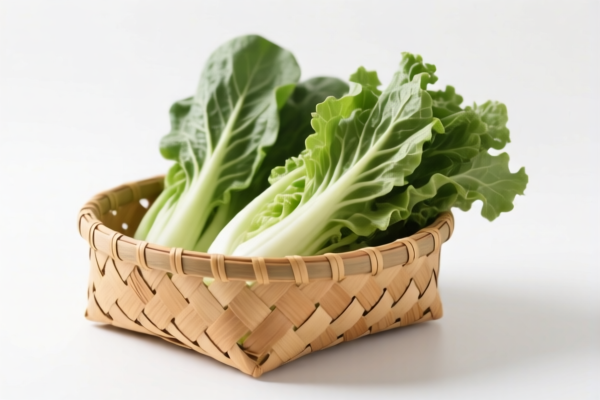
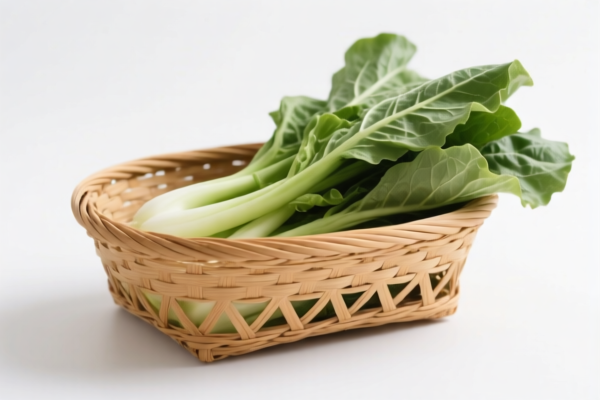
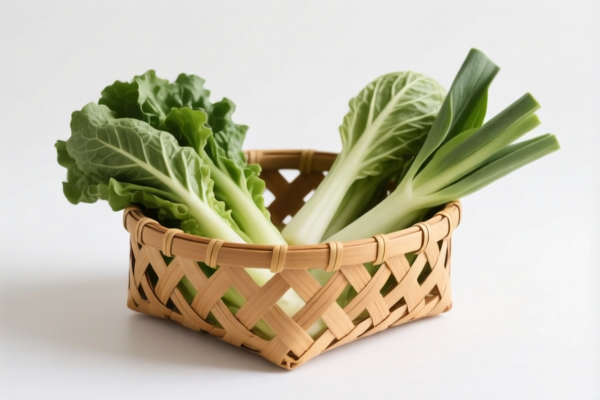
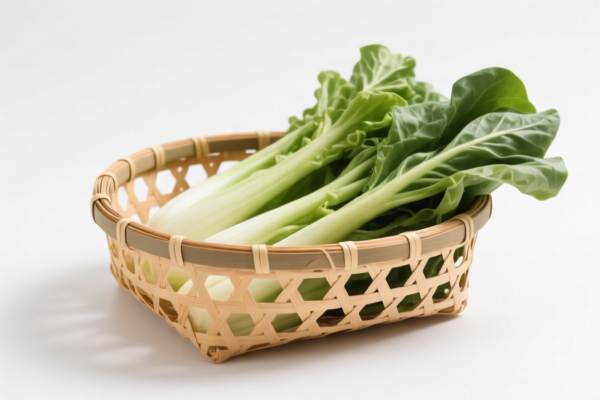
AI Analysis
🧺 Plant Fiber Woven Basket (Botanical & Bamboo Weaves)
🌐 HS Code Reference & Customs Clearance Guide | 2026 Latest Tariff Analysis | Professional Clearance Strategy
📌 I. Product Definition & Classification: What Exactly Is a "Plant Fiber Woven Basket"?
Plant fiber woven baskets are versatile container products primarily crafted from natural botanical materials such as bamboo, rattan, willow, or other flexible plant fibers. In international trade, their classification is critical because it depends heavily on form (finished basket vs. woven material) and material composition.
There are three primary categories for customs purposes:
- Finished Baskets (4602.11): Fully formed containers (e.g., laundry baskets, fruit baskets, storage bins) made by weaving bamboo, rattan, or similar materials.
- Woven Materials/Mats (4601.92): Sheets, mats, or mesh-like structures that are not yet shaped into a specific container. These are often used as packaging materials or semi-finished goods.
- Imitation/Lined Baskets (3926.90): Baskets that appear to be plant fiber but are actually made of plastic or have plastic coatings/linings, classified as plastics rather than natural fibers.
⚠️ Key Distinction Point:
- If it is a rigid, finished container made of natural bamboo/rattan → Go to 4602.11
- If it is a flexible sheet/mat or unfinished weave → Go to 4601.92
- If it is plastic/synthetic pretending to be fiber → Go to 3926.90
📦 II. HS Code Classification Details (2026 Latest Tariff Authority Comparison)
| HS Code | Product Description | Application Scenario | Material/State |
|---|---|---|---|
4602.11.09.00 |
Plant fiber woven baskets; shape: Basket; Material: Bamboo, Rattan, etc. | Finished laundry baskets, fruit display baskets, storage bins | ✅ Natural Fiber (Bamboo/Rattan) |
4602.11.07.00 |
Plant fiber woven baskets; shape: Basket; Material: Bamboo, Willow, etc. | Finished willow baskets, bamboo lunch boxes, decorative planters | ✅ Natural Fiber (Willow/Bamboo) |
4601.92.05.00 |
Woven materials and products similar thereto; Material: Bamboo craft weaving | Bamboo mats, woven panels, unfinished weave sheets, packaging mesh | ✅ Natural Fiber (Unfinished/Mat) |
3926.90.99.89 |
Plastic woven flower baskets; belongs to "Other articles of plastics" | Imitation rattan baskets, plastic-coated baskets, synthetic fiber baskets | ❌ Plastic/Synthetic Material |
🔍 Critical Reminder:
- Do not misclassify plastic baskets as natural fiber. If the basket is made of PE/PP or has a plastic coating that prevents natural fiber properties, it must go under 3926.90.99.89.
- "Basket" vs. "Mat": If the item has a 3D shape and is used for holding items, it is 4602. If it is flat or rolled, it is 4601.
💰 III. 2026 Latest Tariff Rate Breakdown (Including Additional Duties & Policy Surcharges)
✅ Applicable Country: United States (US)
✅ Origin: China (CN)
✅ Effective Date: Current rates as of 2025/2026
🎯 1. 4602.11.09.00 & 4602.11.07.00 —— Plant Fiber Woven Baskets (Bamboo/Rattan/Willow)
| Item | Content |
|---|---|
| Base Tariff | 10.0% (for 4602.11.09.00) / 0.0% (for 4602.11.07.00) |
| Section 301 Tariff | +25.0% |
| Section 122 Tariff | +10.0% |
| Total Tariff Rate | 45.0% (4602.11.09.00) 35.0% ( 4602.11.07.00) |
| Tax Calculation | CIF Value × Total Rate |
| De Minimis Eligibility | ❌ Not Eligible (deny_de_minimis) |
| Legal Basis Path | USITC:4602.11.09.00 → Section 301: Footnote 9903.01 → Section 122: USITC Rule |
📌 Explanation:
- Section 301 (25%): Applied to a wide range of Chinese manufactured goods, including household furniture and bamboo products.
- Section 122 (10%): Additional surcharge on specific imports from China under trade action rules.
- Total Cost Impact: For4602.11.09.00, the effective tax rate is 45%. This is a high-cost category for exporters.
- Note on4602.11.07.00: If the basket is made of Willow or specific bamboo types listed under this subheading, the base tariff is 0%, resulting in a 35% total rate. Verify material origin and specific weave type carefully.
🎯 2. 4601.92.05.00 —— Woven Bamboo Materials (Unfinished/Mats)
| Item | Content |
|---|---|
| Base Tariff | 2.7% |
| Section 301 Tariff | +25.0% |
| Section 122 Tariff | +10.0% |
| Total Tariff Rate | 37.7% |
| Tax Calculation | CIF Value × 37.7% |
| De Minimis Eligibility | ❌ Not Eligible |
| Legal Basis Path | USITC:4601.92.05.00 → Section 301 → Section 122 |
📌 Note:
- This code is for semi-finished goods or packaging materials made of bamboo weave.
- Even with a lower base rate (2.7%), the additional duties push the total to 37.7%.
🎯 3. 3926.90.99.89 —— Plastic/Synthetic Woven Baskets
| Item | Content |
|---|---|
| Base Tariff | 5.3% |
| Section 301 Tariff | +7.5% |
| Section 122 Tariff | +10.0% |
| Total Tariff Rate | 22.8% |
| Tax Calculation | CIF Value × 22.8% |
| De Minimis Eligibility | ❌ Not Eligible |
| Legal Basis Path | USITC:3926.90.99.89 → Section 301 → Section 122 |
📌 Advantage:
- Lowest Total Rate (22.8%).
- If your "bamboo" basket is actually plastic resin (imitation rattan), classifying it here saves ~22% in duties compared to natural fiber baskets.
- Warning: Must provide proof of material (e.g., material safety data sheet, lab test) to prove it is plastic, not natural fiber, to avoid penalties for misclassification.
🛠️ IV. Customs Clearance Practical Advice (Actionable Pitfall Guide)
✅ 1. Documentation Checklist (Non-Negotiable)
| Document | Required | Purpose |
|---|---|---|
| ✅ Product Specifications | ✔️ | Detailed description: Material (Bamboo/Willow/Plastic), Dimensions, Weight |
| ✅ Material Composition Certificate | ✔️ | Critical: Prove whether it is 100% natural fiber or plastic-coated. |
| ✅ Product Photos | ✔️ | Clear images showing the weave pattern, structure, and any labels |
| ✅ Commercial Invoice | ✔️ | Must clearly state "Woven Basket" or "Bamboo Mat," not generic "Gift" |
| ✅ Packing List | ✔️ | Net/Gross weight, number of units |
| ✅ Supply Chain Proof | ✔️ | If claiming Willow (4602.11.07.00), prove origin to justify 0% base rate |
✅ 2. Declaration Tips (Key Mnemonics)
🔥 "Nature High, Plastic Low; Shape Matters, Code Changes!"
| Scenario | Correct HS Code | Incorrect Practice | Consequence |
|---|---|---|---|
| Bamboo/Rattan Basket | 4602.11.09.00 |
Declare as "Plastic Basket" | Severe Penalty for fraud; 45% tax + fines |
| Willow Basket | 4602.11.07.00 |
Declare as "Bamboo Basket" | Pay 45% instead of 35%; Overpay 10% |
| Bamboo Mat/Sheet | 4601.92.05.00 |
Declare as "Basket" | Undeclared Value risk; potential 37.7% vs. 45% difference |
| Plastic Imitation Rattan | 3926.90.99.89 |
Declare as "Natural Fiber" | Overpay 22% unnecessarily |
✅ 3. Special Cases Handling
| Case | Handling Advice |
|---|---|
| Mixed Materials (e.g., Bamboo frame + Plastic liner) | Classify based on essential character. If plastic lining dominates, consider 3926.90. Consult custom broker. |
| Gift Sets (Basket + Fruit) | Split Declaration. Declare basket separately to apply correct HS code. Do not bundle into a single "Gift" code. |
| OEM Custom Baskets | Provide client design specs. If client provides "plastic" specs, use 3926.90. |
| Origin Misstatement | If you claim 4602.11.07.00 (0% base) but use bamboo, customs will reclassify to 4602.11.09.00 (10% base) + audit. |
🌍 V. Global Market Clearance Comparison (2026 Latest)
| Country/Region | Recommended HS Code | Tariff (China Origin) | Key Certification | Notes |
|---|---|---|---|---|
| 🇺🇸 USA | 4602.11.09.00 |
45.0% | None usually, but material proof needed | High tariff due to Sec 301 & 122 |
| 🇪🇺 EU | 4602.11 |
~6% - 12% | FSC (Forest Certification) often required | No Section 301/122. Eco-labels may apply |
| 🇨🇳 China | 4602.11 |
0% - 10% | N/A | Export from China, so this is for import into China |
| 🇬🇧 UK | 4602.11 |
~5% - 10% | UKCA Mark (if applicable) | Post-Brexit rules vary; check UK Trade Tariff |
| 🇦🇺 Australia | 4602.11 |
5% | Fumigation Certificate (ISPM 15) | Critical: Raw plant materials require fumigation |
📌 Conclusion:
- USA is the most expensive market for natural fiber baskets due to叠加 (stacking) of 301, 122, and base tariffs.
- Plastic alternatives (3926.90) offer significant savings in the US market (22.8% vs. 45%).
- EU/AU require strict phytosanitary/fumigation checks for natural bamboo/rattan to prevent pest introduction.
📌 VI. Common Mistakes & Pitfall Guide (Blood & Tears Lessons)
❌ Mistake 1: Declaring Plastic Imitation Baskets as Natural Fiber
👉 Consequence: Customs may accept the lower 22.8% rate initially, but if audited, you face fraud penalties and back-taxes.
👉 Fix: Only use 3926.90 if it is 100% plastic/synthetic.
❌ Mistake 2: Using Willow Code (4602.11.07.00) for Bamboo Products
👉 Consequence: You pay 45% instead of 35%. $10,000 on a $100k shipment lost.
👉 Fix: Verify material. Willow and Bamboo are different species. Get supplier confirmation.
❌ Mistake 3: Ignoring Fumigation Requirements for Australia/EU
👉 Consequence: Cargo quarantined or destroyed at destination port.
👉 Fix: Ensure ISPM 15 fumigation certificate is attached for all natural plant fiber exports to AU/EU.
✅ Correct Practice:
"Bamboo Woven Laundry Basket, Natural Fiber, 3D Shaped, Model XYZ, FSC Certified (if applicable)"
vs.
"Plastic Resin Woven Basket, Immitation Bamboo, Model ABC, UV Resistant"
🎯 VII. Conclusion: Professional Declaration, Cost Saving, Efficiency!
🎯 Remember the Mnemonic:
🔹 "Bamboo Basket 45%, Plastic Basket 22%, Willow Basket 35%."
🔹 "Mat vs. Basket: Shape Determines Code."
🔹 "Fumigate for AU/EU, Proof for USA."
📌 Pro Tip:
If you are exporting to the US, and your product is borderline (e.g., bamboo composite with plastic), consider re-engineering to use more plastic to qualify for 3926.90.99.89 (22.8%) if it meets the legal definition of "Plastic Article." However, consult a trade lawyer first to avoid false designation claims.
📣 Immediate Action:
📞 Request Material Certificate from Supplier: "Is this 100% Natural Bamboo/Rattan/Willow, or is there plastic coating?"
🚀 Choose the Lowest Legal HS Code:
- If Plastic →3926.90.99.89(22.8%)
- If Willow →4602.11.07.00(35%)
- If Bamboo/Rattan →4602.11.09.00(45%)
✨ Professional Clearance Starts with Accurate Classification!
💼 Every Percent of Tax Saved is Pure Profit!
Customer Reviews
About HS Code Classification
The Harmonized System (HS) is an internationally standardized nomenclature developed by the World Customs Organization (WCO) to classify traded products. Over 200 countries use the HS system as the basis for customs tariffs, trade statistics, and import/export regulations.
Each HS code follows a hierarchical structure:
- Chapter (2 digits) — Broad category of goods (e.g., Chapter 84: Machinery and Mechanical Appliances)
- Heading (4 digits) — More specific grouping within the chapter
- Subheading (6 digits) — Internationally standardized breakdown, used by all WCO member countries
- National subdivisions (8-10 digits) — Country-specific extensions for further classification, such as US HTSUS 10-digit codes
Correct HS code classification is essential for smooth customs clearance, accurate duty payment, and compliance with trade regulations. Misclassification can lead to customs delays, overpayment of duties, or penalties.
When importing from CN to US, the applicable tariff rates may include:
- Most-Favored-Nation (MFN) rate — The standard duty rate applied to WTO members
- General rate — Applied to countries without trade agreements
- Trade remedy duties — Additional tariffs such as Section 301 (anti-dumping), Section 232 (national security), or countervailing duties
The information provided on this page is for reference purposes only. For official classification, please consult with your local customs authority or a licensed customs broker.