Plant Fiber Woven Bathroom Mat
CN → US| HS Code | Tariff Rate | Origin | Destination | Doc |
|---|---|---|---|---|
| 4601299000 | 43.0% | CN | US | Official Doc |
| 4601298000 | 35.0% | CN | US | Official Doc |
| 6307909891 | 24.5% | CN | US | Official Doc |
| 6307908940 | 17.0% | CN | US | Official Doc |
| 4601218000 | 35.0% | CN | US | Official Doc |
Product Images
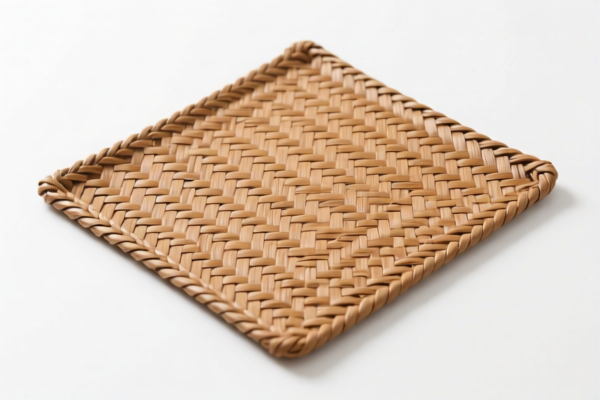
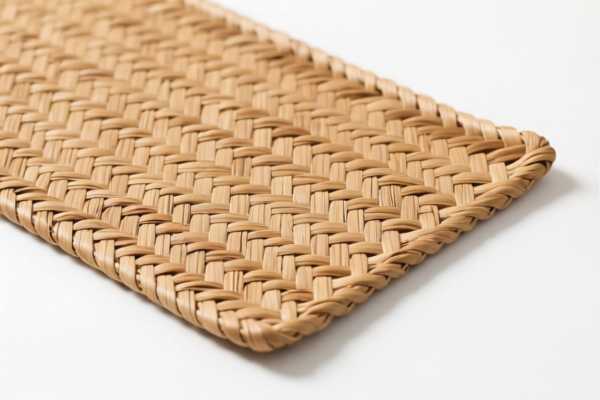
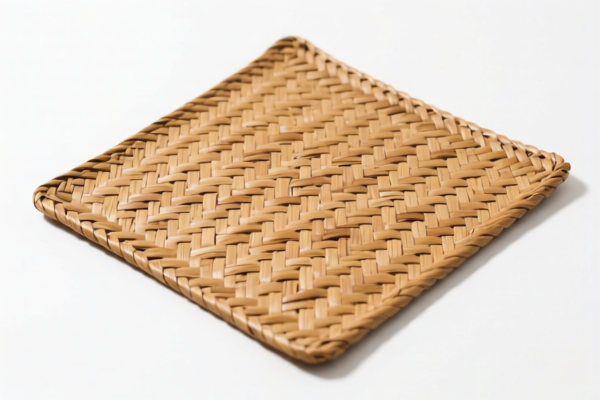
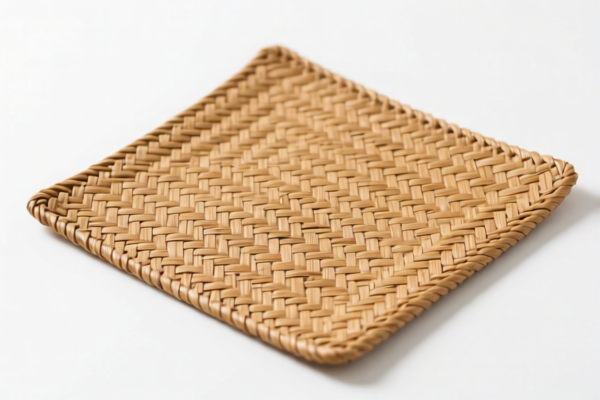
AI Analysis
🧺 Plant Fiber Woven Bathroom Mats (植物纤维编织浴室地垫)
🌐 HS Code Reference & Customs Clearance Guide | 2026 Latest Tariff Analysis | Professional Entry Strategy
📌 I. Product Definition & Classification: What Exactly Is a "Plant Fiber Mat"?
Plant fiber woven bathroom mats are non-textile floor coverings made from natural vegetable fibers (such as bamboo, sisal, jute, or coir) processed into woven structures. In international trade, they are categorized based on their physical state (woven vs. finished garment-like) and specific utility.
Key Distinction:
- Woven Mats (Heading 4601): Mats made of plaited materials (bamboo strips, palm leaves, etc.) where the fiber itself is the primary structural element, similar to baskets or mats of plaiting materials.
- Finished Articles (Heading 6307): Mats that are considered "other made up articles," often if they have specific backing, edges, or are considered more akin to household textiles rather than woven structural materials.
⚠️ Critical Classification Point:
- If the mat is strictly plaited/woven using plant fibers as the main material structure → Chapter 46 (4601.xxxx)
- If the mat is considered a finished household article (e.g., with non-woven backing, complex finishing) → Chapter 63 (6307.90.xxxx)
📦 II. HS Code Classification Details (2026 Latest Tariff Authority Cross-Reference)
| HS Code | Product Description | Application Scenario | Material Structure |
|---|---|---|---|
4601.21.80.00 |
Woven mats of plaiting materials (other than those of bamboo or of palm leaves) - Specifically noted for "Door Mats" in summary, but applies to woven plant fiber mats | Woven plant fiber mats, often used for doors or entryways | ✅ Woven/Plaited Plant Fiber |
4601.29.80.00 |
Other woven mats of plaiting materials | Plant fiber woven bathroom mats classified under general woven plant fiber mats | ✅ Woven/Plaited Plant Fiber |
4601.29.90.00 |
Other woven mats of plaiting materials (General "Mat" category) | Plant fiber woven mats without more specific subheading fit | ✅ Woven/Plaited Plant Fiber |
6307.90.89.40 |
Other made up articles (Other textile materials) - Specifically noted for "Mats/Carpets" | Plant fiber mats classified as finished household textile-like articles | ✅ Finished Plant Fiber Article |
6307.90.98.91 |
Other made up articles (Other textile materials) - General "Catch-all" for finished articles | Plant fiber woven bathroom mats considered finished general articles | ✅ Finished Plant Fiber Article |
🔍 Key Reminder:
- The same physical product can be classified differently based on customs interpretation of "Woven Mat" (Ch.46) vs. "Made Up Article" (Ch.63). - Chapter 46 often carries higher punitive tariffs due to broad "plaiting materials" categorization under certain trade actions. - Chapter 63 offers a more specific "other finished articles" classification, which may have lower base duties depending on the subheading.
💰 III. 2026 Latest Tariff Rate Breakdown (Including Surtaxes, Policy Add-ons)
✅ Applicable Country: United States (US)
✅ Country of Origin: China (CN)
✅ Effective Date: Post-2025 adjustments (Current active rates)
🎯 1. 4601.21.80.00 —— Woven Mats of Plaiting Materials
| Item | Content |
|---|---|
| Base Duty Rate | 0% (ad valorem) |
| Section 301 Additional Duty | +25% (USITC Footnote associated with Heading 4601) |
| Section 122 Duty | +10% (Specific surtax for certain categories) |
| Total Duty Rate | 35.0% |
| Tax Calculation | CIF Value × 35% |
| De Minimis Exemption | ❌ Not Eligible (Subject to all surtaxes) |
| Legal Basis Path | USITC:4601.21.80.00 → Section 301: 25% → Section 122: 10% |
📌 Explanation:
- Although the base duty is 0%, the 25% Section 301 tariff and 10% Section 122 tariff make the total 35%. - This classification treats the mat as a "plaited material product," which is heavily taxed under current trade policies.
🎯 2. 4601.29.80.00 —— Other Woven Mats of Plaiting Materials
| Item | Content |
|---|---|
| Base Duty Rate | 0% |
| Section 301 Additional Duty | +25% |
| Section 122 Duty | +10% |
| Total Duty Rate | 35.0% |
| Tax Calculation | CIF Value × 35% |
| De Minimis Exemption | ❌ Not Eligible |
| Legal Basis Path | USITC:4601.29.80.00 → Section 301: 25% → Section 122: 10% |
📌 Note:
- Same tax structure as4601.21.80.00. Both fall under Chapter 46, which attracts the full 35% combined surtax.
🎯 3. 4601.29.90.00 —— Other Woven Mats of Plaiting Materials (General)
| Item | Content |
|---|---|
| Base Duty Rate | 8.0% |
| Section 301 Additional Duty | +25% |
| Section 122 Duty | +10% |
| Total Duty Rate | 43.0% |
| Tax Calculation | CIF Value × 43% |
| De Minimis Exemption | ❌ Not Eligible |
| Legal Basis Path | USITC:4601.29.90.00 → Base 8% → Section 301: 25% → Section 122: 10% |
📌 Warning:
- This is the highest tax bracket (43%) in the dataset. - It combines a higher base duty (8%) with the full surtaxes. Avoid this subheading if possible.
🎯 4. 6307.90.89.40 —— Other Made Up Articles (Mat Category)
| Item | Content |
|---|---|
| Base Duty Rate | 7.0% |
| Section 301 Additional Duty | +0.0% (No Section 301 applicable to this specific subheading in this dataset) |
| Section 122 Duty | +10% |
| Total Duty Rate | 17.0% |
| Tax Calculation | CIF Value × 17% |
| De Minimis Exemption | ❌ Not Eligible (Subject to Section 122) |
| Legal Basis Path | USITC:6307.90.89.40 → Section 122: 10% |
📌 Strategy:
- This is the lowest tax rate (17%) in the dataset. - It avoids the 25% Section 301 tariff, applying only the 10% Section 122 surtax on top of a 7% base. - Recommendation: Prioritize this classification if the product fits the "finished article" description.
🎯 5. 6307.90.98.91 —— Other Made Up Articles (General Catch-All)
| Item | Content |
|---|---|
| Base Duty Rate | 7.0% |
| Section 301 Additional Duty | +7.5% (Partial Section 301 applicability) |
| Section 122 Duty | +10% |
| Total Duty Rate | 24.5% |
| Tax Calculation | CIF Value × 24.5% |
| De Minimis Exemption | ❌ Not Eligible |
| Legal Basis Path | USITC:6307.90.98.91 → Base 7% → Section 301: 7.5% → Section 122: 10% |
📌 Note:
- A middle-ground option (24.5%). - Lower than Chapter 46 (35-43%) but higher than6307.90.89.40(17%). - Use if6307.90.89.40is not applicable due to specific product features.
🛠️ IV. Customs Clearance Practical Advice (Battle-Tested Pitfall Avoidance)
✅ 1. Required Documentation Checklist (Non-Negotiable)
| Document | Required | Description |
|---|---|---|
| ✅ Product Specifications | ✔️ | Details on fiber type (bamboo, jute, etc.), weave type, dimensions |
| ✅ Product Photos | ✔️ | Clear images of the mat, including edges, backing, and texture |
| ✅ Commercial Invoice | ✔️ | Must clearly state "Plant Fiber Woven Mat" and HS Code |
| ✅ Packing List | ✔️ | Show weight and dimensions for accurate duty calculation |
| ✅ Material Composition Statement | ✔️ | Proof that the primary material is plant fiber (not synthetic) |
✅ 2. Declaration Strategy (Key Mantra)
🔥 "Classify as Finished Article, Not Plaited Material! Save 18-26%!"
| Scenario | Correct Declaration | Wrong Action |
|---|---|---|
| Mat with finished edges/backing | 6307.90.89.40 (17%) |
Misclassify as 4601 → 35-43% |
| Simple woven mat, no backing | 6307.90.98.91 (24.5%) |
Misclassify as 4601.29.90 → 43% |
| High-quality woven mat | 4601.29.80.00 (35%) |
Last resort if Ch.63 not applicable |
💡 Pro Tip:
If your mat has a non-woven backing, rubber bottom, or decorative fringe, it strongly supports classification under Chapter 63 (Finished Articles) rather than Chapter 46 (Plaited Materials). This can reduce your tariff by 18% to 26%.
✅ 3. Special Cases
| Scenario | Handling Advice |
|---|---|
| OEM Custom Mats | Provide design specs to prove it’s a "made up article" (Ch.63) |
| Mixed Material Mats | If >50% plant fiber, still eligible for these codes; disclose all materials |
| Sample Imports | Even samples are subject to full duties; apply for pre-ruling |
| Low-Value Shipments | ❌ No De Minimis Exemption for these HS codes due to Section 301/122 |
🌍 V. Global Market Comparison (2026 Latest)
| Country/Region | Recommended HS Code | Tariff (China Origin) | Certification | Notes |
|---|---|---|---|---|
| 🇺🇸 USA | 6307.90.89.40 |
17% | No special cert | Best rate; avoid Ch.46 |
| 🇺🇸 USA | 4601.29.80.00 |
35% | No special cert | High risk; high cost |
| 🇪🇺 EU | 4601.29.80.00 |
Varies (often lower) | CE (if applicable) | EU treats plant fibers more favorably |
| 🇬🇧 UK | 6307.90.89.40 |
Standard MFN | UKCA | Post-Brexit rules apply |
| 🇨🇦 Canada | 4601.29.80.00 |
Varies (CUSMA eligible?) | No special cert | Check CUSMA eligibility |
📌 Conclusion:
- USA is the most critical market with high surtaxes.
- Strategic Classification in Chapter 63 can save you up to 26% in duties.
- Always consult a customs broker for Pre-Ruling (ISF + ACE) before bulk shipment.
📌 VI. Common Mistakes & Pitfall Guide (Lessons Learned)
❌ Mistake 1: Declaring as 4601.29.90.00 (43%) when 6307.90.89.40 (17%) is applicable.
👉 Consequence: Overpaying 26% in duties on every shipment.
❌ Mistake 2: Ignoring Section 122 and 301 tariffs.
👉 Consequence: Unexpected customs holds, penalties, and retroactive tax bills.
❌ Mistake 3: Mislabeling as "Textile Mat" (Ch.63) when it’s clearly "Plaited Material" (Ch.46).
👉 Consequence: Customs may reclassify and apply the wrong duty, leading to audits.
✅ Correct Approach:
"Plant Fiber Woven Bathroom Mat, Finished Article, Rubber Backing, 17% Duty via 6307.90.89.40"
🎯 VII. Conclusion: Precise Classification, Maximize Profit!
🎯 Remember:
🔹 "Ch.46 is Expensive (35-43%), Ch.63 is Cheaper (17-24.5%)"
🔹 "Add Backing/Fringe → Push for Ch.63"
🔹 "Always Check Section 301 & 122 Applicability"
📌 Tip:
If your mats are sourced from Vietnam, Thailand, or Malaysia, check for preferential tariffs under USMCA or ASEAN agreements, which may reduce or eliminate these surtaxes.
📣 Immediate Action:
📞 Contact a customs broker for a Pre-Ruling on your specific mat design.
🚀 Classify smart, pay less, clear faster!
✨ Professional Customs Clearance Starts with Accurate Classification!
💼 Every Percent Saved is Pure Profit!
Customer Reviews
About HS Code Classification
The Harmonized System (HS) is an internationally standardized nomenclature developed by the World Customs Organization (WCO) to classify traded products. Over 200 countries use the HS system as the basis for customs tariffs, trade statistics, and import/export regulations.
Each HS code follows a hierarchical structure:
- Chapter (2 digits) — Broad category of goods (e.g., Chapter 84: Machinery and Mechanical Appliances)
- Heading (4 digits) — More specific grouping within the chapter
- Subheading (6 digits) — Internationally standardized breakdown, used by all WCO member countries
- National subdivisions (8-10 digits) — Country-specific extensions for further classification, such as US HTSUS 10-digit codes
Correct HS code classification is essential for smooth customs clearance, accurate duty payment, and compliance with trade regulations. Misclassification can lead to customs delays, overpayment of duties, or penalties.
When importing from CN to US, the applicable tariff rates may include:
- Most-Favored-Nation (MFN) rate — The standard duty rate applied to WTO members
- General rate — Applied to countries without trade agreements
- Trade remedy duties — Additional tariffs such as Section 301 (anti-dumping), Section 232 (national security), or countervailing duties
The information provided on this page is for reference purposes only. For official classification, please consult with your local customs authority or a licensed customs broker.