Plant Fiber Woven Carpet
CN → US| HS Code | Tariff Rate | Origin | Destination | Doc |
|---|---|---|---|---|
| 4602198000 | 37.3% | CN | US | Official Doc |
| 5705001000 | 35.0% | CN | US | Official Doc |
| 5705002090 | 38.3% | CN | US | Official Doc |
| 4602191800 | 39.5% | CN | US | Official Doc |
| 4602191800 | 39.5% | CN | US | Official Doc |
Product Images
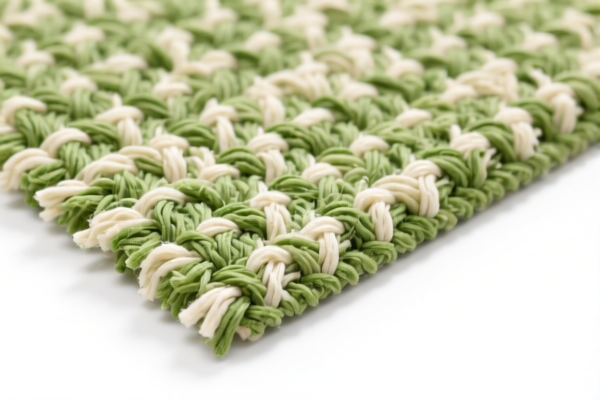
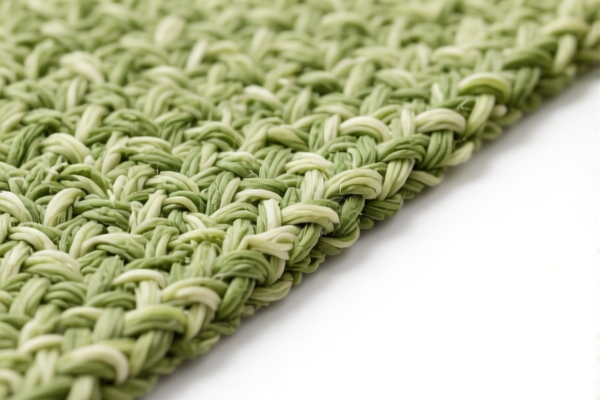
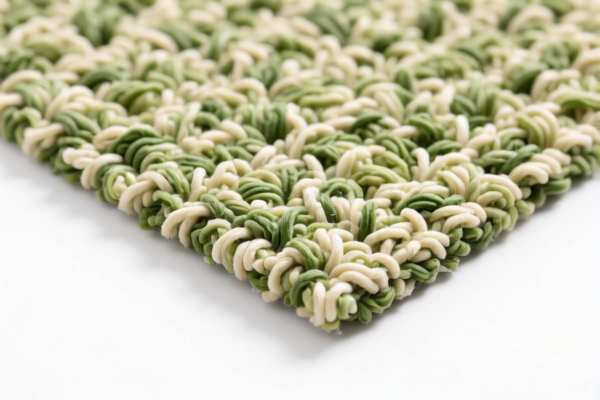
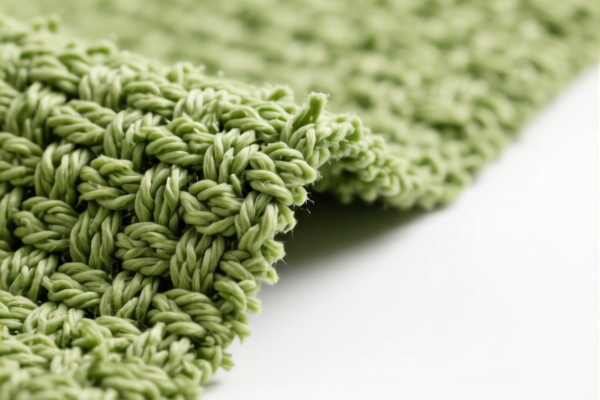
AI Analysis
🧶 Plant Fiber Woven Carpet (Tapi de Fibra Vegetal Tejida)
🌐 HS Code Reference & Customs Clearance Guide | 2026 Latest Tariff Analysis | Professional Clearance Strategy
📌 I. Product Definition & Classification: Do You Really Understand "Plant Fiber Carpets"?
Plant fiber woven carpets are eco-friendly floor coverings made from natural fibers such as jute, sisal, coir, rattan, bamboo, or seaweed. In international trade, their classification depends heavily on form, material composition, and specific usage. They are generally categorized into two main groups:
1. Woven Articles of Vegetable Textile Materials (Chapter 46):
Items primarily defined as "woven products" made from vegetable fibers, often including mats, mats, and other woven items not specifically classified as carpets in Chapter 57.
2. Carpets & Rugs (Chapter 57):
Items specifically defined as "carpets," "rugs," or "floor coverings," regardless of whether they contain plant fiber components.
⚠️ Key Distinction Point:
- If the item is strictly a "woven mat" or "woven article" without the specific characteristics of a "carpet" (e.g., pile, backing, specific dimensions for floor covering) → It may fall under Chapter 46. - If the item is explicitly a "carpet" or "rug" (even if made of plant fibers) → It generally falls under Chapter 57.
📦 II. HS Code Classification Details (2026 Latest Tariff Authority Comparison)
| HS Code | Product Description | Applicable Scenario | Key Characteristics |
|---|---|---|---|
4602.19.80.00 |
Woven articles of vegetable materials, other (Carpet) | Plant fiber woven carpet; shape is woven product | ✅ Plant fiber; Woven form |
5705.00.10.00 |
Other carpets and other floor coverings of textile materials (Carpet) | Plant fiber woven carpet; form is carpet; material contains plant fiber | ✅ Plant fiber content; Carpet form |
5705.00.20.90 |
Other carpets and other floor coverings of textile materials (Carpet) | Plant fiber woven carpet; material is plant fiber; belongs to other carpet categories | ✅ Plant fiber; Other carpet category |
4602.19.18.00 |
Woven articles of vegetable materials, other (Woven Article) | Plant fiber woven carpet; classified as other woven products | ✅ Plant fiber; Classified as woven article |
4602.19.18.00 |
Woven articles of vegetable materials, other (Partition/Divider) | Plant fiber woven partition; material is plant fiber; extended application of woven products | ✅ Plant fiber; Partition/Divider use |
🔍 Key Reminder:
- Chapter 57 (Carpet) vs. Chapter 46 (Woven Articles): The primary dispute lies in whether the product is recognized as a "carpet" or merely a "woven article." - Material: All items in<DATA>are made of plant fibers. - Tax Impact: Misclassification between Chapter 46 and Chapter 57 can lead to different base tariffs, although the additional tariffs (Section 301 and Section 122) remain largely consistent.
💰 III. 2026 Latest Tariff Rate Details (Including Additional Taxes & Policy Surcharges)
✅ Applicable Country: United States (US)
✅ Country of Origin: China (CN)
✅ Effective Date: 2025/2026 (Including subsequent imports)
🎯 1. 4602.19.80.00 —— Plant Fiber Woven Carpet (Woven Article)
| Item | Content |
|---|---|
| Base Tariff | 2.3% (ad valorem) |
| Section 301 Additional Tax | +25.0% (China-origin goods) |
| Section 122 Tax | +10.0% (Specific Chinese import surcharge) |
| Total Tariff Rate | 37.3% |
| Tax Calculation | CIF Value × 37.3% |
| De Minimis Exemption? | ❌ No (Denied for Section 301/122 goods) |
| Legal Basis Path | Section 301:9903.01.06 → Section 122:9903.05.02 → USITC:4602.19.80.00 |
📌 Explanation:
- "Base Tariff 2.3%": Standard MFN rate for woven vegetable articles. - "Section 301 +25%": Tariff imposed on a wide range of Chinese goods under Trade Act Section 301. - "Section 122 +10%": Additional surcharge targeting specific imports from China. - Total 37.3%: High tariff burden. Must be factored into cost planning.
🎯 2. 5705.00.10.00 —— Plant Fiber Woven Carpet (Other Carpets)
| Item | Content |
|---|---|
| Base Tariff | 0.0% (ad valorem) |
| Section 301 Additional Tax | +25.0% |
| Section 122 Tax | +10.0% |
| Total Tariff Rate | 35.0% |
| Tax Calculation | CIF Value × 35.0% |
| De Minimis Exemption? | ❌ No |
| Legal Basis Path | Section 301:9903.01.06 → Section 122:9903.05.02 → USITC:5705.00.10.00 |
📌 Note:
- Although the base tariff is 0%, the additional tariffs (35%) are still significant. - This code often represents "other" carpets that don't fit specific sub-categories like wool or synthetic fiber carpets.
🎯 3. 5705.00.20.90 —— Plant Fiber Woven Carpet (Other Carpets)
| Item | Content |
|---|---|
| Base Tariff | 3.3% (ad valorem) |
| Section 301 Additional Tax | +25.0% |
| Section 122 Tax | +10.0% |
| Total Tariff Rate | 38.3% |
| Tax Calculation | CIF Value × 38.3% |
| De Minimis Exemption? | ❌ No |
| Legal Basis Path | Section 301:9903.01.06 → Section 122:9903.05.02 → USITC:5705.00.20.90 |
📌 Note:
- Slightly higher base tariff (3.3%) compared to5705.00.10.00. - Still subject to the same 35% additional tariffs.
🎯 4. 4602.19.18.00 —— Plant Fiber Woven Article / Partition (Woven Article)
| Item | Content |
|---|---|
| Base Tariff | 4.5% (ad valorem) |
| Section 301 Additional Tax | +25.0% |
| Section 122 Tax | +10.0% |
| Total Tariff Rate | 39.5% |
| Tax Calculation | CIF Value × 39.5% |
| De Minimis Exemption? | ❌ No |
| Legal Basis Path | Section 301:9903.01.06 → Section 122:9903.05.02 → USITC:4602.19.18.00 |
📌 Note:
- Highest total tariff rate (39.5%) among the listed codes. - Applies to both woven carpets classified as "other woven articles" and woven partitions/dividers. - Ensure the product description matches the "woven article" definition to avoid misclassification penalties.
🛠️ IV. Customs Clearance Practical Advice (Real-World Pitfall Avoidance Guide)
✅ 1. Preparation Checklist (Non-Negotiable)
| Document | Required | Notes |
|---|---|---|
| ✅ Product Specification Sheet | ✔️ | Must include material composition (e.g., 100% Jute, Sisal, Coir), dimensions, weight. |
| ✅ Photos (Clear & Detailed) | ✔️ | Show texture, backing (if any), edges, and overall appearance to prove it's a "woven article" or "carpet." |
| ✅ Commercial Invoice | ✔️ | Clearly state "Plant Fiber Woven Carpet" or "Woven Article of Vegetable Materials." Avoid vague terms like "Floor Mat." |
| ✅ Packing List | ✔️ | Detail quantity, gross/net weight, and packaging type. |
| ✅ Certificate of Origin (CO) | ✔️ | Required to verify China origin for Section 301/122 application. |
| ✅ Material Test Report | ✔️ | Prove the fiber is plant-based (not synthetic like polypropylene). Critical for Chapter 46 vs. Chapter 57 distinction. |
✅ 2. Declaration Strategy (Key Tips)
🔥 "Material Truth, Form Clear, Code Precise, Tariff Predictable!"
| Scenario | Correct Declaration | Wrong Practice |
|---|---|---|
| Plant Fiber Carpet (Floor Covering) | 5705.00.10.00 or 5705.00.20.90 |
Misclassifying as 4602 to "save" on base tariff → Risk of penalty if deemed a carpet. |
| Plant Fiber Woven Mat (Non-Carpet) | 4602.19.80.00 or 4602.19.18.00 |
Declaring as "Carpet" → Unnecessary complexity if not a floor covering. |
| Woven Partition/Divider | 4602.19.18.00 |
Misclassifying as "Furniture" or "Other" → Different HS Code, potential penalty. |
| Synthetic Fiber "Look-alike" | Correctly declared as Synthetic | Claiming "Plant Fiber" when it's Polypropylene → Fraud risk, higher tariffs, seizure. |
✅ 3. Special Situations Handling
| Situation | Handling Advice |
|---|---|
| Mixed Materials (Plant + Synthetic) | If plant fiber is <50%, it may not qualify for "plant fiber" specific codes. Check HTS notes. |
| With Backing (Rubber, Jute, etc.) | If the backing is integral, it's still a carpet. If removable, may be considered an accessory. |
| Custom Dimensions/Shapes | Non-standard sizes may push classification to "Other" categories (5705.00.20.90 or 4602.19.80.00). |
| Pre-Cut vs. Rolls | Rolls may be classified differently. Ensure description matches the "article" status. |
🌍 V. Global Major Market Clearance Comparison (2026 Latest)
| Country/Region | Recommended HS Code | Tariff (China Origin) | Certification | Notes |
|---|---|---|---|---|
| 🇺🇸 USA | 5705.00.10.00 / 4602.19.80.00 |
35% - 39.5% (incl. 301 & 122) | None specific | High tariffs apply. |
| 🇨🇳 China | 5705.00.10.00 / 4602.19.80.00 |
~5-10% | No special | Domestic trade friendly. |
| 🇪🇺 EU | 5705.00.10.00 |
~10-12% | CE (if applicable) | No Section 301/122. |
| 🇬🇧 UK | 5705.00.10.00 |
~10-12% | UKCA | Post-Brexit rules. |
| 🇦🇺 Australia | 5705.00.10.00 |
~5% | N/A | Low tariff. |
📌 Conclusion:
- USA is the most challenging market due to Section 301 (25%) and Section 122 (10%) surcharges. - EU/UK/Australia have no similar political surcharges, making them more cost-effective for plant fiber carpets. - Cost Optimization: Consider transshipment or origin diversification (e.g., Vietnam, India) for US-bound goods, if feasible.
📌 VI. Common Mistakes & Pitfall Guide (Lessons Learned)
❌ Mistake 1: Misclassifying "Carpet" as "Woven Article" to lower base tariff
👉 Consequence: Customs may reclassify, leading to retroactive tariffs + penalties. If it's a carpet, it should be 5705. If it's a woven article, it should be 4602. Be consistent with product nature.
❌ Mistake 2: Ignoring Section 122 Tax
👉 Consequence: 10% surprise charge. Many importers only account for Section 301 (25%) and forget Section 122 (10%).
❌ Mistake 3: Vague Description "Carpet"
👉 Consequence: Customs cannot determine base tariff (0% vs 4.5%). Delay in clearance.
✅ Correct: "Jute Woven Carpet, Plant Fiber, 5x7 ft, No Pile"
❌ Mistake 4: Claiming "De Minimis" Exemption
👉 Consequence: Rejected. Section 301 and 122 goods cannot use de minimis ($800). All shipments are subject to duty.
🎯 VII. Conclusion: Professional Declaration, Cost Control, Efficiency!
🎯 Remember the Mantra:
🔹 "Material First, Form Second, Tax Third, Code Precise!"
🔹 "Plant Fiber Carpet: Base 0-4.5%, Plus 35% Additional = 35-39.5% Total!"
🔹 "No De Minimis, No Excuses!"
📌 Pro Tip:
If your plant fiber carpets are originating from India, Vietnam, or Bangladesh, you may avoid Section 301 and Section 122 tariffs.
Action:
1. Verify Country of Origin carefully.
2. If non-China origin, apply for preferential tariffs where applicable.
3. For China-origin goods, budget for 35-39.5% total tariff in your pricing model.
📣 Immediate Action:
📞 Contact Your Customs Broker
📄 Provide Product Photos & Material Specs
🚀 Confirm HS Code via Advance Ruling if unsure
💡 Let Your Carpets Cross Borders Smoothly, Profitably, and Compliantly!
✨ Professional Clearance Starts with Accurate Classification!
💼 Every Percent of Tariff Matters!
Customer Reviews
About HS Code Classification
The Harmonized System (HS) is an internationally standardized nomenclature developed by the World Customs Organization (WCO) to classify traded products. Over 200 countries use the HS system as the basis for customs tariffs, trade statistics, and import/export regulations.
Each HS code follows a hierarchical structure:
- Chapter (2 digits) — Broad category of goods (e.g., Chapter 84: Machinery and Mechanical Appliances)
- Heading (4 digits) — More specific grouping within the chapter
- Subheading (6 digits) — Internationally standardized breakdown, used by all WCO member countries
- National subdivisions (8-10 digits) — Country-specific extensions for further classification, such as US HTSUS 10-digit codes
Correct HS code classification is essential for smooth customs clearance, accurate duty payment, and compliance with trade regulations. Misclassification can lead to customs delays, overpayment of duties, or penalties.
When importing from CN to US, the applicable tariff rates may include:
- Most-Favored-Nation (MFN) rate — The standard duty rate applied to WTO members
- General rate — Applied to countries without trade agreements
- Trade remedy duties — Additional tariffs such as Section 301 (anti-dumping), Section 232 (national security), or countervailing duties
The information provided on this page is for reference purposes only. For official classification, please consult with your local customs authority or a licensed customs broker.