Plant Fiber Woven Eco friendly Bag
CN → US| HS Code | Tariff Rate | Origin | Destination | Doc |
|---|---|---|---|---|
| 4823908000 | 35.0% | CN | US | Official Doc |
| 4823902000 | 35.0% | CN | US | Official Doc |
| 4202124000 | 41.3% | CN | US | Official Doc |
| 4202921500 | 41.3% | CN | US | Official Doc |
| 6307909891 | 24.5% | CN | US | Official Doc |
Product Images
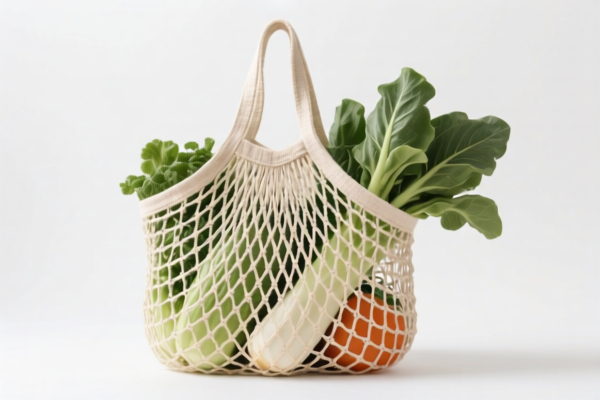
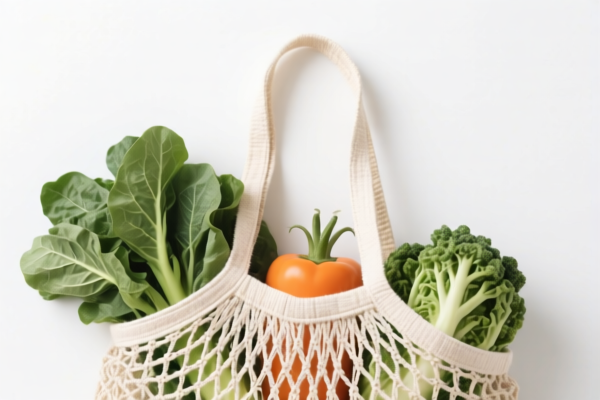
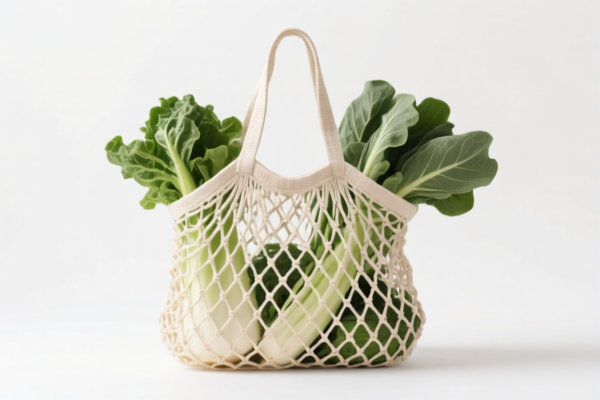
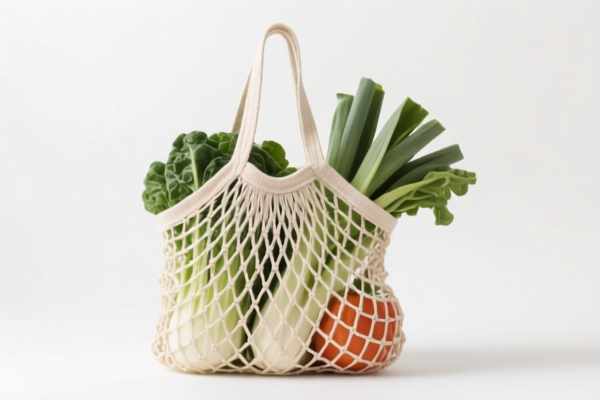
AI Analysis
🌿 Plant Fiber Woven Eco-Friendly Bag (Sustainable Storage Solutions)
🌐 HS Code Reference & Customs Clearance Guide | 2026 Latest Tariff Analysis | Professional Strategy for Eco-Products
📌 I. Product Definition & Classification: What Exactly is a "Plant Fiber Bag"?
Plant fiber woven bags are sustainable packaging and storage solutions made from natural, biodegradable materials such as rattan, bamboo, straw, jute, or reed. In international trade, their classification depends heavily on material composition and primary use.
Two Main Categories:
- Paper/Ce pulp-based or Cellulose Products: If the bag is made from processed plant fibers resembling paper or cardboard (e.g., paper-based woven texture), it falls under Chapter 48.
- General Accessories of Apparel/Travel Goods: If the bag is primarily a carrying case for documents, travel, or personal items, made from woven natural materials, it falls under Chapter 42 (Leather/Travel Goods).
⚠️ Critical Distinction Point:
- If the material is processed cellulose/paper-like → Chapter 48
- If the material is woven natural fibers functioning as a travel/document bag → Chapter 42
📦 II. HS Code Classification Details (2026 Latest Tariff Authority Comparison)
| HS Code | Product Description | Application Scenario | Material Nature | Total Tax Rate |
|---|---|---|---|---|
4823.90.80.00 |
Plant fiber woven document bag, material: plant fiber, shape: woven document bag, fits pulp/cellulose product features. | Paper-like woven bags, eco-packaging, file holders. | Paper/Cellulose | 35.0% |
4823.90.20.00 |
Plant fiber woven document bag, material: plant fiber category, belongs to pulp/cellulose product scope, shape: woven document bag. | Similar to above, specific cellulose classification. | Paper/Cellulose | 35.0% |
4202.12.40.00 |
Plant fiber woven document bag, shape: document bag, material inferred as vegetable fiber, belongs to similar containers. | Woven travel bags, high-end eco-bags, structured document carriers. | Woven Vegetable Fiber | 41.3% |
4202.92.15.00 |
Plant fiber woven document bag, shape: bag type, material: plant fiber, use: document storage, fits travel/sport & similar bag category. | Multi-purpose woven bags, travel organizers, gift packaging bags. | Woven Vegetable Fiber | 41.3% |
6307.90.98.91 |
Natural plant woven travel storage bag, shape: storage bag, material: natural plant weaving, belongs to other finished products. | Soft woven storage cubes, laundry baskets, decorative organizers. | Soft Woven Fabric/Straw | 24.5% |
🔍 Key Reminder:
- Chapter 48 applies if the bag has paper-like structural integrity (e.g., rigid, matte finish, pulp-based).
- Chapter 42 applies if the bag is a finished travel/accessory item (e.g., has handles, zippers, lining, used for carrying personal items).
- Chapter 63 applies if the bag is a soft household organizer (e.g., collapsible storage bin, no rigid structure).
💰 III. 2026 Latest Tariff Rate Details (Including Additional Taxes & Policy Surcharges)
✅ Applicable Country: United States (US)
✅ Origin: China (CN)
✅ Effective Date: November 10, 2025 onwards
🎯 1. 4823.90.80.00 & 4823.90.20.00 —— Paper/Ce Pulp-Based Woven Bags
| Item | Content |
|---|---|
| Base Tariff | 0% (ad valorem) |
| USITC Additional Tax | +25% (Under Section 301, USITC Footnote) |
| IEEPA Additional Tax | +10% (China-specific, effective Nov 10, 2025) |
| Total Tax Rate | 35.0% |
| Tax Calculation | CIF Value × 35% |
| De Minimis Exemption? | ❌ No (Subject to Section 301 & IEEPA) |
| Legal Basis Path | IEEPA:9903.01.25 → IEEPA:9903.01.24 → USITC:4823.90.80.00 → FOOTNOTE:301 |
📌 Explanation:
- Although the base tariff is 0%, Section 301 (25%) and IEEPA (10%) apply to Chinese-origin goods.
- Total 35% is significant. Ensure the product is correctly classified as "paper/cellulose" and not "travel goods" to avoid higher rates (41.3%).
🎯 2. 4202.12.40.00 & 4202.92.15.00 —— Woven Vegetable Fiber Travel/Document Bags
| Item | Content |
|---|---|
| Base Tariff | 6.3% (ad valorem) |
| USITC Additional Tax | +25% (Section 301) |
| IEEPA Additional Tax | +10% (China-specific) |
| Total Tax Rate | 41.3% |
| Tax Calculation | CIF Value × 41.3% |
| De Minimis Exemption? | ❌ No |
| Legal Basis Path | IEEPA:9901.25 → IEEPA:9903.01.24 → USITC:4202.12.40.00 → FOOTNOTE:301 |
📌 Note:
- These codes fall under Chapter 42 (Travel Goods), which has a higher base rate (6.3%) compared to Chapter 48 (0%).
- Total 41.3% is the highest among the given options.
- Use these only if the bag is clearly a finished travel accessory with handles, linings, or branding.
🎯 3. 6307.90.98.91 —— Natural Plant Woven Storage Bags
| Item | Content |
|---|---|
| Base Tariff | 7.0% (ad valorem) |
| USITC Additional Tax | +7.5% (Note: Lower than 25% for this subcategory) |
| IEEPA Additional Tax | +10% (China-specific) |
| Total Tax Rate | 24.5% |
| Tax Calculation | CIF Value × 24.5% |
| De Minimis Exemption? | ❌ No (Check specific IEEPA exemptions for certain household goods) |
| Legal Basis Path | IEEPA:9903.01.25 → USITC:6307.90.98.91 → FOOTNOTE:301 |
📌 Optimal Strategy:
- Lowest Total Tax Rate: 24.5%
- If the bag is a soft storage organizer (e.g., for blankets, toys, laundry) and not a rigid document holder, classify here.
- This is the most cost-effective classification for eco-friendly woven bags.
🛠️ IV. Customs Clearance Practical Advice (Real-World Pitfall Avoidance Guide)
✅ 1. Documentation Checklist (Mandatory)
| Document | Required | Description |
|---|---|---|
| ✅ Product Specification Sheet | ✔️ | Details on material (e.g., "100% Natural Rattan"), dimensions, weight. |
| ✅ Product Photos | ✔️ | Show texture, handles, lining, and any branding. |
| ✅ Bill of Lading / Invoice | ✔️ | Clearly state "Plant Fiber Woven Storage Bag" – avoid vague terms like "Gift Box". |
| ✅ Material Certificate | ✔️ | Proof of natural plant fiber origin (e.g., Rattan, Bamboo, Straw). |
| ✅ HS Code Pre-Ruling | ✔️ | Highly recommended to confirm Chapter 48 vs. 42 vs. 63. |
✅ 2. Declaration Tips (Key Strategy)
🔥 "Shape Determines Code, Structure Dictates Tax!"
| Scenario | Correct Declaration | Risk of Misclassification |
|---|---|---|
| Rigid, paper-like woven bag | 4823.90.80.00 (35%) |
High risk if declared as "Travel Bag" (41.3%) |
| Soft woven organizer (no handles) | 6307.90.98.91 (24.5%) |
Best for cost savings; avoid "Document Bag" labeling |
| Structured bag with handles/zippers | 4202.12.40.00 (41.3%) |
Must prove it's a "Travel Accessory" |
| Gift packaging with rigid base | 4823.90.20.00 (35%) |
Ensure it's not perceived as a "Bag for carrying" |
📌 Pro Tip:
- If the bag is collapsible and used for home storage, declare as6307.90.98.91to save 16.8% compared to Chapter 42 products.
- If the bag is rigid and used for documents, declare as4823.90.80.00to save 6.3% compared to Chapter 42 products.
✅ 3. Special Cases & Handling
| Case | Handling Advice |
|---|---|
| Mixed Materials (e.g., Fabric Lining + Woven Exterior) | Declare based on outer material if woven fiber is principal component. |
| Branded vs. Unbranded | No impact on HS Code, but branding may affect valuation for customs. |
| Sample vs. Bulk | Ensure samples are not declared as "Commercial Goods" if value is low, but still subject to tariffs if over $800 (De Minimis). |
| OE M vs. Own Brand | No difference in HS Code, but provide design specs to prove material composition. |
🌍 V. Global Market Comparison (2026 Latest)
| Country/Region | Recommended HS Code | Tariff (China Origin) | Certification | Notes |
|---|---|---|---|---|
| 🇺🇸 USA | 6307.90.98.91 |
24.5% | None | Best for storage bags; avoid 4202 (41.3%) |
| 🇨🇳 China | 4823.90.80.00 |
~10% (Import Duty) | None | Domestic recycling benefits |
| 🇪🇺 EU | 4601.90.00 (Woven Plaiting) |
0-5% | None | Prefer natural fiber classification |
| 🇬🇧 UK | 6307.90.98 |
1.5% | None | Post-Brexit tariffs may vary |
| 🇯🇵 Japan | 6307.90.90 |
0-5% | None | Eco-friendly appeal |
📌 Conclusion:
- USA is the most critical market due to Section 301 and IEEPA surcharges.
- Opt for6307.90.98.91if the product is a soft storage item to minimize tax impact.
- EU/UK/Japan generally have lower tariffs for natural fiber products, making them easier to clear.
📌 VI. Common Errors & Pitfall Guide (Lessons Learned)
❌ Error 1: Declaring a soft woven storage bag as a document holder (4823 or 4202)
👉 Consequence: Pay 35-41% instead of 24.5% → Loss of Profit!
❌ Error 2: Declaring a rigid paper-like bag as a travel accessory (4202)
👉 Consequence: Higher base tax (6.3% vs 0%) → Unnecessary Cost
❌ Error 3: Ignoring IEEPA 10% Surcharge on all Chinese-origin goods
👉 Consequence: Underestimated landed cost → Margin Erosion
❌ Error 4: Using vague terms like "Eco Bag" without material specification
👉 Consequence: Customs may assign a default higher rate or delay clearance
✅ Correct Approach:
“Natural Rattan Woven Storage Cube, Collapsible, for Home Use, Model XYZ”
→ Declared under6307.90.98.91→ 24.5% Total Tax
🎯 VII. Conclusion: Smart Classification for Maximum Profit
🎯 Remember the Golden Rules:
🔹 “Soft & Storage? Go 6307 (24.5%)!”
🔹 “Rigid & Paper-like? Go 4823 (35%)!”
🔹 “Structured & Travel? Go 4202 (41.3%) – Avoid if Possible!”
🔹 “Always Add 10% IEEPA + 25% Section 301 for US Imports from China!”
📌 Pro Tip:
- If your plant fiber bags are made from recycled materials, highlight this in marketing to appeal to eco-conscious buyers, but note that tariff benefits do not apply unless specifically eligible under special trade agreements.
- Consider pre-classification rulings with CBP to secure the 6307.90.98.91 code if your product qualifies as a "Household Storage Item."
📣 Take Action Now:
📞 Consult a Customs Broker + Provide Material Specs + Request HS Code Pre-Ruling
🚀 Reduce Tariff Burden, Maximize Eco-Profits, Clear Customs Smoothly!
✨ Smart Customs Classification is Your Competitive Edge!
💼 Every Percent Saved in Tariffs is Pure Profit!
Customer Reviews
About HS Code Classification
The Harmonized System (HS) is an internationally standardized nomenclature developed by the World Customs Organization (WCO) to classify traded products. Over 200 countries use the HS system as the basis for customs tariffs, trade statistics, and import/export regulations.
Each HS code follows a hierarchical structure:
- Chapter (2 digits) — Broad category of goods (e.g., Chapter 84: Machinery and Mechanical Appliances)
- Heading (4 digits) — More specific grouping within the chapter
- Subheading (6 digits) — Internationally standardized breakdown, used by all WCO member countries
- National subdivisions (8-10 digits) — Country-specific extensions for further classification, such as US HTSUS 10-digit codes
Correct HS code classification is essential for smooth customs clearance, accurate duty payment, and compliance with trade regulations. Misclassification can lead to customs delays, overpayment of duties, or penalties.
When importing from CN to US, the applicable tariff rates may include:
- Most-Favored-Nation (MFN) rate — The standard duty rate applied to WTO members
- General rate — Applied to countries without trade agreements
- Trade remedy duties — Additional tariffs such as Section 301 (anti-dumping), Section 232 (national security), or countervailing duties
The information provided on this page is for reference purposes only. For official classification, please consult with your local customs authority or a licensed customs broker.