Plant Fiber Woven Makeup Bag
CN → US| HS Code | Tariff Rate | Origin | Destination | Doc |
|---|---|---|---|---|
| 6305900000 | 23.7% | CN | US | Official Doc |
| 6305100000 | 17.5% | CN | US | Official Doc |
| 4602192920 | 40.3% | CN | US | Official Doc |
| 4602192940 | 40.3% | CN | US | Official Doc |
| 4202921500 | 41.3% | CN | US | Official Doc |
Product Images
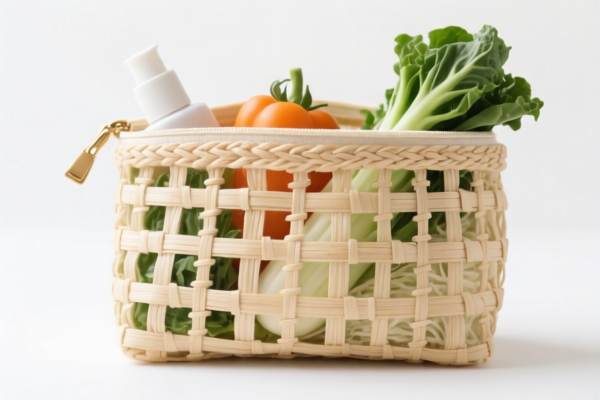
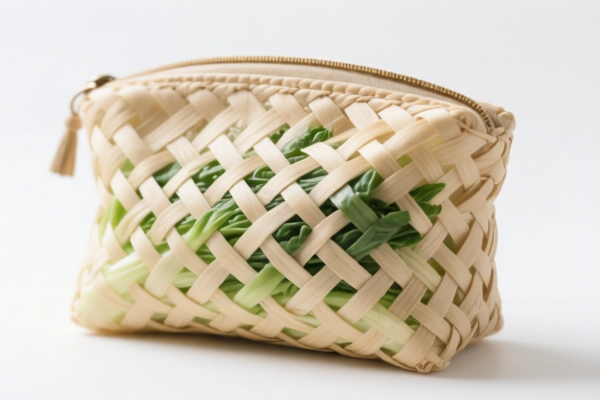
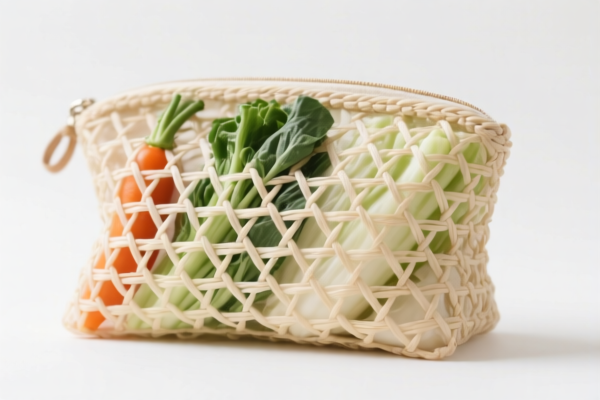
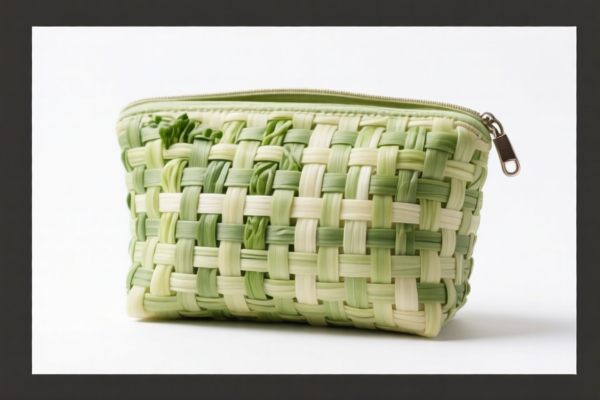
AI Analysis
🧺 Plant Fiber Woven Makeup Bag (Crossbody Bag)
🌐 HS Code Reference & Customs Clearance Guide | 2026 Latest Tariff Analysis | Professional Strategy for US Imports
📌 1. Product Definition & Classification: What exactly is a "Plant Fiber Woven Makeup Bag"?
A Plant Fiber Woven Makeup Bag (specifically in the form of a Crossbody Bag) is a wearable accessory constructed from natural plant-based materials (such as straw, rattan, bamboo, jute, or coir). In international trade, the classification depends heavily on: 1. The Raw Material: Is it a "flexible textile material" (jute/hemp) or a "woven material" (straw/rattan/bamboo)? 2. The Function/Shape: Is it a general "bag for holding articles" (Handbag/Shoulder bag) or a specific "container" (Package)? 3. The Construction: Is it woven like fabric or woven like a basket?
⚠️ Key Distinction Point:
- If made of Jute/Hemp (tough fibers processed like textile) → It is treated as a Textile Bag (Chapter 63).
- If made of Straw/Rattan/Bamboo (plaited/woven like a basket) → It is treated as a Woven Article (Chapter 46).
- If it has leather/travel goods characteristics (structured, specialized) → It may fall under Chapter 42.
📦 2. HS Code Classification Details (2026 Latest Tariff Authority Comparison)
Based on the specific nature of "Plant Fiber," here are the 5 possible classifications from your data:
| HS Code | Product Description | Applicable Scenario | Material Type |
|---|---|---|---|
6305.90.00.00 |
Other sacks and bags, of textile materials | General plant fiber crossbody bag (non-jute/hemp specific) | Flexible Textile |
6305.10.00.00 |
Sacks and bags, of jute or other textile bast fibers | Jute, hemp, or coir woven crossbody bag | Bast Fiber (Textile) |
4602.19.29.20 |
Other woven articles of vegetable materials: Handbags | Woven straw/rattan/bamboo handbag/crossbody | Woven Veg. Mat. |
4602.19.29.40 |
Other woven articles of vegetable materials: Other bags | Woven straw/rattan/bamboo non-handbag (e.g., tote/shopper) | Woven Veg. Mat. |
4202.92.15.00 |
Articles of apparel and clothing accessories: Handbags | Structured plant fiber bag with leather/travel goods features | Mixed/Travel Good |
🔍 Critical Reminder:
- Textile vs. Woven: Jute bags are usually Chapter 63. Straw/Rattan bags are usually Chapter 46.
- Handbag Definition: In HS Code 4602, "Handbags" typically include crossbody bags if they are carried by hand or over the shoulder. If it’s a large non-structured bag, it might be4602.19.29.40.
- Chapter 42: Rare for pure plant fiber unless it has significant leather trim or is designed specifically as a "travel good" with specific structural features.
💰 3. 2026 Latest Tariff Rate Breakdown (Including Surcharges & Policy Add-ons)
✅ Applicable Country: United States (US)
✅ Country of Origin: China (CN)
✅ Effective Date: From Nov 10, 2025 (and subsequent imports)
🎯 1. 6305.90.00.00 — Other Textile Bags (Non-Jute)
| Item | Content |
|---|---|
| Basic Tariff | 6.2% |
| Section 301 Surcharge | 7.5% |
| Section 122 Tariff | 10% |
| Total Rate | 23.7% |
| Tax Calculation | CIF Value × 23.7% |
| De Minimis Exemption? | ❌ No (Section 301/122 goods generally excluded from 800.55/122 exemptions for direct import) |
| Legal Path | USITC:6305.90.00.00 → Section 301:7.5% → Section 122:10% |
📌 Explanation:
- This is a medium-high tariff category.
- Section 122 applies specifically to certain textile/apparel imports from China, adding 10%.
- Section 301 adds 7.5%.
- Total: 23.7%. Avoid if possible if cheaper alternatives exist.
🎯 2. 6305.10.00.00 — Jute/Bast Fiber Bags
| Item | Content |
|---|---|
| Basic Tariff | 0.0% |
| Section 301 Surcharge | 7.5% |
| Section 122 Tariff | 10% |
| Total Rate | 17.5% |
| Tax Calculation | CIF Value × 17.5% |
| De Minimis Exemption? | ❌ No |
| Legal Path | USITC:6305.10.00.00 → Section 301:7.5% → Section 122:10% |
📌 Explanation:
- This is the most cost-effective textile option.
- Basic tariff is 0%, but Section 301 (7.5%) and Section 122 (10%) still apply.
- Total: 17.5%. Recommendation: If your bag is made of Jute, Hemp, or Coir, choose this code to save 6.2% compared to6305.90.00.00.
🎯 3. 4602.19.29.20 — Woven Vegetable Material Handbags
| Item | Content |
|---|---|
| Basic Tariff | 5.3% |
| Section 301 Surcharge | 25.0% |
| Section 122 Tariff | 10% |
| Total Rate | 40.3% |
| Tax Calculation | CIF Value × 40.3% |
| De Minimis Exemption? | ❌ No |
| Legal Path | USITC:4602.19.29.20 → Section 301:25% → Section 122:10% |
📌 Explanation:
- High Risk/High Cost.
- Section 301 surcharge jumps to 25% for "Woven Articles of Vegetable Materials."
- Total: 40.3%. Only use this if the bag is unmistakably Straw/Rattan/Bamboo and structured as a Handbag.
🎯 4. 4602.19.29.40 — Woven Vegetable Material Other Bags
| Item | Content |
|---|---|
| Basic Tariff | 5.3% |
| Section 301 Surcharge | 25.0% |
| Section 122 Tariff | 10% |
| Total Rate | 40.3% |
| Tax Calculation | CIF Value × 40.3% |
| De Minimis Exemption? | ❌ No |
| Legal Path | USITC:4602.19.29.20 → Section 301:25% → Section 122:10% |
📌 Explanation:
- Same high tariff as4602.19.29.20.
- Difference is purely functional: Handbag (20) vs. Other Bag (40).
- If your crossbody bag is not considered a "handbag" (e.g., a large shopper style), use40. If it’s a standard crossbody,20is more appropriate.
- Total: 40.3%. Very expensive.
🎯 5. 4202.92.15.00 — Plant Fiber Woven Crossbody Bag (Chapter 42)
| Item | Content |
|---|---|
| Basic Tariff | 6.3% |
| Section 301 Surcharge | 25.0% |
| Section 122 Tariff | 10% |
| Total Rate | 41.3% |
| Tax Calculation | CIF Value × 41.3% |
| De Minimis Exemption? | ❌ No |
| Legal Path | USITC:4202.92.15.00 → Section 301:25% → Section 122:10% |
📌 Explanation:
- Highest Tariff (41.3%).
- Chapter 42 is for "Travel Goods." If your plant fiber bag has leather straps, metal hardware, or is marketed as a "luxury travel accessory," it might be classified here, but it is risky.
- Total: 41.3%. Generally avoid this code unless legally required by product structure.
🛠️ 4. Customs Clearance Practical Advice (Pitfall Avoidance Guide)
✅ 1. Preparation Checklist (No Exceptions)
| Document | Required | Purpose |
|---|---|---|
| ✅ Product Composition Report | ✔️ | Must specify % of plant fiber (Jute vs. Straw) |
| ✅ Material Sample Photo | ✔️ | To prove "Woven" vs. "Textile" |
| ✅ Cross Section Photo | ✔️ | To show construction (Handbag vs. Bag) |
| ✅ Commercial Invoice | ✔️ | Accurate description: "Jute Woven Crossbody Bag" or "Straw Woven Handbag" |
| ✅ Origin Certificate (CO) | ✔️ | Critical for Section 301/122 applicability |
✅ 2. Declaration Tips (Key Mantra)
🔥 "Material Dictates Chapter, Structure Dictates Subheading. Don't Misclassify!"
| Scenario | Correct HS Code | Wrong Code | Result |
|---|---|---|---|
| Jute/Hemp Bag | 6305.10.00.00 (17.5%) |
4602.19.29.20 (40.3%) |
Overpayment of ~23%! |
| Straw/Rattan Handbag | 4602.19.29.20 (40.3%) |
6305.90.00.00 (23.7%) |
Underpayment (Risk of Penalty) |
| Straw/Rattan Tote | 4602.19.29.40 (40.3%) |
4602.19.29.20 (40.3%) |
Same Tax, but Wrong Description |
| Mixed Material (Jute + Leather) | 4202.92.15.00 (41.3%) |
6305.10.00.00 (17.5%) |
Severe Misclassification |
✅ 3. Special Cases Handling
| Scenario | Handling Advice |
|---|---|
| Jute vs. Straw | Jute is a textile → Chapter 63. Straw/Rattan is a woven mat → Chapter 46. This is the #1 error source. |
| "Crossbody" vs. "Handbag" | In Chapter 46, "Handbag" (20) usually includes crossbody bags. "Other Bag" (40) is for non-handheld styles (e.g., large totes). |
| De Minimis (Section 321) | ❌ Do Not Rely on De Minimis. Section 301 and 122 tariffs generally exclude de minimis exemptions for Chinese goods. |
| Section 122 Applicability | Applies to all textile/apparel/woven goods from China. Do not try to exempt yourself. |
🌍 5. Global Market Comparison (2026)
| Country | Recommended HS Code | Tariff (China Origin) | Note |
|---|---|---|---|
| 🇺🇸 USA | 6305.10.00.00 |
17.5% | Lowest for Jute. Avoid Chapter 46/42. |
| 🇨🇳 China | 6305.10.00.00 |
0-5% | Domestic trade low tax. |
| 🇪🇺 EU | 4602.19.29 |
0% | No Section 301/122. |
| 🇬🇧 UK | 6305.10.00.00 |
0% | Post-Brexit tariff-free for textiles. |
📌 Conclusion for US Importers:
- Jute/Hemp is the cheapest path (17.5%).
- Straw/Rattan is expensive (40.3%).
- Do not try to misclassify Straw as Jute to save tax. Customs inspections are strict on material composition.
📌 6. Common Errors & Pitfalls (Blood & Tears Lessons)
❌ Error 1: Calling a Straw bag a "Textile Bag"
👉 Consequence: Customs demands re-classification. Penalty + Back Tax.
👉 Fix: Always use Chapter 46 for Straw/Rattan/Bamboo.
❌ Error 2: Calling a Jute bag a "Woven Article"
👉 Consequence: You pay 40.3% instead of 17.5%. Loss of Profit.
👉 Fix: Use Chapter 63 for Jute/Hemp.
❌ Error 3: Ignoring Section 122
👉 Consequence: Declaration shows 0% surcharge. 10% Penalty + Interest.
👉 Fix: Always add 10% Section 122 to textile/woven goods from China.
✅ Correct Description Example:
"Jute Woven Crossbody Bag, Plant Fiber, Unlined, Model J-101, HS Code 6305.10.00.00"
🎯 7. Conclusion: Professional Declaration Saves Money!
🎯 Remember the Mantra:
🔹 "Jute = Textile (17.5%) | Straw = Woven (40.3%) | Don't Mix Them!"
🔹 "Section 301 + 122 = High Cost. Material Choice is Key."
📌 Pro Tip:
If you are importing Straw/Rattan bags, consider:
1. Supply Chain Shift: Can you source from Vietnam/Thailand (no Section 301)?
2. Product Design: Can you add Jute trim to move to Chapter 63? (Check de minimis rules).
3. Advance Ruling: Apply for a Pre-Ruling from CBP if the material is ambiguous (e.g., "Coir" vs. "Hemp").
📣 Immediate Action:
📞 Verify Material Composition (Jute vs. Straw)
📦 Choose the Lowest Tariff HS Code (6305.10.00.00if Jute)
🚀 Declare Accurately to Avoid Audits and Penalties!
✨ Professional Customs Clearance Starts with Accurate Classification!
💼 Your Profit Margin Depends on the Right HS Code!
Customer Reviews
About HS Code Classification
The Harmonized System (HS) is an internationally standardized nomenclature developed by the World Customs Organization (WCO) to classify traded products. Over 200 countries use the HS system as the basis for customs tariffs, trade statistics, and import/export regulations.
Each HS code follows a hierarchical structure:
- Chapter (2 digits) — Broad category of goods (e.g., Chapter 84: Machinery and Mechanical Appliances)
- Heading (4 digits) — More specific grouping within the chapter
- Subheading (6 digits) — Internationally standardized breakdown, used by all WCO member countries
- National subdivisions (8-10 digits) — Country-specific extensions for further classification, such as US HTSUS 10-digit codes
Correct HS code classification is essential for smooth customs clearance, accurate duty payment, and compliance with trade regulations. Misclassification can lead to customs delays, overpayment of duties, or penalties.
When importing from CN to US, the applicable tariff rates may include:
- Most-Favored-Nation (MFN) rate — The standard duty rate applied to WTO members
- General rate — Applied to countries without trade agreements
- Trade remedy duties — Additional tariffs such as Section 301 (anti-dumping), Section 232 (national security), or countervailing duties
The information provided on this page is for reference purposes only. For official classification, please consult with your local customs authority or a licensed customs broker.