Plant Fiber Woven Net
CN → US| HS Code | Tariff Rate | Origin | Destination | Doc |
|---|---|---|---|---|
| 5311004010 | 35.0% | CN | US | Official Doc |
| 5311004020 | 35.0% | CN | US | Official Doc |
| 5806392000 | 39.9% | CN | US | Official Doc |
| 5806393080 | 35.0% | CN | US | Official Doc |
| 6307909891 | 24.5% | CN | US | Official Doc |
Product Images
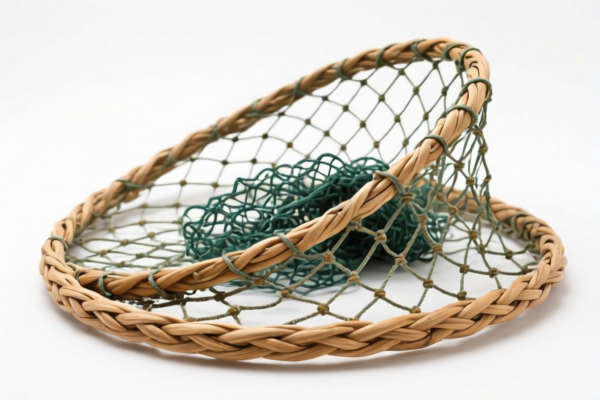
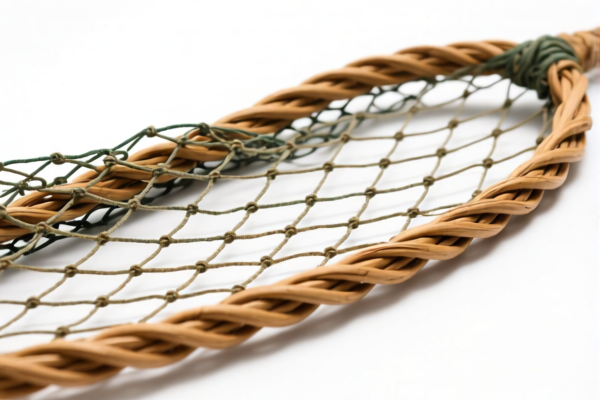
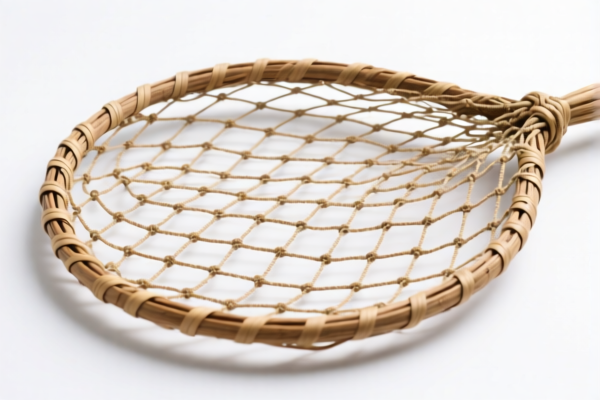
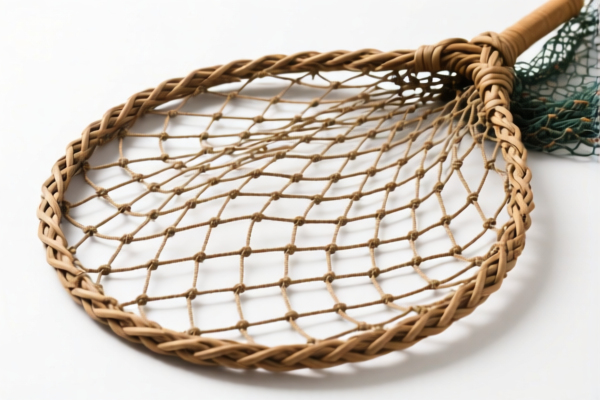
AI Analysis
🌿 Plant Fiber Woven Net (Natural Fiber Textiles)
🌐 HS Code Reference & Customs Clearance Guide | 2026 Latest Tariff Analysis | Professional Entry Strategy
📌 I. Product Definition & Classification: What is a "Plant Fiber Woven Net"?
In international trade, "Plant Fiber Woven Net" refers to textiles made from natural fibers (such as jute, sisal, hemp, flax, or coir) that are woven into open-mesh structures or specific fabric forms. Unlike synthetic nets (nylon/polyester), these are defined by their raw material composition and weaving structure.
⚠️ Key Distinction Logic:
- If it is a woven fabric (broad goods) used for general purposes → Grouped under Chapter 53/58;
- If it is a narrow fabric (strip form) → Grouped under Chapter 58;
- If it is a finished article (e.g., nets for fishing, agriculture, or packaging) → Grouped under Chapter 63.
Note: Misclassification between "woven fabric" and "finished article" is the most common customs error, leading to huge tax differences.
📦 II. HS Code Classification Details (2026 Latest Tariff Authority Comparison)
Based on the provided data, here are the four specific HS Codes applicable to "Plant Fiber Woven Net," depending on the specific form and end-use.
| HS Code | Product Description | Application Scenario | Tax Category |
|---|---|---|---|
5311.00.40.10 |
Woven Fabric Bands of Plant Fibers | Matches plant fiber material + woven fabric form. General woven nets/fabrics. | 35.0% |
5311.00.40.20 |
Other Plant Textile Fibers | Woven fabrics of plant fibers (fallback/subsidiary category). | 35.0% |
5806.39.20.00 |
Narrow Woven Fabrics (Non-Cotton Plant Fiber) | Narrow strip fabrics (width <30cm) made of plant fibers. | 39.9% |
5806.39.30.80 |
Other Narrow Woven Fabrics | Fallback for other textile materials in narrow form (plant fiber logic). | 35.0% |
6307.90.98.91 |
Other Made-Up Textile Articles | Finished plant fiber textile products (e.g., nets, sacks, mats). | 24.5% |
🔍 Critical Note:
- Chapter 53/58 applies to raw woven materials (fabrics, strips).
- Chapter 63 applies to finished made-up articles (like pre-sewn nets or specific textile goods).
- If your product is a "Net" (open mesh) used as a finished good,6307.90.98.91often applies, but if it is simply "woven fabric" that happens to have a net-like structure, it may fall under5311. Confirm with the manufacturer: Is it sold as raw fabric or as a finished net?
💰 III. 2026 Latest Tariff Rate Breakdown (Including Surcharges & Policy Add-ons)
✅ Applicable Country: United States (US)
✅ Origin: China (CN)
✅ Effective Date: 2025/2026 (Current IEEPA & Section 301 Status)
🎯 1. 5311.00.40.10 & 5311.00.40.20 —— Plant Fiber Woven Fabrics
| Item | Content |
|---|---|
| Base Tariff | 0.0% (ad valorem) |
| Section 301 Surcharge | +25.0% (USITC Footnote 1) |
| IEEPA Surcharge | +10.0% (Targeting China/HK products, effective since late 2025) |
| Total Tariff | 35.0% |
| Calculation | CIF Value × 35% |
| De Minimis Exemption | ❌ NO (Denied for China-origin goods under current IEEPA) |
| Legal Basis Path | IEEPA:9903.01.25 → Section 301: Footnote 1 → USITC:5311 |
📌 Explanation:
- Plant fibers (jute, sisal) are often considered "agricultural/textile" goods. While base duty is low (0%), the US-China trade friction imposes significant layers.
- Total 35% is substantial. If this is a raw material, verify if it's used for "substantial transformation" later.
🎯 2. 5806.39.20.00 —— Narrow Plant Fiber Fabrics (Non-Cotton)
| Item | Content |
|---|---|
| Base Tariff | 4.9% |
| Section 301 Surcharge | +25.0% |
| IEEPA Surcharge | +10.0% |
| Total Tariff | 39.9% |
| Calculation | CIF Value × 39.9% |
| De Minimis Exemption | ❌ NO |
| Legal Basis Path | IEEPA:9903.01.25 → Section 301: Footnote 1 → USITC:5806 |
📌 Warning:
- This is the highest tax bracket in the list.
- If your "net" is actually a narrow strip (e.g., for trimming, binding, or narrow webbing), you will pay 39.9%.
- Strategy: If the width is >30cm, reclassify to Chapter 53 (35.0%) to save 4.9%!
🎯 3. 5806.39.30.80 —— Other Narrow Woven Fabrics (Fallback)
| Item | Content |
|---|---|
| Base Tariff | 0.0% |
| Section 301 Surcharge | +25.0% |
| IEEPA Surcharge | +10.0% |
| Total Tariff | 35.0% |
| Calculation | CIF Value × 35% |
| De Minimis Exemption | ❌ NO |
| Legal Basis Path | IEEPA:9903.01.24 → Section 301: Footnote 1 → USITC:5806 |
🎯 4. 6307.90.98.91 —— Other Made-Up Textile Articles (Finished Nets)
| Item | Content |
|---|---|
| Base Tariff | 7.0% |
| Section 301 Surcharge | +7.5% (Reduced from 25% in some specific lists, check latest update) |
| IEEPA Surcharge | +10.0% |
| Total Tariff | 24.5% |
| Calculation | CIF Value × 24.5% |
| De Minimis Exemption | ❌ NO |
| Legal Basis Path | IEEPA:9903.01.25 → Section 301: Specific Footnote → USITC:6307 |
📌 Strategic Insight:
- This is the LOWEST tariff (24.5%) among all options.
- If your product is a finished net (e.g., agricultural netting, fishing net, decorative mesh), classify it here to save 10.5%-15.4% compared to raw fabric codes.
- Crucial: Ensure the product is "made-up" (cut/sewn/finished), not just a roll of woven fabric.
🛠️ IV. Customs Clearance Practical Advice (Real-World Pitfall Guide)
✅ 1. Required Documentation Checklist
| Document | Mandatory? | Purpose |
|---|---|---|
| ✅ Product Specification Sheet | ✔️ | Must specify: Fiber Type (Sisal/Jute/Hemp), Weave Type, Width, Mesh Size. |
| ✅ Material Composition Certificate | ✔️ | Proves it is "Plant Fiber" (not synthetic). Critical for Chapter 53/63. |
| ✅ Commercial Invoice | ✔️ | Clearly state: "Plant Fiber Woven Net, Finished Article" (if using 6307) or "Woven Fabric" (if using 5311). |
| ✅ Photos (Including Packaging) | ✔️ | Show the "Net" structure. If it's rolled, is it cut? Is it sewn? |
| ✅ Origin Certificate (CO) | ✔️ | To prove CN origin and confirm applicability of IEEPA/301. |
✅ 2. Classification Strategy (Key Mantra)
🔥 "Finished Net = 6307 (24.5%); Raw Fabric = 5311 (35%); Narrow Strip = 5806 (39.9%)"
| Scenario | Correct HS Code | Wrong Code | Risk |
|---|---|---|---|
| Finished Agricultural Net (cut/sewn) | 6307.90.98.91 |
5311.00.40.10 |
Overpay by 10.5% |
| Roll of Woven Jute Fabric (raw) | 5311.00.40.10 |
6307.90.98.91 |
Under-declaration Risk (Customs may reclassify & penalize) |
| Narrow Jute Ribbon (<30cm) | 5806.39.20.00 |
5311 |
Higher Tax (39.9%) if width is truly narrow |
| Generic "Textile Article" | 6307.90.98.91 |
5806 |
Tax Savings (24.5% vs 39.9%) if applicable |
✅ 3. Special Handling for "Nets"
- Definition of "Net": In HS Code terms, a "net" often has open spaces. If it is a woven fabric that is not open-mesh, it is NOT a net in the strict sense, but a "woven fabric."
- If it is open-mesh:
- Is it a finished product (e.g., a fruit bag)? → Use
6307. - Is it raw material (roll of mesh fabric)? → Check if width >30cm (
5311) or <30cm (5806).
- Is it a finished product (e.g., a fruit bag)? → Use
📌 Pro Tip:
If you are importing raw jute mesh for your own factory to make bags, you might argue for5311. But if you are importing pre-made fruit nets, argue for6307. Documentation must match!
🌍 V. Global Market Comparison (2026)
| Country/Region | Recommended HS Code | Tariff (CN Origin) | Remarks |
|---|---|---|---|
| 🇺🇸 USA | 6307.90.98.91 |
24.5% | Lowest in US list. |
| 🇨🇳 China | 5311 or 6307 |
~0-5% | Low entry barrier. |
| 🇪🇺 EU | 5311 or 6307 |
~0-7% | Generally low tariffs, but strict ESG/sustainability rules for natural fibers. |
| 🇦🇺 Australia | 6307 |
~5-10% | No Section 301, but standard MFN rates apply. |
📌 Conclusion:
- The USA has the most complex tariff structure due to IEEPA + Section 301.
- Maximize savings by correctly classifying finished nets under6307rather than raw fabrics.
📌 VI. Common Mistakes & Pitfalls (Lessons Learned)
❌ Mistake 1: Calling "Jute Fabric" a "Net" when it’s actually a tight weave.
👉 Consequence: Customs may reject 6307 and reclassify to 5311 → Back tax + Penalties.
❌ Mistake 2: Classifying Narrow Ribbons (<30cm) as Broad Fabrics (5311).
👉 Consequence: Tariff jumps from 35% to 39.9%. Plus, risk of audit for misdescription.
❌ Mistake 3: Ignoring IEEPA 10% surcharge.
👉 Consequence: Budgeting based on "Base + 301" (e.g., 35%) but actual cost is higher? No, here base+301+IEEPA = 35/39.9/24.5. Always include the 10% IEEPA in your Landed Cost model.
✅ Correct Practice:
"Plant Fiber Woven Net, Jute, Finished Agricultural Mesh, 2m Width, Open Weave Structure, Made in China."
🎯 VII. Conclusion: Smart Classification Saves Money!
🎯 Remember the Mantra:
🔹 "Finished Net = 6307 (24.5%) 🏆"
🔹 "Raw Fabric = 5311 (35.0%)"
🔹 "Narrow Strip = 5806 (39.9%) 💸"
🔹 "IEEPA 10% is Always On!"
📌 Action Item:
📞 Consult a Customs Broker: Send product photos and dimensions.
📄 Verify Width: Is it <30cm? → Avoid5311.
📦 Verify Form: Is it finished? → Aim for6307.
🚀 Save Up to 15% on duties by choosing the right HS Code!
✨ Professional Clearance Starts with Precise Classification!
💼 Your Landed Cost Depends on It!
Customer Reviews
About HS Code Classification
The Harmonized System (HS) is an internationally standardized nomenclature developed by the World Customs Organization (WCO) to classify traded products. Over 200 countries use the HS system as the basis for customs tariffs, trade statistics, and import/export regulations.
Each HS code follows a hierarchical structure:
- Chapter (2 digits) — Broad category of goods (e.g., Chapter 84: Machinery and Mechanical Appliances)
- Heading (4 digits) — More specific grouping within the chapter
- Subheading (6 digits) — Internationally standardized breakdown, used by all WCO member countries
- National subdivisions (8-10 digits) — Country-specific extensions for further classification, such as US HTSUS 10-digit codes
Correct HS code classification is essential for smooth customs clearance, accurate duty payment, and compliance with trade regulations. Misclassification can lead to customs delays, overpayment of duties, or penalties.
When importing from CN to US, the applicable tariff rates may include:
- Most-Favored-Nation (MFN) rate — The standard duty rate applied to WTO members
- General rate — Applied to countries without trade agreements
- Trade remedy duties — Additional tariffs such as Section 301 (anti-dumping), Section 232 (national security), or countervailing duties
The information provided on this page is for reference purposes only. For official classification, please consult with your local customs authority or a licensed customs broker.