Plant Fiber Woven Picnic Basket
CN → US| HS Code | Tariff Rate | Origin | Destination | Doc |
|---|---|---|---|---|
| 5705002090 | 38.3% | CN | US | Official Doc |
| 4601214000 | 38.3% | CN | US | Official Doc |
| 3926909989 | 22.8% | CN | US | Official Doc |
| 5705001000 | 35.0% | CN | US | Official Doc |
| 4601296000 | 39.8% | CN | US | Official Doc |
Product Images
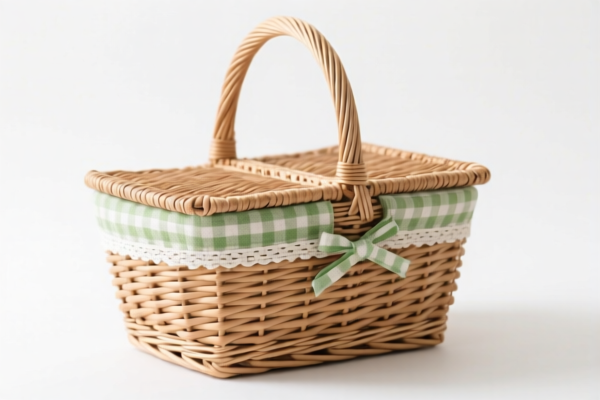
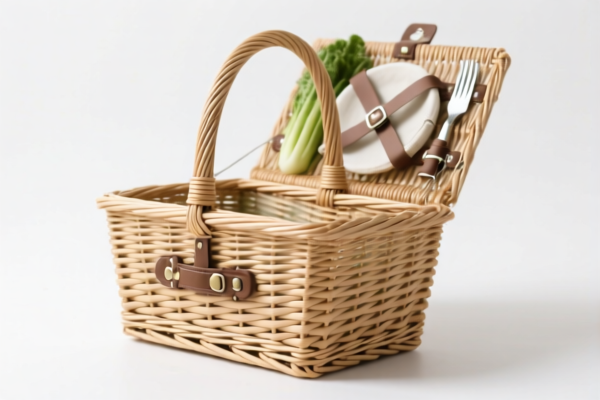
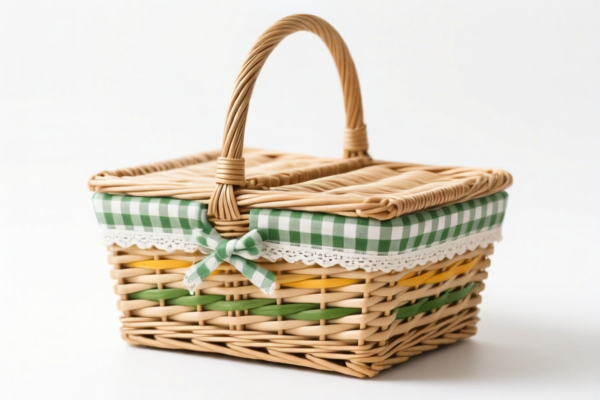
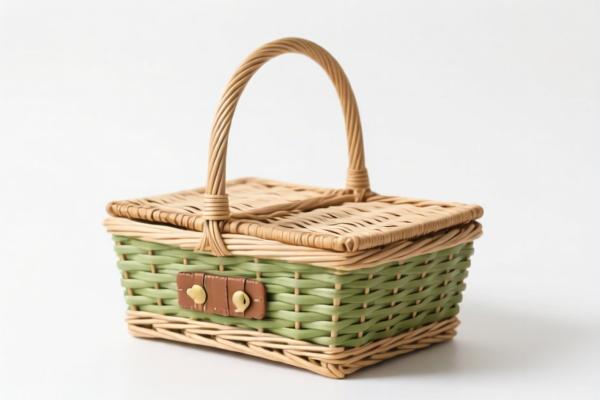
AI Analysis
🧺 Plant Fiber Woven Picnic Basket (Outdoor Vegetable Fiber Woven Mat/Basket)
🌐 HS Code Reference & Customs Clearance Guide | 2026 Latest Tariff Analysis | Professional Clearance Strategy
📌 I. Product Definition & Classification: Do You Know "Plant Fiber Woven Picnic Basket"?
A Plant Fiber Woven Picnic Basket (or outdoor woven mat) is typically crafted from natural vegetable fibers (such as bamboo, rattan, straw, or other agricultural by-products). In international trade, the classification depends heavily on the primary material, processing method, and final use.
Key Distinctions: * Plant Fiber Basis (Chapters 46): If made from bamboo, rattan, straw, or other vegetable plaiting materials → Often falls under Chapter 46 (Plaits and other products of plaiting materials). * Textile/Floor Covering Basis (Chapter 57): If the woven structure is thick, durable, and primarily used as a floor covering or mat → May fall under Chapter 57 (Carpets and other textile floor coverings). * Plastic/Synthetic Basis (Chapter 39): If the "fiber" is actually synthetic plastic strand or coated with plastic → May fall under Chapter 39 (Articles of plastics).
⚠️ Critical Classification Point:
- If the product is a basket for carrying goods, it leans towards Chapter 46 or 42.
- If the product is a flat mat for outdoor picnics/ground cover, it is often disputed between Chapter 46 (Woven Mats) and Chapter 57 (Textile Floor Coverings).
- Misclassification Risk: Importing as "Textile" when it's "Plant Fiber" (or vice versa) can lead to significant duty differences due to Section 301 and Section 122 tariffs.
📦 II. HS Code Classification Details (2026 Latest Tariff Authority Comparison)
Based on the provided data, here are the five potential HS Codes and their corresponding rationales:
| HS Code | Product Description | Rationale from Data |
|--------|--------------------------|
| 5705.00.20.90 | Outdoor Vegetable Fiber Woven Mat classified as Textile Floor Covering. | Fits the characteristics of "Other Carpets or Other Textile Floor Coverings." |
| 4601.21.40.00 | Outdoor Vegetable Fiber Woven Mat classified as Plant Fiber Woven Mat. | Fits the category of bamboo or plant material woven mats. |
| 3926.90.99.89 | Outdoor Vegetable Fiber Woven Mat classified as Plastic Product. | Fits attributes of synthetic fibers or plastic-coated items. |
| 5705.00.10.00 | Outdoor Vegetable Fiber Woven Mat classified as Natural Fiber Floor Covering. | Fits characteristics of coconut coir or similar natural fiber floor coverings. |
| 4601.29.60.00 | Outdoor Vegetable Fiber Woven Mat classified as Mat/Net Made of Plant Materials. | Fits the description of mats, pads, or nets made from vegetable plaiting materials for outdoor use. |
🔍 Key Insight:
The classification hinges on whether Customs views the item as a Textile (Ch 57), a Plant Plaiting (Ch 46), or a Plastic Article (Ch 39).
- Chapter 46 items are often seen as more "natural" and may have different base duties.
- Chapter 57 items are treated as textiles.
- Chapter 39 items are treated as plastics.
💰 III. 2026 Latest Tariff Rate Breakdown (Including Surcharges & Policy Add-ons)
✅ Applicable Country: USA (US)
✅ Origin: China (CN)
✅ Effective Date: Tariffs include base rates, Section 301 (25%), and Section 122 (10%) surcharges.
🎯 1. 5705.00.20.90 – Textile Floor Covering (Other Carpets)
| Item | Content |
|---|---|
| Base Tariff | 3.3% |
| Section 301 Surcharge | +25.0% |
| Section 122 Surcharge | +10.0% |
| Total Rate | 38.3% |
| Calculation | CIF Value × 38.3% |
| De Minimis Exemption | ❌ Not Eligible (High tariff items generally excluded from 800/2500 USD exemptions under current enforcement) |
| Legal Basis | Base Rate 3.3% + USITC Footnote 9903.88.01 (301) + IEEPA Section 122 |
📌 Explanation:
- Classified as a textile floor covering.
- Subject to all three tariffs: Base, 301, and 122.
🎯 2. 4601.21.40.00 – Plant Fiber Woven Mat (Bamboo/Plant Material)
| Item | Content |
|---|---|
| Base Tariff | 3.3% |
| Section 301 Surcharge | +25.0% |
| Section 122 Surcharge | +10.0% |
| Total Rate | 38.3% |
| Calculation | CIF Value × 38.3% |
| De Minimis Exemption | ❌ Not Eligible |
| Legal Basis | Base Rate 3.3% + USITC Footnote 9903.88.01 (301) + IEEPA Section 122 |
📌 Explanation:
- Classified as a plant fiber product.
- Interestingly, the total effective tax rate is identical to the textile classification in this dataset.
🎯 3. 3926.90.99.89 – Plastic Product (Synthetic Fiber/Plastic)
| Item | Content |
|---|---|
| Base Tariff | 5.3% |
| Section 301 Surcharge | +7.5% |
| Section 122 Surcharge | +10.0% |
| Total Rate | 22.8% |
| Calculation | CIF Value × 22.8% |
| De Minimis Exemption | ❌ Not Eligible |
| Legal Basis | Base Rate 5.3% + USITC Footnote for plastics + IEEPA Section 122 |
📌 Explanation:
- LOWEST TAX RATE among the options.
- Only subject to a 7.5% Section 301 surcharge (instead of 25%) and 10% Section 122.
- Strategy: If the product can be legitimately argued to have significant plastic content (e.g., coated, synthetic blend), this code offers significant savings (15.5% lower than others).
🎯 4. 5705.00.10.00 – Natural Fiber Floor Covering (Coconut Coir Type)
| Item | Content |
|---|---|
| Base Tariff | 0.0% |
| Section 301 Surcharge | +25.0% |
| Section 122 Surcharge | +10.0% |
| Total Rate | 35.0% |
| Calculation | CIF Value × 35.0% |
| De Minimis Exemption | ❌ Not Eligible |
| Legal Basis | Base Rate 0.0% + USITC Footnote 9903.88.01 (301) + IEEPA Section 122 |
📌 Explanation:
- Benefits from 0% Base Tariff but still hits the 25% 301 and 10% 122.
- Cheaper than the general textile/plant mat codes by 3.3%.
🎯 5. 4601.29.60.00 – Mat/Net of Plant Materials (Outdoor Use)
| Item | Content |
|---|---|
| Base Tariff | 4.8% |
| Section 301 Surcharge | +25.0% |
| Section 122 Surcharge | +10.0% |
| Total Rate | 39.8% |
| Calculation | CIF Value × 39.8% |
| De Minimis Exemption | ❌ Not Eligible |
| Legal Basis | Base Rate 4.8% + USITC Footnote 9903.88.01 (301) + IEEPA Section 122 |
📌 Explanation:
- HIGHEST TAX RATE in the dataset.
- High base tariff (4.8%) plus full 301 and 122 surcharges. Avoid this code unless specifically required by Customs for certain "net-like" structures.
🛠️ IV. Customs Clearance Practical Advice (Battle-Tested Pitfall Guide)
✅ 1. Required Documentation Checklist (Non-Negotiable)
| Document | Must Provide | Purpose |
|---|---|---|
| ✅ Product Specification Sheet | ✔️ | Detail material composition (e.g., % bamboo, % plastic coating). |
| ✅ Material Composition Declaration | ✔️ | Critical for distinguishing Ch 46 vs Ch 39. |
| ✅ Product Photos (Flat & 3D) | ✔️ | Show weave structure, backing (if any), and usage context. |
| ✅ Commercial Invoice | ✔️ | Clearly state "Plant Fiber Woven Mat" or "Picnic Basket." |
| ✅ Packing List | ✔️ | Ensure weight and dimensions match declaration. |
| ✅ FCC/RoHS Certificate | ✔️ | If claimed as plastic/synthetic (HS 3926), FCC may be required. |
✅ 2. Declaration Tips (Key Mnemonic)
🔥 "Material Defines Code, Plastic Saves Duty, Basket vs. Mat Matters!"
| Scenario | Recommended HS Code | Why? |
|---|---|---|
| Pure Natural Fiber (Bamboo/Straw) | 4601.21.40.00 or 4601.29.60.00 |
Fits Ch 46. Check weave type. |
| Textile-like Woven Mat | 5705.00.20.90 |
If used primarily as a floor covering. |
| Plastic-Coated/Synthetic Blend | 3926.90.99.89 |
Lowest Tax! Prove plastic content. |
| Coconut Coir Specific | 5705.00.10.00 |
If made specifically of coir fiber. |
⚠️ Warning:
- Do not simply declare as "Basket" without material details. Customs will reclassify.
- If the product is a basket with a lid and handles, it might fall under Ch 42 (Leather/Travel Goods) or Ch 46 (Plaiting), but the provided data only covers mat-like items. Ensure the description matches the "Mat/Floor Covering" logic if using the codes above.
✅ 3. Special Cases Handling
| Scenario | Handling Advice |
|---|---|
| Mixed Materials (e.g., Bamboo + Plastic Strip) | If plastic is >50% by weight/value, argue for Ch 39 (3926.90.99.89) to save 15.5% in duties. |
| Product Used for Picnic (Basket Shape) | If it has a rigid structure and handles, it may not fit "Floor Covering" codes. Consult Chapter 42 or 46 general provisions. The provided codes assume "Mat/Pad" characteristics. |
| Section 122 Tariff Impact | Remember, Section 122 (10%) applies to all these codes. It is unavoidable for Chinese-origin goods in this category. |
| De Minimis (De Minimis) Risk | With rates ranging from 22.8% to 39.8%, these items are high-value for tax. Attempting to split shipments to use de minimis exemptions is risky and may trigger audits. |
🌍 V. Global Main Market Customs Comparison (2026 Latest)
| Country/Region | Recommended HS Code (from Data) | Total Tax Rate (China Origin) | Certification Required | Notes |
|---|---|---|---|---|
| 🇺🇸 USA | 3926.90.99.89 (Plastic) |
22.8% | FCC, RoHS | Lowest tax. Best if plastic content can be proven. |
| 🇺🇸 USA | 4601.21.40.00 (Plant) |
38.3% | None specific | High tax. Common for pure bamboo mats. |
| 🇺🇸 USA | 5705.00.20.90 (Textile) |
38.3% | N/A | Same as plant fiber in this dataset. |
| 🇪🇺 EU | Varies (Ex-Ch 46/57) | ~0-5% + VAT | CE (if plastic) | Lower base tariffs, but strict sustainability docs. |
| 🇬🇧 UK | Varies | ~0-5% + VAT | UKCA (if plastic) | Post-Brexit rules apply. |
| 🇨🇳 China | Varies | 0-10% | CCC (if plastic) | No Section 301/122 tariffs. |
📌 Conclusion:
- USA Market: The difference between 22.8% (Plastic) and 39.8% (Plant/Textile) is significant.
- Strategy: If your product allows, optimize material composition to fit HS 3926.90.99.89 for maximum savings.
- Warning: Misdeclaring natural fiber as plastic to avoid tariffs is customs fraud. Ensure compliance.
📌 VI. Common Errors & Pitfall Guide (Blood-Tea Lessons)
❌ Error 1: Declaring a "Plastic-Coated Bamboo Mat" as 4601.21.40.00 (Plant Fiber).
👉 Consequence: If Customs tests and finds >50% plastic, they may reclassify to 3926.90.99.89 and issue a penalty for undervaluation or misclassification. However, if you correctly declare it as plastic, you pay less. The error is usually over-declaring base fiber when plastic is dominant.
👉 Fix: Be honest about material composition. If it's a plastic blend, declare it as plastic for lower duty.
❌ Error 2: Using "Basket" description for a "Mat" HS Code.
👉 Consequence: Customs may reject the clearance because a basket is not a floor covering.
👉 Fix: If it's a basket, ensure it fits Ch 46 general provisions. If it's a flat mat, use the provided HS Codes.
❌ Error 3: Ignoring Section 122 Tariff.
👉 Consequence: Underpaying duties by 10%.
👉 Fix: Always add 10% Section 122 to all Chinese-origin goods in these categories.
✅ Correct Practice:
"Outdoor Woven Mat, 100% Plastic-Coated Rattan Strands, PVC Base, Model XYZ, FCC Certified" → HS 3926.90.99.89
🎯 VII. Conclusion: Professional Declaration, Time-Saving, Cost-Reduction!
🎯 Remember the Mnemonic:
🔹 "Plastic Saves Duty, Plant/Textile Cost More!"
🔹 "Base 5.3% + 7.5% + 10% = 22.8% (Best Case)"
🔹 "Base 4.8% + 25% + 10% = 39.8% (Worst Case)"🔹 "HS Code Determines Life, Tax Rate Differs by 15%, One Step Wrong, Thousands Lost!"
📌 Pro Tip:
If your product is 100% Natural Fiber (no plastic), you are stuck with 38.3% - 39.8%.
Consider supply chain adjustment: If you can introduce a plastic backing or synthetic blend legitimately, you might qualify for HS 3926.90.99.89.
Consult a customs broker to analyze your specific product's material breakdown before declaring.
📣 Immediate Action:
📞 Contact a Professional Customs Broker + Provide Material Composition Data + Request Advance Ruling
🚀 Let Your Picnic Basket Clear Customs Smoothly, Efficiently, and Profitably!
✨ Professional Clearance Starts with Precise Classification!
💼 Every Penny of Your Cost Deserves to Be Calculated Precisely!
Customer Reviews
About HS Code Classification
The Harmonized System (HS) is an internationally standardized nomenclature developed by the World Customs Organization (WCO) to classify traded products. Over 200 countries use the HS system as the basis for customs tariffs, trade statistics, and import/export regulations.
Each HS code follows a hierarchical structure:
- Chapter (2 digits) — Broad category of goods (e.g., Chapter 84: Machinery and Mechanical Appliances)
- Heading (4 digits) — More specific grouping within the chapter
- Subheading (6 digits) — Internationally standardized breakdown, used by all WCO member countries
- National subdivisions (8-10 digits) — Country-specific extensions for further classification, such as US HTSUS 10-digit codes
Correct HS code classification is essential for smooth customs clearance, accurate duty payment, and compliance with trade regulations. Misclassification can lead to customs delays, overpayment of duties, or penalties.
When importing from CN to US, the applicable tariff rates may include:
- Most-Favored-Nation (MFN) rate — The standard duty rate applied to WTO members
- General rate — Applied to countries without trade agreements
- Trade remedy duties — Additional tariffs such as Section 301 (anti-dumping), Section 232 (national security), or countervailing duties
The information provided on this page is for reference purposes only. For official classification, please consult with your local customs authority or a licensed customs broker.