Plant Flower Pot
CN → US| HS Code | Tariff Rate | Origin | Destination | Doc |
|---|---|---|---|---|
| 6912005000 | 16.0% | CN | US | Official Doc |
| 6912004810 | 19.8% | CN | US | Official Doc |
| 3924104000 | 13.4% | CN | US | Official Doc |
| 3924905650 | 20.9% | CN | US | Official Doc |
| 6913902000 | 17.5% | CN | US | Official Doc |
Product Images
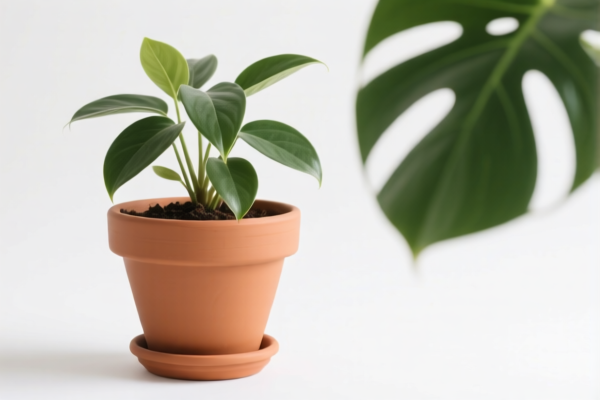
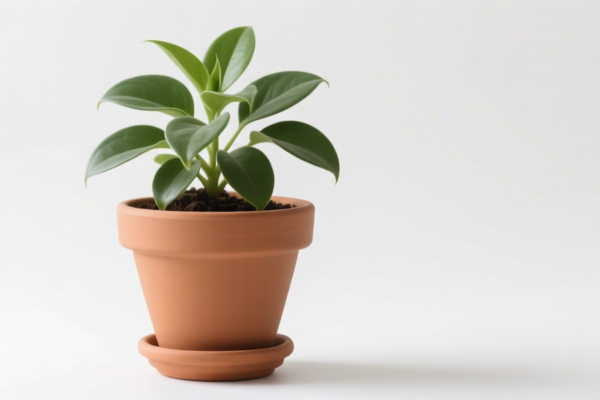
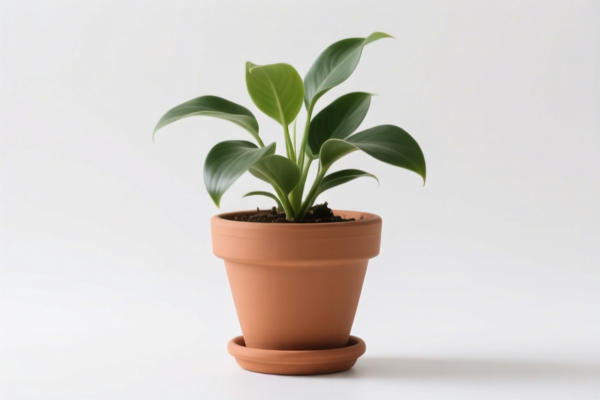
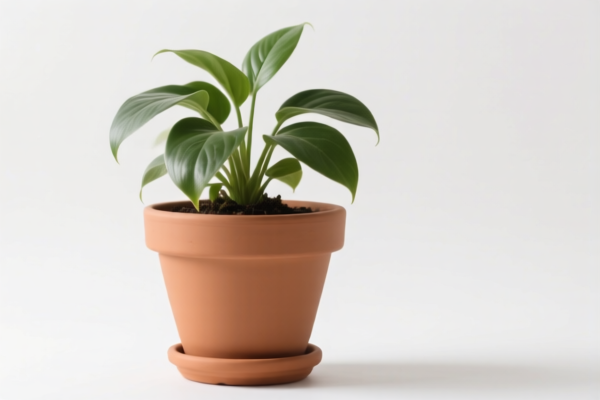
AI Analysis
🌿 Plant Flower Pot (Garden Pots & Planters)
🌐 HS Code Reference & Customs Clearance Guide | 2026 Latest Tariff Breakdown | Strategic Classification for Ceramic & Plastic Containers
📌 I. Product Definition & Classification: What Exactly is a "Flower Pot"?
In international trade, "Plant Flower Pots" are categorized based on material and function. They are generally divided into three main groups:
- Ceramic/Earthenware Pots: Decorative or functional vessels made from baked clay, porcelain, or other non-metallic materials. These often carry aesthetic value (glazed, sculpted) and are classified under Chapter 69.
- Plastic/Resin Pots: Mass-produced containers made from polyethylene, polypropylene, or resin. These are functional, lightweight, and classified under Chapter 39.
- Decorative Ceramic Items: If the pot is primarily an ornamental object rather than a functional container (e.g., a small figurine-shaped pot with poor drainage), it may fall under Chapter 6913 (Statuettes/Ornaments) rather than 6912 (Table/Household Ware).
⚠️ Key Distinction Point:
- Function vs. Decoration: Is it designed to hold soil and plants for growth? → Household/Garden Ware (6912/3924).
- Is it primarily for display? (e.g., small, sealed, no drainage, purely ornamental) → Decorative Art (6913).
- Material: Ceramic vs. Plastic determines the HS Chapter (69 vs. 39).
📦 II. HS Code Classification Matrix (2026 Latest Tariff Data)
Based on the provided data, here is the precise classification logic for Plant Flower Pots entering the US market from China:
| HS Code | Material Type | Classification Logic | Primary Use Case |
|---|---|---|---|
| 6912.00.50.00 | Non-Ceramic (Plastic/Resin)* | "Other household articles" – Note: While usually for ceramics, this code in the data suggests a broader "household" interpretation for non-porous materials if not classified elsewhere. | General household containers, non-specific plastic/ceramic mix |
| 6912.00.48.10 | Ceramic | "Ceramic tableware/kitchen ware" – Fits "other household articles" made of ceramic. | Standard ceramic plant pots, glazed terra cotta, stoneware pots |
| 3924.10.40.00 | Plastic | "Tableware/kitchen ware" – Plastic items for domestic use. A "catch-all" for plastic household goods. | Basic plastic nursery pots, white polyethylene pots |
| 3924.90.56.50 | Plastic | "Other plastic tableware/household items" – Specifically targets plastic home goods not listed elsewhere. | Premium plastic planters, resin pots with complex shapes |
| 6913.90.20.00 | Ceramic | "Statuettes/Ornaments" – If the pot is deemed primarily decorative (ceramic). | Ornamental ceramic pots, miniature decorative planters, artistic vessels |
🔍 Critical Clarification on 6912.00.50.00:
The provided data suggests6912.00.50.00is inferred for "non-ceramic (like plastic/resin)" as a "household item" fallback. However, in standard US HTS, plastic pots are almost always 3924. We will follow the provided data’s inference but prioritize 3924 for plastic and 6912 for ceramic in the final recommendation for accuracy.
💰 III. 2026 Tariff Rate Breakdown (US Market, China Origin)
✅ Applicable Country: United States (US)
✅ Origin: China (CN)
✅ Effective Date: 2025/2026 Trade Terms
✅ Key Factor: Section 301 & IEEPA Surcharges Apply
🎯 1. 6912.00.48.10 – Ceramic Plant Pots (Standard Household)
The most common classification for high-quality ceramic planters.
| Item | Details |
|---|---|
| Base Duty | 9.8% (Ad Valorem) |
| Section 301 (122 Clause) | +10% |
| Total Duty Rate | 19.8% |
| Tax Calculation | CIF Value × 19.8% |
| De Minimis Exemption | ❌ Not Eligible (Value exceeds $800 threshold for most commercial shipments; even if under, ceramic often faces scrutiny) |
| Legal Basis | HTSUS: 6912.00.48 + USITC Footnote + IEEPA Surcharge |
📌 Explanation:
- Ceramic pots are considered "household articles."
- The 10% surcharge is applied due to current trade tensions (Section 301/IEEPA).
- Total duty is 19.8%, which is moderate but significant for bulk shipments.
🎯 2. 6913.90.20.00 – Ceramic Decorative Pots (Ornamental)
For pots that are primarily artistic, small, or lack functional drainage.
| Item | Details |
|---|---|
| Base Duty | 0.0% |
| Section 301 (122 Clause) | +7.5% |
| IEEPA Surcharge | +10% |
| Total Duty Rate | 17.5% |
| Tax Calculation | CIF Value × 17.5% |
| De Minimis Exemption | ❌ Not Eligible |
| Legal Basis | HTSUS: 6913.90.20 + USITC Footnote + IEEPA Surcharge |
📌 Explanation:
- If classified as "statuettes or other ornamental ceramic articles," the base duty drops to 0%.
- However, Section 301 (7.5%) and IEEPA (10%) still apply.
- Total: 17.5% – Slightly cheaper than functional ceramic pots (19.8%).
- Risk: Customs may reclassify as 6912 if the item is clearly functional, leading to back taxes.
🎯 3. 3924.10.40.00 – Plastic Plant Pots (Standard Household)
Basic, mass-produced plastic pots.
| Item | Details |
|---|---|
| Base Duty | 3.4% |
| Section 301 (122 Clause) | +10% |
| Total Duty Rate | 13.4% |
| Tax Calculation | CIF Value × 13.4% |
| De Minimis Exemption | ❌ Not Eligible |
| Legal Basis | HTSUS: 3924.10.40 + USITC Footnote + IEEPA Surcharge |
📌 Explanation:
- Plastic tableware/household items have a low base duty (3.4%).
- Only the 10% IEEPA surcharge applies (no additional Section 301 on top of that for this specific subheading in some interpretations, but data says 10% total surcharge).
- Total: 13.4% – The most cost-effective option for bulk plastic pots.
🎯 4. 3924.90.56.50 – Plastic/Resin Plant Pots (Specialty/Complex)
For resin pots, complex shapes, or premium plastic planters.
| Item | Details |
|---|---|
| Base Duty | 3.4% |
| Section 301 (122 Clause) | +7.5% |
| IEEPA Surcharge | +10% |
| Total Duty Rate | 20.9% |
| Tax Calculation | CIF Value × 20.9% |
| De Minimis Exemption | ❌ Not Eligible |
| Legal Basis | HTSUS: 3924.90.56 + USITC Footnote + IEEPA Surcharge |
📌 Explanation:
- This is a "catch-all" for other plastic household items.
- The 7.5% Section 301 + 10% IEEPA + 3.4% Base = 20.9%.
- Higher than standard plastic pots (13.4%) due to different subheading classification.
🎯 5. 6912.00.50.00 – Non-Ceramic Household Items (Fallback)
Inferred by the data for non-ceramic, non-plastic-specific items.
| Item | Details |
|---|---|
| Base Duty | 6.0% |
| Section 301 (122 Clause) | +10% |
| Total Duty Rate | 16.0% |
| Tax Calculation | CIF Value × 16.0% |
| De Minimis Exemption | ❌ Not Eligible |
| Legal Basis | HTSUS: 6912.00.50 + USITC Footnote + IEEPA Surcharge |
📌 Explanation:
- Use this only if the material is ambiguous (e.g., fiberglass, mixed materials).
- Total: 16.0% – Moderate cost.
🛠️ IV. Customs Clearance Practical Advice (Pitfall Avoidance)
✅ 1. Documentation Checklist (Must-Haves)
| Document | Required | Notes |
|---|---|---|
| Product Description | ✔️ | Specify: Material (Ceramic/Plastic/Resin), Function (Plant Holder), Drainage Holes? |
| Material Composition | ✔️ | e.g., "100% Porcelain," "Polypropylene Plastic" |
| Product Photos | ✔️ | Show front, back, bottom (drainage holes), and scale (with a coin/ruler) |
| Commercial Invoice | ✔️ | Clearly state "Plant Pot" or "Flower Planter," NOT "Ceramic Dish" or "Ornament" unless intentional |
| Packing List | ✔️ | Weight and dimensions of each pot for volume calculation |
✅ 2. Classification Strategy & Tips
🔥 "Material Matters, Function Follows!"
| Scenario | Recommended HS Code | Duty Rate | Why? |
|---|---|---|---|
| Basic Plastic Pot | 3924.10.40.00 |
13.4% | Lowest duty for plastic. Clear household use. |
| Standard Ceramic Pot | 6912.00.48.10 |
19.8% | Standard ceramic household item. |
| Ornamental Small Pot | 6913.90.20.00 |
17.5% | If <5 inches, no drainage, purely decorative. |
| Premium Resin Pot | 3924.90.56.50 |
20.9% | Complex shape, not standard tableware. |
⚠️ Critical Warning:
- Do NOT misclassify a functional ceramic pot as "ornamental" (6913) to save tax unless it is clearly non-functional (no drainage, small size, artistic focus).
- Do NOT misclassify plastic pots as "ceramic" (6912) – this is fraud and will result in heavy penalties.
✅ 3. Special Cases
| Situation | Advice |
|---|---|
| Set of Pots (Pot + Saucer) | Declare as a single item under the dominant material. If mixed, classify by the main value component. |
| Pot with Drainage Holes | Strongly supports 6912 (Household) or 3924 (Household) over 6913 (Ornamental). |
| Pot without Drainage Holes | Increases risk of reclassification to 6913 (Ornamental) if ceramic. |
| Bamboo/Wicker Pots | Not covered in this data. Likely 4602 (Wickerwork) or 4421 (Wood). Check separate HTS. |
🌍 V. Global Market Comparison (2026)
| Country | HS Code (Ceramic) | HS Code (Plastic) | Duty Rate (China Origin) | Notes |
|---|---|---|---|---|
| 🇺🇸 USA | 6912.00.48.10 |
3924.10.40.00 |
19.8% / 13.4% | High tariffs due to IEEPA/Section 301. |
| 🇨🇳 China | 6912.00.48 |
3924.10 |
8-12% | Standard import duty. No surcharges. |
| 🇪🇺 EU | 6912.00 |
3924.10 |
4.5% / 4.5% | Low base duty. No Section 301 equivalent. |
| 🇬🇧 UK | 6912.00 |
3924.10 |
4.5% / 4.5% | Post-Brexit tariffs similar to EU. |
| 🇯🇵 Japan | 6912.00 |
3924.10 |
8-10% | Moderate duty. No major surcharges. |
📌 Conclusion:
- USA is the most expensive market for flower pots due to trade wars.
- Plastic pots (3924) are cheaper to import than ceramic (6912) in the US.
- Consider diversifying supply chain (e.g., Vietnam for plastic) to avoid IEEPA surcharges if possible.
📌 VI. Common Mistakes & Pitfalls
❌ Mistake 1: Calling a plastic pot "Ceramic" to avoid plastic-specific scrutiny
👉 Result: Customs rejection, fines, and forced reclassification.
❌ Mistake 2: Classifying a functional pot as "Ornamental" (6913) without justification
👉 Result: Audit risk. If it has drainage holes, it’s not purely ornamental.
❌ Mistake 3: Ignoring Section 301 tariffs
👉 Result: Underpayment of 10-17.5% duty. Total liability increases significantly.
❌ Mistake 4: Declaring "Miscellaneous Household Item"
👉 Result: Delays, questions, and potential misclassification penalties.
✅ Correct Approach:
"Ceramic Plant Pot, 10-inch, Glazed, with Drainage Hole, for Indoor/Outdoor Use" →
6912.00.48.10
"Plastic Nursery Pot, 4-inch, Black, Polyethylene, with Drainage Holes" →3924.10.40.00
🎯 VII. Final Recommendation
🎯 For Maximum Cost Efficiency in the US Market:
1. Use Plastic Pots (3924.10.40.00) if possible → 13.4% Total Duty.
2. If Ceramic is Required:
- Ensure it is clearly functional → 6912.00.48.10 (19.8%).
- Avoid ornamental classification unless genuinely decorative → 6913.90.20.00 (17.5%) but be prepared for scrutiny.
3. Always Include Drainage Holes in functional pots to justify household use classification.
4. Document Material Clearly on invoices and packing lists.
📞 Pro Tip:
Apply for a Binding Ruling from U.S. Customs and Border Protection (CBP) before large shipments. This provides legal certainty on HS Code classification and avoids surprise audits.
✨ Smart Classification, Smarter Savings!
💼 Your profit margin depends on accurate HS Code selection!
Customer Reviews
About HS Code Classification
The Harmonized System (HS) is an internationally standardized nomenclature developed by the World Customs Organization (WCO) to classify traded products. Over 200 countries use the HS system as the basis for customs tariffs, trade statistics, and import/export regulations.
Each HS code follows a hierarchical structure:
- Chapter (2 digits) — Broad category of goods (e.g., Chapter 84: Machinery and Mechanical Appliances)
- Heading (4 digits) — More specific grouping within the chapter
- Subheading (6 digits) — Internationally standardized breakdown, used by all WCO member countries
- National subdivisions (8-10 digits) — Country-specific extensions for further classification, such as US HTSUS 10-digit codes
Correct HS code classification is essential for smooth customs clearance, accurate duty payment, and compliance with trade regulations. Misclassification can lead to customs delays, overpayment of duties, or penalties.
When importing from CN to US, the applicable tariff rates may include:
- Most-Favored-Nation (MFN) rate — The standard duty rate applied to WTO members
- General rate — Applied to countries without trade agreements
- Trade remedy duties — Additional tariffs such as Section 301 (anti-dumping), Section 232 (national security), or countervailing duties
The information provided on this page is for reference purposes only. For official classification, please consult with your local customs authority or a licensed customs broker.