Plant Growth Regulator Containing Inorganic Substances in Retail Packaging
CN → US| HS Code | Tariff Rate | Origin | Destination | Doc |
|---|---|---|---|---|
| 3808997000 | 40.0% | CN | US | Official Doc |
| 3808932000 | 40.0% | CN | US | Official Doc |
| 3105100000 | 35.0% | CN | US | Official Doc |
| 3105900050 | 35.0% | CN | US | Official Doc |
| 3808594000 | 40.0% | CN | US | Official Doc |
Product Images
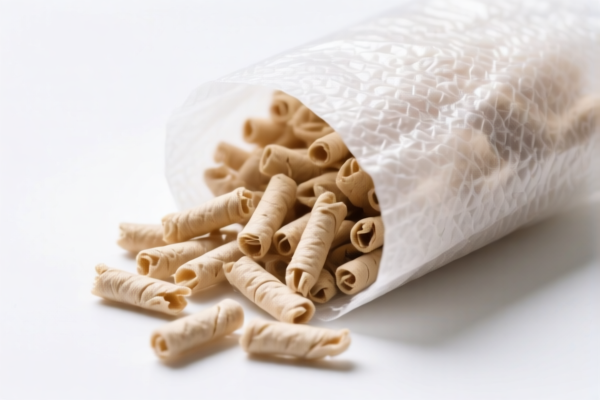
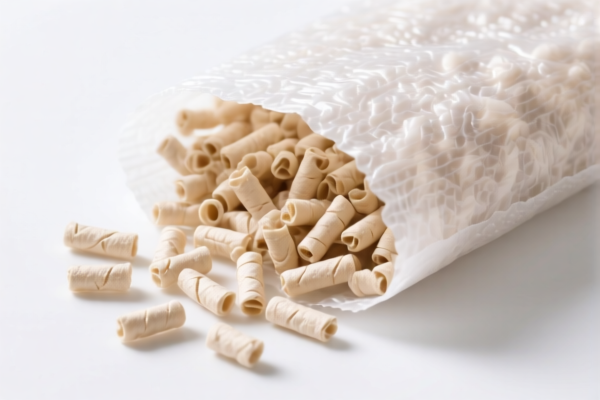
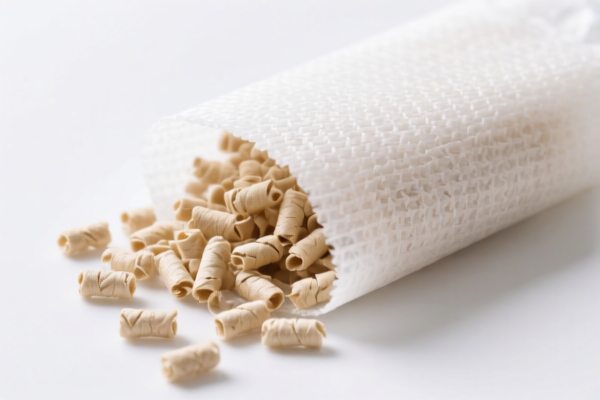
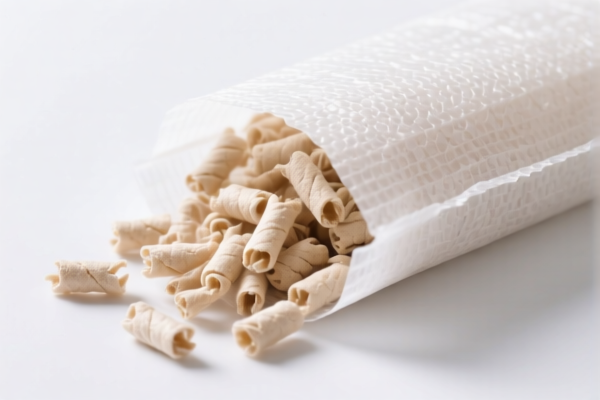
AI Analysis
🌱 Plant Growth Regulator Containing Inorganic Substances (Retail Packaging)
🌐 HS Code Reference & Customs Clearance Guide | 2026 Latest Tariff Analysis | Professional Clearance Strategy
📌 I. Product Definition & Classification: Do You Really Understand "Plant Growth Regulators"?
Plant growth regulators (PGRs) are chemicals used to influence the growth, development, and behavior of plants. In international trade, the classification of Retail-Packaged PGRs Containing Inorganic Substances depends heavily on the specific function, physical state, and chemical composition of the inorganic components.
The key distinction lies in whether the product is primarily classified as a pesticide/agrochemical (Chapter 38) or a fertilizer/nutrient (Chapter 31).
⚠️ Key Differentiation Points:
- If the primary function is regulating growth (e.g., rooting, flowering, ripening) via inorganic agents → Typically Chapter 38 (HS 3808).
- If the primary function is providing nutrition (N-P-K or micronutrients) to soil/plants → Typically Chapter 31 (HS 3105).
- Retail Packaging (<10kg or consumer-sized) often triggers specific "retail" subheadings or allows for "fall-back" categories.
📦 II. HS Code Classification Details (2026 Latest Tariff Authority Mapping)
Based on the provided data, here are the five most relevant HS Codes for Retail-Packaged Plant Growth Regulators Containing Inorganic Substances:
| HS Code | Product Description | Application Scenario | Key Characteristics |
|---|---|---|---|
3808.99.70.00 |
Retail-packaged plant growth regulators containing inorganic substances; usage and form match; contains inorganic matter. | Specialized agricultural chemicals for growth control | ✅ Inorganic content |
3808.93.20.00 |
Retail-packaged plant growth regulators containing inorganic substances; usage, form, and key material characteristics are fully consistent. | Standardized PGR products with specific inorganic profiles | ✅ Inorganic content |
3105.10.00.00 |
Retail-packaged plant growth regulators ≤10kg gross weight; contains inorganic substances; falls under the "catch-all" fertilizer category. | Small-pack PGRs/Fertilizers hybrids; weight ≤10kg | ✅ Weight ≤10kg |
3105.90.00.50 |
Retail-packaged plant growth regulators; inorganic substances meet fertilizer characteristics; falls under other "catch-all" categories. | Inorganic PGRs acting as plant nutrients/fertilizers | ✅ Fertilizer-like inorganic content |
3808.59.40.00 |
Retail-packaged inorganic disinfectants; usage is consistent; no material conflict. | Note: If the product acts as a disinfectant rather than a growth regulator, this applies. | ✅ Disinfectant use |
🔍 Critical Reminder:
-3808codes apply if the product is strictly a plant growth regulator (agrochemical).
-3105codes apply if the inorganic component is primarily nutritional (fertilizer-like) or if the gross weight is ≤10kg and it fits the "catch-all" definition.
-3808.59.40.00is a potential trap if the product is marketed as a disinfectant (e.g., soil sanitizers) rather than a growth promoter. Ensure the label matches the HS Code intent.
💰 III. 2026 Latest Tariff Rate Details (Including Additional Taxes & Policy Surcharges)
✅ Applicable Country: United States (US)
✅ Origin: China (CN)
✅ Effective Time: Post-November 2025 (Current Trade Environment)
🎯 1. HS Code 3808.99.70.00 & 3808.93.20.00 —— Plant Growth Regulators (Agrochemicals)
These two codes share identical tariff structures for inorganic PGRs in retail packaging.
| Item | Detail |
|---|---|
| Base Tariff | 5.0% (Ad Valorem) |
| Additional Tariff (Section 301) | +25.0% |
| 122 Clause Tariff | +10.0% |
| Total Effective Tax Rate | 40.0% |
| Tax Calculation | CIF Value × 40% |
| De Minimis Exemption Eligible? | ❌ No (Denied for Section 301/122 goods) |
| Legal Basis Path | HTSUS:3808.99.70.00 → Section 301: Footnote 9903.08.05 → Section 122: HTSUS Specifics |
📌 Explanation:
- The 5% base rate is the standard US MFN rate for other pesticides/insecticides/herbicides.
- The +25% is the standard Section 301 tariff on many chemical products from China.
- The +10% is the "122 Clause" tariff (often related to specific trade remedy or national security provisions).
- Total: 40%. This is a high-cost classification. Misclassifying this as a fertilizer (35%) could lead to severe penalties.
🎯 2. HS Code 3105.10.00.00 & 3105.90.00.50 —— Fertilizer/Catch-All Categories
If the product is deemed a fertilizer or fits the ≤10kg retail catch-all, the tax burden is slightly lower.
| Item | Detail |
|---|---|
| Base Tariff | 0.0% (Ad Valorem) |
| Additional Tariff (Section 301) | +25.0% |
| 122 Clause Tariff | +10.0% |
| Total Effective Tax Rate | 35.0% |
| Tax Calculation | CIF Value × 35% |
| De Minimis Exemption Eligible? | ❌ No |
| Legal Basis Path | HTSUS:3105.10.00.00 / 3105.90.00.50 → Section 301 → Section 122 |
📌 Explanation:
- The 0% base rate makes these codes attractive.
- However, the Section 301 (25%) and 122 Clause (10%) still apply, bringing the total to 35%.
- Savings: 5% compared to the3808codes.
- Risk: Customs may challenge this classification if the product is not primarily a fertilizer. Requires strong justification (e.g., nutrient label, NPK content).
🎯 3. HS Code 3808.59.40.00 —— Inorganic Disinfectants
⚠️ WARNING: Only use this if the product is a disinfectant (e.g., for seeds, soil, or equipment), NOT a plant growth regulator.
| Item | Detail |
|---|---|
| Base Tariff | 5.0% |
| Additional Tariff (Section 301) | +25.0% |
| 122 Clause Tariff | +10.0% |
| Total Effective Tax Rate | 40.0% |
| Tax Calculation | CIF Value × 40% |
📌 Explanation:
- Identical tax rate to the PGR codes (3808).
- Do not use this code for plant growth regulators. Misuse will lead to customs seizure or reclassification penalties.
🛠️ IV. Customs Clearance Practical Advice (Battle-Tested Pitfall Avoidance Guide)
✅ 1. Preparation Checklist (Non-Negotiable)
| Document | Mandatory? | Explanation |
|---|---|---|
| ✅ Product Specification Sheet | ✔️ | Must detail: Active ingredients (inorganic), % concentration, form (liquid/powder), and primary function (Regulator vs. Fertilizer vs. Disinfectant). |
| ✅ MSDS (Material Safety Data Sheet) | ✔️ | Required for hazardous chemical handling and customs inspection. |
| ✅ Label Photos (English & Chinese) | ✔️ | Must clearly state "Plant Growth Regulator" or "Fertilizer" as per HS Code. |
| ✅ Commercial Invoice | ✔️ | Must match the HS Code description exactly. |
| ✅ Packing List | ✔️ | Confirm Gross Weight (critical for 3105.10.00.00 ≤10kg rule). |
| ✅ Third-Party Test Report | ✔️ | Proof of inorganic content and absence of conflicting substances. |
✅ 2. Declaration Strategy (Key Mantra)
🔥 "Function Dictates Code, Weight Matters for 3105, Don't Mix PGR with Disinfectant!"
| Scenario | Correct HS Code | Incorrect Code | Consequence |
|---|---|---|---|
| PGR, Retail, Inorganic, Any Weight | 3808.99.70.00 or 3808.93.20.00 |
3105 |
Penalty: Customs reclassifies to 40% + fines. |
| PGR/Fertilizer, ≤10kg, Inorganic | 3105.10.00.00 |
3808 |
Savings: 35% vs 40%. Risk: Must prove fertilizer nature. |
| PGR/Fertilizer, >10kg, Inorganic | 3105.90.00.50 |
3808 |
Savings: 35% vs 40%. Risk: Must prove fertilizer nature. |
| Disinfectant, Retail, Inorganic | 3808.59.40.00 |
3808.99 |
Error: If mislabeled as PGR, customs will reject. |
✅ 3. Special Case Handling
| Situation | Recommendation |
|---|---|
| Gross Weight Exactly 10kg | For 3105.10.00.00, ensure gross weight is strictly ≤10kg. If 10.01kg, you may lose the 0% base rate and fall to 3105.90.00.50 (still 35%) or be scrutinized. |
| Mixed Packaging (PGR + Fertilizer) | If the product is a blend, customs may look at the primary function. If growth regulation is primary → 3808. If nutrition is primary → 3105. Provide lab analysis. |
| OEM/Private Label | Ensure the label matches the technical sheet. Discrepancies between "Label Says Fertilizer" and "Sheet Says PGR" will trigger an audit. |
| Origin Verification | Ensure the product is clearly marked "Made in China" to apply the correct Section 301/122 tariffs. |
🌍 V. Global Market Comparison (2026 Update)
| Country/Region | Recommended HS Code | Tariff Rate (China Origin) | Key Requirements | Notes |
|---|---|---|---|---|
| 🇺🇸 USA | 3808.99.70.00 / 3105.10.00.00 |
40% (PGR) or 35% (Fertilizer) | EPA Registration (if PGR) / Labeling Compliance | High tariff risk. No de minimis. |
| 🇨🇳 China | 3808.99 / 3105.90 |
5-13% (Import Duty) | Agricultural Import License | No Section 301/122. Lower cost. |
| 🇪🇺 EU | 3808.94 / 3105.90 |
0-6.5% | EU Fertilizing Products Regulation (FPR) | Stricter environmental labeling. |
| 🇬🇧 UK | 3808.94 / 3105.90 |
0-6.5% | UK PGR/Fertilizer Approval | Post-Brexit rules apply. |
| 🇦🇺 Australia | 3808.94 / 3105.90 |
5% | APVMA Registration (if PGR) | Strict chemical controls. |
📌 Conclusion:
- USA is the most expensive market due to the 40% total tariff on PGRs and 35% on fertilizers.
- EU/UK/AU have lower base duties but stricter regulatory hurdles (EPA in US vs APVMA/FPR in EU).
- Strategy: For the US market, classify as3105if legally defensible to save 5% (35% vs 40%). However, the risk of customs challenge is higher.
📌 VI. Common Mistakes & Pitfalls (Blood & Tears Lessons)
❌ Mistake 1: Declaring a Plant Growth Regulator as a General Fertilizer (3105) to save taxes.
👉 Consequence: Customs requests EPA documents. If EPA registration is missing, the shipment is held or destroyed.
👉 Lesson: Only use 3105 if the product is legally a fertilizer (NPK or nutrient-focused).
❌ Mistake 2: Ignoring the 122 Clause.
👉 Consequence: Declaring only Section 301 (25%) but missing the 122 Clause (10%) leads to underpayment and penalties upon audit.
👉 Lesson: Always add +10% for 122 Clause goods from China.
❌ Mistake 3: Mislabeling Disinfectants as PGRs.
👉 Consequence: If the product is a soil disinfectant, using 3808.99 is incorrect. Use 3808.59.40.00.
👉 Lesson: Match the function on the label to the HS Code description.
✅ Correct Declaration Example:
"Plant Growth Regulator, Retail Pack, Inorganic Base, Model XYZ, Gross Weight 5kg, EPA Reg #12345, Made in China"
🎯 VII. Conclusion: Precision Classification for Cost Efficiency
🎯 Remember the Mantra:
🔹 "PGR is 40%, Fertilizer is 35%, Don't Guess, Check the EPA!"
🔹 "HS Code Determines Tariff, 5% Saves Millions, Misclassification Costs Everything!"
📌 Pro Tip:
If your product can be argued as both a PGR and a Fertilizer, choose the 3105 classification but be prepared with technical justification (e.g., high nutrient content, primary benefit is nutrition) to withstand customs scrutiny.
Always file an Advance Ruling with US Customs and Border Protection (CBP) if the classification is ambiguous.
📣 Immediate Action:
📞 Contact a Licensed Customs Broker + Provide Product Label & SDS + Request CBP Advance Ruling
🚀 Clear Customs Smoothly, Reduce Tax Burden, Maximize Profit!
✨ Professional Customs Clearance Starts with Precise Classification!
💼 Every Percentage Point Counts in International Trade!
Customer Reviews
About HS Code Classification
The Harmonized System (HS) is an internationally standardized nomenclature developed by the World Customs Organization (WCO) to classify traded products. Over 200 countries use the HS system as the basis for customs tariffs, trade statistics, and import/export regulations.
Each HS code follows a hierarchical structure:
- Chapter (2 digits) — Broad category of goods (e.g., Chapter 84: Machinery and Mechanical Appliances)
- Heading (4 digits) — More specific grouping within the chapter
- Subheading (6 digits) — Internationally standardized breakdown, used by all WCO member countries
- National subdivisions (8-10 digits) — Country-specific extensions for further classification, such as US HTSUS 10-digit codes
Correct HS code classification is essential for smooth customs clearance, accurate duty payment, and compliance with trade regulations. Misclassification can lead to customs delays, overpayment of duties, or penalties.
When importing from CN to US, the applicable tariff rates may include:
- Most-Favored-Nation (MFN) rate — The standard duty rate applied to WTO members
- General rate — Applied to countries without trade agreements
- Trade remedy duties — Additional tariffs such as Section 301 (anti-dumping), Section 232 (national security), or countervailing duties
The information provided on this page is for reference purposes only. For official classification, please consult with your local customs authority or a licensed customs broker.