Plant Pots
CN → US| HS Code | Tariff Rate | Origin | Destination | Doc |
|---|---|---|---|---|
| 6912005000 | 16.0% | CN | US | Official Doc |
| 6912004810 | 19.8% | CN | US | Official Doc |
| 3924104000 | 13.4% | CN | US | Official Doc |
| 3924905650 | 20.9% | CN | US | Official Doc |
| 6913902000 | 17.5% | CN | US | Official Doc |
Product Images
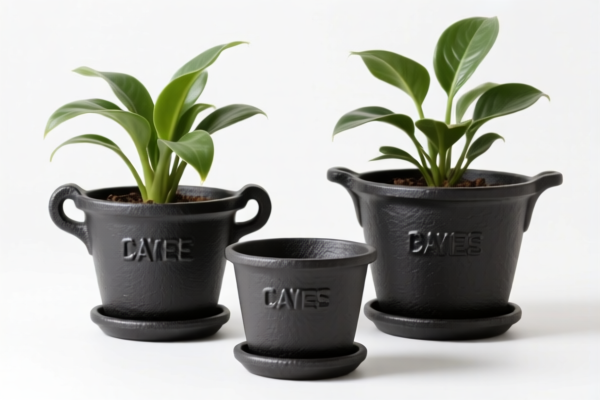
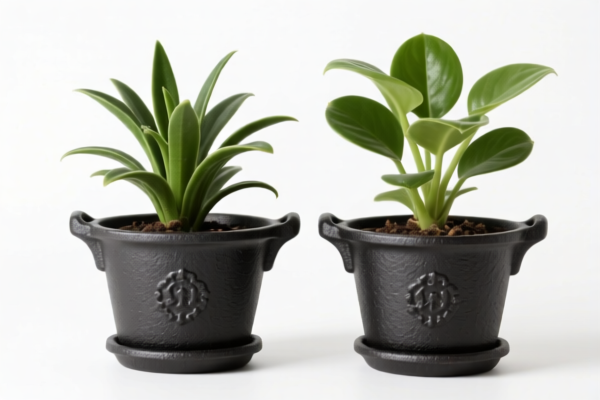
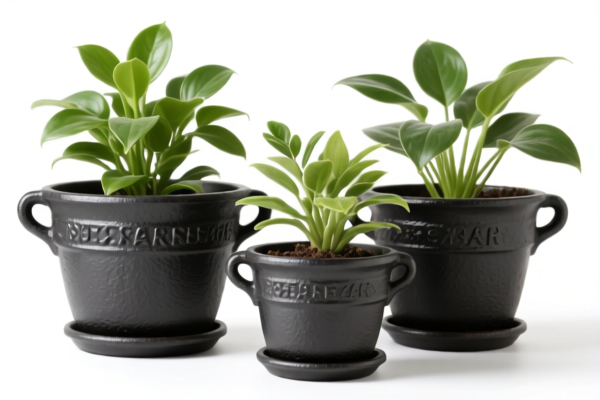
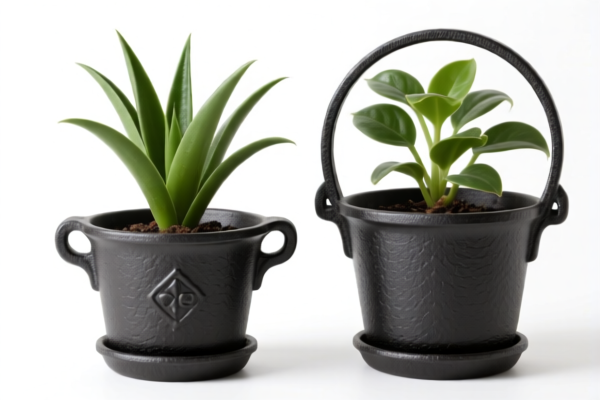
AI Analysis
🌿 Plant Pots (Flower Pots & Gardening Containers)
🌐 HS Code Reference & Clearance Guide | 2026 Latest Tariff Analysis | Professional Clearance Strategy 📌 Part I: Product Definition & Classification: Do You Really Understand "Plant Pots"?
Plant pots are the essential vessels for cultivating plants in residential, commercial, and agricultural settings. In international trade, their classification is highly sensitive to material composition. A minor difference in material (e.g., Ceramic vs. Plastic) can lead to significant differences in tariff rates due to additional trade measures (Section 301/122).
Key Distinction: - Ceramic/Earthenware Pots: Regarded as finished ceramic articles (Chapter 69). Often used for decoration or heavy-duty gardening. - Plastic/Resin Pots: Regarded as articles of plastic (Chapter 39). Typically used for mass-market, lightweight, or nursery purposes. - Non-Ceramic Household Goods: If the material is ambiguous but clearly non-ceramic and for household use, it may fall under general household goods (Chapter 39 or 69 depending on specific definition).
⚠️ Critical Compliance Point:
- If the pot is fired clay/ceramic → It falls under Chapter 69.
- If the pot is polymer/plastic → It falls under Chapter 39.
- Misclassification Risk: Declaring a ceramic pot as plastic to avoid higher tariffs is a common red flag for Customs. Evidence of material (density, firing marks, invoice description) is crucial.
📦 Part II: HS Code Classification Details (2026 Latest Tariff Authority Comparison)
Based on the provided data, here are the five potential classifications for Plant Pots, ranked by material logic and tax implication.
| HS Code | Product Description & Material Logic | Summary from Data | Total Tax Rate |
|---|---|---|---|
| 3924.10.40.00 | Plastic Tableware/Kitchenware (General Household Goods Logic) |
"Belongs to household items, fits the 'other household items' catch-all logic." | 13.4% |
| 6912.00.50.00 | Other Ceramic Tableware/Kitchenware (Non-Ceramic/Resin Inference?) |
"Inferred material is non-ceramic (e.g., plastic, resin), fitting 'other household items'." | 16.0% |
| 6913.90.20.00 | Statuettes & Other Ceramic Ornamental Articles (Ceramic Decor) |
"Material is ceramic, form fits ornaments/vessels. Fits 'other ceramic ornaments' logic." | 17.5% |
| 3924.90.56.50 | Other Plastic Household Articles (Plastic Home Use) |
"Inferred material is plastic, falls under 'other' category of plastic household items." | 20.9% |
| 6912.00.48.10 | Other Ceramic Tableware/Kitchenware (Ceramic Household) |
"Common sense infers ceramic or non-metal, fits 'other household items'." | 19.8% |
🔍 Observation:
- Lowest Rate:3924.10.40.00at 13.4% (Plastic Household Goods).
- Highest Rate:3924.90.56.50at 20.9% (Plastic Other).
- Ceramic Rates: Range from 17.5% to 19.8%, depending on whether it's classified as "Ornament" or "Household Item."
💰 Part III: 2026 Latest Tariff Rate Breakdown (Detailed Tax Clauses)
✅ Applicable Country: United States (US)
✅ Origin: China (CN)
✅ Context: Includes Base Tariff + Section 301/122 Additional Duties
🎯 1. 3924.10.40.00 —— Plastic Household Articles (Lowest Rate Candidate)
| Item | Detail |
|---|---|
| Base Tariff | 3.4% (ad valorem) |
| Additional Tariff (Sec 301) | 0.0% (List 4B exclusion or low-rate item) |
| 122 Clause Tariff | +10% (Specific to this subheading) |
| Total Effective Rate | 13.4% |
| Tax Calculation | CIF Value × 13.4% |
| De Minimis Exemption? | ❌ No (Value usually exceeds $800 threshold or is subject to specific trade rules for plastic goods from China) |
| Legal Path | 3924.10.40.00 → 122 Clause: +10% |
📌 Explanation:
This code applies if the pot is made of plastic but falls under "Tableware/Kitchenware" or general household plastic goods. The 10% add-on is significant, but the low base rate (3.4%) keeps it competitive.
🎯 2. 6912.00.50.00 —— Non-Ceramic Household Items (Misleading Code?)
| Item | Detail |
|---|---|
| Base Tariff | 6.0% (ad valorem) |
| Additional Tariff (Sec 301) | 0.0% |
| 122 Clause Tariff | +10% |
| Total Effective Rate | 16.0% |
| Tax Calculation | CIF Value × 16.0% |
| De Minimis Exemption? | ❌ No |
| Legal Path | 6912.00.50.00 → 122 Clause: +10% |
📌 Explanation:
Note: The data summary says "Inferred material is non-ceramic." This implies a classification where the HS code is for ceramic, but the item is declared as non-ceramic (e.g., resin). If the item is actually plastic, this code is risky and may be rejected by CBP if material evidence proves it's plastic. If it is truly resin/ceramic-like, it fits here.
🎯 3. 6912.00.48.10 —— Ceramic Household Items
| Item | Detail |
|---|---|
| Base Tariff | 9.8% (ad valorem) |
| Additional Tariff (Sec 301) | 0.0% |
| 122 Clause Tariff | +10% |
| Total Effective Rate | 19.8% |
| Tax Calculation | CIF Value × 19.8% |
| De Minimis Exemption? | ❌ No |
| Legal Path | 6912.00.48.10 → 122 Clause: +10% |
📌 Explanation:
Standard ceramic pots for household use. Higher base rate due to ceramic nature. The 10% add-on is uniform across these specific subheadings.
🎯 4. 6913.90.20.00 —— Ceramic Ornamental Articles
| Item | Detail |
|---|---|
| Base Tariff | 0.0% (ad valorem) |
| Additional Tariff (Sec 301) | +7.5% (Section 301 List 3/4 applicable) |
| 122 Clause Tariff | +10% |
| Total Effective Rate | 17.5% |
| Tax Calculation | CIF Value × 17.5% |
| De Minimis Exemption? | ❌ No |
| Legal Path | 6913.90.20.00 → Sec 301: +7.5% → 122 Clause: +10% |
📌 Explanation:
If the pot is ornamental (e.g., decorative garden statue with a hole), it falls here. Zero base tariff is offset by 7.5% Sec 301 duty, which is specific to ornamental ceramics.
🎯 5. 3924.90.56.50 —— Other Plastic Household Articles (Highest Rate)
| Item | Detail |
|---|---|
| Base Tariff | 3.4% (ad valorem) |
| Additional Tariff (Sec 301) | +7.5% |
| 122 Clause Tariff | +10% |
| Total Effective Rate | 20.9% |
| Tax Calculation | CIF Value × 20.9% |
| De Minimis Exemption? | ❌ No |
| Legal Path | 3924.90.56.50 → Sec 301: +7.5% → 122 Clause: +10% |
📌 Explanation:
Plastic pots classified as "Other" household goods. This incurs both the 7.5% Section 301 duty AND the 10% 122 Clause duty. Avoid this code if possible due to the highest total tax burden.
🛠️ Part IV: Clearance Practical Advice (Real-World Pitfall Guide)
✅ 1. Essential Documentation Checklist
| Document | Required? | Purpose |
|---|---|---|
| Product Specification Sheet | ✔️ | Must explicitly state Material (e.g., "Polypropylene," "Stoneware," "Ceramic"). |
| Material Composition Report | ✔️ | Lab test or supplier declaration confirming material % to prove it's not ceramic if claiming plastic codes. |
| Product Photos | ✔️ | Show texture, base markings (e.g., "Made in China," firing marks). |
| Commercial Invoice | ✔️ | Description must match HS Code logic (e.g., "Plastic Flower Pot" vs. "Ceramic Planter"). |
| Packaging List | ✔️ | Confirm quantity and weight. |
✅ 2. Classification Strategy (Key Takeaways)
🔥 "Material Determines Code, Code Determines Cost!"
| Scenario | Recommended HS Code | Why? |
|---|---|---|
| Cheapest Option | 3924.10.40.00 (13.4%) |
If pots are plastic and can be classified as general household tableware/household items. |
| Ceramic Standard | 6912.00.48.10 (19.8%) |
If pots are ceramic and used for general household gardening. |
| Decorative Ceramic | 6913.90.20.00 (17.5%) |
If pots are ornamental (statues, artistic designs) rather than functional. |
| Avoid This | 3924.90.56.50 (20.9%) |
Highest tax. Only use if no other "plastic" fit exists. |
| Risky/Confusing | 6912.00.50.00 (16.0%) |
Data summary suggests "non-ceramic" but code is for ceramic. High audit risk. Only use if resin/ceramic-like. |
✅ 3. Special Circumstances
| Situation | Advice |
|---|---|
| Mixed Materials (e.g., Ceramic pot with plastic saucer) | Split申报. Pot → Ceramic Code, Saucer → Plastic Code. Do not mix unless one is dominant. |
| OEM Custom Pots | Provide design drawings. If designed as "ornament," use 6913.90.20.00. If designed as "planter," use 6912 or 3924. |
| De Minimis (Section 321) | ❌ Not Applicable. These HS codes are subject to additional duties (122 Clause/Sec 301), which often block de minimis entry for Chinese goods. Must file formal entry. |
🌍 Part V: Global Market Comparison (2026 Update)
| Market | Typical HS for Plastic Pots | Typical HS for Ceramic Pots | Notes |
|---|---|---|---|
| 🇺🇸 USA | 3924.10.40.00 (13.4%) |
6912.00.48.10 (19.8%) |
High Additional Duties (122 Clause + Sec 301) make US imports expensive. |
| 🇨🇳 China | 3924.10.40.00 (0-3%) |
6912.00.48.10 (0-5%) |
Low import tariffs, no additional trade war duties. |
| 🇪🇺 EU | 3924.10.40.00 (0-5%) |
6912.00.48.10 (0-5%) |
No additional punitive tariffs, but high VAT. |
| 🇬🇧 UK | 3924.10.40.00 (0-5%) |
6912.00.48.10 (0-5%) |
Post-Brexit, no US-style Section 301 duties. |
📌 Conclusion:
- The US market is the most expensive due to the 10% 122 Clause and Section 301 duties.
- Plastic pots (3924.10.40.00) are more tax-efficient than Ceramic pots in the US if the material can be legitimately classified as plastic.
- Ceramic pots face a 7.5% Sec 301 surcharge if classified as ornamental (6913), making them competitive with plastic in some cases.
📌 Part VI: Common Errors & Pitfalls (Lessons Learned)
❌ Error 1: Declaring a Ceramic Pot as Plastic to get 13.4% tax.
👉 Consequence: CBP requests material test. If found to be ceramic, retroactive duty + penalty applies (19.8% + 122% on difference).
❌ Error 2: Using 6912.00.50.00 for Plastic pots.
👉 Consequence: The code description for 6912 is "Ceramic." Using it for plastic is a false classification. High risk of seizure or audit.
❌ Error 3: Ignoring the 122 Clause (+10%).
👉 Consequence: All these codes have a 10% add-on. Forgetting this leads to underpayment and IRS/CBP penalties.
❌ Error 4: Assuming De Minimis ($800) applies.
👉 Consequence: Many Chinese-origin goods subject to Section 301/122 are excluded from de minimis. Formal Entry Required.
✅ Correct Approach:
"Polypropylene Plastic Flower Pot, 10 inch, Green, Stackable, Model XYZ. Material: 100% PP. Intended for Household Use."
➡️ Target HS:3924.10.40.00
🎯 Part VII: Conclusion: Precision Saves Profit!
🎯 Remember the Mantra:
🔹 "Plastic First, Ceramic Last; 122 Clause Always Lasts."
🔹 "Check Material, Check Code; 10% Add-On is No Joke."
📌 Pro Tip:
If you are importing large volumes of plant pots into the US:
1. Get a Pre-Ruling (GBA) from CBP to confirm if your specific plastic pots qualify for 3924.10.40.00 vs 3924.90.56.50.
2. Consider sourcing non-Chinese origin (e.g., Vietnam, Thailand) if possible, as Section 301/122 duties may not apply, significantly reducing costs.
📣 Action Item:
📞 Contact your customs broker NOW.
📄 Submit material specifications for HS Code pre-approval.
🚀 Avoid costly misclassification and ensure smooth clearance!
✨ Professional Clearance Starts with Accurate Classification!
💼 Your Cost Efficiency Depends on the First 8 Digits of Your HS Code!
Customer Reviews
About HS Code Classification
The Harmonized System (HS) is an internationally standardized nomenclature developed by the World Customs Organization (WCO) to classify traded products. Over 200 countries use the HS system as the basis for customs tariffs, trade statistics, and import/export regulations.
Each HS code follows a hierarchical structure:
- Chapter (2 digits) — Broad category of goods (e.g., Chapter 84: Machinery and Mechanical Appliances)
- Heading (4 digits) — More specific grouping within the chapter
- Subheading (6 digits) — Internationally standardized breakdown, used by all WCO member countries
- National subdivisions (8-10 digits) — Country-specific extensions for further classification, such as US HTSUS 10-digit codes
Correct HS code classification is essential for smooth customs clearance, accurate duty payment, and compliance with trade regulations. Misclassification can lead to customs delays, overpayment of duties, or penalties.
When importing from CN to US, the applicable tariff rates may include:
- Most-Favored-Nation (MFN) rate — The standard duty rate applied to WTO members
- General rate — Applied to countries without trade agreements
- Trade remedy duties — Additional tariffs such as Section 301 (anti-dumping), Section 232 (national security), or countervailing duties
The information provided on this page is for reference purposes only. For official classification, please consult with your local customs authority or a licensed customs broker.