Planting Basket
CN → US| HS Code | Tariff Rate | Origin | Destination | Doc |
|---|---|---|---|---|
| 6305330080 | 25.9% | CN | US | Official Doc |
| 3923290000 | 38.0% | CN | US | Official Doc |
| 6305390000 | 25.9% | CN | US | Official Doc |
| 3923210095 | 38.0% | CN | US | Official Doc |
| 6305330080 | 25.9% | CN | US | Official Doc |
Product Images
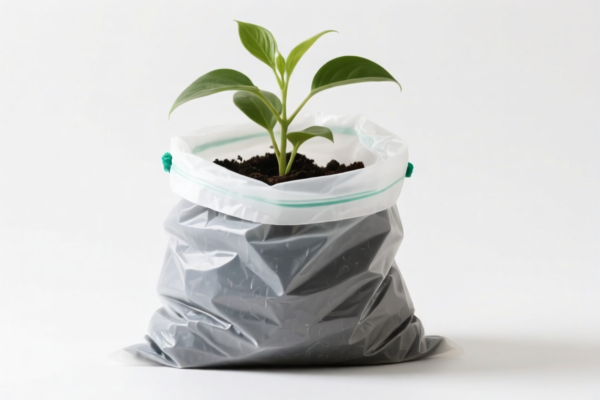
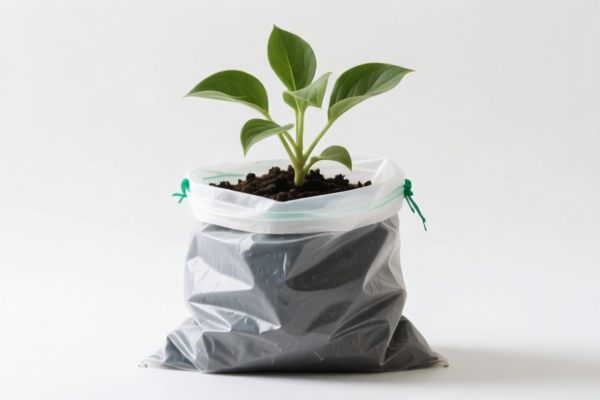
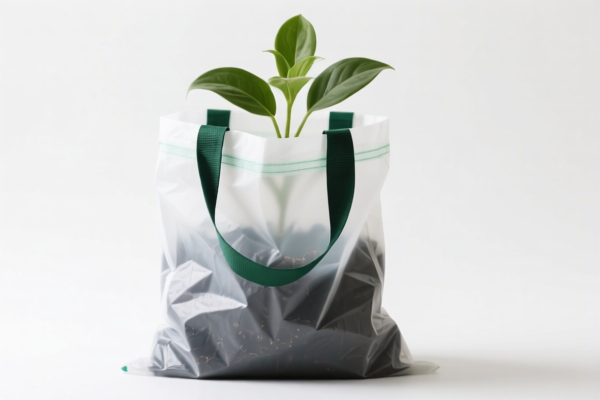
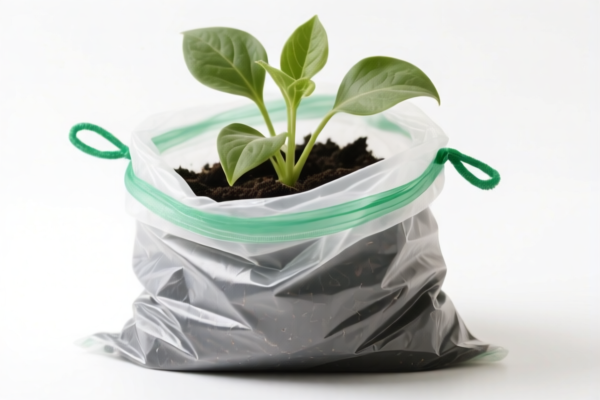
AI Analysis
🌱 Planting Basket (种植袋)
🌐 HS Code Classification & Tariff Guide | 2026 Latest Tariff Rules | Professional Customs Clearance Strategy
📌 One Product, Multiple Classifications — Why the Tax Varies So Much!
📦 1. Product Definition & Key Classification Points
A planting basket (种植袋) is a container used for growing plants, often made from textile, plastic, or synthetic materials. It's widely used in agriculture, landscaping, and urban gardening.
⚠️ Critical Question:
- Is it woven fabric (textile)? → HS Code 6305.33.00.80 or 6305.39.00.00
- Is it plastic or polymer-based? → HS Code 3923.29.00.00 or 3923.21.00.95
- Does it contain polyethylene or ethylene-based polymer? → HS Code 3923.21.00.95📌 Key Insight:
The material composition determines the HS Code — not the function!
A "planting basket" made of non-woven polyester ≠ one made of polyethylene film — different tariffs, same name!
📊 2. HS Code Classification Breakdown (2026 Latest Tariff Authority)
| HS Code | Product Description | Material Type | Tax Rate | Applicable When |
|---|---|---|---|---|
6305.33.00.80 |
Planting baskets made of textile materials (e.g., non-woven fabric, jute, cotton) | Textile-based | 25.9% | Used in organic farming, eco-friendly gardening |
3923.29.00.00 |
Planting baskets made of other plastic materials (e.g., PVC, PP, general plastic) | Plastic (non-polyethylene) | 38.0% | Common in commercial greenhouses |
6305.39.00.00 |
Planting baskets made of man-made fibers (e.g., polyester, nylon, PET) | Synthetic textile | 25.9% | High durability, reusable, industrial use |
3923.21.00.95 |
Planting baskets made of ethylene polymers (e.g., LDPE, HDPE, polyethylene film) | Polyethylene (PE) | 38.0% | Most common in mass production, low-cost use |
🔍 Important Note:
- Same product name, different materials → different HS Codes & tax rates
- Do NOT assume “planting basket” = one HS Code. Material is king!
💰 3. 2026 Tariff Breakdown (U.S. Market, China Origin)
✅ Applicable Country: United States (US)
✅ Origin: China (CN)
✅ Effective Date: November 10, 2025 (including all subsequent imports)
🎯 1. 6305.33.00.80 — Textile-Based Planting Baskets
| Item | Detail |
|---|---|
| Base Duty | 8.4% (ad valorem) |
| Section 301 (USITC) Additional Duty | +7.5% |
| Section 122 (IEEPA) Emergency Duty | +10.0% |
| Total Effective Duty | 25.9% |
| Tax Calculation | CIF Value × 25.9% |
| De Minimis Exemption? | ❌ No (denied) |
| Legal Basis Path | IEEPA:9903.01.25 → IEEPA:9903.01.24 → USITC:6305.33.00.80 → FOOTNOTE:9903.88.01 |
📌 Explanation:
- USITC 7.5% = 301 Tariff on Chinese goods under Section 301 (Trade Act of 1974)
- IEEPA 10% = International Emergency Economic Powers Act — applies to China-origin goods since 2025
- Total = 25.9% — moderate but still high for textile products
🎯 2. 3923.29.00.00 — Plastic-Based Planting Baskets (Non-Polyethylene)
| Item | Detail |
|---|---|
| Base Duty | 3.0% |
| Section 301 (USITC) Additional Duty | +25.0% |
| Section 122 (IEEPA) Emergency Duty | +10.0% |
| Total Effective Duty | 38.0% |
| Tax Calculation | CIF Value × 38.0% |
| De Minimis Exemption? | ❌ No |
| Legal Basis Path | IEEPA:9903.01.25 → IEEPA:9903.01.24 → USITC:3923.29.00.00 → FOOTNOTE:9903.88.01 |
📌 Why So High?
- 25% USITC tariff applies to all plastic goods from China under 301 list
- 10% IEEPA on top — total 38%
- Even if base duty is low, the additional tariffs dominate
🎯 3. 6305.39.00.00 — Man-Made Fiber Planting Baskets (Synthetic Textile)
| Item | Detail |
|---|---|
| Base Duty | 8.4% |
| Section 301 (USITC) Additional Duty | +7.5% |
| Section 122 (IEEPA) Emergency Duty | +10.0% |
| Total Effective Duty | 25.9% |
| Tax Calculation | CIF Value × 25.9% |
| De Minimis Exemption? | ❌ No |
| Legal Basis Path | IEEPA:9903.01.25 → IEEPA:9903.01.24 → USITC:6305.39.00.00 → FOOTNOTE:9903.88.01 |
📌 Note:
- Same as 6305.33.00.80 — same tax rate
- Man-made fibers (like polyester) are treated identically to textile under U.S. tariff rules
🎯 4. 3923.21.00.95 — Ethylene Polymer Planting Baskets (Polyethylene)
| Item | Detail |
|---|---|
| Base Duty | 3.0% |
| Section 301 (USITC) Additional Duty | +25.0% |
| Section 122 (IEEPA) Emergency Duty | +10.0% |
| Total Effective Duty | 38.0% |
| Tax Calculation | CIF Value × 38.0% |
| De Minimis Exemption? | ❌ No |
| Legal Basis Path | IEEPA:9903.01.25 → IEEPA:9903.01.24 → USITC:3923.21.00.95 → FOOTNOTE:9903.88.01 |
📌 Critical Insight:
- Polyethylene (PE) is classified under 3923.21.00.95, not general plastic
- Same 38% rate as other plastic baskets — no relief
- Even if it’s thin film or biodegradable PE, tariff still applies
🛠️ 4. Customs Clearance Best Practices (Pro Tips to Avoid Penalties)
✅ 1. Must-Have Documentation (Don’t Skip!)
| Document | Required? | Why It Matters |
|---|---|---|
| ✅ Product Material Certificate | ✔️ | Prove if it’s textile, PE, or other plastic |
| ✅ Technical Drawing / Sample Photos | ✔️ | Show structure, thickness, weave, material |
| ✅ Commercial Invoice | ✔️ | Must state: “Planting Basket, [Material], for Agricultural Use” |
| ✅ Bill of Lading (B/L) | ✔️ | Proves shipment details |
| ✅ Certificate of Origin (CO) | ✔️ | If from Vietnam/Mexico, may qualify for IEEPA exemption |
| ✅ Test Report (e.g., ASTM, ISO) | ✔️ | For durability, flammability, biodegradability |
✅ 2.申报技巧(申报口诀)
🔥 “材料定税,拆分要命,名称精准,税率差12点!”
| Scenario | Correct HS Code | Wrong Practice | Risk |
|---|---|---|---|
| Made of non-woven polyester | 6305.39.00.00 |
Claim as “plastic” → 38% | Overpay 12.1% |
| Made of LDPE film | 3923.21.00.95 |
Claim as “textile” → 25.9% | Underpay → audit risk |
| One basket + 100 units | One entry | Split into 100 shipments | De Minimis violation → penalties |
| Mixed materials (e.g., PE + fabric) | Classify by dominant material | Split申报 | Customs will reject |
✅ 3. Special Cases & Solutions
| Situation | Recommended Action |
|---|---|
| Biodegradable PE basket | Still 3923.21.00.95 — no tariff relief |
| OEM/Custom Design | Provide design specs + material proof to avoid misclassification |
| Used in U.S. Greenhouse Farms | Can apply for "Agricultural Use" exemption — contact U.S. Customs |
| Export from Vietnam/Mexico | IEEPA exemption applies → 0% tariff if origin is non-China |
| High-volume shipments | Apply for Advance Ruling (Pre-Ruling) — lock in HS Code & tariff |
🌍 5. Global Market Tariff Comparison (2026)
| Country | Recommended HS Code | Tariff | Certification | Notes |
|---|---|---|---|---|
| 🇺🇸 USA (China origin) | 6305.39.00.00 / 3923.21.00.95 |
25.9% – 38.0% | None | No de minimis |
| 🇨🇳 China | 6305.39.00.00 / 3923.21.00.95 |
5% | CCC | No extra duties |
| 🇪🇺 EU | 6305.39.00.00 |
0% (if CE) | CE | No 301/IEEPA |
| 🇦🇺 Australia | 6305.39.00.00 |
5% | RCM | No extra duties |
| 🇯🇵 Japan | 6305.39.00.00 |
0% | PSE | No additional tariffs |
📌 Key Takeaway:
- Only the U.S. applies 301 + IEEPA tariffs
- China and EU are much friendlier — consider shifting origin if exporting to U.S.
🚨 6. Common Mistakes & Real-World Pitfalls (Learn from Others’ Failures)
❌ Mistake 1: Calling a polyethylene planting basket “textile” to get 25.9% instead of 38%
👉 Result: Customs rejects, fines, delayed shipment, reclassification
❌ Mistake 2: Splitting 1,000 units into 1,000 shipments to avoid de minimis
👉 Result: De Minimis violation → penalty up to 100% of duty
❌ Mistake 3: Not providing material proof — only saying “planting bag”
👉 Result: Customs assumes worst-case → 38% tariff applied
❌ Mistake 4: Using “plastic bag” as product name
👉 Result: Misclassified as 3923.21.00.95 → 38% tax even if it’s textile
✅ Correct Way to Describe:
“Non-woven Polyester Planting Basket, 20cm x 30cm, for Urban Gardening, Reusable, Biodegradable, Model ABC-123”
🎯 7. Final Verdict: Know Your Material, Control Your Tax!
🎯 Remember the Golden Rule:
🔹 "Material Defines HS Code, HS Code Defines Tax — One mistake, 12% extra cost!"
🔹 "If it’s PE, it’s 38%. If it’s textile, it’s 25.9%. No exceptions!"
📌 Pro Tip:
🚀 Apply for an Advance Ruling (Pre-Ruling) before shipping!
✅ Lock in the correct HS Code
✅ Avoid reclassification, fines, and delays
✅ Save thousands in tax on large shipments
📣 Act Now!
📞 Contact a licensed U.S. customs broker + provide material proof + photos
🚀 Get HS Code pre-approval — protect your profit margin!
✨ Smart Export Starts with Smart Classification!
💼 Your next shipment could save you 12% — if you get the HS Code right!
Customer Reviews
About HS Code Classification
The Harmonized System (HS) is an internationally standardized nomenclature developed by the World Customs Organization (WCO) to classify traded products. Over 200 countries use the HS system as the basis for customs tariffs, trade statistics, and import/export regulations.
Each HS code follows a hierarchical structure:
- Chapter (2 digits) — Broad category of goods (e.g., Chapter 84: Machinery and Mechanical Appliances)
- Heading (4 digits) — More specific grouping within the chapter
- Subheading (6 digits) — Internationally standardized breakdown, used by all WCO member countries
- National subdivisions (8-10 digits) — Country-specific extensions for further classification, such as US HTSUS 10-digit codes
Correct HS code classification is essential for smooth customs clearance, accurate duty payment, and compliance with trade regulations. Misclassification can lead to customs delays, overpayment of duties, or penalties.
When importing from CN to US, the applicable tariff rates may include:
- Most-Favored-Nation (MFN) rate — The standard duty rate applied to WTO members
- General rate — Applied to countries without trade agreements
- Trade remedy duties — Additional tariffs such as Section 301 (anti-dumping), Section 232 (national security), or countervailing duties
The information provided on this page is for reference purposes only. For official classification, please consult with your local customs authority or a licensed customs broker.