Planting Pot
CN → US| HS Code | Tariff Rate | Origin | Destination | Doc |
|---|---|---|---|---|
| 6914908000 | 40.6% | CN | US | Official Doc |
| 4421999880 | 38.3% | CN | US | Official Doc |
| 3926909940 | 22.8% | CN | US | Official Doc |
| 6914108000 | 44.0% | CN | US | Official Doc |
| 4421919880 | 38.3% | CN | US | Official Doc |
Product Images
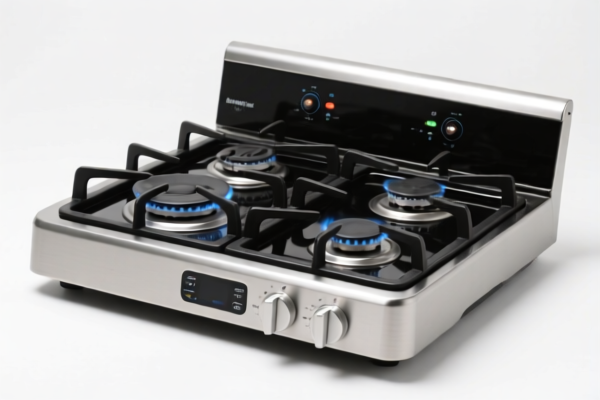
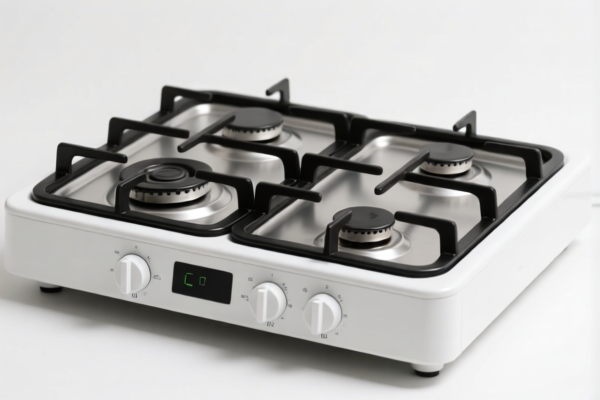
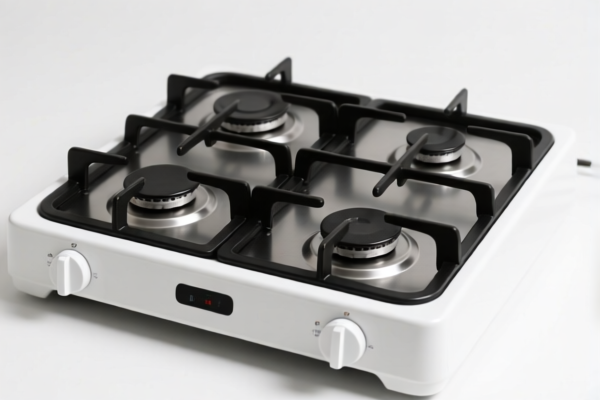

AI Analysis
🌱 Planting Pots (Garden Planters & Grow Baskets)
🌐 HS Code Reference & Customs Clearance Guide | 2026 Latest Tariff Analysis | Professional Clearance Strategy
📌 I. Product Definition & Classification: What exactly is a "Planting Pot"?
In international trade, "Planting Pots" are not a single commodity but a category defined strictly by material composition. Customs authorities classify these items based on the primary raw material used, which drastically affects the tariff burden due to ongoing US-China trade tensions.
The product typically falls into three main material categories: 1. Ceramic/Porcelain: Fired clay products, glazed or unglazed. 2. Wood/Bamboo: Carved or assembled wooden or bamboo structures. 3. Plastic: Molded polyethylene, polypropylene, or other polymer baskets.
⚠️ Key Classification Point:
- The HS Code is determined first and foremost by material.
- Misclassification leads to severe penalties, delays, and unexpected tax spikes.
- Ceramic and Wood pots face significantly higher duties than Plastic pots due to Section 301 and IEEPA tariffs.
📦 II. HS Code Classification Matrix (2026 Latest Tariff Data)
Based on the provided data, here are the five specific HS Codes and their corresponding tax structures for Planting Pots/Grow Baskets.
| HS Code | Material Inference | Category Description | Total Tax Rate |
|---|---|---|---|
| 6914.90.80.00 | Ceramic | Ceramic Articles: Other (Basket-like/Ceramic Wares) | 40.6% |
| 4421.99.98.80 | Wood | Wood Articles: Other (Basket-like/Wooden Wares) | 38.3% |
| 3926.90.99.40 | Plastic | Plastic Articles: Other (Basket-like/Plastic Wares) | 22.8% |
| 6914.10.80.00 | Ceramic | Ceramic Articles: Other (Ceramic Wares - Catch-all) | 44.0% |
| 4421.91.98.80 | Bamboo/Wood | Wood Articles: Bamboo Products (Bamboo Wares) | 38.3% |
🔍 Critical Analysis:
- Plastic (3926...) offers the lowest tax burden at 22.8%.
- Ceramic (6914...) and Wood/Bamboo (4421...) suffer from high tariffs ranging from 38.3% to 44.0%.
- Note the distinction between 6914.90 and 6914.10: Both are ceramic, but 6914.10 carries a higher base duty (9.0% vs 5.6%), resulting in a higher total effective rate.
💰 III. 2026 Latest Tariff Breakdown (Detailed Tax Clause Explanation)
✅ Applicable Country: United States (US)
✅ Origin: China (CN)
✅ Effective Date: Current (Post-2025 Trade Measures)
🎯 1. Plastic Planting Pots
HS Code: 3926.90.99.40
Summary: Based on plastic material inference, classified under "Other plastic articles."
| Item | Detail |
|---|---|
| Base Tariff | 5.3% |
| Section 301 Additional Tariff | +7.5% |
| IEEPA Section 122 Tariff | +10.0% |
| Total Effective Rate | 22.8% |
| Tax Calculation | CIF Value × 22.8% |
| De Minimis Exemption | ❌ No (Subject to strict scrutiny) |
📌 Explanation:
- Base (5.3%): Standard Most Favored Nation (MFN) rate for plastic household articles.
- Section 301 (7.5%): This is the standard retaliatory tariff on many Chinese goods. Note: Many plastic items have faced 25%, but this specific basket code is listed at 7.5% in the provided data.
- IEEPA 122 (10%): Specific additional tariff imposed on Chinese imports.
- Result: 22.8% is the most competitive option among the three materials.
🎯 2. Ceramic Planting Pots (Standard Basket Type)
HS Code: 6914.90.80.00
Summary: Based on ceramic material inference, classified under "Other ceramic articles."
| Item | Detail |
|---|---|
| Base Tariff | 5.6% |
| Section 301 Additional Tariff | +25.0% |
| IEEPA Section 122 Tariff | +10.0% |
| Total Effective Rate | 40.6% |
| Tax Calculation | CIF Value × 40.6% |
| De Minimis Exemption | ❌ No |
📌 Explanation:
- Base (5.6%): Standard rate for ceramic wares.
- Section 301 (25%): Ceramic gardenware is typically hit with the maximum 25% tariff.
- IEEPA 122 (10%): Additional 10% on top.
- Result: 40.6% total duty. High cost impact on margins.
🎯 3. Ceramic Planting Pots (Catch-all Category)
HS Code: 6914.10.80.00
Summary: Based on ceramic material inference, classified under "Other ceramic articles" (Catch-all).
| Item | Detail |
|---|---|
| Base Tariff | 9.0% |
| Section 301 Additional Tariff | +25.0% |
| IEEPA Section 122 Tariff | +10.0% |
| Total Effective Rate | 44.0% |
| Tax Calculation | CIF Value × 44.0% |
| De Minimis Exemption | ❌ No |
📌 Warning:
- This code has a higher base rate (9.0%) than6914.90.80.00.
- Avoid this code unless your product specifically matches the description of this subheading. It results in the highest tax burden (44.0%).
🎯 4. Wooden Planting Baskets
HS Code: 4421.99.98.80
Summary: Based on wood material inference, classified under "Other wood articles."
| Item | Detail |
|---|---|
| Base Tariff | 3.3% |
| Section 301 Additional Tariff | +25.0% |
| IEEPA Section 122 Tariff | +10.0% |
| Total Effective Rate | 38.3% |
| Tax Calculation | CIF Value × 38.3% |
| De Minimis Exemption | ❌ No |
📌 Explanation:
- Low base rate (3.3%) is wiped out by the high 25% Section 301 tariff.
- Total 38.3% is significantly cheaper than the worst-case ceramic option but still expensive compared to plastic.
🎯 5. Bamboo Planting Baskets
HS Code: 4421.91.98.80
Summary: Based on bamboo material inference, classified under "Other bamboo products."
| Item | Detail |
|---|---|
| Base Tariff | 3.3% |
| Section 301 Additional Tariff | +25.0% |
| IEEPA Section 122 Tariff | +10.0% |
| Total Effective Rate | 38.3% |
| Tax Calculation | CIF Value × 38.3% |
| De Minimis Exemption | ❌ No |
📌 Note:
- Bamboo is treated similarly to wood in this tariff matrix.
- 38.3% total duty. Same as wooden pots.
🛠️ IV. Customs Clearance Practical Advice (Risk Mitigation)
✅ 1. Material Verification is Critical
- Action: Ensure your supplier provides a Material Declaration Letter.
- Why: If you declare a pot as "Plastic" (22.8%) but customs finds it contains 10% ceramic coating or wooden inserts, they may reclassify it as Ceramic (40.6%+), leading to back taxes + penalties.
- Tip: For mixed-material pots (e.g., Plastic pot with a Wooden tray), the essential character (what holds the soil/plant) dictates the classification. Usually, the pot itself dominates.
✅ 2. Naming Conventions for Clearance
- Bad Description: "Flower Pot" (Vague, leads to arbitrary classification).
- Good Description:
- For Plastic: "Plastic Grow Basket, Molded Polyethylene, for Indoor/Outdoor Planting" → 3926.90.99.40
- For Ceramic: "Glazed Ceramic Planter, Garden Use, Drainage Holes" → 6914.90.80.00
- For Wood: "Bamboo Woven Plant Basket, Handmade" → 4421.91.98.80
✅ 3. Cost Optimization Strategy
| Strategy | Impact |
|---|---|
| Switch to Plastic | Saves ~18% in duties compared to Ceramic (22.8% vs 40.6%). |
| Avoid "Catch-all" Ceramic | 6914.10.80.00 (44%) is 3.4% more expensive than 6914.90.80.00 (40.6%). Ensure proper classification. |
| Wood/Bamboo Middle Ground | If plastic quality is unacceptable, Wood/Bamboo (38.3%) is slightly cheaper than Ceramic (40.6%). |
🌍 V. Global Market Comparison (2026 Overview)
| Market | Likely HS Code | Est. Duty (China Origin) | Note |
|---|---|---|---|
| 🇺🇸 USA | Varies by Material | 22.8% – 44.0% | High tariffs due to Section 301 & IEEPA. Plastic is most cost-effective. |
| 🇪🇺 EU | 6914 / 4421 / 3926 | 0% – 6.5% | No Section 301 tariffs. Standard MFN rates apply. Ceramic often 6.5%. |
| 🇨🇳 China (Import) | Varies | 5% – 10% | Lower tariffs for raw materials, higher for finished goods. |
| 🇨🇦 Canada | Varies | 0% – 6.5% | CUSMA allows duty-free for qualified Canadian content. |
📌 Conclusion for US Importers:
The US market imposes a heavy penalty on Chinese-origin garden ware. Plastic planting pots (HS 3926.90.99.40) are the most tariff-efficient option. Ceramic and Wood products face punitive tariffs exceeding 38%.
📌 VI. Common Mistakes & Pitfalls
❌ Mistake 1: Declaring all "Planting Pots" under one HS Code.
👉 Consequence: If the batch contains mixed materials, customs will audit and apply the highest applicable tariff.
👉 Solution: Separate shipments by material or declare clearly.
❌ Mistake 2: Ignoring the "Basket" vs. "Pot" distinction in Ceramic codes.
👉 Consequence: Using 6914.10.80.00 (44%) when 6914.90.80.00 (40.6%) is more accurate for basket-style pots.
👉 Solution: Review product design. Is it a traditional pot or an open-weave basket?
❌ Mistake 3: Assuming "De Minimis" ($800) exemption applies.
👉 Consequence: False. These items are subject to Section 301 and IEEPA tariffs, which generally waive the de minimis exemption for China-origin goods.
👉 Solution: Factor tax into all B2B and B2C pricing.
🎯 VII. Conclusion: Strategic Sourcing & Compliance
🎯 Key Takeaway:
Material Dictates Margin.
- Plastic: 22.8% (Best for Cost)
- Wood/Bamboo: 38.3% (Mid-Range)
- Ceramic: 40.6% – 44.0% (Highest Cost)
✅ Recommended Action Plan:
1. Confirm Material: Get exact % composition from suppliers.
2. Select HS Code: Match material to the specific HS Code above.
3. Calculate Landed Cost: Add Total Tax % to CIF value.
4. Document: Keep product photos and material specs ready for CBP audit.
📣 Immediate Step:
If you are importing Ceramic or Wooden pots, consider switching to High-Quality Plastic alternatives for the US market to save 15-20% in duties. For European markets, material choice is less critical for tax purposes.
✨ Professional Clearance Starts with Accurate Classification!
💼 Don't Let Hidden Tariffs Erode Your Profit!
Customer Reviews
About HS Code Classification
The Harmonized System (HS) is an internationally standardized nomenclature developed by the World Customs Organization (WCO) to classify traded products. Over 200 countries use the HS system as the basis for customs tariffs, trade statistics, and import/export regulations.
Each HS code follows a hierarchical structure:
- Chapter (2 digits) — Broad category of goods (e.g., Chapter 84: Machinery and Mechanical Appliances)
- Heading (4 digits) — More specific grouping within the chapter
- Subheading (6 digits) — Internationally standardized breakdown, used by all WCO member countries
- National subdivisions (8-10 digits) — Country-specific extensions for further classification, such as US HTSUS 10-digit codes
Correct HS code classification is essential for smooth customs clearance, accurate duty payment, and compliance with trade regulations. Misclassification can lead to customs delays, overpayment of duties, or penalties.
When importing from CN to US, the applicable tariff rates may include:
- Most-Favored-Nation (MFN) rate — The standard duty rate applied to WTO members
- General rate — Applied to countries without trade agreements
- Trade remedy duties — Additional tariffs such as Section 301 (anti-dumping), Section 232 (national security), or countervailing duties
The information provided on this page is for reference purposes only. For official classification, please consult with your local customs authority or a licensed customs broker.