Plastic Anti Static Table Covers
CN → US| HS Code | Tariff Rate | Origin | Destination | Doc |
|---|---|---|---|---|
| 3920200055 | 39.2% | CN | US | Official Doc |
| 5903102010 | 35.0% | CN | US | Official Doc |
| 3920100000 | 39.2% | CN | US | Official Doc |
| 5903102090 | 35.0% | CN | US | Official Doc |
| 3921905050 | 39.8% | CN | US | Official Doc |
Product Images
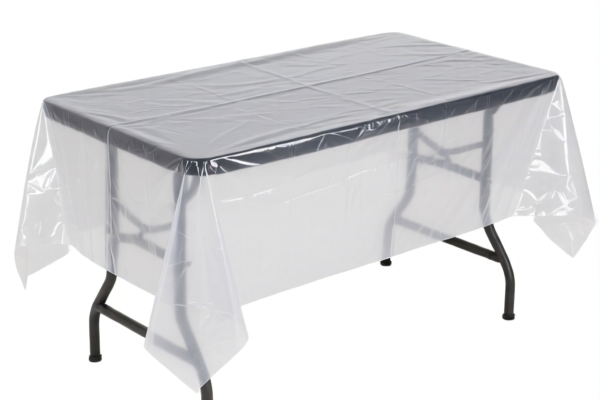

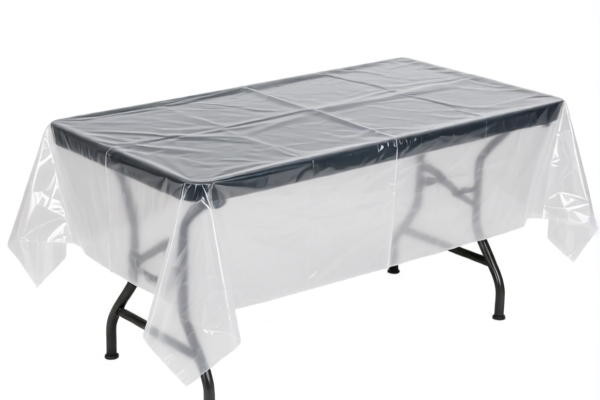
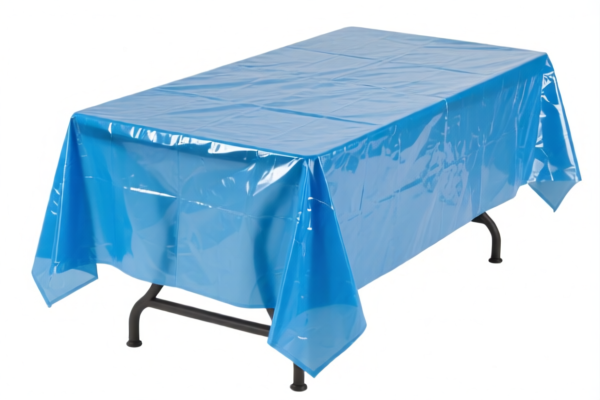
AI Analysis
🖥️ Plastic Anti-Static Table Covers (塑料抗静电桌布/覆盖物)
🌐 HS Code Reference & Customs Clearance Guide | 2026 Latest Tariff Analysis | Professional Clearance Strategy
📌 I. Product Definition & Classification: What Exactly Are "Anti-Static Table Covers"?
Plastic anti-static table covers are specialized industrial or commercial table linings designed to dissipate static electricity, primarily used in electronics manufacturing, cleanrooms, laboratories, or high-precision assembly lines. Unlike standard decorative tablecloths, these are functional technical textiles or plastic films with specific electrostatic properties.
In international trade, they are strictly categorized based on their primary material (Polypropylene vs. PVC/Other Polymers) and structure (Plain Plastic Sheet vs. Textile Fabric Impregnated with Plastic).
⚠️ Key Distinction:
- If the product is a solid plastic sheet/film (even if labeled "anti-static" or "table cover") → It falls under Chapter 39 (Plastics).
- If the product is a textile fabric (woven/knitted) that is impregnated, coated, or laminated with plastic (even if the plastic provides the anti-static function) → It falls under Chapter 59 (Impregnated Textiles).
- "Table Cover" is a functional description, NOT a classification criterion. Customs classifies by material and manufacturing process.
📦 II. HS Code Classification Details (2026 Latest Tariff Authoritative Comparison)
Based on your product input and the provided data, here are the four most likely HS Codes depending on the specific material composition:
| HS Code | Product Description | Applicable Scenario | Material Structure | Tax Category |
|---|---|---|---|---|
3920.20.00.55 |
Plastic table cover, Material: Polypropylene (PP), Form: Sheet, film, foil, strip | Pure PP plastic sheet, no textile backing. Often used for industrial static control. | Pure Plastic (Chapter 39) | 39.2% |
5903.10.20.10 |
Plastic table cover, Textile fabric impregnated/coated/laminated with plastics | Fabric base (e.g., polyester/nylon) with a plastic coating that provides static control. | Plastic-Impregnated Textile (Chapter 59) | 35.0% |
3920.10.00.00 |
Plastic table cover, Material: Ethylene Polymers (e.g., PE), Form: Sheet/film | Pure PE (Polyethylene) plastic sheet. Less common for anti-static than PP, but possible. | Pure Plastic (Chapter 39) | 39.2% |
5903.10.20.90 |
Plastic table cover, Polyvinyl Chloride (PVC) or other plastics impregnating textile fabric | PVC-coated fabric table covers. Common in hospitality or industrial settings. | PVC-Impregnated Textile (Chapter 59) | 35.0% |
3921.90.50.50 |
Anti-static plastic board, Material: Plastic, Form: Board | Note: This code is for "Plastic Boards," not flexible covers. Only applicable if the product is rigid and not a flexible sheet/cover. | Rigid Plastic Board | 39.8% |
🔍 Critical Analysis:
- Why not all 39.2%? If your "table cover" is made of woven fabric coated with PVC (common in commercial settings), it is NOT pure plastic. It must be classified under 5903.10.20.90 (35.0%), saving you 4.2% in base duty.
- Why not 35.0%? If your product is a solid sheet of Polypropylene (PP) or Polyethylene (PE) without any textile weave, it CANNOT use the 5903 codes. It must be 3920.20.00.55 or 3920.10.00.00 (39.2%).
- Avoid3921.90.50.50unless the product is a rigid board. Flexible table covers are sheets/films, not boards. Misclassification here can lead to severe penalties.
💰 III. 2026 Latest Tariff Rate Breakdown (Including Additional Duties & Policy Surcharges)
✅ Applicable Country: United States (US)
✅ Origin: China (CN)
✅ Effective Date: 2025/2026 (Includes subsequent imports)
✅ All Rates Include: Base Tariff + Section 301 (25%) + Section 122/IEEPA (10%)
🎯 1. Pure Plastic Sheets (Chapter 39)
Codes: 3920.20.00.55 (PP) & 3920.10.00.00 (PE)
Total Tax: 39.2%
| Item | Detail |
|---|---|
| Base Tariff | 4.2% (ad valorem) |
| Section 301 Surcharge | +25.0% (China Origin) |
| Section 122 / IEEPA Surcharge | +10.0% (China Origin) |
| Total Effective Rate | 39.2% |
| Tax Calculation | CIF Value × 39.2% |
| De Minimis Exemption | ❌ NOT Eligible (Deny De Minimis) |
| Legal Basis Path | USITC:3920.20.00.55 → Footnote:301 → IEEPA:122 |
📌 Explanation:
- Pure plastic products from China face the highest combined duty because they are classified as manufactured plastic goods.
- The 4.2% base rate is standard for plastic sheets.
- The 35% additional tax (25% + 10%) is mandatory and non-negotiable for China-origin goods.
🎯 2. Plastic-Impregnated Textiles (Chapter 59)
Codes: 5903.10.20.10 (General Plastic) & 5903.10.20.90 (PVC)
Total Tax: 35.0%
| Item | Detail |
|---|---|
| Base Tariff | 0.0% (ad valorem) |
| Section 301 Surcharge | +25.0% (China Origin) |
| Section 122 / IEEPA Surcharge | +10.0% (China Origin) |
| Total Effective Rate | 35.0% |
| Tax Calculation | CIF Value × 35.0% |
| De Minimis Exemption | ❌ NOT Eligible (Deny De Minimis) |
| Legal Basis Path | USITC:5903.10.20.90 → Footnote:301 → IEEPA:122 |
📌 Explanation:
- The base tariff is 0% for many impregnated textiles, which significantly reduces the total burden compared to pure plastics.
- However, you cannot use this if the product is not a textile. Customs will inspect the structure. If it's a solid film, you will be reassigned to Chapter 39 (39.2%).
- Savings: Choosing the correct textile code can save you 4.2% on every shipment.
🛠️ IV. Customs Clearance Practical Advice (Combat Pitfalls Guide)
✅ 1. Preparation Checklist (Essential Documents)
| Document | Required? | Purpose |
|---|---|---|
| ✅ Product Specification Sheet | YES | Must clearly state: Material (PP/PVC/Fabric), Thickness, Width, Length, and Static Dissipation Rating (e.g., Surface Resistance <10^9 ohms). |
| ✅ Material Composition Report | YES | Critical for distinguishing between Chapter 39 (Plastic) and Chapter 59 (Textile). Include % of textile vs. plastic. |
| ✅ Product Photos (Unfolded & Rolled) | YES | Show texture. Is it woven fabric? Or smooth plastic film? This is the #1 reason for customs queries. |
| ✅ Commercial Invoice | YES | Description must be precise: "Polypropylene Anti-Static Sheet, Not Textile" OR "PVC-Coated Polyester Fabric Table Cover." Do not just write "Table Cover." |
| ✅ Packing List | YES | Clarify if items are bundled, rolled, or boxed. |
| ✅ Third-Party Test Report | Recommended | Static control test report (ASTM D257 or similar) to prove "Anti-Static" claim, though this does not change HS Code, it supports product integrity. |
✅ 2. Declaration Strategy (Key Mantra)
🔥 "Material Dictates Code, Structure Decides Truth, Name Must Match Fact!"
| Scenario | Correct Declaration | Incorrect Declaration | Consequence |
|---|---|---|---|
| Pure PP Film | "Polypropylene Plastic Sheet, Anti-Static, Not Fabric" | "Anti-Static Table Cover" | Risk of being classified as textile if ambiguous → Penalty. |
| PVC-Coated Fabric | "PVC-Coated Polyester Fabric, Anti-Static" | "Plastic Table Cover" | Risk of being classified as pure plastic (39.2%) → Higher Tax. |
| Rigid Board | "Anti-Static Plastic Board" | "Table Cover" | Code 3921.90.50.50 (39.8%) applies only if rigid. |
📌 Warning:
- Do NOT declare as "Textile Tablecloth" if it has plastic coating.
- Do NOT declare as "Plastic Film" if it is woven fabric.
- Accuracy is paramount. Customs can perform physical inspection to verify material structure.
✅ 3. Special Circumstances Handling
| Situation | Handling Advice |
|---|---|
| Mixed Packaging | If shipping both pure plastic sheets and coated fabrics, declare separately. Do not mix in one line item. |
| OEM/Private Label | Ensure the supplier provides the Material Composition Certificate. If the supplier is vague ("Plastic Composite"), you may be forced to the higher 39.2% rate. |
| Anti-Static Claim | While "Anti-Static" doesn't change HS Code, it may require additional safety compliance (e.g., no flammability issues). Ensure product meets US fire safety standards if used in public/commercial spaces. |
🌍 V. Global Market Clearance Comparison (2026 Latest)
| Country/Region | Recommended HS Code | Total Tax (China Origin) | Key Certification | Note |
|---|---|---|---|---|
| 🇺🇸 USA | 3920.20.00.55 or 5903.10.20.90 |
39.2% (Plastic) / 35.0% (Textile) | None specific for table covers | High duties due to 301 & 122 tariffs. |
| 🇨🇳 China | 3920.20.00.55 or 5903.10.20.90 |
Varies (5-10%) | None | No additional US-style surcharges. |
| 🇪🇺 EU | 3920 or 5903 |
0-6.5% | REACH Compliance | No Section 301 tariffs. Check REACH for chemical substances. |
| 🇦🇺 Australia | 3920 or 5903 |
5-10% | ACMA (if electronic) | No major surcharges. |
📌 Conclusion:
- USA is the most expensive market due to cumulative tariffs.
- EU is the most cost-effective if REACH compliance is met.
- For US imports, optimizing HS Code to Chapter 59 (if applicable) can save 4.2% immediately.
📌 VI. Common Errors & Pitfalls (Lessons Learned)
❌ Error 1: Declaring a PVC-coated fabric as "Plastic Sheet" (3920)
👉 Result: You pay 39.2% instead of 35.0%. You overpay 4.2% on every shipment.
👉 Fix: Provide fabric structure evidence (weave, yarn type).
❌ Error 2: Declaring a pure PP plastic sheet as "Textile" (5903)
👉 Result: Customs rejects the declaration, conducts inspection, and reclassifies to 3920. You pay 39.2% + demurrage/storage fees.
👉 Fix: Be honest about material. If it's plastic, declare plastic.
❌ Error 3: Using vague description "Table Cover"
👉 Result: Customs uses discretion. Often defaults to the highest risk category or requires extensive documentation.
👉 Fix: Use precise descriptions: "Polypropylene Anti-Static Film" or "PVC-Coated Polyester Fabric."
✅ Correct Declaration Example:
"Polypropylene (PP) Anti-Static Plastic Sheet, Non-Textile, For Industrial Table Use, Roll Form, 0.5mm Thick"
OR
"PVC-Coated Polyester Woven Fabric, Anti-Static, For Table Cover Use, 1.2mm Thick"
🎯 VII. Conclusion: Professional Declaration, Cost Optimization!
🎯 Remember the Mantra:
🔹 "Plastic Sheet? Go 3920. Textile Coated? Go 5903. Name Matters, Material Rules!"
🔹 "4.2% Savings Possible? Check if it's Fabric! Don't Let Vague Names Cost You Profit!"
📌 Pro Tip:
If you are exporting to the US, consider Supply Chain Diversification. Products originating from Vietnam, Malaysia, or Thailand may qualify for lower or zero Section 301 tariffs (depending on current rules and substantial transformation criteria). Consult a trade attorney for Rule of Origin analysis.
📣 Immediate Action:
📞 Contact your customs broker with material composition details.
📄 Prepare test reports showing surface resistance (anti-static property).
🚀 Optimize your HS Code selection to ensure you are not overpaying 4.2% unnecessarily!
✨ Professional Clearance Starts with Accurate Classification!
💼 Every Percent Saved is Pure Profit!
Customer Reviews
About HS Code Classification
The Harmonized System (HS) is an internationally standardized nomenclature developed by the World Customs Organization (WCO) to classify traded products. Over 200 countries use the HS system as the basis for customs tariffs, trade statistics, and import/export regulations.
Each HS code follows a hierarchical structure:
- Chapter (2 digits) — Broad category of goods (e.g., Chapter 84: Machinery and Mechanical Appliances)
- Heading (4 digits) — More specific grouping within the chapter
- Subheading (6 digits) — Internationally standardized breakdown, used by all WCO member countries
- National subdivisions (8-10 digits) — Country-specific extensions for further classification, such as US HTSUS 10-digit codes
Correct HS code classification is essential for smooth customs clearance, accurate duty payment, and compliance with trade regulations. Misclassification can lead to customs delays, overpayment of duties, or penalties.
When importing from CN to US, the applicable tariff rates may include:
- Most-Favored-Nation (MFN) rate — The standard duty rate applied to WTO members
- General rate — Applied to countries without trade agreements
- Trade remedy duties — Additional tariffs such as Section 301 (anti-dumping), Section 232 (national security), or countervailing duties
The information provided on this page is for reference purposes only. For official classification, please consult with your local customs authority or a licensed customs broker.