Plastic Anti slip Sports Shoes
CN → US| HS Code | Tariff Rate | Origin | Destination | Doc |
|---|---|---|---|---|
| 3926909989 | 22.8% | CN | US | Official Doc |
| 6402191520 | 22.6% | CN | US | Official Doc |
| 6402191541 | 22.6% | CN | US | Official Doc |
| 6404112060 | 20.5% | CN | US | Official Doc |
| 6405209030 | 22.5% | CN | US | Official Doc |
Product Images
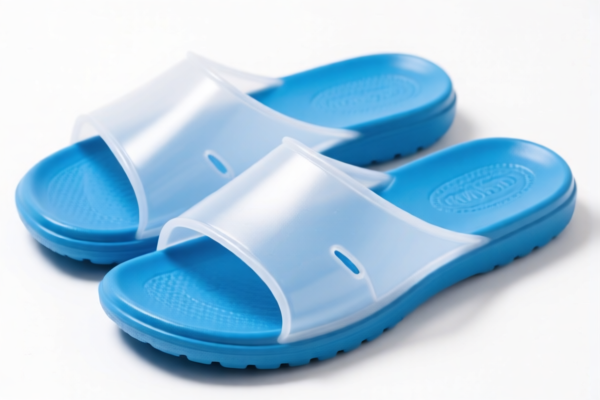
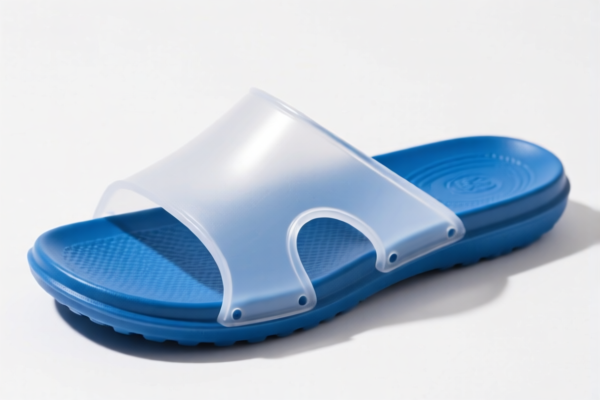
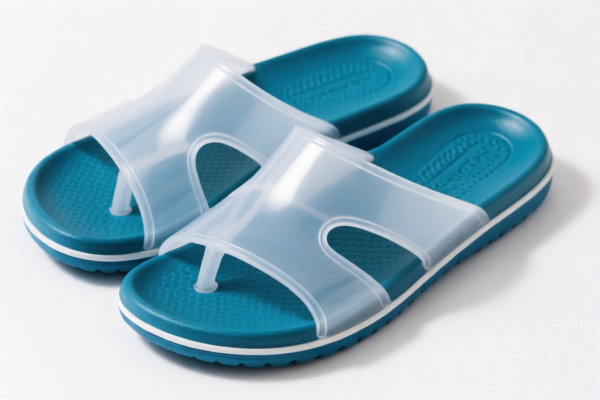
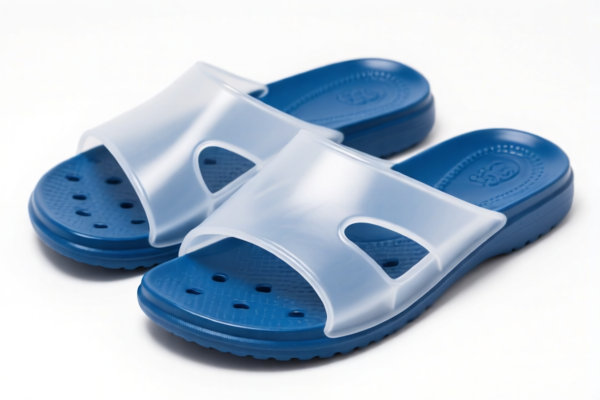
AI Analysis
👟 Plastic Anti-Slip Sports Shoes (Plastic Material Footwear)
🌐 HS Code Reference & Clearance Guide | 2026 Latest Tariff Analysis | Professional Clearance Strategy
📌 1. Product Definition & Classification: Do You Know What "Plastic Sports Shoes" Really Are?
Plastic Anti-Slip Sports Shoes are athletic footwear primarily composed of plastic materials for either the upper, sole, or both. In international trade, the classification depends heavily on which part is made of plastic and the specific function of the shoe.
Key Distinction Points: - All-Plastic Construction: If the entire shoe (upper and outsole) is made of plastic, it falls under specific plastic article codes. - Plastic Outsole/Upper Combination: If the outsole is plastic and the upper is synthetic/plastic, it may be classified as footwear with rubber/plastic soles. - Functional Purpose: The classification changes if the shoe is deemed a "sports shoe" (general athletic use) vs. specific industrial safety shoes.
⚠️ Critical Warning:
- If the product is a finished sports shoe with plastic components, it generally falls under Chapter 64 (Footwear).
- If the product is a part of a shoe (e.g., just the plastic outsole or just the plastic upper), it falls under Chapter 39 (Plastics).
- Misclassification Risk: Declaring a finished shoe as a "plastic part" to avoid higher tariffs, or vice versa, can lead to severe penalties.
📦 2. HS Code Classification Details (Based on Provided Data)
The provided data identifies four distinct HS Codes depending on the exact material composition and structure of the "Plastic Anti-Slip Sports Shoes."
| HS Code | Product Description (Summary) | Total Tax Rate | Tax Breakdown (Base + Additional) | Key Characteristics |
|---|---|---|---|---|
| 3926.90.99.89 | Plastic products, meeting material requirements for plastic basketball shoes | 22.8% | Base: 5.3%, Sec 301: 7.5%, 122 Section: 10% | Classified as a Plastic Article (Chapter 39), likely referring to a specific component or a non-standard footwear article made entirely of plastic. |
| 6402.19.15.20 | Plastic material footwear, belonging to the sports shoe category | 22.6% | Base: 5.1%, Sec 301: 7.5%, 122 Section: 10% | Classified as Footwear (Chapter 64). Outer sole and upper of rubber/plastics. Specifically for sports use. |
| 6402.19.15.41 | Plastic outsole and upper, fitting the sports shoe category | 22.6% | Base: 5.1%, Sec 301: 7.5%, 122 Section: 10% | Classified as Footwear (Chapter 64). Explicitly mentions both outsole and upper are plastic. Sports category. |
| 6404.11.20.60 | Sports shoe purpose, plastic material meets outsole or upper needs | 20.5% | Base: 10.5%, Sec 301: 0.0%, 122 Section: 10% | Classified as Footwear (Chapter 64). Crucial Difference: No Sec 301 (7.5%) tariff, but higher Base tariff (10.5%). Total is lower. |
| 6405.20.90.30 | Upper made of synthetic materials, purpose for sports | 22.5% | Base: 12.5%, Sec 301: 0.0%, 122 Section: 10% | Classified as Footwear (Chapter 64). Outer sole of rubber/plastics, Upper of synthetic materials. Highest Base Tariff (12.5%), but no Sec 301. |
🔍 Key Insight:
- Codes 6402.19.15.20 & 6402.19.15.41 are nearly identical in total tax (22.6%) and description. They represent standard plastic-soled sports shoes with Sec 301 tariffs.
- Code 6404.11.20.60 offers the lowest total tax (20.5%) because it excludes the 7.5% Sec 301 tariff, though the base tariff is higher. This may apply to specific types of sports shoes (e.g., canvas/plastic combinations or specific athletic styles).
- Code 3926.90.99.89 is an outlier in Chapter 39, suggesting the item might be considered a "plastic article" rather than "footwear" by customs, or it's a very specific plastic component.
- Code 6405.20.90.30 has a high base tariff (12.5%) but no Sec 301, resulting in 22.5%.
💰 3. 2026 Latest Tariff Rate Details (Including Additional Taxes)
✅ Applicable Country: United States (US)
✅ Origin: China (CN)
✅ Effective Date: From November 10, 2025 (and subsequent imports)
🎯 1. HS Code 6402.19.15.20 & 6402.19.15.41 —— Plastic Material Sports Shoes
| Item | Detail |
|---|---|
| Base Tariff | 5.1% (ad valorem) |
| Section 301 Tariff (USITC) | +7.5% |
| Section 122 Tariff | +10% |
| Total Tariff Rate | 22.6% |
| Tax Calculation | CIF Value × 22.6% |
| De Minimis Exemption | ❌ Not Applicable (Deny de minimis for these codes) |
| Legal Basis Path | USITC:6402.19.15.20/41 → FOOTNOTE:122 → Section 301 |
📌 Explanation:
- These codes classify items as footwear with rubber/plastic soles.
- The 7.5% Section 301 tariff is significant.
- The 10% Section 122 tariff applies to certain foreign commerce items.
- Total: 22.6%. This is the standard rate for most plastic-soled sports shoes.
🎯 2. HS Code 6404.11.20.60 —— Sports Shoes (Plastic Outsole/Upper)
| Item | Detail |
|---|---|
| Base Tariff | 10.5% (ad valorem) |
| Section 301 Tariff (USITC) | 0.0% (Exempt or not applicable for this specific subheading) |
| Section 122 Tariff | +10% |
| Total Tariff Rate | 20.5% |
| Tax Calculation | CIF Value × 20.5% |
| De Minimis Exemption | ❌ Not Applicable |
| Legal Basis Path | USITC:6404.11.20.60 → Section 122 |
📌 Explanation:
- This code offers a lower total rate (20.5%) because it avoids the 7.5% Section 301 tariff.
- However, the Base Tariff is higher (10.5%).
- Recommendation: If your product fits the description for6404.11.20.60, this is the most cost-effective option among the listed codes.
🎯 3. HS Code 6405.20.90.30 —— Synthetic Upper, Sports Purpose
| Item | Detail |
|---|---|
| Base Tariff | 12.5% (ad valorem) |
| Section 301 Tariff (USITC) | 0.0% |
| Section 122 Tariff | +10% |
| Total Tariff Rate | 22.5% |
| Tax Calculation | CIF Value × 22.5% |
| De Minimis Exemption | ❌ Not Applicable |
| Legal Basis Path | USITC:6405.20.90.30 → Section 122 |
📌 Explanation:
- This code has the highest base tariff (12.5%).
- It excludes Section 301, but the total (22.5%) is still higher than6404.11.20.60.
- Use this only if the product cannot be classified under6404.11.20.60but fits the "synthetic upper" description.
🎯 4. HS Code 3926.90.99.89 —— Plastic Products (Basketball Shoe Material)
| Item | Detail |
|---|---|
| Base Tariff | 5.3% (ad valorem) |
| Section 301 Tariff (USITC) | +7.5% |
| Section 122 Tariff | +10% |
| Total Tariff Rate | 22.8% |
| Tax Calculation | CIF Value × 22.8% |
| De Minimis Exemption | ❌ Not Applicable |
| Legal Basis Path | USITC:3926.90.99.89 → FOOTNOTE:122 → Section 301 |
📌 Explanation:
- This is classified under Chapter 39 (Plastics and Articles Thereof).
- It has the highest total rate (22.8%) among the options.
- Risk: If this is a finished shoe, classifying it here may be incorrect and attract scrutiny. It might be used for plastic components (e.g., insoles, decorative plastic parts) rather than the whole shoe.
🛠️ 4. Clearance Practical Advice (Battle-Tested Pitfall Avoidance)
✅ 1. Prepare the Following Documentation (Mandatory)
| Document | Required | Description |
|---|---|---|
| ✅ Product Specifications | ✔️ | Detailed material composition: % of plastic, rubber, synthetic fabric in upper and sole. |
| ✅ Product Photos | ✔️ | Clear images of the sole tread (to show anti-slip pattern), upper material, and brand/label. |
| ✅ Function Description | ✔️ | Explicitly state "Sports Shoe" or "Athletic Footwear." Include intended use (e.g., basketball, running, general sports). |
| ✅ Commercial Invoice | ✔️ | Must match the HS Code description exactly. Do not use vague terms like "Plastic Shoes." Use "Plastic Outsole Sports Shoes." |
| ✅ Packing List | ✔️ | List quantities, weights, and dimensions. |
| ✅ Original Manufacturer Info | ✔️ | Essential for determining origin and potential trade remedies. |
✅ 2. Declaration Tips (Key Mnemonics)
🔥 "Material Matters, Function Dictates, Code Determines Cost!"
| Scenario | Correct HS Code | Incorrect Code | Consequence |
|---|---|---|---|
| Sports Shoe with Plastic Outsole & Synthetic Upper | 6402.19.15.20 or 6404.11.20.60 |
6405.20.90.30 |
Potential reclassification + back taxes. |
| Sports Shoe with Plastic Outsole & Plastic Upper | 6402.19.15.41 |
3926.90.99.89 |
Misclassification. 3926 is for plastic articles, not footwear. |
| Plastic Shoe Components (e.g., Insoles) | 3926.90.99.89 |
6402.19.15.20 |
If declared as a component, it's correct. If declared as a whole shoe, it's wrong. |
| Sports Shoe with Canvas Upper & Rubber Sole | 6404.11.20.60 |
6405.20.90.30 |
Mismatch in material description. |
📌 Critical Note on
6404.11.20.60:
- This code has a lower total tax (20.5%).
- Ensure your product strictly meets the criteria for this code. It often applies to specific types of athletic shoes (e.g., tennis shoes, basketball shoes with specific constructions).
- If your shoes are clearly "plastic" in both upper and outsole,6402.19.15.41(22.6%) might be more accurate, even if the tax is slightly higher.
✅ 3. Special Cases Handling
| Case | Handling Advice |
|---|---|
| OEM Custom Sports Shoes | Provide design specs to prove material composition. If the upper is synthetic and outsole is plastic, 6402.19.15.20 is likely correct. |
| Shoes with "Anti-Slip" Feature | This is a functional description. It does not change the HS Code. Focus on material (plastic, rubber, synthetic). |
| Mixed Materials | If the shoe has plastic, rubber, and synthetic parts, the principal material (by value or function) determines the code. Usually, the outsole material is key. |
| High-End Athletic Shoes | Some high-end shoes may have complex structures. Ensure the declaration matches the actual construction shown in photos. |
🌍 5. Global Market Comparison (2026 Latest)
| Country/Region | Recommended HS Code | Tariff (China Origin) | Certification | Remarks |
|---|---|---|---|---|
| 🇺🇸 USA | 6402.19.15.20 / 6404.11.20.60 |
20.5% - 22.6% | None (generally) | High tariffs due to Sec 301 & 122. |
| 🇨🇳 China | 6402.19.15.20 |
5.1% - 10.5% | CCC (if applicable) | Lower base tariffs. |
| 🇪🇺 EU | 6402.19.15.20 |
4.0% - 12.0% | CE (if PPE) | Different HS structure. Check EU TARIC. |
| 🇦🇺 Australia | 6402.19.15.20 |
5.0% | RCM | Moderate tariffs. |
| 🇯🇵 Japan | 6402.19.15.20 |
3.2% - 12.0% | PSE (if applicable) | Varies by material. |
📌 Conclusion:
- The US market is the most challenging due to the combination of Base Tariffs, Section 301 (7.5%), and Section 122 (10%) tariffs.
- Minimize Cost: Aim for6404.11.20.60(20.5%) if your product qualifies.
- Avoid3926.90.99.89unless you are shipping plastic components, not finished shoes, due to high tax and classification risk.
📌 6. Common Errors & Pitfall Avoidance (Lessons Learned)
❌ Error 1: Declaring "Plastic Shoes" without specifying "Sports"
👉 Consequence: Customs may classify as general footwear with higher base tariffs or reject the declaration.
❌ Error 2: Using 3926.90.99.89 for finished shoes
👉 Consequence: Customs may reclassify to 6402.19.15.20 and charge back taxes + penalties. 3926 is for plastic articles, not footwear.
❌ Error 3: Ignoring Section 301 Tariff (7.5%)
👉 Consequence: Underpayment of duties. Total tariff is not just the base rate.
❌ Error 4: Incorrectly claiming 6404.11.20.60
👉 Consequence: If the shoe is clearly all-plastic (upper and outsole), it may be classified under 6402.19.15.41 (22.6%) instead of 6404.11.20.60 (20.5%). While 6404 is cheaper, misclassification is risky.
✅ Correct Approach:
"Plastic Outsole Sports Shoes, Synthetic Upper, Anti-Slip Tread, Model XYZ, For Athletic Use"
🎯 7. Conclusion: Precise Classification Saves Money!
🎯 Remember the Mantra:
🔹 "Plastic Sole = 6402, Sports Specific = 6404, Components = 3926."
🔹 "Section 301 Adds 7.5%, Section 122 Adds 10%. Total is Base + 17.5% (usually)."
🔹 "Choose6404.11.20.60for 20.5% if eligible. Avoid3926for shoes."
📌 Pro Tip:
If your shoes are originally from Vietnam, Mexico, Thailand, or Malaysia, you may avoid Section 301 tariffs, reducing the total tariff significantly.
Apply for Advance Ruling if the material composition is ambiguous.
📣 Immediate Action:
📞 Consult a Customs Broker with product photos.
🚀 Optimize for6404.11.20.60if possible to save 2% in total tariff.
💼 Your Profit Margin Depends on Accurate Classification!
Customer Reviews
About HS Code Classification
The Harmonized System (HS) is an internationally standardized nomenclature developed by the World Customs Organization (WCO) to classify traded products. Over 200 countries use the HS system as the basis for customs tariffs, trade statistics, and import/export regulations.
Each HS code follows a hierarchical structure:
- Chapter (2 digits) — Broad category of goods (e.g., Chapter 84: Machinery and Mechanical Appliances)
- Heading (4 digits) — More specific grouping within the chapter
- Subheading (6 digits) — Internationally standardized breakdown, used by all WCO member countries
- National subdivisions (8-10 digits) — Country-specific extensions for further classification, such as US HTSUS 10-digit codes
Correct HS code classification is essential for smooth customs clearance, accurate duty payment, and compliance with trade regulations. Misclassification can lead to customs delays, overpayment of duties, or penalties.
When importing from CN to US, the applicable tariff rates may include:
- Most-Favored-Nation (MFN) rate — The standard duty rate applied to WTO members
- General rate — Applied to countries without trade agreements
- Trade remedy duties — Additional tariffs such as Section 301 (anti-dumping), Section 232 (national security), or countervailing duties
The information provided on this page is for reference purposes only. For official classification, please consult with your local customs authority or a licensed customs broker.