Plastic Apparel Anti Static
CN → US| HS Code | Tariff Rate | Origin | Destination | Doc |
|---|---|---|---|---|
| 3919905060 | 40.8% | CN | US | Official Doc |
| 3926909989 | 22.8% | CN | US | Official Doc |
| 3919102055 | 40.8% | CN | US | Official Doc |
| 3926909400 | 35.0% | CN | US | Official Doc |
| 3920992000 | 39.2% | CN | US | Official Doc |
Product Images

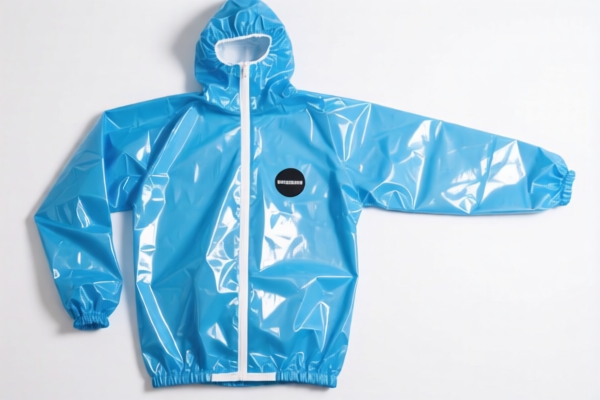

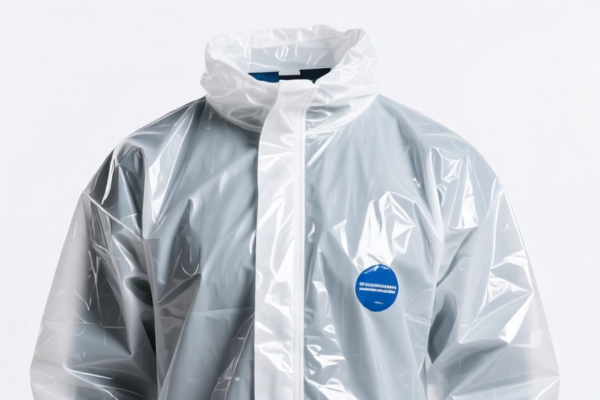
AI Analysis
🛍️ Plastic Apparel Anti-Static Film & Sheets (Wearables/Protective Gear)
🌐 HS Code Reference & Customs Clearance Guide | 2026 Latest Tariff Analysis | Professional Entry Strategy
📌 I. Product Definition: What is "Plastic Apparel Anti-Static"?
"Plastic apparel anti-static" typically refers to anti-static protective wear, aprons, smocks, or flexible plastic sheets/films used in electronic manufacturing, cleanrooms, or industrial settings to prevent electrostatic discharge (ESD) damage to sensitive components.
In international trade, the classification depends heavily on the physical form (is it a finished wearable garment or just raw material/film?) and its specific function:
- Finished Apparel (Garments): Anti-static lab coats, smocks, coveralls, or aprons made of plastic/polymer materials.
- Usually falls under Chapter 61/62 if woven/knitted, but often Chapter 39 if made of plastic sheeting/boards.
- Plastic Films/Shapes (Raw Material/Intermediates): Rolls of anti-static plastic film, flat shapes, or flexible membranes intended to be processed into apparel or packaging.
- Falls under Chapter 39 (Plastics and Articles Thereof).
⚠️ Key Distinction Point:
- If the item is a finished garment (sewn, sized, with buttons/zippers) → Likely HS 6102/6202 (Textiles) or HS 3926 (Other plastic articles).
- If the item is plastic film/roll/sheet (even if labeled "for apparel") → Likely HS 3919 (Self-adhesive plates/sheets/film) or HS 3920 (Other plates/sheets/film) or HS 3926 (Other articles).
- Crucial Note: The provided<DATA>exclusively lists Chapter 39 codes, implying the goods are classified as Plastic Articles/Films, not textile garments.
📦 II. HS Code Classification Details (Based on Provided Data)
The following codes are derived strictly from the provided <DATA> for Plastic Anti-Static Membranes/Films.
| HS Code | Product Description (From Data) | Key Characteristics | Total Tax Rate |
|---|---|---|---|
3919.90.50.60 |
Plastic anti-static film; material: plastic; form: film; meets requirements for plastic self-adhesive films. | Self-adhesive anti-static film. | 40.8% |
3926.90.99.89 |
Plastic anti-static film; material: plastic; form: film; classified under "Other plastic articles." | General plastic article; not self-adhesive; generic classification. | 22.8% |
3919.10.20.55 |
Plastic anti-static film; material: plastic; form: film; meets requirements for plastic flat shapes. | Self-adhesive; flat shape; possibly rolls or pre-cut sheets. | 40.8% |
3920.99.20.00 |
Plastic anti-static film; material: plastic; form: film; meets definition of flexible film made of non-cellular, non-reinforced plastics. | Non-self-adhesive; flexible film; specific material structure. | 39.2% |
3926.90.94.00 |
Plastic anti-static film; material: plastic; form: thin film; meets specific properties of plastic articles and certain thin sheets. | Specific thin film category under "Other plastic articles." | 35.0% |
🔍 Critical Observation:
- Self-adhesive films (3919.xx) attract the highest tariff (40.8%).
- General plastic articles (3926.90.99.89) attract the lowest tariff (22.8%).
- The classification hinges on whether the film is self-adhesive or a standalone flexible film.
💰 III. 2026 Latest Tariff Rate Breakdown (Including Additional Duties)
✅ Applicable Country: United States (US)
✅ Origin: China (CN)
✅ Effective Date: November 10, 2025 (and onwards)
✅ Policy Basis: Section 301 Duties + 122 Clause Tariffs
🎯 1. 3919.90.50.60 & 3919.10.20.55 — Self-Adhesive Plastic Anti-Static Films
| Item | Detail |
|---|---|
| Base Duty Rate | 5.8% |
| Section 301 Additional Duty | +25.0% |
| 122 Clause Tariff | +10.0% |
| Total Duty Rate | 40.8% |
| Calculation Basis | CIF Value × 40.8% |
| De Minimis Exemption | ❌ Not Eligible (Section 301 duties apply to all shipments regardless of value) |
| Legal Path | HTSUS:3919.90.50.60 → USITC Footnote 9903.88.01 (Section 301) → 122 Clause |
📌 Explanation:
- Self-adhesive films are considered "plastic plates, sheets, film, tape, tape and other flat shapes."
- The 25% Section 301 duty is mandatory for Chinese-origin goods.
- The 10% 122 Clause is an additional trade remedy tariff.
- Total 40.8% is extremely high. Optimization is critical.
🎯 2. 3926.90.99.89 — Other Plastic Articles (Anti-Static Film)
| Item | Detail |
|---|---|
| Base Duty Rate | 5.3% |
| Section 301 Additional Duty | +7.5% |
| 122 Clause Tariff | +10.0% |
| Total Duty Rate | 22.8% |
| Calculation Basis | CIF Value × 22.8% |
| De Minimis Exemption | ❌ Not Eligible (Section 301 applies) |
| Legal Path | HTSUS:3926.90.99.89 → USITC Footnote 9903.88.01 → 122 Clause |
📌 Explanation:
- This code is used when the film is not self-adhesive and doesn't fit other specific film categories (like 3920).
- Significantly lower rate (22.8% vs 40.8%).
- Optimization Strategy: If the product is not self-adhesive, ensure it is not classified under3919.
🎯 3. 3926.90.94.00 — Specific Plastic Thin Films
| Item | Detail |
|---|---|
| Base Duty Rate | 0.0% |
| Section 301 Additional Duty | +25.0% |
| 122 Clause Tariff | +10.0% |
| Total Duty Rate | 35.0% |
| Calculation Basis | CIF Value × 35.0% |
| De Minimis Exemption | ❌ Not Eligible |
| Legal Path | HTSUS:3926.90.94.00 → USITC Footnote 9903.88.01 → 122 Clause |
📌 Explanation:
- Base duty is 0%, but Section 301 and 122 clauses push it to 35%.
- Specific to "other plastic articles" with certain thin sheet properties.
🎯 4. 3920.99.20.00 — Non-Cellular Flexible Plastic Film
| Item | Detail |
|---|---|
| Base Duty Rate | 4.2% |
| Section 301 Additional Duty | +25.0% |
| 122 Clause Tariff | +10.0% |
| Total Duty Rate | 39.2% |
| Calculation Basis | CIF Value × 39.2% |
| De Minimis Exemption | ❌ Not Eligible |
| Legal Path | HTSUS:3920.99.20.00 → USITC Footnote 9903.88.01 → 122 Clause |
📌 Explanation:
- Applies to flexible films made of plastics other than cellulose or reinforced.
- Higher than3926.90.99.89but lower than self-adhesive codes.
🛠️ IV. Customs Clearance Practical Advice (Avoid Pitfalls)
✅ 1. Documentation Checklist (Mandatory)
| Document | Required? | Notes |
|---|---|---|
| ✅ Product Specification Sheet | ✔️ | Must clearly state: Material (e.g., PET, PVC), Thickness, Width, Anti-Static Property, Self-Adhesive vs. Non-Adhesive. |
| ✅ Product Photos | ✔️ | Clear images of the film, edges, and any adhesive side (if applicable). |
| ✅ Commercial Invoice | ✔️ | Must accurately describe as "Plastic Anti-Static Film, Material: XXX, Form: Roll/Sheet, Non-Self-Adhesive" (if applicable). |
| ✅ Packing List | ✔️ | Weight, dimensions, number of rolls/sheets. |
| ✅ Certificate of Origin | ✔️ | To verify China origin (subject to 301 duties). |
| ✅ Third-Party Test Report | ✔️ | Proof of anti-static performance (Surface Resistance < 10^9 ohms). |
✅ 2. Classification Optimization Strategy (Critical!)
🔥 "Adhesive = High Tax, Non-Adhesive = Lower Tax!"
| Scenario | Recommended HS Code | Total Tax | Why? |
|---|---|---|---|
| Product is Self-Adhesive (has glue on one side) | 3919.90.50.60 or 3919.10.20.55 |
40.8% | Fits description of "self-adhesive plates/sheets." |
| Product is Non-Adhesive Film (plain plastic) | 3926.90.99.89 |
22.8% | Best Rate! Classify as "Other plastic articles" if possible. |
| Product is Specific Thin Sheet | 3926.90.94.00 |
35.0% | If it doesn't fit 3920 but is a specific thin plastic article. |
| Product is Standard Flexible Film | 3920.99.20.00 |
39.2% | If it meets the definition of non-cellular flexible film. |
📌 Expert Tip:
- If your anti-static film does not have adhesive, AGGRESSIVELY argue for3926.90.99.89to save 18% in duties.
- Do not let customs default to3919(self-adhesive) if there is no adhesive. Provide test reports and photos proving no adhesive layer.
✅ 3. Special Considerations
| Situation | Advice |
|---|---|
| Mixed Shipment | If shipping both self-adhesive and non-adhesive films in one container, declare separately with clear HS codes. Mixing may lead to higher overall duties or audit risks. |
| Anti-Static Certification | US Customs may request proof of anti-static properties. Have lab reports ready. |
| Section 301 Exclusions | Check if your specific HTS code was excluded from Section 301 duties in recent years. (As of 2026, most plastic films are NOT excluded). |
| De Minimis (Section 321) | ❌ NO EXEMPTION. Section 301 duties apply even to de minimis shipments (< $800) if the HS code is subject to 301. |
🌍 V. Global Market Comparison (2026)
| Market | HS Code (Example) | Duty Rate | Key Requirement |
|---|---|---|---|
| 🇺🇸 USA | 3926.90.99.89 |
22.8% | Section 301 + 122 Clause. Strict classification. |
| 🇨🇳 China | 3926.90.99.89 |
~5-10% | No Section 301. Standard import tax. |
| 🇪🇺 EU | 3926.90.97.00 |
~6% | CE marking may be required for industrial use. |
| 🇬🇧 UK | 3926.90.97.00 |
~6% | Post-Brexit rules apply. |
📌 VI. Common Mistakes & Pitfalls
❌ Mistake 1: Classifying non-adhesive film as 3919 (Self-Adhesive)
👉 Result: Pay 40.8% instead of 22.8%.
👉 Fix: Emphasize "Non-Adhesive" in description.
❌ Mistake 2: Assuming De Minimis Exemption Applies
👉 Result: Seizure or retroactive duty payment for small shipments.
👉 Fix: All Section 301 goods are subject to duty, regardless of value.
❌ Mistake 3: Vague Description ("Plastic Wrap")
👉 Result: Customs assessment at highest possible rate.
👉 Fix: Use precise terms: "Anti-Static Plastic Film, Non-Adhesive, Material: PET, Thickness: 0.1mm."
✅ Correct Declaration Example:
"Plastic Anti-Static Film, Non-Self-Adhesive, Made of Polyester (PET), Width: 12 inches, for Industrial Use, ESD Safe, Model XYZ, Origin: China"
🎯 VII. Conclusion: Professional Classification Saves Money!
🎯 Key Takeaway:
🔹 "If it's not sticky, don't pay for sticky!"
🔹 Classify as3926.90.99.89whenever possible → Save 18% in duties!
🔹 Always declare Section 301 and 122 duties explicitly.
📌 Pro Tip:
If your anti-static film is part of a finished garment (e.g., an anti-static smock), it might be classified under Chapter 61/62 (Textiles) with different duties. However, if it's a film/roll intended to be cut into garments, it stays in Chapter 39. Clarify with your supplier and customs broker.
📣 Action Item:
📞 Consult a Licensed Customs Broker to confirm if your product can be classified under
3926.90.99.89.
📄 Provide Detailed Specs to avoid misclassification penalties.
🚀 Optimize Supply Chain to reduce landed costs in the US market.
✨ Precision in Classification, Savings in Duty!
💼 Your Profit Margin Depends on the Right HS Code!
Customer Reviews
About HS Code Classification
The Harmonized System (HS) is an internationally standardized nomenclature developed by the World Customs Organization (WCO) to classify traded products. Over 200 countries use the HS system as the basis for customs tariffs, trade statistics, and import/export regulations.
Each HS code follows a hierarchical structure:
- Chapter (2 digits) — Broad category of goods (e.g., Chapter 84: Machinery and Mechanical Appliances)
- Heading (4 digits) — More specific grouping within the chapter
- Subheading (6 digits) — Internationally standardized breakdown, used by all WCO member countries
- National subdivisions (8-10 digits) — Country-specific extensions for further classification, such as US HTSUS 10-digit codes
Correct HS code classification is essential for smooth customs clearance, accurate duty payment, and compliance with trade regulations. Misclassification can lead to customs delays, overpayment of duties, or penalties.
When importing from CN to US, the applicable tariff rates may include:
- Most-Favored-Nation (MFN) rate — The standard duty rate applied to WTO members
- General rate — Applied to countries without trade agreements
- Trade remedy duties — Additional tariffs such as Section 301 (anti-dumping), Section 232 (national security), or countervailing duties
The information provided on this page is for reference purposes only. For official classification, please consult with your local customs authority or a licensed customs broker.