Plastic Apparel Food Grade
CN → US| HS Code | Tariff Rate | Origin | Destination | Doc |
|---|---|---|---|---|
| 3923210095 | 38.0% | CN | US | Official Doc |
| 3923290000 | 38.0% | CN | US | Official Doc |
| 3920992000 | 39.2% | CN | US | Official Doc |
| 3920591000 | 41.0% | CN | US | Official Doc |
| 6307908940 | 17.0% | CN | US | Official Doc |
Product Images
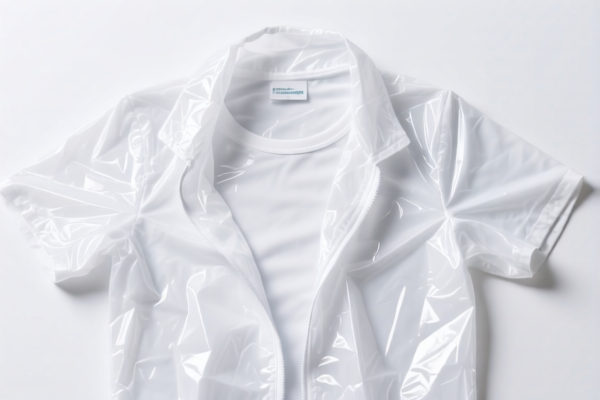
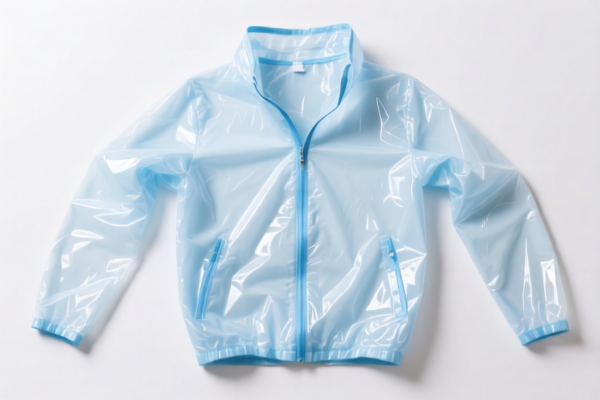
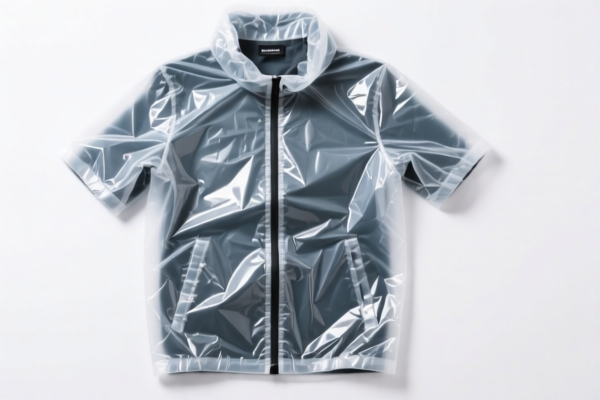
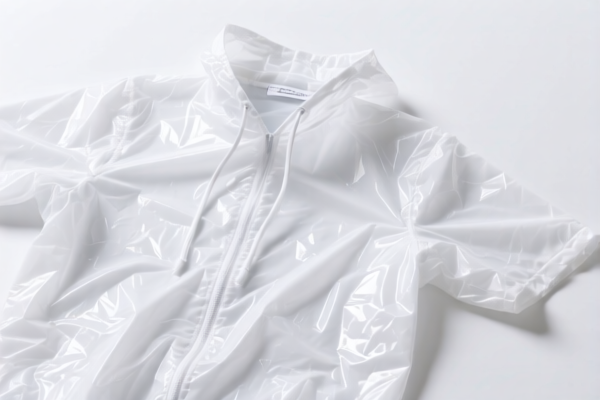
AI Analysis
🛍️ Plastic Apparel Food Grade (Food-Grade Plastic Piping/Pouches)
🌐 HS Code Reference & Customs Clearance Guide | 2026 Latest Tariff Analysis | Professional Customs Strategy
📌 I. Product Definition & Classification: What Exactly Are "Food-Grade Plastic Pouches"?
"Plastic Apparel Food Grade" in the context of international trade typically refers to plastic bags, pouches, or containers designed specifically for storing or dispensing food items. The term "apparel" here is likely a mistranslation or broad category for "packaging/applicator" (like piping bags used in baking).
In global trade classification, these products fall primarily under Chapter 39 (Plastics and Articles Thereof) or Chapter 63 (Other Made Up Textile Articles) if made from fabric-like materials. The key distinction lies in the material composition (polymer type) and form factor (bag/pouch vs. sheet/film).
⚠️ Critical Distinction:
- If made of standard polymers (like polyethylene) and formed into a bag/pouch → Chapter 39
- If made of textile-like materials (woven/non-woven fabric) → Chapter 63
- Misclassification can lead to massive tariff differences (e.g., 17% vs. 41%)!
📦 II. HS Code Classification Details (2026 Latest Tariff Authority Comparison)
| HS Code | Product Description | Applicable Scenario | Material/Form Logic |
|---|---|---|---|
3923.21.00.95 |
Food-grade plastic piping bags, material: ethylene polymers, form: bags/pouches (including conical) | Standard baking piping bags, squeeze bottles for sauces | ✅ Ethylene Polymer + Bag Form |
3923.29.00.00 |
Food-grade plastic piping bags, material: plastic, form: bags/pouches (including conical), fits other plastic classification logic | General purpose plastic food bags, not specifically ethylene | ✅ Plastic + Bag Form (Other) |
3920.99.20.00 |
Food-grade plastic piping bags, material: plastic, form: bag/film type, fits other plastic products classification | Plastic film bags, flexible packaging films | ✅ Plastic + Film/Sheet Form |
3920.59.10.00 |
Food-grade plastic piping bags, material: plastic, form: strip/film/sheet extension, fits acrylic polymer or other plastic features | Acrylic-based plastic sheets/films | ✅ Plastic + Acrylic/Other Polymer |
6307.90.89.40 |
Commercial textile thermal insulation food bags, material: textile, form: food bags, fits bag/bag-like logic in other products | Insulated food delivery bags, textile-based food pouches | ✅ Textile + Bag Form |
🔍 Key Reminder:
-3923.21.00.95is for ethylene-based piping bags (most common for baking).
-3923.29.00.00is the "catch-all" for plastic bags not specified elsewhere.
-3920.xxxxcodes apply if the product is classified as film/sheet rather than a finished bag.
-6307.90.89.40applies ONLY if the material is textile (e.g., insulated cooler bags).
💰 III. 2026 Latest Tariff Rate Details (Including Surcharges & Policy Add-ons)
✅ Applicable Country: United States (US)
✅ Origin: China (CN)
✅ Effective Date: November 10, 2025 onwards (including subsequent imports)
🎯 1. 3923.21.00.95 —— Ethylene Polymer Piping Bags (Food Grade)
| Item | Details |
|---|---|
| Base Tariff Rate | 3.0% (ad valorem) |
| Section 301 Surcharge | +25.0% |
| Section 122 Tariff | +10.0% |
| Total Tariff Rate | 38.0% |
| Tax Calculation | CIF Value × 38.0% |
| De Minimis Eligibility | ❌ Not Eligible (deny_de_minimis) |
| Legal Basis Path | Section 301 → Section 122 → USITC:3923.21.00.95 |
📌 Explanation:
- Base Rate 3%: Standard tariff for plastic bags under Chapter 39.
- Section 301 (25%): USITC surcharge on Chinese-origin plastic products.
- Section 122 (10%): Additional surcharge under specific trade provisions.
- Total 38%: High duty rate; must be factored into cost calculations.
🎯 2. 3923.29.00.00 —— Other Plastic Bags/Pouches (Food Grade)
| Item | Details |
|---|---|
| Base Tariff Rate | 3.0% |
| Section 301 Surcharge | +25.0% |
| Section 122 Tariff | +10.0% |
| Total Tariff Rate | 38.0% |
| Tax Calculation | CIF Value × 38.0% |
| De Minimis Eligibility | ❌ Not Eligible |
| Legal Basis Path | Section 301 → Section 122 → USITC:3923.29.00.00 |
📌 Note:
- Same tariff structure as3923.21.00.95.
- Used for non-ethylene plastic bags (e.g., PP, PVC) if they don’t fit other specific headings.
🎯 3. 3920.99.20.00 —— Other Plastic Products (Film/Bag Type)
| Item | Details |
|---|---|
| Base Tariff Rate | 4.2% |
| Section 301 Surcharge | +25.0% |
| Section 122 Tariff | +10.0% |
| Total Tariff Rate | 39.2% |
| Tax Calculation | CIF Value × 39.2% |
| De Minimis Eligibility | ❌ Not Eligible |
| Legal Basis Path | Section 301 → Section 122 → USITC:3920.99.20.00 |
📌 Caution:
- Slightly higher base rate (4.2% vs. 3.0%) due to classification under "other plastic products" rather than "bags".
- Total tariff 39.2%, 1.2% higher than the standard bag code.
🎯 4. 3920.59.10.00 —— Acrylic/Other Plastic Films (Food Grade)
| Item | Details |
|---|---|
| Base Tariff Rate | 6.0% |
| Section 301 Surcharge | +25.0% |
| Section 122 Tariff | +10.0% |
| Total Tariff Rate | 41.0% |
| Tax Calculation | CIF Value × 41.0% |
| De Minimis Eligibility | ❌ Not Eligible |
| Legal Basis Path | Section 301 → Section 122 → USITC:3920.59.10.00 |
📌 Warning:
- Highest tariff among plastic codes at 41.0%.
- Applies to acrylic-based or other specific plastic films/sheets.
- Ensure your product is NOT made of acrylic if you want to avoid this rate.
🎯 5. 6307.90.89.40 —— Textile Food Bags (Insulated/Commercial)
| Item | Details |
|---|---|
| Base Tariff Rate | 7.0% |
| Section 301 Surcharge | 0.0% |
| Section 122 Tariff | +10.0% |
| Total Tariff Rate | 17.0% |
| Tax Calculation | CIF Value × 17.0% |
| De Minimis Eligibility | ❌ Not Eligible |
| Legal Basis Path | Section 122 → USITC:6307.90.89.40 |
📌 Opportunity:
- Lowest total tariff at 17.0%!
- NO Section 301 surcharge applies to textile goods in this category.
- Ideal for insulated food delivery bags, textile-based cooling bags, or reusable fabric pouches.
🛠️ IV. Customs Clearance Practical Advice (Real-World Pitfall Avoidance Guide)
✅ 1. Required Documentation Checklist (Non-negotiable)
| Document | Must Provide | Explanation |
|---|---|---|
| ✅ Product Specification Sheet | ✔️ | Material type (polymer vs. textile), food-grade certification |
| ✅ Material Safety Data Sheet (MSDS) | ✔️ | Proves food-grade compliance (FDA, LFGB, etc.) |
| ✅ Product Photos (Clear & Labeled) | ✔️ | Shows form factor: bag, pouch, conical, insulated |
| ✅ Commercial Invoice | ✔️ | Must clearly state "Food-Grade Plastic/Textile Bag" |
| ✅ Certificate of Origin (CO) | ✔️ | Critical for tariff determination |
| ✅ Packing List | ✔️ | Detail contents to avoid "missing goods" queries |
✅ 2. Declaration Tips (Key Mantra)
🔥 “Material Matters, Form Defines, Tax Varies!”
| Scenario | Correct Declaration | Incorrect Practice |
|---|---|---|
| Polyethylene Baking Piping Bag | 3923.21.00.95 |
Misclassify as 3923.29.00.00 → Same tax, but less precise |
| PP Food Storage Bag | 3923.29.00.00 |
Misclassify as 3920.99.20.00 → Higher tax (39.2%) |
| Acrylic Plastic Film Roll | 3920.59.10.00 |
Misclassify as bag → 41.0% tax |
| Insulated Fabric Cooler Bag | 6307.90.89.40 |
Misclassify as plastic → 17% vs. 38% tax |
✅ 3. Special Cases Handling
| Scenario | Recommendation |
|---|---|
| OEM Custom Piping Bags | Provide client order + design drawing; ensure material matches declaration |
| Mixed Materials (Plastic Handle + Textile Bag) | Declare as Textile (6307.90.89.40) if textile is primary material |
| Food-Grade Certification Required | Must provide FDA 21 CFR or EU 1935/2004 compliance docs |
| Sample Shipments | Still subject to 38% tax if classified under Chapter 39; no de minimis |
🌍 V. Global Market Customs Comparison (2026 Latest)
| Country/Region | Recommended HS Code | Tariff | Certification Required | Notes |
|---|---|---|---|---|
| 🇺🇸 USA | 3923.21.00.95 / 6307.90.89.40 |
38% / 17% | FDA + RoHS | Textile saves 21% |
| 🇨🇳 China | 3923.21.00.95 |
5% | CCC + Food Grade | No Section 301 |
| 🇪🇺 EU | 3923.21.00.95 |
0% (if MFN) | CE + LFGB | No surcharges |
| 🇬🇧 UK | 3923.21.00.95 |
0% | UKCA + Food Standard | Post-Brexit MFN |
| 🇦🇺 Australia | 3923.21.00.95 |
5% | FSANZ Compliance | No surcharges |
📌 Conclusion:
- USA is the most expensive market due to Section 301 & 122 tariffs.
- Switching to Textile (6307.90.89.40) can save 21% tariff in the US.
- EU/UK/AU are tariff-friendly but strict on food-grade certifications.
📌 VI. Common Mistakes & Pitfall Guide (Lessons Learned the Hard Way)
❌ Mistake 1: Declaring plastic piping bags as textile bags
👉 Consequence: Customs rejects due to material mismatch → Delays + Fines
❌ Mistake 2: Using "Plastic Bag" without specifying ethylene vs. other plastic
👉 Consequence: Ambiguity leads to audits; may default to higher tax code
❌ Mistake 3: Forgetting food-grade certification
👉 Consequence: Goods held at port for safety inspection → Storage fees + Demurrage
❌ Mistake 4: Misclassifying film rolls as finished bags
👉 Consequence: 39.2% vs. 38% tax difference; small but significant at scale
✅ Correct Approach:
"Food-Grade Polyethylene Piping Bag, Conical, FDA Compliant, Model XYZ, Net Weight 5kg"
🎯 VII. Conclusion: Professional Declaration, Time-Saving, Cost-Effective!
🎯 Remember the Mantra:
🔹 "Plastic = High Tax (38-41%), Textile = Low Tax (17%)"
🔹 "Material Determines Code, Code Determines Tax"
🔹 "One Percent Difference Means Thousands Saved!"
📌 Pro Tip:
If your product is originating from Vietnam, Mexico, Thailand, or Malaysia, you may qualify for Section 301 Exemptions, reducing tariffs to 0%-5%.
Consider Advance Ruling (Pre-classification) to avoid risks.
📣 Act Now:
📞 Contact a professional customs broker + Provide product photos + Apply for HS Code Advance Ruling
🚀 Let your food-grade bags clear customs smoothly, export efficiently, and boost profits!
✨ Professional customs clearance starts with accurate classification!
💼 Every cent of your cost deserves precise calculation!
Customer Reviews
About HS Code Classification
The Harmonized System (HS) is an internationally standardized nomenclature developed by the World Customs Organization (WCO) to classify traded products. Over 200 countries use the HS system as the basis for customs tariffs, trade statistics, and import/export regulations.
Each HS code follows a hierarchical structure:
- Chapter (2 digits) — Broad category of goods (e.g., Chapter 84: Machinery and Mechanical Appliances)
- Heading (4 digits) — More specific grouping within the chapter
- Subheading (6 digits) — Internationally standardized breakdown, used by all WCO member countries
- National subdivisions (8-10 digits) — Country-specific extensions for further classification, such as US HTSUS 10-digit codes
Correct HS code classification is essential for smooth customs clearance, accurate duty payment, and compliance with trade regulations. Misclassification can lead to customs delays, overpayment of duties, or penalties.
When importing from CN to US, the applicable tariff rates may include:
- Most-Favored-Nation (MFN) rate — The standard duty rate applied to WTO members
- General rate — Applied to countries without trade agreements
- Trade remedy duties — Additional tariffs such as Section 301 (anti-dumping), Section 232 (national security), or countervailing duties
The information provided on this page is for reference purposes only. For official classification, please consult with your local customs authority or a licensed customs broker.