Plastic Appliance Handles
CN → US| HS Code | Tariff Rate | Origin | Destination | Doc |
|---|---|---|---|---|
| 3926902500 | 24.0% | CN | US | Official Doc |
| 8481909085 | 85.0% | CN | US | Official Doc |
| 8481905000 | 20.5% | CN | US | Official Doc |
| 3926301000 | 24.0% | CN | US | Official Doc |
| 8205513060 | 38.7% | CN | US | Official Doc |
Product Images
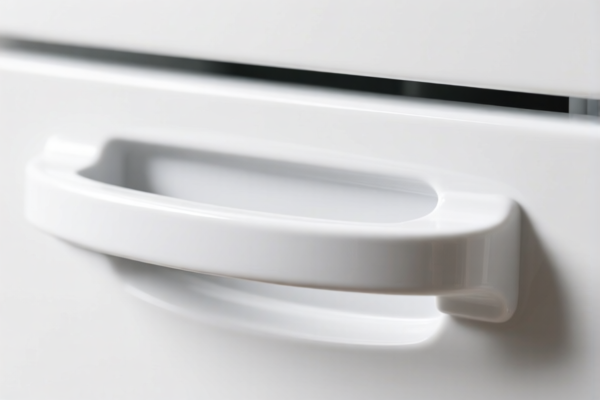
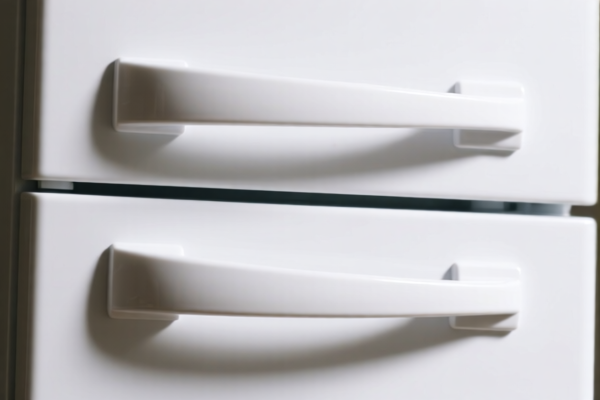

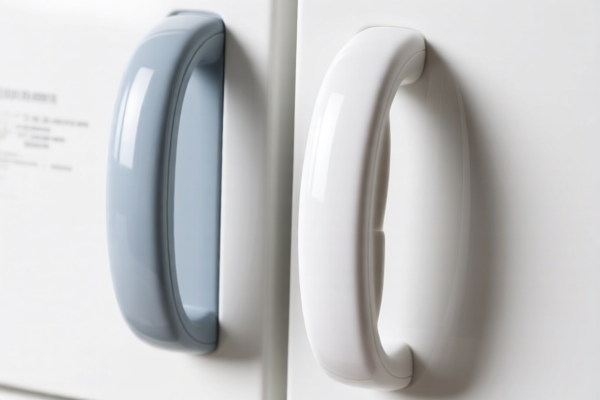
AI Analysis
🛠️ Plastic Appliance Handles: HS Code Classification & 2026 Customs Clearance Strategy
🌐 HS Code Reference & Clearance Guide | 2026 Latest Tariff Analysis | Professional-Level Entry Strategy
📌 I. Product Definition & Classification: Do You Really Understand "Handles"?
Plastic appliance handles are critical components used in manufacturing, plumbing, hardware, and household appliances. In international trade, they are not a single unified category but are classified based on their intended function, material composition, and specific application. Misclassification can lead to severe penalties, as the tariff rates for "plastic parts" versus "valve parts" can differ drastically (from 24% to 85%!).
In the context of the provided data, we distinguish between: 1. General Purpose Plastic Handles: Used in general hardware, tools, or non-specific appliances (e.g., tool grips, cabinet knobs). 2. Specialized Component Handles: Specifically designed for valves, plumbing fixtures, or complex machinery.
⚠️ Key Distinction Point:
- If the handle is a general-purpose gripping tool or knob not specifically integral to a valve mechanism, it often falls under Chapter 39 (Plastics) or Chapter 82 (Hand Tools).
- If the handle is a control knob for a valve (regulating flow/pressure), it is classified under Chapter 84 (Machinery) as a valve part. This shift changes the tariff structure entirely!
📦 II. HS Code Classification Details (2026 Latest Tariff Authority Comparison)
Based on the provided data, here are the four distinct classifications for "Plastic Appliance Handles" with their corresponding tax breakdowns:
| HS Code | Product Description | Applicable Scenario | Total Tariff Rate | Key Tax Components |
|---|---|---|---|---|
3926.90.25.00 |
Plastic Handles, conforming to definition of plastic products & handles | General plastic handles, furniture knobs, non-specific appliance grips | 24.0% | Base: 6.5% + Section 301: 7.5% + IEEPA: 10% |
8481.90.90.85 |
Valve Parts (Handles), Material: Plastic | Specifically for Valves, plumbing controls, industrial valve operation | 85.0% | Base: 0.0% + Section 301: 25.0% + IEEPA: 10% + Steel/Alu/Copper Surcharge: 50% |
8481.90.50.00 |
Valve Accessories (Handles), Made of Other Materials | Valve handles made of materials other than steel/aluminum/copper (e.g., pure plastic, ceramic) | 20.5% | Base: 3.0% + Section 301: 7.5% + IEEPA: 10% |
3926.30.10.00 |
Handles and Knobs, Containing Plastic Material | Cabinet handles, appliance knobs, general hardware grips | 24.0% | Base: 6.5% + Section 301: 7.5% + IEEPA: 10% |
8205.51.30.60 |
Parts of Other Hand Tools, Plastic Handle | Handles for manual tools (e.g., screwdrivers, wrenches, hammers) | 38.7% | Base: 3.7% + Section 301: 25.0% + IEEPA: 10% |
🔍 Critical Reminder:
- Do not assume "Plastic Handle = Chapter 39". If it controls a valve, it goes to Chapter 84, which carries significantly higher risks and tariffs. - The 85.0% rate for8481.90.90.85is the highest due to the "Steel, Aluminum, Copper Products Surcharge." Even if the handle is plastic, if it is classified as a valve part under this specific subheading, it attracts the 50% surcharge. Verification of material and function is crucial!
💰 III. 2026 Latest Tariff Rate Details (Including Surcharges & Policy Add-ons)
✅ Applicable Country: USA (US)
✅ Origin: China (CN)
✅ Effective Time: 2025/2026 (Current Trade Policy)
🎯 1. 3926.90.25.00 & 3926.30.10.00 —— General Plastic Handles/Knobs
| Item | Detail |
|---|---|
| Base Tariff | 6.5% (ad valorem) |
| Section 301 Surcharge | +7.5% (USITC Footnote 9903.88.01) |
| IEEPA Surcharge | +10% (针对中国/香港产品, 2025年11月10日起生效) |
| Total Rate | 24.0% |
| Tax Calculation | CIF Value × 24% |
| De Minimis Eligibility | ❌ No (deny_de_minimis) |
| Legal Basis Path | IEEPA:9903.01.25 → USITC:3926.90.25.00 |
📌 Explanation:
- These are the most "standard" classifications for general plastic handles. - The rate is moderate (24%) compared to valve-specific handles. - Suitable for furniture knobs, tool grips, and general appliance buttons/handles.
🎯 2. 8481.90.90.85 —— Valve Parts (Handles) – HIGH RISK
| Item | Detail |
|---|---|
| Base Tariff | 0.0% |
| Section 301 Surcharge | +25.0% |
| IEEPA Surcharge | +10.0% |
| Steel/Alu/Copper Surcharge | +50.0% |
| Total Rate | 85.0% |
| Tax Calculation | CIF Value × 85.0% |
| De Minimis Eligibility | ❌ No |
| Legal Basis Path | IEEPA:9903.01.24 → USITC:8481.90.90.85 → FOOTNOTE:Steel/Alu/Copper Surcharge |
📌 WARNING:
- This is the most expensive classification! - Even if the handle is plastic, if it is classified as a "valve part" under this specific code, it triggers the 50% surcharge for steel/aluminum/copper products (likely due to regulatory ambiguity or broad classification rules in this subheading). - Mitigation: Can we reclassify to8481.90.50.00?
🎯 3. 8481.90.50.00 —— Valve Accessories (Handles), Other Materials
| Item | Detail |
|---|---|
| Base Tariff | 3.0% |
| Section 301 Surcharge | +7.5% |
| IEEPA Surcharge | +10.0% |
| Total Rate | 20.5% |
| Tax Calculation | CIF Value × 20.5% |
| De Minimis Eligibility | ❌ No |
| Legal Basis Path | IEEPA:9903.01.24 → USITC:8481.90.50.00 |
📌 Strategy:
- If the handle is made of pure plastic, ceramic, or other non-metallic materials, ensure it is NOT misclassified under8481.90.90.85. - Correct classification as "Other Materials" reduces the rate from 85.0% to 20.5%. This is a critical cost-saving move!
🎯 4. 8205.51.30.60 —— Parts of Hand Tools (Plastic Handle)
| Item | Detail |
|---|---|
| Base Tariff | 3.7% |
| Section 301 Surcharge | +25.0% |
| IEEPA Surcharge | +10.0% |
| Total Rate | 38.7% |
| Tax Calculation | CIF Value × 38.7% |
| De Minimis Eligibility | ❌ No |
| Legal Basis Path | IEEPA:9903.01.24 → USITC:8205.51.30.60 |
📌 Context:
- Applies only if the handle is sold as a part of a hand tool (e.g., replacement handle for a screwdriver). - If sold as a standalone handle, it should likely go to Chapter 39.
🛠️ IV. Customs Clearance Practical Advice (Battle-Tested Pitfall Avoidance Guide)
✅ 1. Document Checklist (No Shortcuts Allowed)
| Document | Required | Explanation |
|---|---|---|
| ✅ Product Specification Sheet | ✔️ | Must clearly state: Material (e.g., "100% PP Plastic"), Function (e.g., "Cabinet Knob" vs. "Valve Actuator"), Dimensions, Weight. |
| ✅ Structural Diagram | ✔️ | Critical for Valve Handles. Show that the handle does not contain internal metal springs, screws, or valve stems that would trigger the 50% surcharge. |
| ✅ Product Photos (Clear Labeling) | ✔️ | Show the handle installed. If it's a valve handle, show the valve connection point. |
| ✅ Commercial Invoice | ✔️ | Description must match HS Code. Avoid generic terms like "Plastic Part." Use "Plastic Valve Handle" or "Plastic Cabinet Knob." |
| ✅ Packaging List | ✔️ | Ensure handles are not mixed with metal parts in a way that suggests a composite metal article. |
✅ 2. Declaration Strategy (Key Mantras)
🔥 "Material Matters, Function Defines, Avoid the 50% Trap!"
| Scenario | Correct Declaration | Incorrect Action | Consequence |
|---|---|---|---|
| Plastic Valve Handle | 8481.90.50.00 (Other Materials) |
Declare as 8481.90.90.85 |
Tariff jumps from 20.5% to 85%! |
| General Plastic Knob | 3926.90.25.00 |
Declare as 8481.90.50.00 |
Wrong chapter, potential audit, though tax is similar (24% vs 20.5%). |
| Hand Tool Handle | 8205.51.30.60 |
Declare as 3926.90.25.00 |
Possible misclassification if sold as part of tool. |
| Valve Handle with Metal Screw | 8481.90.90.85 |
Try to hide the metal screw | High risk of penalty for false declaration. |
✅ 3. Special Situation Handling
| Situation | Handling Advice |
|---|---|
| Valve Handle with Plastic + Metal Parts | If the metal part is negligible, argue for 8481.90.50.00. If metal is integral, expect 85%. Pre-clearance ruling is recommended. |
| OEM Custom Handles | Provide client design specs to prove function. If designed for a specific valve type, use Chapter 84. |
| Mixed Containers (Plastic Handles + Metal Valves) | Do not commingle. Declare separately. Plastic handles to Chapter 39/84 (non-metallic), metal valves to Chapter 84 (metallic). |
| Marketing Names | Avoid terms like "Heavy Duty Steel Handle" if it's plastic. Use "Plastic Actuator Knob." |
🌍 V. Global Market Comparison (2026 Update)
| Country/Region | Recommended HS Code (For Plastic Valve Handle) | Tariff Rate | Certification | Note |
|---|---|---|---|---|
| 🇺🇸 USA | 8481.90.50.00 |
20.5% | None specific | Avoid 8481.90.90.85 (85%)! |
| 🇨🇳 China | 8481.90.50.00 |
~3-5% | CCC (if applicable) | Lower base tax, no 301 tariffs. |
| 🇪🇺 EU | 8481.90.50 |
0-4.5% | CE (if pressure equipment) | No Section 301/IEEPA tariffs. |
| 🇬🇧 UK | 8481.90.50 |
0-4.5% | UKCA | Post-Brexit tariff structure similar to EU. |
📌 Conclusion:
- USA is the most complex market due to multiple surcharges (301, IEEPA, Steel/Alu/Copper). - European markets are more favorable with lower base rates and no punitive surcharges. - Strategic Advice for US Market: Always strive to classify plastic handles under Chapter 39 (if general) or 8481.90.50.00 (if valve-related) to avoid the catastrophic 85% rate.
📌 VI. Common Errors & Pitfalls (Lessons Learned the Hard Way)
❌ Error 1: Classifying a Plastic Valve Handle as 8481.90.90.85
👉 Result: 85% Tariff! A mistake of 64.5% in tax cost.
👉 Fix: Ensure the description explicitly states "Plastic Material, No Metal Components" and file for 8481.90.50.00.
❌ Error 2: Declaring a Tool Handle as a "General Plastic Part" (3926.90.25.00)
👉 Result: Potential misclassification if the handle is sold as part of a hand tool set.
👉 Fix: If sold with a tool, use 8205.51.30.60. If sold separately, 3926.90.25.00 is acceptable.
❌ Error 3: Omitting "Valve" from the description for a valve handle
👉 Result: Customs may classify it as a general plastic part (Chapter 39) or reject it for vagueness.
👉 Fix: Be precise. "Plastic Handle for Valves" vs. "Plastic Handle for Cabinets."
✅ Correct Declaration Example:
"Plastic Valve Handle, Model V-100, Material: Polypropylene (PP), Non-Metallic, For Use with Industrial Plumbing Valves, Country of Origin: China"
🎯 VII. Conclusion: Precise Classification Saves Money!
🎯 Remember the Mantra:
🔹 "Plastic is not always Chapter 39. Valve parts go to Chapter 84."
🔹 "Avoid the 50% Steel Surcharge! Choose8481.90.50.00for plastic valve handles."
🔹 "10% IEEPA + 7.5% 301 is standard. 85% is avoidable!"
📌 Pro Tip:
If your plastic handles are destined for the US, pre-classify them with your customs broker. Provide photos and material specs. A small fee for a pre-ruling or professional consultation can save you thousands of dollars in tariffs on bulk shipments.
📣 Immediate Action:
📞 Contact your freight forwarder + Provide detailed material specs + Verify HS Code
8481.90.50.00vs8481.90.90.85.
🚀 Ensure smooth clearance, minimize tax burden, and maximize profit margins!
✨ Professional Clearance Starts with Accurate Classification!
💼 Every Percentage Point in Tax Affects Your Bottom Line!
Customer Reviews
About HS Code Classification
The Harmonized System (HS) is an internationally standardized nomenclature developed by the World Customs Organization (WCO) to classify traded products. Over 200 countries use the HS system as the basis for customs tariffs, trade statistics, and import/export regulations.
Each HS code follows a hierarchical structure:
- Chapter (2 digits) — Broad category of goods (e.g., Chapter 84: Machinery and Mechanical Appliances)
- Heading (4 digits) — More specific grouping within the chapter
- Subheading (6 digits) — Internationally standardized breakdown, used by all WCO member countries
- National subdivisions (8-10 digits) — Country-specific extensions for further classification, such as US HTSUS 10-digit codes
Correct HS code classification is essential for smooth customs clearance, accurate duty payment, and compliance with trade regulations. Misclassification can lead to customs delays, overpayment of duties, or penalties.
When importing from CN to US, the applicable tariff rates may include:
- Most-Favored-Nation (MFN) rate — The standard duty rate applied to WTO members
- General rate — Applied to countries without trade agreements
- Trade remedy duties — Additional tariffs such as Section 301 (anti-dumping), Section 232 (national security), or countervailing duties
The information provided on this page is for reference purposes only. For official classification, please consult with your local customs authority or a licensed customs broker.